Tangipahoa Parish Louisiana Tangipahoa Parish Fair Festival
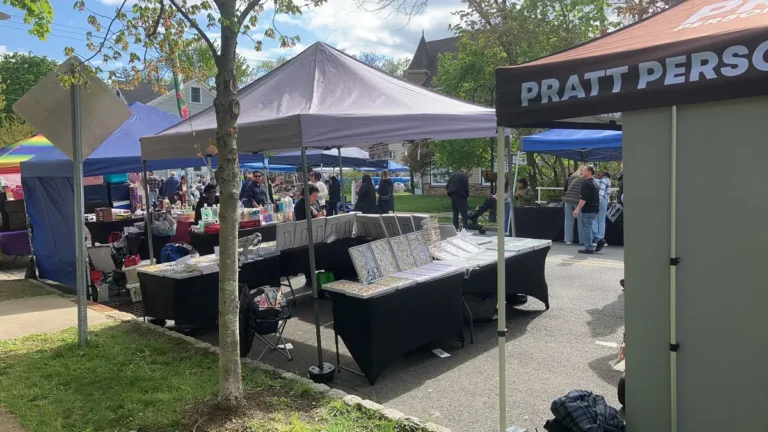
Every parish fair in Louisiana has its own personality, and the Tangipahoa Parish Fair’s personality is local. It is a community fair in the truest sense — seasonal, homegrown, and built around the things this part of southeast Louisiana does well: livestock, home crafts, plate lunches, and an evening where you bump into three people you know before you reach the gate.
If you have never been, the first thing to understand is scale. This is not a giant ticketed entertainment complex. It is a parish fair in the Tangipahoa Parish area, drawing on a county of 133,157 people (2020 census) whose seat is Amite City. You can walk most of it in an afternoon and still find something new on the second pass.
What follows is a first-timer’s orientation: what the fair is, how a day there tends to unfold, what to bring, and how to build a weekend around it without overplanning.
Tangipahoa Parish Fair Essentials for First-Timers
Here is the short version of what you are walking into.
| Town / area | The Tangipahoa Parish area, Louisiana |
| County (parish) | Tangipahoa Parish |
| County seat | Amite City |
| Population | 133,157 (2020 census) |
| Region | Southeast Louisiana, north of Lake Pontchartrain |
| Typical timing | Autumn, usually a multi-day run in the fall |
| Admission | Generally free to enter; vendors and concessions price separately |
| Setting | Outdoor fairgrounds with exhibit halls, livestock areas, and midway space |
| Features | Agriculture and livestock exhibits, home and craft entries, food, live entertainment |
| Organizer | Volunteer-led community fair |
A couple of those rows deserve a note. The parish covers 823 square miles, so “nearby” can mean a longer drive than you expect. And because the fair is volunteer-run, details like exact hours and entertainment lineups are worth confirming locally before you commit to a particular day.
What the Tangipahoa Parish Fair Actually Is
The Tangipahoa Parish Fair is an annual parish fair — a multi-day community gathering that folds agriculture, competition, food, entertainment, and carnival rides onto one set of fairgrounds. Parish fairs in Louisiana sit somewhere between a county fair and a small-town homecoming, and this one follows that model closely.
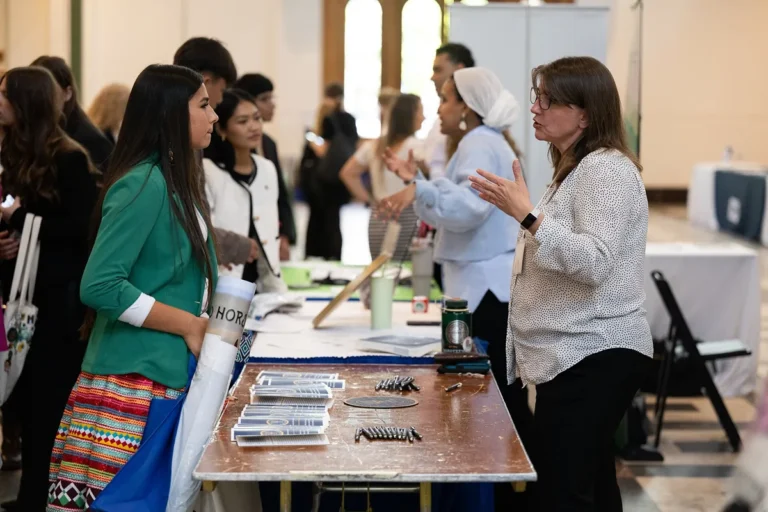
Practically, that means exhibit halls full of judged entries: canned goods, baked goods, quilts, photography, flowers, and school artwork. It means livestock pens and the young people who spend months getting an animal ready for show. It means a midway with rides and games, a stage or two for live entertainment, and long rows of food vendors and community booths.
It also means a crowd that is largely local. A parish of 133,157 people spread across 823 square miles does not gather easily, and the fair is one of the few occasions that pulls from all of it at once. You will hear the same conversations you would hear at a ball game or a church supper, only louder and with more fried food.
From an 1869 Parish to a Fair That Keeps Coming Back
Tangipahoa Parish was founded in 1869, with Amite City as its seat, and its 823 square miles have always been agricultural at heart. Fairs arrived in rural Louisiana as a practical idea: a yearly date when farmers could compare crops, show animals, trade notes, and let the rest of the parish see the results.
That habit hardened into tradition. The Tangipahoa Parish Fair grew the way most parish fairs did — starting around the things that mattered most to a farming community, then broadening as the community changed. Livestock and canned goods stayed. School exhibits, craft categories, pageants, and entertainment were added as the parish’s towns grew and its economy diversified.
The fair has survived the decades that reshaped southeast Louisiana: the decline of the small family farm, the arrival of the interstate, and the growth of communities within commuting distance of larger cities. Each of those shifts could have ended a small fair. Instead, the fair absorbed them, and the modern version is a blend of old categories and new ones.
What has not changed is the timing and the pull. The fair returns each autumn, and the parish turns out for it.
The Rhythm of a Fair Day in Tangipahoa Parish
A fair day here has a shape to it. Mornings are quieter and better for exhibits and animals; afternoons fill in; evenings belong to music, rides, and food. Here is what each part of that day looks like for a first-timer.
Fair Food and the Louisiana Plate
Food is the easiest way to spend money and the hardest thing to do sensibly. Expect the standard fair lineup done with a Louisiana accent: corn dogs, funnel cakes, nachos, and cotton candy alongside gumbo, jambalaya, red beans, boudin, plate lunches, and fried seafood, depending on which vendors set up that year. Church groups and civic organizations often run booths, and that is usually where the best cooking is.
Two practical notes. Portions tend to be large, so sharing is a strategy. And many booths are cash-friendly operations, so carry some bills even if cards are widely accepted.
Music, Stages, and Evening Entertainment
Live entertainment is typically the evening anchor — local and regional acts rather than national touring names, with sets that lean toward country, swamp pop, zydeco, and gospel depending on the night. Between sets, the grounds stay busy with pageants, livestock shows, prize announcements, and the general hum of a midway.
If music is your priority, ask locally which night suits you before you commit. Lineups change from year to year.
Family Activities and Small-Hands Highlights
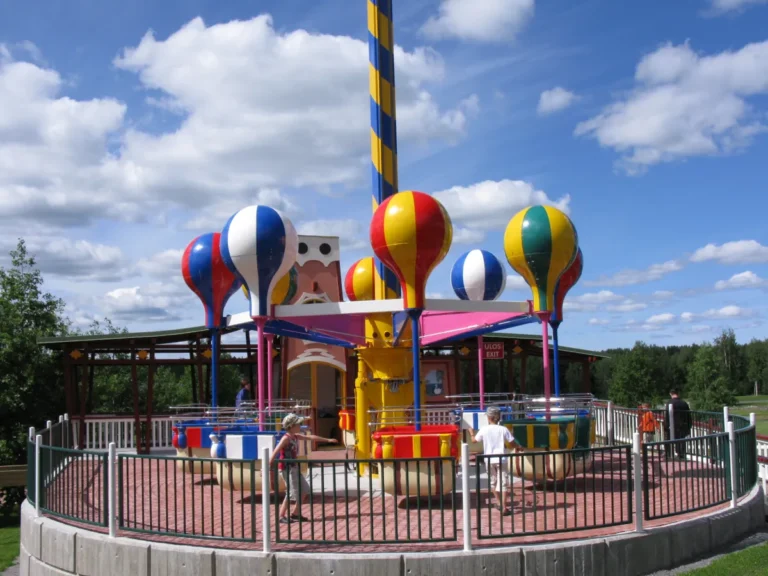
This is a genuinely family-oriented fair. Rides and games anchor the midway, and the exhibit halls are surprisingly good for kids — spotting a ribbon on a jar of pickles or a drawing they recognize holds attention longer than you would expect. The livestock areas are another draw, especially for children who rarely get close to animals.
Plan for strollers to struggle on grass and gravel, and set a meeting point early in case your group splits up. Crowds peak in the evening.
Planning a Trip Around the Tangipahoa Parish Fair
Getting There From Anywhere in the Parish
The fair sits in the Tangipahoa Parish area, and the parish is bigger than it looks — 823 square miles of it. From Amite City, the drive is short. From the parish’s other communities, plan on anywhere from twenty minutes to the better part of an hour, and add time for the traffic that gathers near the grounds in the evening.
The parish is served by the Interstate 55 and Interstate 12 corridors, which makes it a straightforward drive from most of southeast Louisiana and south Mississippi. Rideshare availability thins out late at night, so decide early how you are getting home.
Where to Sleep Near the Fairgrounds
Lodging in the immediate area is limited, so most out-of-town visitors stay in the parish’s larger communities or just outside it, where chain hotels cluster along the interstate. Book early if your trip lands on a busy weekend, since parish events, college calendars, and family visits all compete for the same rooms.
Parking, Gates, and Getting In
Expect field or lot parking with attendants directing traffic. Arrive before the evening rush if you want a short walk, and note your row or a landmark — fairground lots look identical after dark. Follow the attendants rather than improvising a spot; soft ground and tow-away zones are both real risks.
What It Costs Once You Are Inside
Admission is generally free, which is a big part of the fair’s appeal. Costs show up inside: food, drinks, rides, games, and vendor goods. Set a rough budget per person, especially with kids, because midway pricing adds up faster than anyone expects. Keep cash on hand for smaller booths.
Weather, Mud, and What to Wear
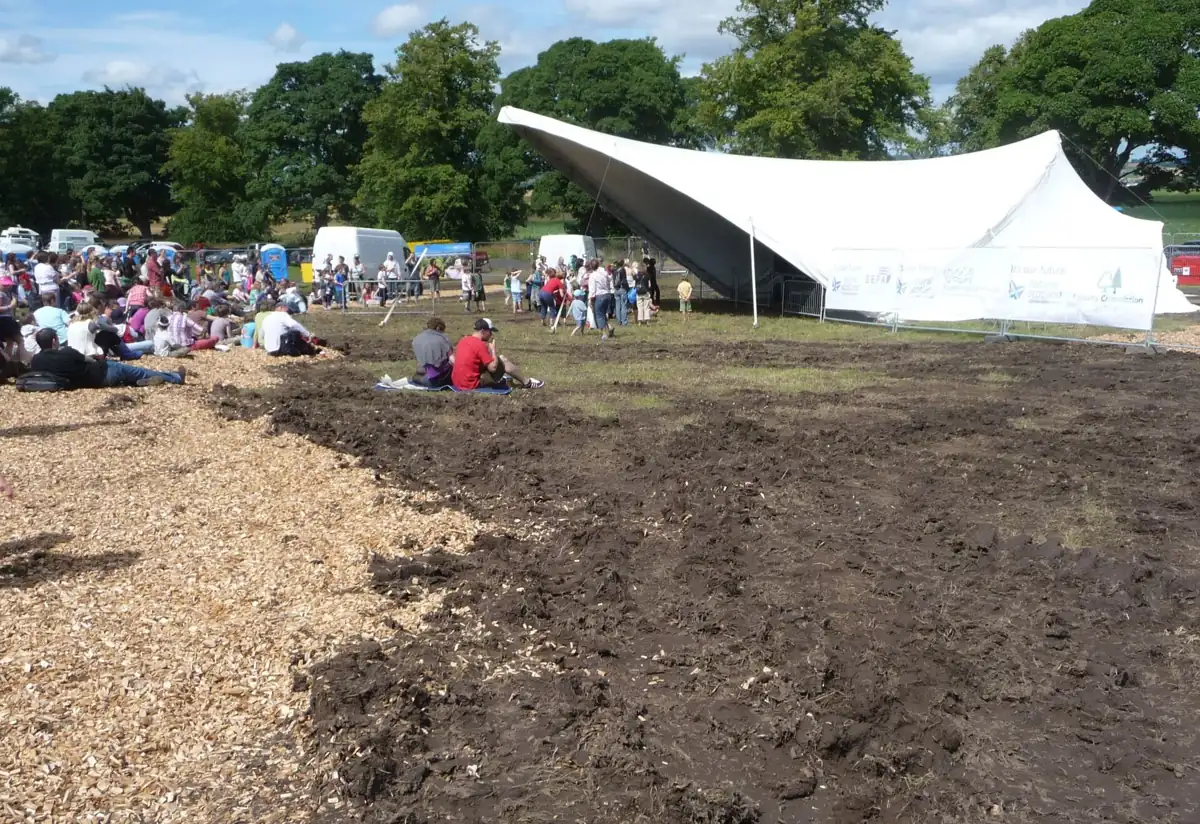
Southeast Louisiana weather does not cooperate politely. Autumn fairs can land on a warm, humid weekend or a cool, breezy one, and afternoon showers are always possible. Wear closed-toe shoes you do not mind getting dusty or muddy, bring a light rain jacket, and keep sunscreen and bug spray in your bag. Layers handle the swing between a sunny afternoon and a late evening.
A Sample Fair Weekend for a First-Timer
If you are giving the fair one weekend, this is a sensible way to structure it.
Day one, the arrival evening: Walk the midway once to get your bearings, eat dinner from a booth, and catch whatever entertainment is on. The first night is usually the least crowded and the best one for actually talking to vendors.
Day two, morning: Come back early for exhibits and livestock. Judging results are fresh, halls are quiet, and you can read the entry cards without standing in line. Grab lunch before the midday crowd builds.
Day two, afternoon: Rides, games, and the booths you skipped. Take a shade break during the hottest stretch of the day.
Day two, evening: The busiest hours. Live music, long food lines, and a fully lit midway. Arrive early for parking.
Day three: A shorter, calmer visit — good for a final look at the exhibits, one last plate of food, and an easy exit before the afternoon rush.
How the Fair Compares to Its Neighbors
Tangipahoa Parish is not short on reasons to leave the house, so it helps to know what makes this fair different from the events around it.
Amite City is the parish seat and the closest thing to the fair’s home base — small, walkable, and quietly historic. The fair fits its scale, and pairing the two makes for an easy day.
Hammond is one of the parish’s larger communities, with a fuller year-round calendar, more restaurants, and the widest choice of lodging nearby. If you want a bigger trip built around the fair, base yourself there.
Ponchatoula is known regionally for its spring strawberry season and the crowds that come with it. Visiting in spring gives you a very different flavor of the parish: berry stands, warm weather, and a busier commercial strip.
Set against those, the parish fair is the most agricultural and most locally rooted option — less polished, more genuinely parish-wide.
A First-Timer’s Checklist for Tangipahoa Parish
Confirm the fair’s dates and hours locally before you drive out, since the schedule is set year by year. Bring cash in small bills for food, games, and booths, and wear closed-toe shoes that can handle grass, gravel, and the occasional puddle.
Pack sunscreen, bug spray, and a refillable water bottle. Charge your phone and screenshot your parking row. Set a meeting point before your group walks in, decide your ride home in advance if you plan to stay late, and leave room in the car for anything you buy.
Beyond the Fairgrounds in Tangipahoa Parish
The fair is a good excuse to see more of the parish. Amite City, the parish seat, rewards a slow morning — small downtown blocks, local restaurants, and a pace that makes a fair weekend feel longer than it is.
Elsewhere in Tangipahoa Parish, the landscape shifts between piney woods, farmland, rivers, and small towns, with the interstate tying it together. Outdoors-minded visitors can build in time on the water or on backroads; food-minded ones can chase plate lunches, meat markets, and strawberry stands depending on the season.
Because the parish covers 823 square miles, pick one or two directions rather than trying to see all of it. A fair day plus a half-day of local wandering is a full, satisfying weekend.
What the Fair Means to Tangipahoa Parish
Parish fairs matter in places where the population is spread out and the calendar is thin. For Tangipahoa Parish, this one is among the few annual events that draws from every corner of an 823-square-mile county at once — from Amite City to the smaller communities that rarely make anyone’s travel list.
It is also a place where work gets recognized in public. A ribbon on a quilt, a prize animal, a first-place jar of preserves: these are small honors that carry real weight when they are handed out in front of neighbors. That is the function of a fair like this, and it is why the tradition has held on.
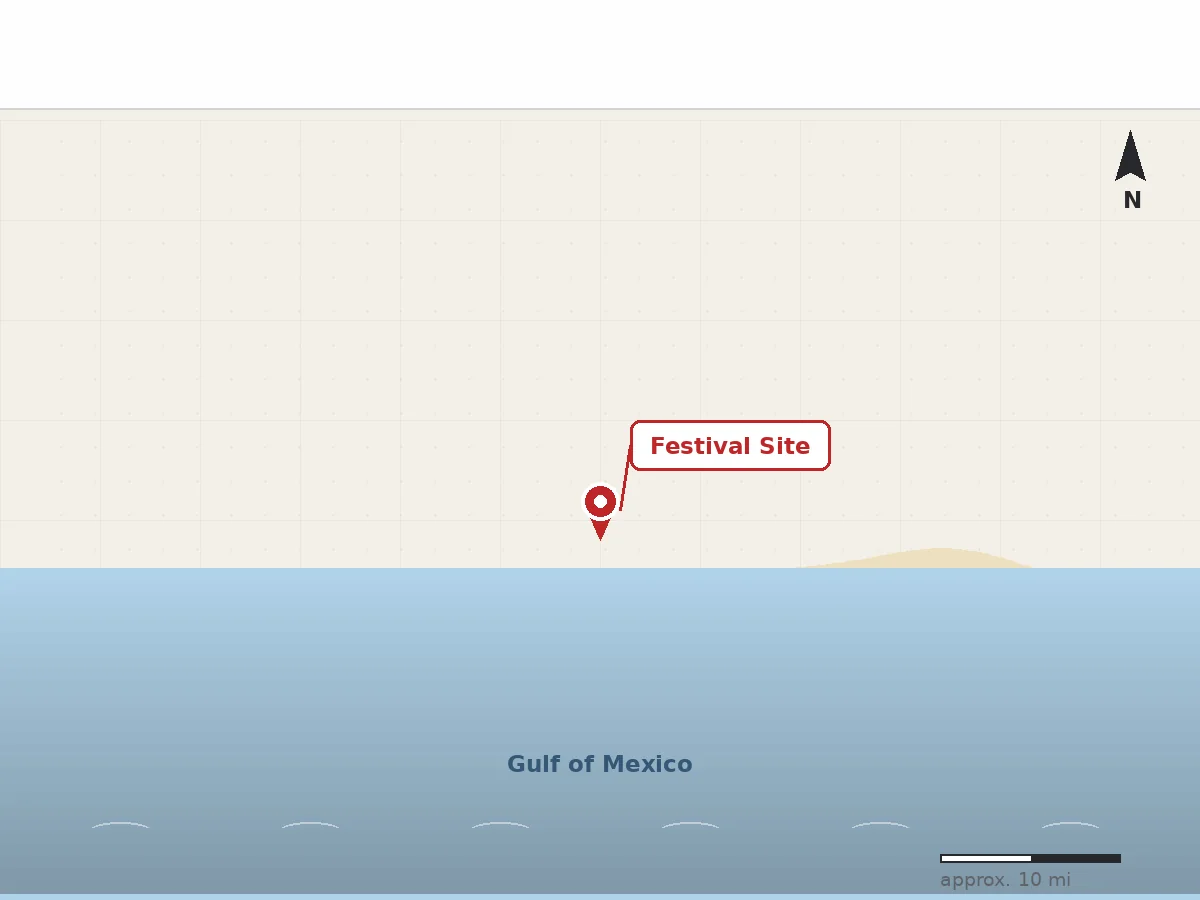
Where the Tangipahoa Parish Fair Sits on the Map
The Tangipahoa Parish Fair takes place in the Tangipahoa Parish area of southeast Louisiana, with Amite City as the parish seat and the most useful reference point for visitors arriving via the Interstate 55 and Interstate 12 corridors.
Newcomer Questions About the Tangipahoa Parish Fair
When is the fair usually held?
The fair is a fall event, typically running over several days during the autumn months. Exact dates shift from year to year, so confirm them locally before you plan travel — and note that the busiest stretch is almost always the weekend.
Is admission free?
Admission is generally free. Your spending happens inside, on food, drinks, rides, games, and vendor booths, so budget per person rather than per car. Cash is useful for the smaller operations.
Is it a good outing for young children?
Yes — the fair is built for families. Rides, games, animals, and hands-on exhibits are all part of the mix. Go earlier in the day for smaller crowds, bring a stroller you can push over grass and gravel, and plan for an early exit if the evening crowd gets heavy.
How long should I plan to stay?
Most first-timers spend three to four hours and feel like they have seen everything. If you want to catch a specific entertainment set, an animal show, and a full walk through the exhibit halls, allow a half day — or split it into two shorter visits.
The Future of the Tangipahoa Parish Fair
Fairs like this one run on volunteer energy, and the Tangipahoa Parish Fair’s future depends on the same things that have kept it going for generations: local families entering exhibits, young people showing animals, and neighbors willing to staff a booth for a weekend.
Its advantage is its role. As the parish grows and its towns change, an annual event that belongs to the whole parish becomes more valuable, not less. Expect the format to stay recognizable — agriculture, competition, food, and entertainment — with gradual adjustments to scheduling and programming as the community around it evolves.
Last updated: October 2026
Go for the food, stay for the exhibits, and leave with a ribbon-count update from someone you just met. The Tangipahoa Parish Fair is not trying to be anything other than what it is: a parish gathering with livestock, cake, music, and a midway, held once a year in a county that still shows up for it.