Tama County Iowa Tama County Fair Festival
Toledo, Iowa, is the county seat of Tama County, and it carries the quiet authority of a place that has been the center of things for a long time. The county was organized on February 17, 1843, and today it spreads across 722 square miles of central Iowa farmland, home to 17,135 people at the 2020 census. From the seat at Toledo, the county runs outward in every direction: corn and soybean fields, small towns, gravel crossroads, and long horizons.
For most of the year, those 17,135 residents are spread thin across all that ground. Then summer arrives, and the Tama County Fair gives the whole county a reason to converge on one set of gates. It is a county fair in the classic Iowa mold — barns and exhibit halls, a midway, a grandstand, and a schedule built around livestock, kids, and food.
Tama County Fair Essentials: Town, County, and Timing
| Town / area | Tama County area, Iowa — Tama and Toledo |
| County / county seat | Tama County, Iowa / Toledo |
| Population | 17,135 (2020 census) |
| Land area | 722 square miles |
| Founded | February 17, 1843 |
| Region | Central Iowa |
| Setting and features | Farmland fairgrounds with barns, exhibit halls, a midway, and a grandstand |
| Typical timing | A summer weekend, usually in July |
| Admission | Generally free to enter the grounds; rides and some grandstand events are ticketed |
| Organizer | Local fair board and community volunteers |
Inside the Tama County Fair: What the Week Actually Holds
Strip away the lights and the funnel cakes and a county fair is a working agricultural exhibition with a party wrapped around it. The Tama County Fair follows that formula closely. Livestock shows fill the barns and show rings, with classes for cattle, swine, sheep, goats, poultry, and rabbits, and young exhibitors moving animals through judging across the day.
Alongside the barns are the exhibit halls, where open-class and youth entries cover baking, canning, vegetables, flowers, photography, and crafts. Ribbons and placards mark the winners; grandparents and neighbors wander the aisles looking for familiar names. It is the least glamorous part of the fair and, for many families, the most personal.
The rest of the grounds belong to the midway, commercial booths, food trailers, and the grandstand. The scale is deliberately human: you can walk the whole fairground in an afternoon and still have time to sit down and eat. Nobody needs a map, and nobody stays a stranger for long.
For another look at how a community turns its own traditions into a gathering, see the Sumner County Kansas 4-H Fair Festival for a useful comparison.
A Fair That Grew With a County Organized in 1843
Tama County was established on February 17, 1843, in the first wave of Iowa county organization. In that era, fairs were not entertainment first — they were education. Agricultural societies used them to demonstrate better seed, improved breeds, and new machinery to farmers who might otherwise never see such things.
As the county filled in with farms and towns, the fair became the annual meeting point for a population that otherwise crossed paths at church, at school, and at the grain elevator. The grounds turned into neutral territory where a farmer from one township could compare notes with a farmer from another.
The twentieth century reshaped the fair without replacing it. Youth organizations took over much of the show schedule, turning the barns into classrooms. Grandstand entertainment grew louder and more elaborate. Carnival rides arrived and stayed. The agriculture never left — it simply learned to share the grounds.
What remains today is the accumulated version: a fair that still judges livestock and still hands out ribbons, but also books bands, runs a midway, and depends on a volunteer crew to make it all happen year after year.
The Texture of a Fair Day in Tama County
A day at the Tama County Fair has a rhythm. Mornings belong to animals and judges, afternoons to exhibits and rides, evenings to food, music, and the grandstand.
Fair Food Around the Tama County Midway
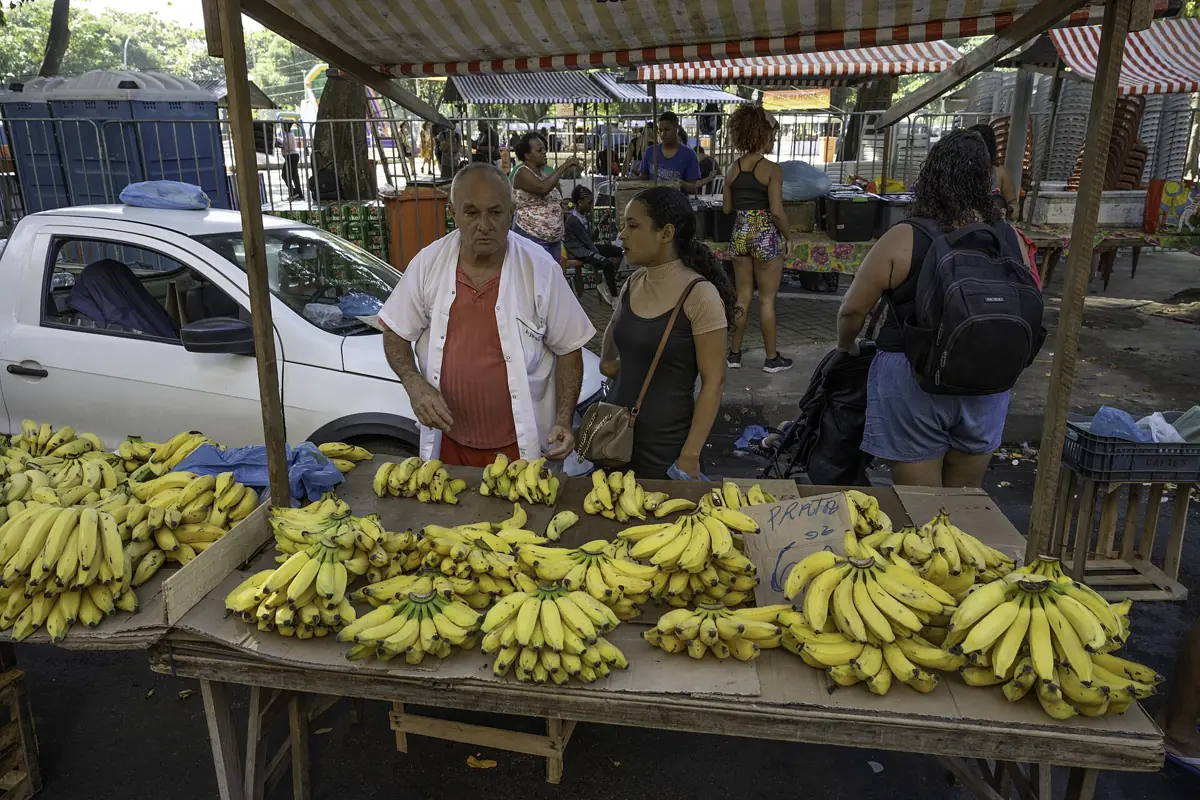
Fair food here is the standard Iowa lineup done well: pork producer sandwiches, walking tacos, corn dogs, funnel cakes, hand-shaken lemonade, soft-serve, and whatever the local churches and civic groups are selling from their stands. Some of the best food on the grounds is not on the midway at all but in the exhibit hall, where pie and coffee are sold by volunteers. Bring cash for the smaller stands.
Grandstand Entertainment and Evening Music
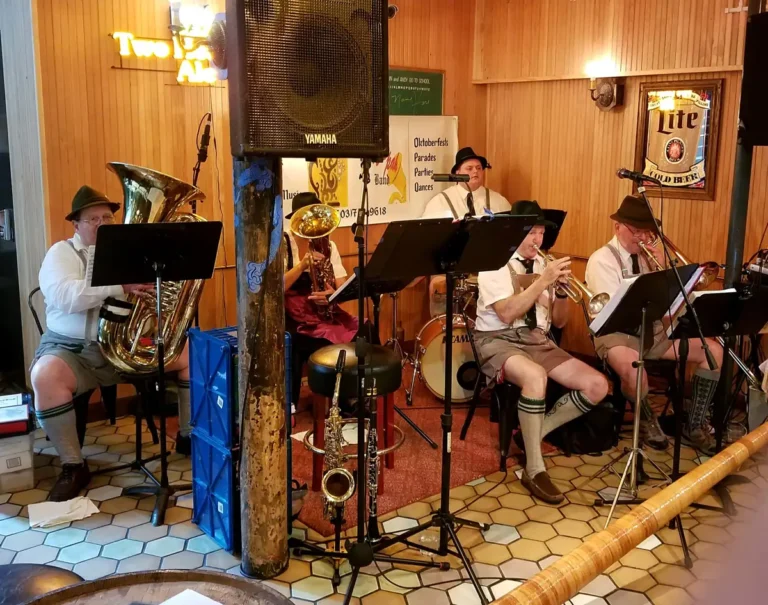
Evenings pull the crowd toward the grandstand. Expect a mix across the fair’s run — a demolition derby, a tractor pull, a rodeo or bull-riding night, live music, and often fireworks to close things out. Some grandstand events are ticketed while others come with grounds admission, so check the schedule for the year before you plan an evening. Arrive early; the good seats go fast.
Family Activities: Barns, Rides, and Ribbons
For families, the fair is unusually easy. Kids can walk the barns and pet animals, watch a showmanship class, ride the midway, and enter a contest or two themselves. Many fairs set aside a morning for younger children to handle small animals or take part in a pedal tractor pull. Strollers handle the grounds fine, and there is usually shade near the exhibit buildings when the afternoon heat peaks.
Planning a Trip to the Tama County Fair
The fair is a small-town event, which keeps planning simple — but a few details are worth sorting out before you drive over.
Getting to the Tama County Area
Tama County sits in central Iowa, with Toledo as the county seat and the community of Tama just next door. Most visitors arrive by car, and the fairgrounds are within easy reach of both towns. Coming from out of the area, work your way in on the larger regional highways and then follow local roads; signage in the county is friendly, but a phone map helps after dark.
Where to Stay Near Tama and Toledo
Lodging close to the grounds is limited, so book early if you are staying the weekend. Options run toward small local motels and a handful of guest rentals, with a wider choice of chain hotels in the larger towns within a reasonable drive. Campers and RV travelers generally look to campgrounds in the surrounding county and region.
Parking at the Fairgrounds
Parking at county fairs is usually a matter of grassy lots and patient volunteers. Expect to park in a field or along a nearby street, follow the directions of whoever is waving you in, and walk a few minutes to the gate. Arriving before the evening grandstand rush saves a lot of circling.
Admission and What Money Buys
Grounds admission at Iowa county fairs is often free or very low, with the money made instead on rides, food, grandstand tickets, and carnival games. Treat that as the working assumption and confirm the current year’s details before you go. Bring cash for small vendors and the youth food stands, which frequently run on a cash basis.
Iowa July Weather and What to Pack
The fair falls in the heart of an Iowa summer, which means heat, humidity, and a real chance of an afternoon thunderstorm. Pack water, sunscreen, a hat, and a light rain jacket. Wear shoes you do not mind getting dusty or muddy, and keep an eye on the sky if you plan to stay for evening events.
A Sample Fair Weekend in Tama County
Friday evening. Arrive in the late afternoon as the grounds are filling. Walk the barns while the light is still good, eat dinner from a food stand, and stay for the grandstand event and the crowd that spills out afterward.
Saturday morning. This is the fair at its most serious. Livestock shows start early, the exhibit halls are open, and the coffee line is long. Watch a showmanship class even if you have no connection to it — it is the clearest window into what a county fair is actually for.
Saturday afternoon. Ride the midway, browse the commercial buildings, and catch a demonstration or contest in one of the tents. If the day is hot, this is the stretch to find shade and lemonade.
Saturday evening. The biggest night of the fair: grandstand entertainment, live music, and the busiest food lines. Claim a seat early and eat before the show starts.
Sunday. A shorter, gentler day — often the last chance to see exhibits and animals before everything is packed away.
How the Tama County Fair Compares With Neighboring Fairs
Tama County is surrounded by counties with summer traditions of their own — Marshall, Benton, Grundy, and Poweshiek all hold fairs, and each has a slightly different personality. Some lean harder into grandstand concerts; others are known for livestock competition or tractor pulls.
What sets the Tama County Fair apart is scale and intimacy. It is small enough that the same families return year after year and that a first-time visitor can get oriented within an hour. Compared with a larger regional fair, the lines are shorter, the grounds are walkable, and the event still feels like it belongs to the county rather than to a promoter.
What to Tuck in the Car Before Tama County Fair Weekend
Check the current year’s schedule and grandstand lineup; confirm grounds hours and any ticketed events; pack water, sunscreen, hats, and rain gear; wear closed-toe shoes; bring cash for small vendors and youth food stands; charge your phone and bring a battery pack; leave pets at home unless the fair advertises otherwise; agree on a meeting point for your group; and save a little room in the day for the exhibit halls, which are easy to skip and hard to forget.
Beyond the Fairgrounds: Toledo, Tama, and the Rest of the County
The fair is a reason to visit Tama County, but not the only one. Toledo, the county seat, is worth an hour of wandering between fair sessions, and the neighboring community of Tama sits close enough that the two read as a single stop. Together they anchor the middle of a county that is otherwise mostly farmland.
Beyond the towns, the county’s 722 square miles are best experienced by driving. The roads run on a grid, traffic is light, and the scenery is the honest article: corn and beans, farmsteads, windbreaks, and small cemeteries on low hills. Give yourself an extra hour to drive a few of those roads — it is the fastest way to understand the place the fair comes from.
Why the Tama County Fair Still Matters Here
A county of 17,135 people spread across 722 square miles does not gather by accident. It takes an institution, a date, and a great many volunteer hours. The Tama County Fair is that institution — one of the few occasions each year when the county’s farmers, small-town residents, and school-age kids are all in the same place at the same time.
It also does quiet work that is easy to overlook. It teaches children how to raise an animal, keep records, speak to a judge, and lose gracefully. It gives local businesses a showcase, civic groups a fundraiser, and neighbors a chance to catch up. And it hands skills and standards down from one generation to the next, in public, in a barn, in front of everyone.
Where the Tama County Fair Sits on the Map
The Tama County Fair takes place in the Tama County area of central Iowa, with Toledo as the county seat and the natural reference point for visitors heading into the county.
Tama County Fair Questions, Answered Briefly
When is the Tama County Fair held?
In most years the fair runs over a summer weekend in July, though the exact dates shift from year to year. Check the current schedule before you make plans, especially if you want to catch a specific grandstand event.
Is there an admission charge?
Grounds admission at Iowa county fairs is typically free or nominal, with costs concentrated in carnival rides, food, and ticketed grandstand shows. Confirm the current year’s policy, and bring cash for the smaller vendors.
Is the fair good for young children?
Yes. The grounds are compact and walkable, the animal barns are a reliable hit with kids, and most fairs include activities aimed specifically at younger visitors. Bring a stroller if you need one, and plan around the hottest part of the afternoon.
Do I need to buy tickets in advance?
For general grounds admission, usually not. Ticketed grandstand events are the exception, and those can sell out — if a particular night matters to you, look into tickets ahead of time.
The Next Chapter for the Tama County Fair
County fairs everywhere are working out how to stay relevant to a population that is smaller, older, and more scattered than it was a generation ago. Tama County is no exception. The fair’s future depends on the same things it always has: volunteers willing to run committees, families willing to enter exhibits, and a community that shows up.
There is reason for optimism. Interest in local food, hands-on skills, and the kind of summer experience a fair provides has not faded — if anything, it has sharpened. A fair that keeps its agricultural core intact while making room for new events and new audiences has a strong case for the decades ahead.
For now, the rhythm holds. Summer comes, the barns fill, the midway lights come on, and Tama County gathers in one place for a few days. That is a tradition worth protecting, and worth driving out of your way to see.
Last updated: October 2026
If you have never been to a county fair in a place like this, the Tama County Fair is a good place to start. Come for the livestock and the food, stay for the grandstand, and leave understanding a corner of central Iowa a little better than you found it.