Gibson County Indiana Gibson County Fair Festival
Some fairs you visit once. The Gibson County Fair is the kind you start measuring your summer by. The first year, you walk it end to end and try to see everything; by the third or fourth visit, you stop walking it like a tourist and start walking it like a local — you know which gate moves fastest, which food stand clears its line at dusk, and where the shade lands by late afternoon.
The fair is held in the Gibson County area of southwestern Indiana, with Princeton serving as the county seat. Gibson County was founded on April 1, 1813, and its 499.16 square miles hold a population of 33,011 — small enough that the fair functions as a genuine countywide reunion. What follows is the returning visitor’s version: what to skip, what to circle back for, and how to plan a trip that feels less like a scramble and more like a ritual.
Gibson County Fair: The Insider Snapshot
| Festival | Gibson County Fair |
| Town / area | Gibson County area, near Princeton, Indiana |
| County | Gibson County, Indiana |
| County seat | Princeton |
| Population | 33,011 (county) |
| Region | Southwestern Indiana |
| Typical timing | Summer, in most years during July |
| Admission | Generally free; individual attractions charge separately |
| Setting and features | Rural fairgrounds with livestock shows, 4-H exhibits, carnival midway, grandstand entertainment, and fair food |
| Organizer | Local fair board and community volunteers |
What the Gibson County Fair Actually Is
Strip away the nostalgia and this is a working agricultural fair. Its center of gravity is livestock — cattle, swine, sheep, goats, poultry, rabbits — and the young exhibitors who have spent months feeding, grooming, and halter-breaking animals they will eventually walk in front of a judge. Around that core sits everything else: exhibit halls full of 4-H projects, a midway of rides and games, a row of food trailers, and a grandstand that fills on the biggest nights of the week.
Because Gibson County remains a farm county at heart, the fair has never drifted into being a purely nostalgic event. It is where farm families compare notes, where local businesses sponsor classes and banners, and where kids who live twenty minutes apart finally get a full week in the same place. Admission is generally free, which matters: the fair is built to be dropped into repeatedly rather than attended once.
Two Centuries of Fairgrounds in Gibson County
Gibson County was founded on April 1, 1813, and Princeton has served as its seat through the long stretch of history since. In southwestern Indiana, county fairs grew out of the agricultural societies that formed in the nineteenth century — groups of farmers who staged livestock exhibitions, plowing matches, and produce displays to compare methods and celebrate a good year. That is the tradition the Gibson County Fair inherits, and it explains why the barns still sit closer to the middle of the grounds than the carnival does.
For another look at how a community turns its own traditions into a gathering, see the Fulton County Indiana Trail of Courage Living History Festival for a useful comparison.
Over time, the fairgrounds added what every Indiana fair eventually added: a midway, a grandstand, exhibit buildings, and a schedule dense enough to fill a week. The agricultural core stayed put. You can trace the whole arc in a single evening — walk past the carnival lights, turn a corner, and you are standing in a barn at nine at night while a teenager explains, with total seriousness, why her heifer is the best one in the class.
What a Returning Visitor Notices First
First-timers see noise and motion. Regulars see a schedule. The trick is knowing which parts of the fair reward patience and which parts you should hit early, before the crowd arrives.
Fair Food Worth Standing in Line For
The food row is the fair’s social center. Expect the Indiana staples — breaded pork tenderloin sandwiches, corn dogs, funnel cakes, elephant ears, lemon shake-ups — alongside stands run by churches, fire departments, and civic groups, which is where the returning visitor tends to eat. Those volunteer stands often serve the food people talk about all year, and they usually have shorter lines than the trailers near the main gate. Cash still moves faster than cards at some stands, so carry both.
Grandstand Nights and Local Talent
The grandstand carries the biggest nights of the week. In most years that means a mix of motorsport and traditional fair entertainment — tractor pulls, a demolition derby, perhaps harness racing or a live music act — plus the 4-H livestock auction, which is less a spectacle than the emotional center of the whole event. If you are only planning one grandstand night, check the schedule before you commit; some evenings draw far bigger crowds than others.
Family Activities Away from the Midway
Families with small children do best in the barns and exhibit halls during the late afternoon, then hit the midway as the lights come on. Livestock barns are free, shaded in places, and endlessly interesting to kids who have never stood next to a twelve-hundred-pound steer. Exhibit halls hold the quieter projects — photography, baking, gardening, crafts. Early evening is the sweet spot: the heat breaks, the animals are still up, and the crowd has not yet peaked.
Planning a Gibson County Fair Trip from Out of County
A fair this size is easy to plan for once you know the shape of the week. A few things consistently trip up visitors from outside Gibson County.
Getting to the Gibson County Area
Princeton sits along the US 41 corridor in southwestern Indiana, with Interstate 69 running through the county, which makes the area reachable from Evansville to the south and Vincennes to the north without much fuss. Local traffic on fair nights is the real variable: the last two miles take longer than the first fifty. Arriving before the dinner rush is the single best decision you can make.
Where to Stay Near Princeton
Room supply in the immediate area is thin, and fair week is when it gets thinnest. The widest choice of hotels sits in the Evansville metro area to the south, which turns the fair into a comfortable day trip rather than an overnight. If you would rather stay close, book well ahead and treat the fair as an evening outing. Campers and RV travelers should confirm availability before making the drive.
Parking Around the Fairgrounds
Fairground parking is typically on grass and gravel, directed by volunteers, and it fills from the front gates backward. Come early and you walk less. Carpooling is worth the coordination, especially on grandstand nights when the lots reach capacity before the headline event. Follow the volunteers rather than improvising a spot, and never park along a farm lane or field edge — that is someone’s livelihood, and it will be noticed.
Admission, Tickets, and the Real Costs
Admission to the fair is generally free, which is unusual enough to be worth repeating. Money leaves your pocket at the individual attractions: carnival rides and games, grandstand events, food, and the raffles and fundraisers run by local groups. Rides are often sold as wristbands or ticket sheets rather than single rides, so set your budget before you walk the midway with an ambitious eight-year-old.
Southwestern Indiana Weather and What to Wear
Fair week usually lands in the heart of an Indiana summer — hot, humid, and prone to an afternoon thunderstorm that clears as fast as it arrives. Wear closed-toe shoes; barns and gravel lots punish sandals. Bring a refillable water bottle, a hat, and a light rain layer you can stuff in a bag. Evenings cool off enough that a light jacket is welcome by the time the grandstand empties.
A Sample Fair Weekend in Gibson County
Friday: arrive in the late afternoon, park while the lots are still half empty, and eat at one of the volunteer stands before the lines form. Walk the barns first, while the light is good and the exhibitors are still around, then move to the midway as the lights come on and finish at the grandstand.
Saturday: come back earlier than you think you need to. This is the day for exhibit halls, livestock shows, and the demonstrations that get skipped during the evening rush. Take a mid-afternoon break — the grounds are hottest and most crowded in the middle of the day — then return for the evening program.
Sunday: the pace drops. Animals are being loaded out, exhibitors are packing projects, and the fairgrounds take on the relaxed, slightly melancholy feel of the last day of anything good. It is the best time to actually talk to people, and the worst time to expect every food stand to still be open.
How the Gibson County Fair Compares with Nearby Fairs
Southwestern Indiana has no shortage of county fairs, and each has a personality. Warrick County’s fair, near Boonville, sits close enough to Evansville to feel suburban and busy. Knox County’s fair, up by Vincennes, has an agricultural character similar to Gibson’s but a different crowd. Posey County, down along the river, leans rural and traditional. Gibson County’s fair lands somewhere in the middle — big enough for a real midway and a full grandstand week, small enough that you will run into the same people three nights in a row. If you are building a summer of fairs, this one works best as a two-night stay rather than a single pass-through.
The Returning Visitor’s Gibson County Checklist
Bring cash for the volunteer food stands. Wear closed-toe shoes. Arrive before the dinner rush, especially on grandstand nights. Check the schedule before committing to a specific evening. Park where the volunteers point you. Drink more water than you think you need. Spend twenty minutes in a livestock barn with no destination in mind. Say hello to the exhibitors — they have been there since morning. Save the midway for after dark.
Beyond the Fairgrounds: Princeton and the Rest of Gibson County
The fair is not the only reason to drive into Gibson County. Princeton, the county seat, has a courthouse square worth a slow lap and a downtown that rewards an hour of wandering. The county’s 499.16 square miles are laced with farmland and small towns — Fort Branch, Haubstadt, Oakland City, Owensville, Patoka — each with its own grain elevator skyline and its own version of a Friday night. The Wabash River marks the western edge of the county, and the bottomland along it looks nothing like the flat fields in the middle.
What the Fair Means to a County of 33,011
In a county of 33,011 residents, the fair is not entertainment so much as infrastructure. It is where 4-H members learn to speak in public, where volunteer fire departments and church groups raise a meaningful share of their annual budgets, and where local businesses get their names in front of nearly everyone they serve. It is also a reunion with a schedule. Families who have scattered to Evansville, Indianapolis, or out of state plan summer visits around it. That is a lot of weight for a week of rides and funnel cakes to carry, and it carries it.
Where the Gibson County Fairgrounds Sit in Southwestern Indiana
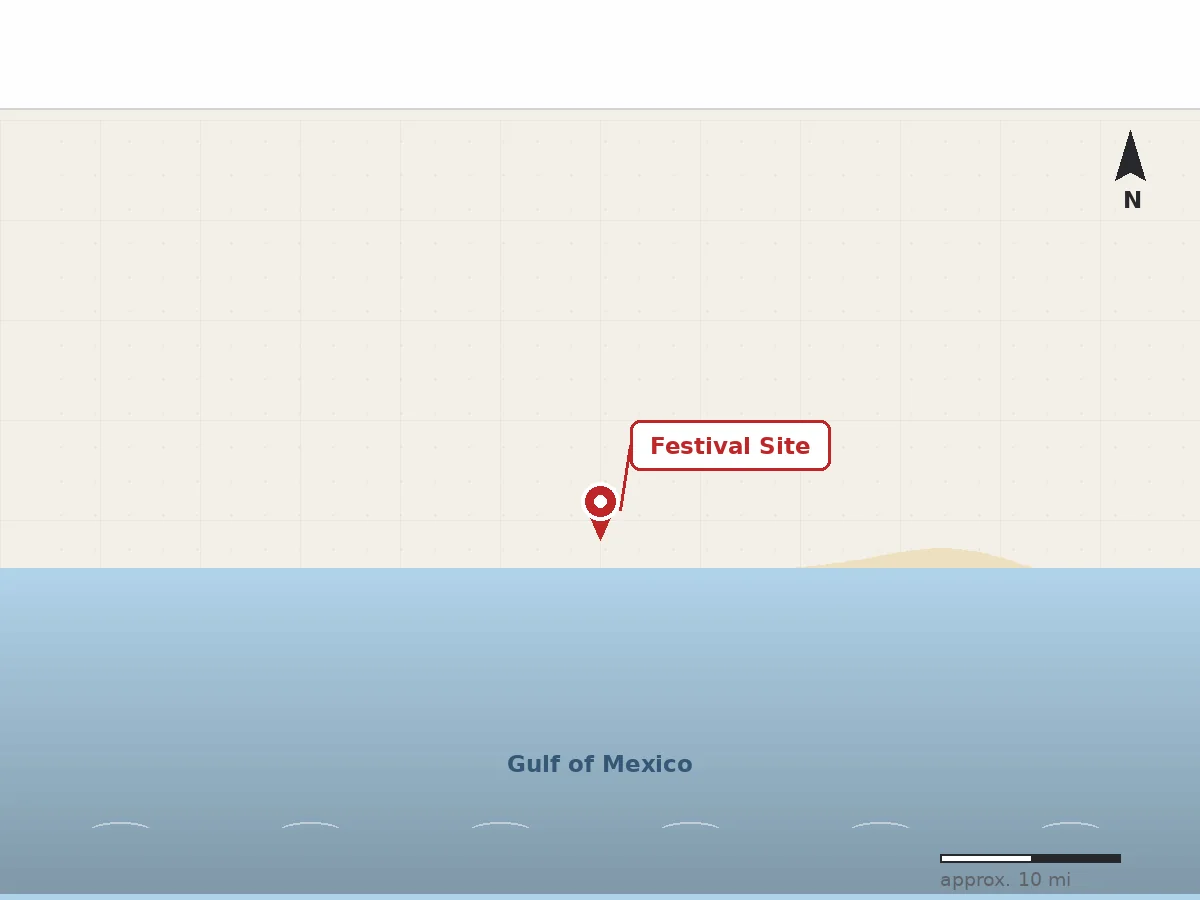
The fairgrounds sit in the Gibson County area of southwestern Indiana, with Princeton — the county seat — serving as the closest anchor town for visitors arriving from Evansville, Vincennes, or the Wabash River corridor.
Gibson County Fair Answers for Returning Visitors
Is the Gibson County Fair free to attend?
Admission to the fairgrounds is generally free. Individual attractions are not: carnival rides, grandstand events, games, and food all carry their own costs, and local groups run raffles and fundraisers throughout the week. Budget for the midway rather than the gate.
When is the Gibson County Fair usually held?
The fair falls in the summer, in most years during July, following the rhythm of Indiana’s county fair season. Because the exact week shifts from year to year, check the current schedule before you plan travel or request time off.
Is the fair a good outing for young children?
Yes, particularly in the late afternoon and early evening. The livestock barns and exhibit halls are free, walkable, and genuinely interesting to kids, and the midway is manageable before the night crowd arrives. Strollers work fine on the main paths but struggle in the gravel lots and barn aisles.
How much time should I set aside for a visit?
One evening is enough for a first impression; a full day is enough to see the exhibits, the shows, and the grandstand. Returning visitors tend to come two or three nights, which is the honest answer to how long the fair actually takes.
The Future of the Gibson County Fair
County fairs everywhere are navigating the same pressures: rising costs, volunteer shortages, and a generation of families with less direct connection to farming. Gibson County’s fair has an advantage in that its agricultural core is still real rather than reenacted, and the fair remains a genuine meeting point for a county of 33,011 people. The likeliest future is the one most fairs are already living — a tighter schedule, more weight on the grandstand and the midway, and continued dependence on the volunteers and local groups who keep the gates open. For the returning visitor, that means the fair will keep changing around the edges while the center holds.
Last updated: October 2026
Go once and you will see a county fair. Go a few times and you will see a county. That is the difference the Gibson County Fair trades in, and it is why the people who grew up around Princeton keep finding their way back to the fairgrounds every July, year after year.
One Comment