Suffolk Massachusetts Boston August Moon Festival
On one Sunday each August, the streets of Boston’s Chinatown close to ordinary traffic and fill with drums, dancers and food stalls for a harvest celebration with roots far older than the city itself. The gathering is organised by the Chinese Consolidated Benevolent Association of New England and stands as one of the neighbourhood’s signature public occasions, drawing residents and visitors into a compact few blocks between Harrison Avenue and Beach Street. Boston is the seat of Suffolk County, and Chinatown sits close to the downtown core, which gives the day a distinctly urban character: a village-style harvest festival staged on city pavement, framed by restaurant signs, apartment blocks and the everyday commerce of one of Boston’s most historic ethnic neighbourhoods.
About
Anyone searching for the festival under the sheet title’s exact wording should know that the organiser’s own layers print different name forms. The layers read use “Chinatown August Moon Festival”, “August Moon Festival” and “Boston Chinatown August Moon Festival”, kept here exactly as printed and never blended into one another. The plain string “Boston August Moon Festival” is not the form the organiser’s materials use, and the full county-and-state sheet title appears in no layer at all. The event is, in substance, Chinatown’s August Moon celebration: a single-day street festival marking the end of the harvest season, a moment that layers describe as the second greatest occasion in the Chinese festival calendar after the Chinese New Year.
The organising body is printed in listing and event layers under its full name, the Chinese Consolidated Benevolent Association of New England; event layers sometimes shorten that name to its initials, and both forms are recorded here as they appear rather than merged. City traffic-advisory layers document the festival in Chinatown on Sunday 11 August 2024 and again, under the Chinatown name form, on Sunday 10 August 2025. A weekend-guide layer covering the 2025 gathering gives hours of ten in the morning to five in the afternoon along the Harrison and Beach corridor. For 2026, a listing layer sets the date as Sunday 9 August 2026, again from ten in the morning until five in the afternoon, spread across Chinatown streets. An organiser web address exists in the listing layers and serves as the public point of reference for the day, though its address is not reproduced here.
One wrinkle in the record deserves plain statement. A weekend-guide layer bills the 2025 edition as the fifty-fifth, yet for 2026 one layer also says fifty-fifth while a narrative layer says fifty-sixth. The counts cannot all be right, the layers offer no reconciliation, and this article leaves each billing attached to the layer that printed it rather than picking a winner.
Quick Facts
| Item | Detail |
| Published name forms | Chinatown August Moon Festival; August Moon Festival; Boston Chinatown August Moon Festival |
| Host city | Boston, seat of Suffolk County |
| Neighbourhood | Chinatown |
| Setting | Chinatown streets, chiefly the Harrison Avenue and Beach Street corridor |
| Main stage | Phillips Square, per one listing layer |
| Organiser | Chinese Consolidated Benevolent Association of New England |
| Documented recent dates | Sunday 11 August 2024; Sunday 10 August 2025; Sunday 9 August 2026 |
| Hours in recent layers | Ten in the morning to five in the afternoon |
| Admission position | Free in the 2025 weekend-guide layer and a 2026 narrative layer |
| Edition billing | Fifty-fifth and fifty-sixth both appear in 2026 layers, unresolved |
History
Behind the Boston street festival stands the Mid-Autumn Festival, a harvest tradition that layers describe as more than three thousand years old. In the lunar reckoning the celebration falls on the fifteenth day of the eighth lunar month, when the moon is taken to be at its fullest and brightest, and families gather to give thanks for the harvest under it. Boston’s version keeps the spirit of that occasion while deliberately stepping away from its calendar position: local layers note that the Chinatown celebration is held in August rather than on the lunar date itself, trading astronomical precision for a summer Sunday when the whole neighbourhood can turn out.
For a useful comparison, see the Suffolk Massachusetts Fisherman’s Feast Festival for another county festival.
How long Chinatown has kept the custom is a point on which the layers are broad rather than exact. They agree that the Boston celebration has run for more than fifty years, but no layer consulted records a founding meeting, a founding act or a named founder. A single narrative layer, written in a personal blog style, says the celebration has happened in the neighbourhood in some form since 1970. Because that claim rests on one comparatively weak source, it belongs to that layer alone and is not promoted here into settled fact; the safer statement, supported across the layers generally, is simply the half-century span itself.
The shifting edition numbers belong to this same uncertain territory. If the weekend-guide billing of a fifty-fifth edition in 2025 were followed mechanically, the 2026 gathering would be the fifty-sixth, and one narrative layer does call it exactly that. Another 2026 layer, however, repeats fifty-fifth. Rather than silently correcting one source against another, the honest course is to report that the numbering in print is inconsistent and to let the dated editions — 2024, 2025 and 2026, each fixed by city and listing layers — carry the chronology.
What to Expect
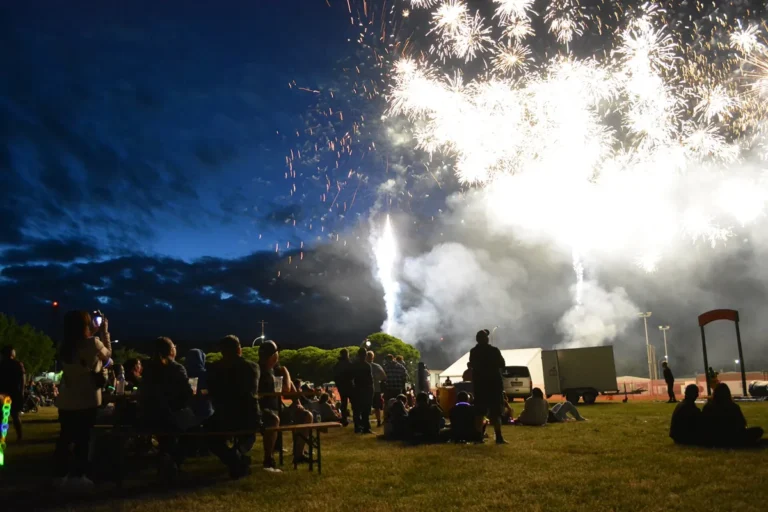
Colour and noise arrive first. The programme layers describe a lion dance at the heart of the day, although one city layer prints the performance as “dragon dances” instead, and both wordings are left standing as their layers give them. A main stage, placed at Phillips Square in one listing layer, anchors a rolling programme of Asian folk dances performed on stage, and Chinese opera features among the documented entertainments. The 2026 listing layer adds martial arts to the bill, widening a lineup that mixes classical forms with crowd-pleasing spectacle.
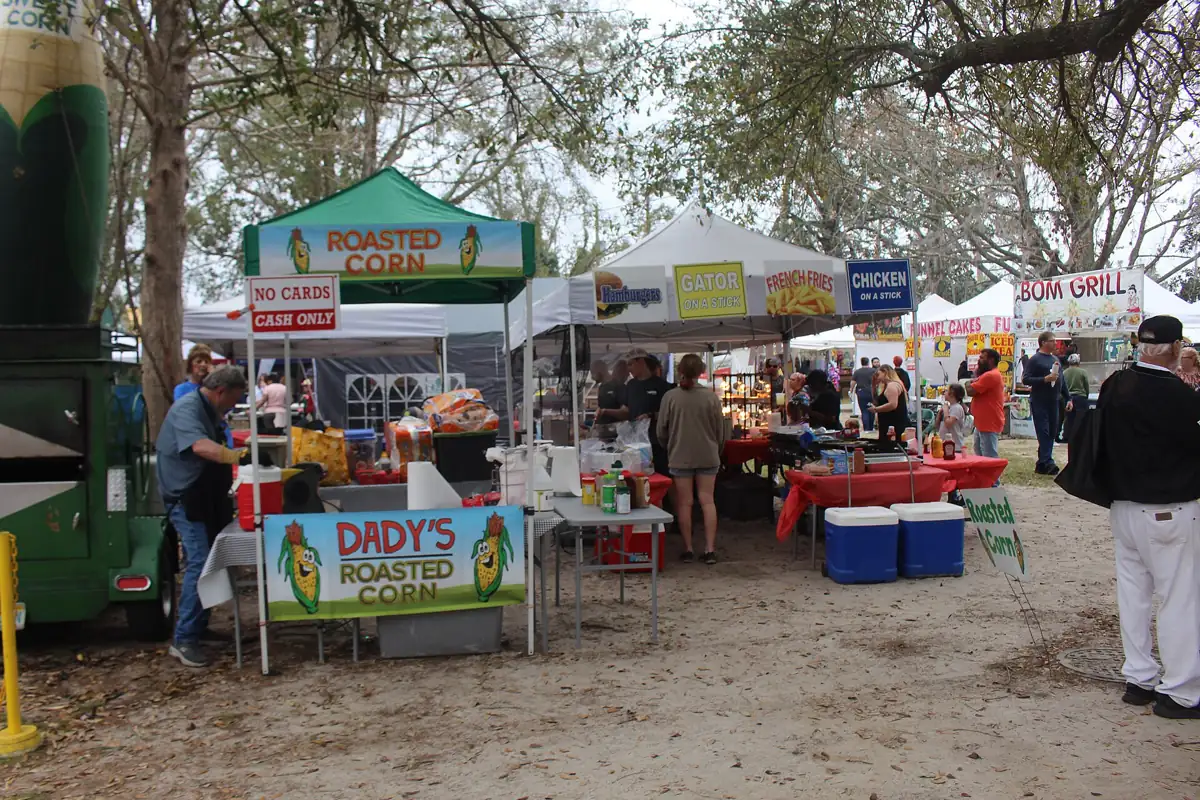
Around the performances, the streets carry rows of vendors selling food, gifts and crafts, so the festival doubles as an open-air market threaded through the performance spaces. The precise street set is not identical in every layer: most print the Harrison Avenue and Beach Street corridor, while one listing layer extends the footprint to Tyler, Hudson and Oxford streets as well. That variation is best read as the footprint breathing a little from year to year rather than as a contradiction, and visitors should picture a neighbourhood-scale event rather than a single fenced ground. Underneath the entertainment sits the occasion’s older meaning: a communal thanksgiving for the harvest, transplanted from the lunar calendar into a Boston summer.
The day’s texture comes from the contrast between its parts. Opera singing and folk dance belong to a formal stage tradition, presented here within arm’s reach of shoppers carrying bags from the craft stalls. Performers range across generations, with community troupes sharing the bill, and the crowd is a mixture of neighbourhood families who plan their summer around the date and passers-by who simply follow the drumming. Nothing is fenced off or seated, so the audience continually reshapes itself, gathering thickly for the lion dance and thinning again as people drift toward the food vendors.
Planning Your Visit
Timing is the simplest part of the day to arrange. Recent layers agree on a Sunday running from ten in the morning to five in the afternoon, so the whole festival fits inside a single unhurried outing with no need for an overnight stay on its account. Arriving near the opening hour gives the clearest view of the lion dance and the early stage programme before the vendor lanes thicken, while the middle of the day suits browsers who want the market stalls at their fullest.
Because the festival occupies working city streets, the city issues traffic advisories for it, and drivers should assume closures and diversions around Chinatown and plan to arrive on foot or by public transport instead. The neighbourhood’s restaurants make lunch an easy decision, though festival food vendors offer the more atmospheric option and queues at both are part of the experience. Anyone wanting certainty about a particular year’s date, hours or street plan should check the organiser’s listing in advance, since the layers show details such as the street set and even the edition number varying between publications. Comfortable shoes, a layer for shade-free pavement in August heat, and small notes and coins for stall purchases will cover most practical needs.
A Sample Day at the Festival
Begin at ten in the morning near Phillips Square, where the main stage stood in the listing layer, and catch an early folk dance set as the streets fill. Follow the sound of the drums when the lion dance moves through the corridor, then drift along Harrison Avenue and Beach Street while the gift and craft stalls are still easy to browse. Let lunch come from the food vendors, eaten standing or perched wherever space allows, in the manner of street festivals everywhere.
Give the early afternoon to the stage programme again — Chinese opera or, in the 2026 listing, martial arts — and the later afternoon to a slower second pass through the market lanes on Tyler, Hudson and Oxford streets if that year’s footprint reaches them. Finish by five in the afternoon, when the documented hours end, with the option of staying in the neighbourhood for an evening meal after the festival itself winds down.
How It Compares
Chinatown hosts several festivals across the year, and the August Moon gathering should not be confused with its neighbours on the calendar. The Chinatown Main Street Summer Festival takes place in July, Films at the Gate brings cinema to the neighbourhood, and the Mid-Autumn Lantern Festival belongs to the fall; each is a separate event with its own organisers and character, and none of them is this harvest celebration. General festival layers that tabulate lunar dates are describing the astronomical full moon and the traditional calendar, not the scheduled date of Boston’s street festival, which the city’s own layers fix on an August Sunday.
A second point of possible confusion lies just outside the city. Quincy holds its own August Moon celebration on a following Sunday, and although the two share a name, a season and a cultural root, the Quincy edition is a different city’s event, separately organised and separately attended. Keeping the two apart matters for anyone using listings to plan: the Boston celebration documented here is the Chinatown one, anchored to the Harrison Avenue and Beach Street corridor.
Checklist
- Comfortable walking shoes for a day spent on pavement
- Sun protection and water for August heat on exposed streets
- Small notes and coins for food, gift and craft stalls
- A bag for market purchases
- A camera or phone for the lion dance and stage performances
- A note of the date and hours from a current listing before travelling
- A plan to arrive on foot or by public transport rather than by car
- Curiosity about dishes and crafts you have not tried before
Beyond the Festival
The festival rewards those who treat Chinatown itself as part of the outing. The neighbourhood’s bakeries, groceries and restaurants line the same streets the festival uses, and exploring them before or after the formal hours extends the day naturally. The wider downtown is a short walk away, with Boston Common and the waterfront both within reach for anyone combining the festival with broader sightseeing. Visitors with an interest in the city’s festival calendar more generally will find that Boston marks the turning seasons with gatherings in many neighbourhoods, of which this August occasion is among the most rooted in a single community’s traditions.
Why It Matters
For Boston’s Chinese community, the celebration carries the harvest thanksgiving of the Mid-Autumn tradition into a public, shared space, staging folk dance, opera and lion dance where anyone passing can stop and watch. Its persistence across more than fifty years, as the layers broadly agree, makes it one of the neighbourhood’s longest-running assertions of cultural presence in the city. The festival also performs a quieter service: by occupying ordinary streets rather than a ticketed ground, it invites the rest of Boston into Chinatown as guests, and it passes performance traditions to younger participants in front of a live audience rather than in a classroom. That combination of antiquity and accessibility is what gives an August Sunday in Chinatown its weight.
Frequently Asked Questions
What name do the organiser’s own listings use for the celebration?
The organiser’s layers print “Chinatown August Moon Festival” most directly, with “August Moon Festival” and “Boston Chinatown August Moon Festival” also in use. The full sheet title, and even the plain string “Boston August Moon Festival”, do not appear as printed forms in the layers read, so the Chinatown forms are the ones to search for in listings.
Which streets does the celebration take over?
Most layers print the Harrison Avenue and Beach Street corridor as the festival’s ground. One listing layer adds Tyler, Hudson and Oxford streets and places a main stage at Phillips Square; the street sets are reported as printed and are not merged into a single fixed map.
Why is a Mid-Autumn celebration held in August?
The traditional festival falls on the fifteenth day of the eighth lunar month, but Boston layers note that the local celebration is deliberately held in August instead. The move keeps the harvest meaning of the occasion while placing it on a summer Sunday in the city.
Is the Quincy celebration the same event?
No. Quincy holds a separate August Moon celebration on a following Sunday, organised in that city for its own community. The Boston festival documented here is the Chinatown event in Suffolk County.
What to Expect From the Next Suffolk Massachusetts Boston August Moon Festival
How often is Suffolk Massachusetts Boston August Moon Festival held?
The documented pattern is a single Sunday in August each year, with city and listing layers recording editions on 11 August 2024, 10 August 2025 and 9 August 2026. Each of those gatherings ran as a one-day street festival in Chinatown.
When is the next Suffolk Massachusetts Boston August Moon Festival?
The listings gathered for this article end with the edition of Sunday 9 August 2026. Following the pattern those layers document, the celebration would be expected back on a Sunday in the following August, most likely in the earlier part of the month, and the association’s own announcements are the place to confirm the chosen day once it is set.
Will the dates change?
The exact Sunday already moves from year to year — the eleventh, then the tenth, then the ninth of August across the three documented editions — so a further small shift should surprise nobody. The August placement itself, by contrast, is a settled local choice rather than a drift toward the lunar date, and the ten-to-five hours have held steady in the recent layers.
Taken as a whole, the record describes a durable, neighbourhood-owned harvest festival: ancient in its roots, flexible in its details, and firmly planted in the streets of Boston’s Chinatown.