Somerset County Maryland National Hard Crab Derby Festival
National Hard Crab Derby Essentials for Somerset County Visitors
The National Hard Crab Derby is the weekend that puts Somerset County’s waterfront culture on full display at the end of every summer. It is a festival built around a single, wonderfully odd idea — racing hard-shell crabs — and it is staged in a county that is far larger than most visitors expect. Somerset County covers 610.35 square miles of land on Maryland’s Eastern Shore, so the smartest approach is to treat the Derby as the anchor of a short trip rather than a stop squeezed between two others. Here is the practical picture before you book anything.
| Town / area | Somerset County, Maryland |
| County | Somerset County |
| County seat | Princess Anne |
| Population | 24,620 (county-wide) |
| Region | Maryland’s Eastern Shore |
| Typical timing | Late summer, across a weekend |
| Admission | Typically free to enter the festival grounds; food, drinks, and some activities are pay-as-you-go |
| Setting | Waterfront festival grounds in Somerset County |
| Features | Crab races, steamed crabs and seafood, live music, family activities |
| Organizer | Local civic and community organizations in Somerset County |
What the National Hard Crab Derby Actually Is
Strip away the branding and the National Hard Crab Derby is a simple idea executed with real local pride: hard-shell crabs, placed in lanes, racing toward a finish line while a crowd shouts them home. Heats run through the day, the winners advance, and by the end of the weekend there is a champion that nobody will remember the name of but everybody will talk about.
Around that centerpiece sits a full festival footprint. Food vendors work through bushels of crabs, stages run live music from midday into the evening, craft sellers line the walkways, and families claim patches of shade with folding chairs. It is part county fair, part seafood harvest celebration, and part reunion for people who have made the Derby part of their late-summer routine for years.
The setting does a lot of the work. Somerset County is a working-waterfront county, and the Derby reflects that rather than smoothing it over. Expect the smell of steamed seafood drifting across the grounds, the clatter of a crowd pressed against the race lanes, and a schedule that builds slowly in the morning and peaks in the afternoon.
One logistics note that saves a lot of frustration: the grounds fill and empty in waves. Arriving early, eating before the lunch crush, and staying into the evening when the music takes over is a far better plan than showing up at peak hour and hunting for a parking space while the races are already running.

How Crabbing Culture Built the Somerset County Derby
Somerset County was founded on August 22, 1666, and named for Mary. For most of the centuries since, the water has been the economy here — oystering, fishing, and above all crabbing, the trade that gave the county its rhythms and its vocabulary.
The Derby grew out of that world. A community that already organized its year around crab season took a working-waterfront skill and turned it into a spectator sport, then built a festival around the spectacle. The race is the hook, but the gathering around it is really a harvest-season celebration with music, food, and a reason for scattered families to come home for a weekend.
Over the decades it became the kind of tradition that pulls people in from across the Eastern Shore and well beyond it. In a county of 24,620 people, a festival of this scale visibly changes the rhythm of the place: restaurants book up, parking fills early, and the county seat at Princess Anne sees traffic it does not see on an ordinary weekend.
On the Ground: Food, Music, and Family Draws
Knowing what the festival actually feels like hour to hour makes the planning easier. The short version: mornings are calm, afternoons are loud, and evenings belong to whoever is on stage.
Steamed Crabs and Eastern Shore Food Stalls
Food is the second attraction here, and it is unapologetically regional. Expect steamed hard-shell crabs sold by the dozen, crab cakes, crab soup, fried seafood, and the usual festival standbys for anyone in the group who does not eat shellfish. Lines build sharply between late morning and early afternoon, so an early lunch is the single best move you can make. Vendor pricing varies by market and by year, and while many sellers take cards, a cash backup is still worth carrying.
Live Music and Waterfront Entertainment
Music runs throughout the weekend, typically with local and regional acts during the day and a headlining set in the evening. Seating is limited and mostly informal, so bring a folding chair or a blanket if you plan to park yourself in front of a stage. The exact lineup shifts from year to year, which is one more reason to check local listings a week or two before you go.
Family Activities Beyond the Main Race
The Derby is genuinely family-friendly rather than merely tolerating children. Games, crafts, and hands-on activities give kids something to do between race heats, and the grounds are flat enough for strollers. The main hazards are heat and sun exposure, not crowds — shade is scarce, water is essential, and a mid-afternoon break back at the car or the hotel resets everyone for the evening.
Planning the Trip: Somerset County Access and Costs
Driving Into Somerset County
Almost everyone arrives by car. The county sits on Maryland’s Eastern Shore, reached via the Route 13 corridor and the state routes that feed off it toward the waterfront. From the Baltimore and Washington area, plan on a multi-hour drive; from Salisbury or the Delaware beach towns, it is a much shorter run. Summer weekend traffic on the bridges and highways can add meaningful time, so build in a buffer rather than cutting it close.
Where to Stay Near Princess Anne and the Waterfront
Lodging inventory in a rural county of 24,620 people is limited, and Derby weekend is one of the busiest of the year. Book early. Options tend to fall into three buckets: small inns and bed-and-breakfasts, highway motels a short drive out, and vacation rentals near the water. Princess Anne, the county seat, is a sensible base if you want a central position and a quieter night, while staying closer to the waterfront trades calm for convenience.
Parking Without the Late-Summer Scramble
Parking is a mix of designated lots and street or field parking, usually with volunteers directing traffic. Arrive before mid-morning and you will walk a few minutes; arrive at noon and you may walk considerably further. Carry cash for any collection, note the row or landmark where you parked, and accept that a cooler and a comfortable pair of shoes are part of the deal.
Admission, Costs, and Cash Versus Card
Entry to the festival grounds is typically free, with costs concentrated in food, drinks, merchandise, and select activities. That makes the Derby an easy day out for a family on a budget, provided you set a spending ceiling before you arrive. Bring more cash than you think you need — some vendors are cash-only, and ATMs at a busy festival are never a pleasant experience.
Late-Summer Weather on Maryland’s Eastern Shore
Expect heat and humidity, with afternoon thunderstorms a real possibility on the Eastern Shore in late summer. Sunscreen, hats, and refillable water bottles are not optional. Rain can delay racing and push music schedules around, so treat the posted times as flexible. Evenings near the water cool off noticeably, so a light layer is worth packing.
A Sample Derby Weekend, Friday Through Sunday
Friday. Arrive in the late afternoon, check in, and eat dinner at a local seafood spot before the weekend crowds arrive. If any grounds programming is open in the evening, walk it to get your bearings, then turn in early.
Saturday. This is the big day. Eat breakfast early, reach the grounds by mid-morning, and catch the first race heats while the crowd is thin. Eat lunch before noon. Spend the afternoon on music and vendor browsing, then stay for the evening headliner before heading out to dinner.
Sunday. Start slower. Return to the grounds for a second pass at food and crafts, take a side drive through the county’s farmland and waterfront roads, and aim to be on the highway before the evening rush builds.
Day-trippers’ version. Skip Friday entirely. Leave early, arrive by mid-morning, watch the races through the early afternoon, eat before the crush, and be back on the road by late afternoon — a full, satisfying visit without a hotel bill.
How the Derby Compares With Nearby Eastern Shore Options
A day in Princess Anne, the county seat, is the quiet counterpoint: historic streets, a slower pace, and none of the festival traffic. If you want a calm morning before an afternoon at the races, that is the pairing to make.
Larger seafood festivals in neighboring counties tend to be more commercial, with bigger vendor rosters and longer walks from parking. The Derby feels smaller and more locally rooted by comparison, which is exactly why many regulars prefer it.
Beach-town events further east offer boardwalk entertainment and ocean access, but at resort prices and with far heavier summer congestion. The Derby is cheaper, easier to navigate, and more specifically about the place it is held in.
The Somerset County Derby Checklist
Book lodging first, because it is the constraint that decides everything else. Confirm the current year’s dates through local listings, then lock in your travel window around them.
Pack for heat: sunscreen, hats, refillable water bottles, a light rain layer, and comfortable walking shoes. Bring folding chairs or a blanket for stage seating, a cooler if you plan to tailgate, and cash on top of your cards.
Plan your arrival for mid-morning and your main meal for before noon. Note your parking location, keep the group’s phones charged, and set a meeting point in case the grounds get crowded. If you are traveling with kids or older adults, build in one midday break away from the sun.
Beyond the Festival: Somerset County the Rest of the Year
Somerset County rewards anyone willing to linger. Founded on August 22, 1666, and named for Mary, it is one of Maryland’s older counties, and its 610.35 square miles are mostly farmland, marsh, and tidal water threaded with small towns. Princess Anne, the county seat, anchors the northern end with a compact historic core.
Away from festival weekend, the appeal is quieter: back-road drives past working farms, boat launches and fishing piers, birding along the marshes, and seafood shacks where the crab cakes are made by people who have been doing it their whole lives. With a population of 24,620 spread across that much land, you will rarely find yourself in a crowd.
The Derby’s Place in Somerset County’s Waterfront Identity
In a county this size, a festival that pulls in outside visitors is not just entertainment — it is an economic event. Vendors, restaurants, motels, and volunteer organizations all get a lift from the weekend, and the money circulates locally in a way that larger corporate events rarely manage.
Just as importantly, the Derby keeps a working-waterfront culture visible to people who might otherwise never think about where their seafood comes from. It teaches kids that crabbing is a trade and a tradition, not just a menu item, and it gives the county one weekend a year when the rest of the region looks its way.
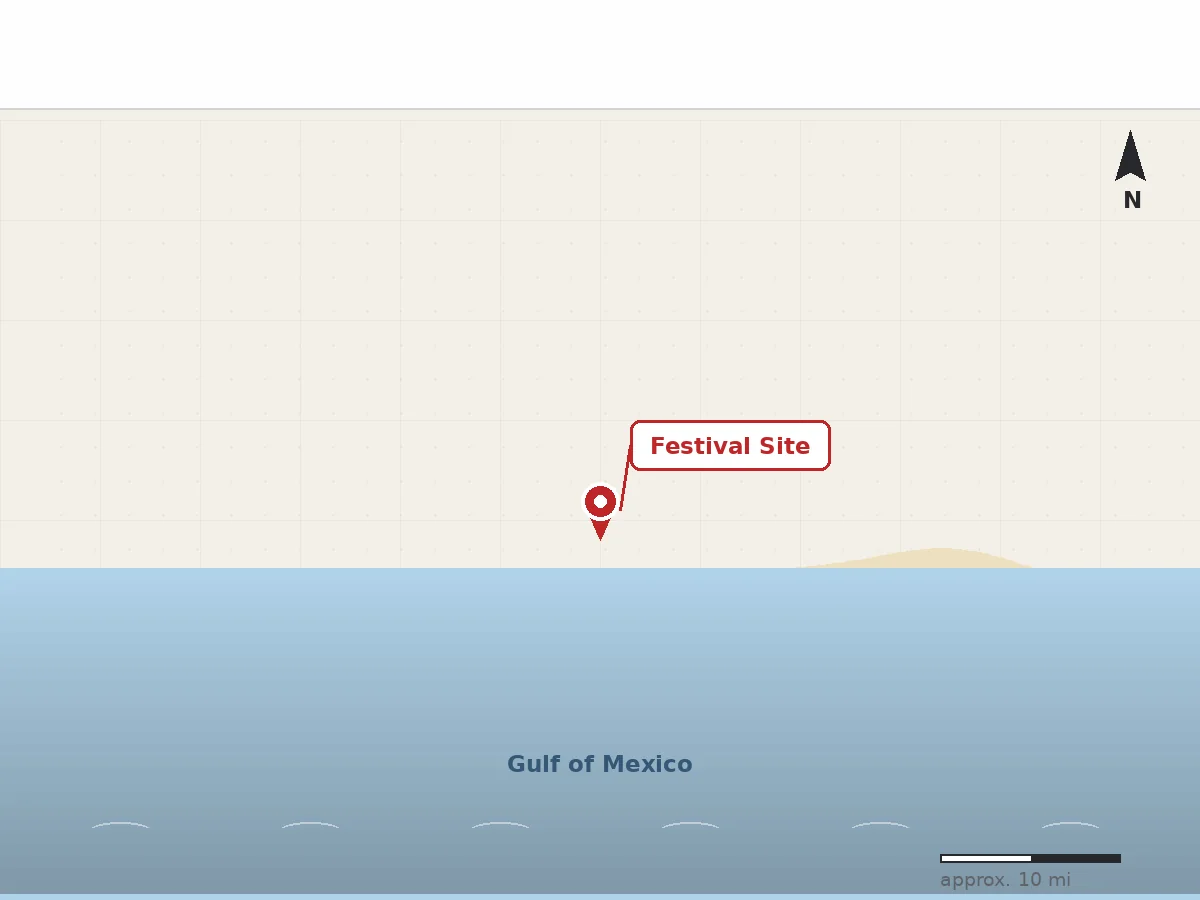
Where the National Hard Crab Derby Sits in Somerset County
The National Hard Crab Derby takes place on the Somerset County waterfront in Maryland’s Eastern Shore, within a short drive of the county seat at Princess Anne.
Hard Crab Derby Answers for First-Time Visitors
Is the National Hard Crab Derby free to attend?
Entry to the festival grounds is typically free, and that is the model most visitors should plan around. You pay for what you consume: food, drinks, merchandise, and certain activities. Budget for those, carry cash as a backup, and the weekend stays inexpensive compared with most summer destinations on the Eastern Shore.
Can visitors take part in the crab races?
Racing is organized by the festival’s local organizers, who manage entrants and heats, so the default visitor experience is watching and cheering rather than competing. If you are interested in participating or sponsoring, ask early — the best route is to contact the organizers ahead of the weekend rather than showing up and hoping.
When should I plan my trip?
The Derby is held in late summer, across a weekend, and the calendar shifts from year to year. Confirm the current dates through local listings before you book lodging, then work backward: lodging first, travel second, daily schedule last. Because the county’s room inventory is small, waiting until a few weeks out is the most common planning mistake.
Is the festival a good fit for young children and older visitors?
Yes, with preparation. The grounds are generally flat and walkable, and there is family programming throughout the weekend. The real challenges are heat, sun, and walking distance from parking, so bring water, shade, and a plan for a midday break. Arriving early helps everyone in the group enjoy the day more.
What’s Ahead for the National Hard Crab Derby
The Derby’s future is tied to two things it cannot control: the health of the crab fishery and the willingness of local volunteers to keep showing up. What it can control is the visitor experience, and the trend line there is steady — more attention to crowd flow, parking, shade, and family programming, alongside a stubborn commitment to keeping the festival local rather than handing it over to outside operators.
For travelers, that means the fundamentals are unlikely to change: a late-summer weekend, free grounds admission, seafood worth the drive, and a county that empties its calendar to make room for crab races. Plan early, arrive early, and eat early.
Last updated: October 2026
Get the heat, the parking, and the meal rush right, and the National Hard Crab Derby delivers something increasingly rare: a festival that still belongs to the place it celebrates, run by the people who live there, in a county of 24,620 that briefly becomes the center of the Eastern Shore.