Norfolk County Massachusetts Quincy August Moon Festival

Every August, Quincy — the largest city in Norfolk County, Massachusetts — hands its downtown over to the August Moon. Rooted in the Mid-Autumn harvest tradition celebrated across East and Southeast Asia, the festival fills the streets with lanterns, mooncakes, lion dancers, and night-market cooking. For one weekend, the county’s most urban corner becomes its most communal one.
What sets the Quincy August Moon apart is less its size than its rhythm. Residents don’t treat it as a novelty; they treat it as a fixture, the way other families treat the Fourth of July. Regulars have habits — the aunt who claims a shaded table by mid-afternoon, the teenager who vanishes toward the bubble tea line, the grandfather who insists on arriving before the first drum. Repeat those habits across a few thousand households and you get something no single organizer could manufacture.
This guide covers what the weekend actually feels like, how to plan around it, and why a county founded in 1793 now counts a moon festival among its signature summer gatherings.
Quincy August Moon Basics: Season, Setting, and Cost
Before the details, here is the short version — the facts that matter when you are deciding whether to build a weekend around it.
| Town / place | Quincy, in the Norfolk County area of Massachusetts |
| County | Norfolk County, founded 1793, with roughly 444 square miles of land |
| County seat | Dedham |
| Population | Quincy is the largest city in Norfolk County, with a dense and diverse urban population |
| Region | Greater Boston, just south of the city and close to the harbor |
| Typical timing | A weekend in August in most years, during the August Moon and Mid-Autumn season |
| Admission | Free to attend; food, drinks, and vendor goods are sold on site |
| Setting | Downtown Quincy, with streets closed to traffic for stages, stalls, and lantern displays |
| Signature features | Mooncakes, Asian street food, lion and dragon dances, lanterns, crafts, and live performances |
| Organizer | Local Asian-American cultural and community organizations working with city and civic partners |
Why Quincy Gives Its Streets to the August Moon
The August Moon — widely known as the Mid-Autumn Festival — is a harvest celebration timed to the fullest moon of the late-summer season. In Quincy it arrives as a street festival: food stalls, performance stages, craft tables, and lanterns strung above the sidewalks, all packed into the city’s downtown core.
The crowd is the story. Quincy’s neighborhoods — Wollaston, North Quincy, Quincy Center, Houghs Neck, Marina Bay — send families who have folded the festival into their August for years, alongside neighbors from Braintree, Milton, Weymouth, and Boston who come because the food is good and the evening is warm. Chinese, Vietnamese, Korean, and other Asian-American households anchor the programming, but the audience belongs to the whole county.
One longtime Wollaston resident describes her routine simply: arrive in the late afternoon, eat standing up, then stay for the drums once the light drops. She is not alone in that pattern. Ask around and you will hear versions of it from people who have never bought a mooncake and from people who buy them by the box.
A Harvest Tradition That Found a Home in Norfolk County
Norfolk County was incorporated in 1793, with Dedham as its county seat — a stretch of roughly 444 square miles running from the Blue Hills to the coastline. For most of its history, its civic calendar revolved around town meetings, agricultural fairs, and colonial anniversaries. The August Moon is a newer layer laid over that old ground.
The Mid-Autumn Festival itself is centuries old. Traditionally it marks the close of the harvest, a night for moon viewing, lanterns, mooncakes, and family reunions. It traveled to Massachusetts the way most traditions do — inside families, carried across oceans and generations, then practiced at kitchen tables before it was ever practiced in public.
In Quincy, the celebration took on a public shape as the city’s Asian-American population grew through the late twentieth century. What began as gatherings among community groups and neighbors — food, performances, a handful of tables — gradually widened into a street-scale event with stages, vendors, and city cooperation. The details shifted from year to year, but the anchor held: a late-summer evening, a full moon, and a table of food shared with whoever shows up.
Residents tend to describe that growth in personal terms rather than historical ones. “It used to be that you knew everyone at the stalls,” one North Quincy father says. “Now you know maybe half. That isn’t a complaint — that’s what it looks like when a neighborhood tradition gets big enough to become a county one.”
What a Quincy August Moon Weekend Actually Feels Like
Mooncakes, Skewers, and the Longest Lines
Food is the spine of the weekend. Mooncakes — dense, round pastries filled with lotus seed paste and often a salted egg yolk — appear in boxes at vendor tables, cut into quarters and shared. Around them you will find grilled skewers, dumplings, noodle bowls, bubble tea, shaved ice, and the kind of food that is best eaten standing up with a napkin in one hand.
Expect the longest waits at whatever is being cooked fresh and in small batches. Locals plan around this: eat early, before the dinner rush, or wait until the crowd thins near the end of the evening. Cash and cards both circulate, but a little cash still makes small stalls move faster.
Drums, Lion Dances, and the Evening Stage
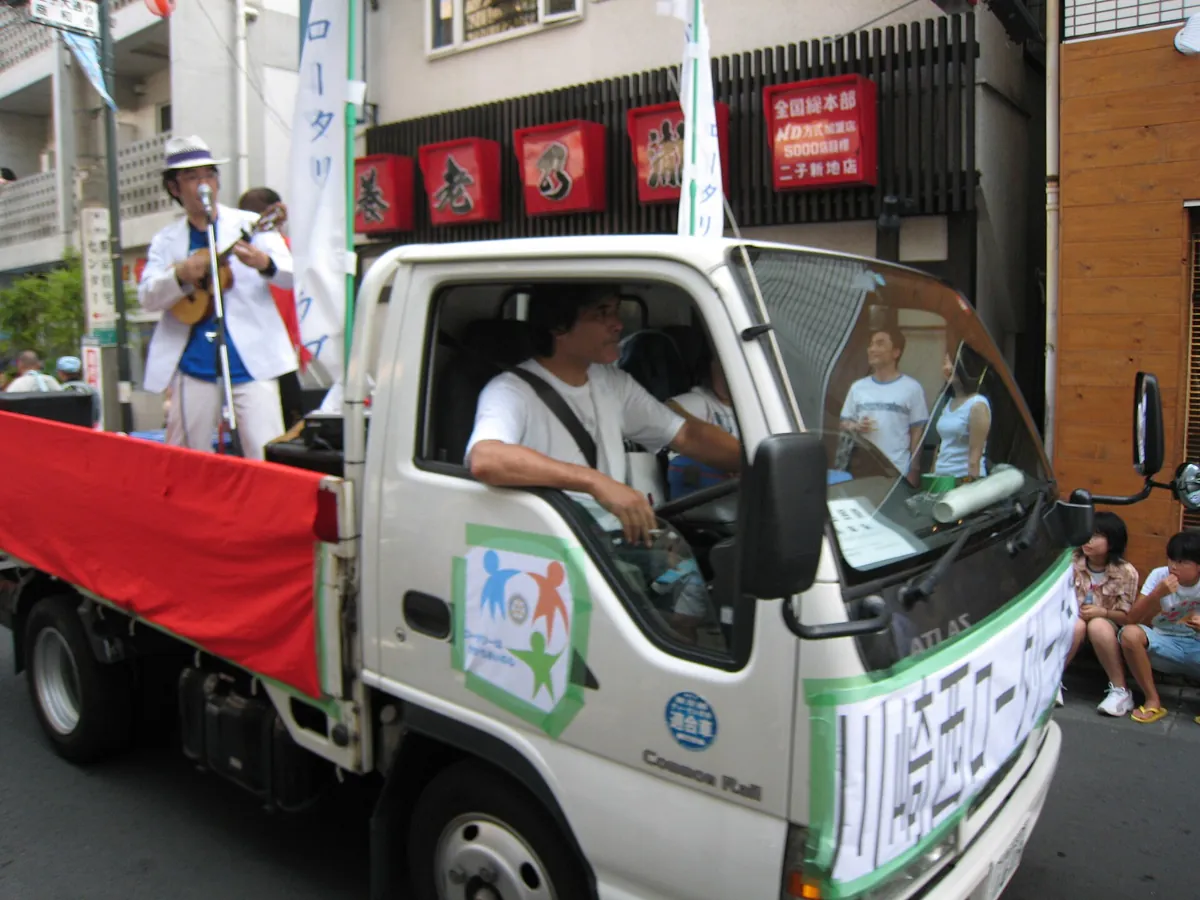
Lion dance troupes are the festival’s loudest tradition and its most photographed. The drumming announces itself blocks away, and crowds part to let the lions through — a performance that works as choreography, acrobatics, and neighborhood parade all at once. Dragon dances, martial arts demonstrations, folk dance groups, and musicians fill the stages between them.
The mood changes with the light. Afternoon sets lean toward families and casual browsing; once the lanterns come on, the street becomes an evening crowd that lingers. Residents who have attended for decades say the same thing: come for the food, stay for the dark.
Things for Kids to Do (and Get Sticky)
Children are everywhere at this festival, which is part of its character. Expect craft tables where kids decorate lanterns, calligraphy demonstrations, face painting, and small games organized by community groups. Sticky rice, sweet drinks, and melting desserts are a predictable outcome.
Parents tend to set a meeting point early, because the crowd is dense and the streets close down to foot traffic only. Strollers work, but they are easier to manage in the late afternoon than at the peak of the evening.
Planning a Quincy Weekend Around the August Moon
Getting to Quincy With or Without a Car
Quincy is served by several Red Line stations, which makes the festival one of the easiest large events in Greater Boston to reach without driving. From downtown Boston, the ride is short. Buses and commuter options connect the surrounding Norfolk County towns as well.
By car, Quincy sits along the major southbound routes out of Boston. Traffic on festival weekend concentrates near the downtown core, so plan to arrive earlier than you think you need to and walk the last few blocks.
Where to Sleep in and Around Norfolk County
Lodging clusters around Quincy Center and North Quincy, with more options along the Boston line and in neighboring towns. August is a busy month in Greater Boston, so booking well ahead is wise. Visitors who cannot find a room in Quincy often stay in Boston and take the train down.
Parking Realities Near the Festival Grounds
Municipal garages and lots in the downtown area are the practical choice. Street parking near the closed blocks disappears early, and residential permit rules apply in nearby neighborhoods. If you are driving, treat the garage as your destination and walk in.
What It Costs: Admission, Food, and Extras
Admission is typically free. Your spending goes to food, drinks, crafts, and small vendor goods, plus anything the kids talk you into. Performances, demonstrations, and the lantern displays are part of the free experience, which is a large part of why local families return every year.
August Weather and What to Wear
Late August in Massachusetts means heat, humidity, and the occasional afternoon thunderstorm. Dress light, bring water, and keep a compact rain layer handy. Evenings cool off enough that a light shirt or sweater helps if you plan to stay for the lantern-lit hours.
A Sample August Weekend in Quincy, Hour by Hour
Saturday, early afternoon. Arrive before the crowds thicken. Walk the vendor rows once without buying anything, note what you want, then eat. This is the best window for photos of the lanterns in daylight.
Saturday, late afternoon. Catch a lion dance set and a stage performance. Grab a shaded table if you can find one — this is the hour when families settle in with strollers and grandparents.
Saturday evening. Stay for the lights. Eat dinner from a stall, find a spot near a stage, and let the drumming carry the night. Leave via transit or walk to your garage rather than circling for street parking.
Sunday morning. Sleep in, then spend the morning away from the crowds — the Adams sites, Wollaston Beach, or a walk in the Blue Hills.
Sunday afternoon. Return to the festival for a slower pass. Vendors are often more relaxed, and the craft tables are easier for kids to reach.
Quincy vs. Nearby Late-Summer Options in Norfolk County and Boston
Boston’s Chinatown celebration. A larger, denser, more transit-driven version of the same holiday. It is a great urban festival, but it feels more like a citywide spectacle; Quincy’s version feels more like a neighborhood that invited the county over.
Dedham, the county seat. Quieter and more historic, with a walkable center and civic gatherings that are smaller in scale. If Quincy is the county’s biggest party, Dedham is its oldest main street.
Milton and the Blue Hills. Not a festival at all, but the natural counterweight — trails, skyline views, and a cool-weather escape if the August heat gets to you. Many visitors pair a festival evening with a morning hike here.
Your Quincy August Moon Prep List
Charge your phone and bring a small battery pack — you will take more photos than expected, and the crowd makes meeting up harder than it sounds.
Carry water, a light rain layer, and sunscreen. Wear shoes you can stand in for hours; the streets are closed to cars, not to walking.
Bring some cash for small vendors, a tote for anything you buy, and a plan for where your group meets if you split up. Set the meeting point before you arrive, not after.
Decide your exit strategy early — transit, garage, or a walk to a quieter pickup spot. Leaving at the very end of the night is the slowest option.
Beyond the Festival: Norfolk County’s Other August Pleasures
Quincy rewards a longer stay. The Adams National Historical Park preserves the homes and grounds of two presidents, and it sits minutes from the festival streets. Wollaston Beach runs along the harbor and is at its best on a warm evening. Marina Bay offers waterfront dining and a view back toward Boston.
Inland, the Blue Hills Reservation straddles the Quincy and Milton line with trails for every energy level. Farther into the county, Dedham’s historic center and the surrounding towns offer the quieter version of a Norfolk County summer — farmers markets, town commons, and old meetinghouse squares.
What the August Moon Says About Quincy
A county founded in 1793 does not change its civic calendar quickly. That the August Moon now sits alongside Quincy’s older summer traditions says something about who lives here and how the city sees itself. It is a festival built by immigrant communities that has become a general invitation — not a niche event, but a shared one.
Residents notice this. “You see people you haven’t seen since last August,” one longtime attendee says. “That’s the whole thing. It’s a reunion with food.” For a city of Quincy’s size, that kind of annual handshake across neighborhoods is worth more than any single stage act.
Where in Quincy the Celebration Happens
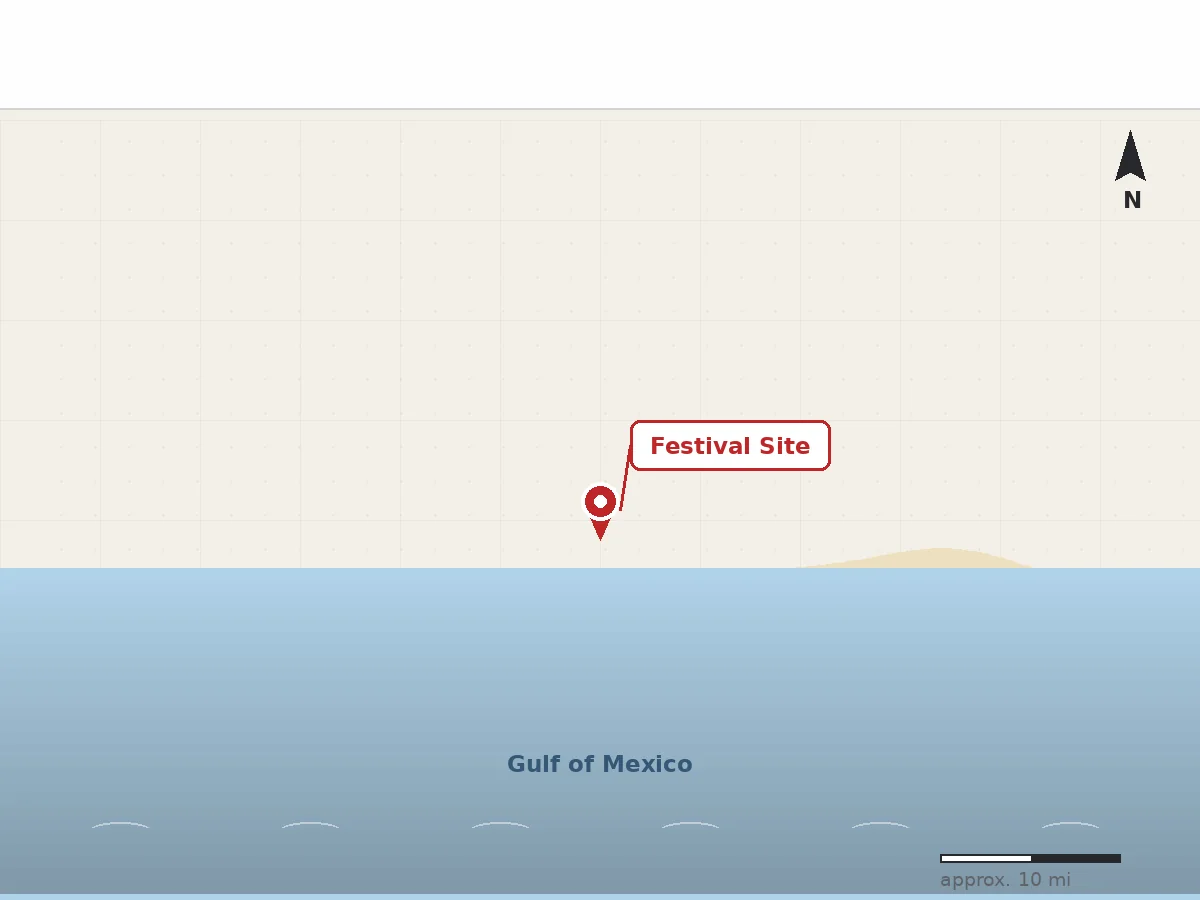
The Quincy August Moon takes place in the city’s downtown core, within easy walking distance of the central transit stops and a short ride south of Boston.
Quincy August Moon Questions, Answered by Locals
Is the Quincy August Moon free to attend?
Yes — admission is typically free. You pay for food, drinks, and anything you buy from vendors, but walking the streets, watching performances, and seeing the lanterns costs nothing. That free access is a big reason local families treat it as an annual habit.
What should I bring to the festival?
Water, sunscreen, a light rain layer, comfortable shoes, and some cash. A tote bag helps if you plan to buy crafts or boxes of mooncakes. A charged phone matters more than you would think, since the crowd makes meeting up tricky.
Is it good for young children and older relatives?
Very. The streets are closed to traffic, the entertainment is continuous, and craft tables keep kids occupied. The main caution is crowding in the evening. Late afternoon tends to be the most comfortable window for strollers, wheelchairs, and anyone who prefers to sit between stops.
How crowded does downtown Quincy get?
Busy, especially after dark and around the food stalls and stages. Locals plan around the peaks by eating early and strolling late. If crowds bother you, aim for the first few hours of the day and leave before the evening surge.
The Next August Moons: What Quincy Locals Expect
The festival’s direction seems clear to the people who attend it. As Quincy’s population continues to diversify and the surrounding Norfolk County towns grow, the August Moon is likely to keep expanding — more vendors, more performances, more neighbors arriving by train from Boston and the suburbs.
Residents generally welcome that, with one recurring hope: that growth does not sand off the edges. They want the drumming loud, the food cooked in front of them, and the familiar faces still showing up. Whatever else changes, the habit of coming back each August is the part worth protecting.
Last updated: October 2026
If you live in Norfolk County, the Quincy August Moon is the rare festival that asks almost nothing of you — no ticket, no long drive, no complicated plan. Show up, eat something you have never tried, stand close enough to feel the drums, and stay until the lanterns are the only light left on the street. Then mark the next August on your calendar, the way your neighbors already have.