Steuben County Indiana 4-H Fair Festival
Steuben County is a 322.47-square-mile pocket of northeast Indiana, home to 34,435 people and a great many lakes, cornfields, and small towns. For one week each summer, much of that population drifts toward the same patch of ground for the Steuben County 4-H Fair. First-timers often arrive unsure what they are walking into: a livestock show, a carnival, a concert series, or a community reunion? The honest answer is all four, packed onto a county fairgrounds that has been hosting versions of this gathering for generations.
This orientation is written for the person who has never set foot on the grounds. It covers what the fair actually is, how it fits into Steuben County’s history, what a day feels like, and how to plan a visit without guessing. The fair here is not the largest in Indiana, and that is precisely the appeal.
Steuben County 4-H Fair: The Details First-Timers Need
| Town / area | Steuben County area, northeast Indiana |
| County | Steuben County, Indiana |
| County seat | Angola |
| Population | 34,435 (county-wide) |
| Land area | 322.47 square miles |
| Region | Northeast Indiana, close to the Michigan and Ohio state lines |
| Typical timing | A week in July in most years |
| Admission | Generally free to enter; food, rides, and some grandstand events cost extra |
| Setting | County fairgrounds with livestock barns, exhibit halls, a grandstand, and open midway space |
| Organizer | The Steuben County 4-H program |
What the Steuben County 4-H Fair Actually Is
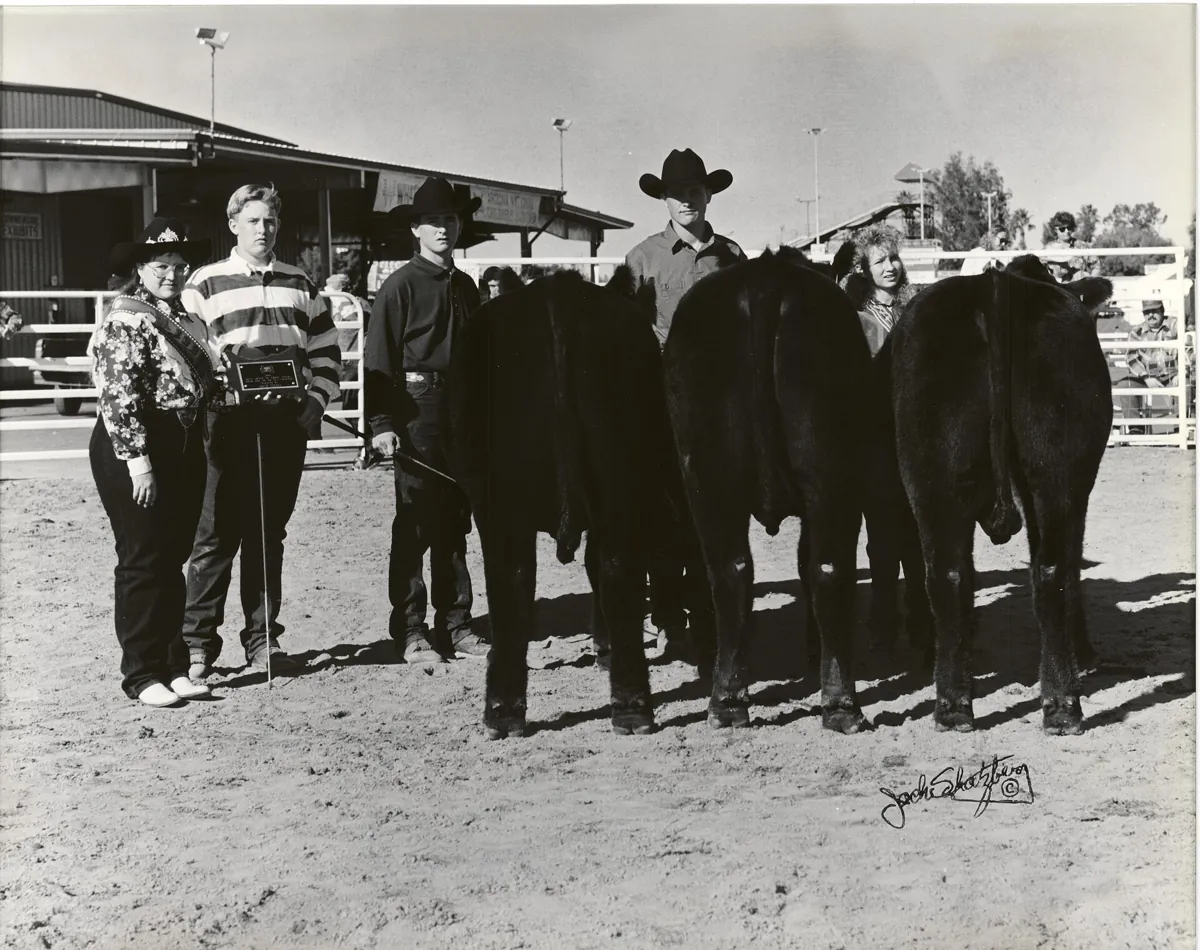
At its core, the fair is the annual showcase of Steuben County’s 4-H program. Members from clubs across the county spend months on projects — livestock, woodworking, photography, gardening, baking, sewing, small engines, crafts — and then bring them to the fairgrounds to be judged, displayed, and talked about. Walk through an exhibit hall and you are looking at a year of a kid’s afternoons.
Wrapped around that core is everything the public associates with a county fair: barns full of animals, a midway with rides, food trailers, grandstand entertainment, and crowds that swell after supper. The two halves feed each other. Families come for the rides and stay for the livestock show; 4-H families come for the show and end up buying funnel cakes at eleven at night.
Because Steuben County is modest in population, the fair keeps a scale that feels manageable. You can walk the whole grounds in an afternoon, recognize people you know, and still find a seat at the grandstand. That intimacy is the defining feature of the event — not spectacle, but participation.
For another look at how a community turns its own traditions into a gathering, see the Starke County Indiana Starke County Fair Festival for a useful comparison.

From 1835 County Roots to a Modern Steuben County 4-H Fair
Steuben County was authorized on February 5, 1835, and organized in 1837, when northeast Indiana was still being carved into farms out of timber and marsh. Angola became the county seat, and the surrounding townships settled into a rhythm built on agriculture, lakes, and small-town trade. In that world, an annual fair was not entertainment — it was infrastructure, the one place where farmers compared crops, swapped breeding stock, and settled the year’s business.
As 4-H clubs took hold across Indiana in the early twentieth century, county fairs gradually became youth showcases as much as agricultural marketplaces. Steuben County’s fair followed that arc. Permanent barns, exhibit buildings, and a grandstand replaced tents and temporary pens over the decades, giving the event a fixed home and a predictable calendar slot in the middle of summer.
What survives from the earliest years is the rhythm rather than the structures: animals arriving, projects judged, ribbons pinned, a week that ends with empty barns and tired volunteers. Nearly two centuries after the county was organized, that pattern still organizes a Steuben County July.
What a Day at the Steuben County Fairgrounds Feels Like
Mornings are quiet and practical. Barns smell like hay and sawdust, exhibitors are washing and clipping animals, and judges are working through classes with clipboards in hand. Afternoons bring heat, shade-seeking, and full exhibit halls. Evenings are the loud, crowded, family-heavy hours when the midway lights come on.
Fair Food at the Steuben County 4-H Fair
Expect the classic Midwest fair menu: pork tenderloin sandwiches, corn dogs, elephant ears, funnel cakes, nachos, lemon shake-ups, and soft-serve. Local civic groups, churches, and 4-H clubs often run their own stands, which is where the better cooking tends to hide. Bring cash for the small stands, and expect lines to build sharply after about six in the evening.
Grandstand Nights in Steuben County
The grandstand is where the week’s biggest crowds gather. Schedules shift from year to year, but county fair grandstands in this part of Indiana commonly host tractor pulls, demolition derbies, truck events, and live music. Some nights carry a small entry fee while others are open to anyone with fairgrounds access, so check the posted schedule at the gate before you plan your evening around one event.
Family Activities Around the Steuben County Barns
Families with young children do best in the late afternoon, when the barns are open but the midway crush has not started. The livestock barns are the main attraction for kids — rabbits, poultry, goats, and cattle, usually with exhibitors happy to answer questions. Add rides, games, project displays, and a petting-friendly atmosphere, and you have a full afternoon without ever leaving the grounds.
Planning Your First Trip to the Steuben County 4-H Fair
Because the fair runs for roughly a week and the county is compact, planning is straightforward. A little forethought about timing and weather will improve the day more than anything else.
Getting to Steuben County From Angola and Beyond
Angola sits in the I-69 corridor in northeast Indiana, with US-20 and the Indiana Toll Road both nearby, so the fairgrounds are easy to reach from anywhere in the county and reasonably quick from Fort Wayne, Toledo, or southern Michigan. County roads around the fairgrounds get congested at peak hours, so allow extra time on grandstand nights.
Where to Stay Near the Steuben County Fairgrounds
Angola has the county’s largest concentration of motels and hotels, many clustered near the interstate exits. Campers and RV travelers tend to favor the lake country around Lake James and Pokagon State Park, where campgrounds fill quickly in July. If you are visiting from Michigan or Ohio, staying on your own side of the line and driving in is also practical.
Parking Around the Steuben County Fairgrounds
Parking is generally on grass and gravel lots adjacent to the grounds, directed by volunteers and often free or by donation. Arrive before the evening rush if you want a short walk, and expect a slower exit once the grandstand event lets out. Follow the volunteers rather than inventing your own spot; the fields drain poorly after rain.
Admission, Food, and Ride Costs at the Steuben County Fair
General admission to the fairgrounds is typically free, which makes it easy to stop in for an hour. Budget instead for food, ride tickets or wristbands, midway games, raffle tickets, and any ticketed grandstand show. Cash remains useful at smaller stands, and ATMs on site can be scarce during busy hours.
Northeast Indiana Weather and What to Wear
July in Steuben County means heat, humidity, and the real chance of an afternoon thunderstorm. Wear light clothing, closed-toe shoes for barn areas, and bring sunscreen, a refillable water bottle, and a light rain jacket. Evenings cool down noticeably, so a layer in the car is never wasted.
A Sample Weekend at the Steuben County 4-H Fair
Saturday morning: Arrive early while the grounds are still calm. Start in the livestock barns, where exhibitors are preparing animals, then move into the exhibit halls to see static projects before the crowds arrive.
Saturday afternoon: Eat lunch from a civic-group stand, catch a judging session or a showmanship class, and let younger kids ride before the lines grow. This is the best window for photos in the barns.
Saturday evening: Stay for the grandstand event, then walk the midway after dark when everything is lit. Expect the loudest, busiest version of the fair.
Sunday morning: Return for a slower visit. Revisit the animals, talk with 4-H families, and check any exhibits you missed. Sunday afternoons often bring livestock auctions or final shows, and by evening the grounds begin to wind down for the year.
How Steuben’s Fair Compares With Nearby County Fairs
Neighboring LaGrange and DeKalb counties both hold long-running 4-H fairs in the same summer window, and Noble County sits just to the south. Steuben’s version tends to feel smaller and more lake-country in character, with a shorter walk between barns and midway than you would find at a larger fair.
For a completely different kind of summer event, Angola Balloons Aloft fills the sky over the county seat with hot air balloons, drawing visitors who may never set foot on a fairgrounds. Together, the two events show the range of what a county of 34,435 people can put on in a single season.
A First-Timer’s Checklist for the Steuben County 4-H Fair
— Check the current year’s fair schedule before you go; days and grandstand lineups change annually.
— Bring cash in small bills for food stands, games, and donations.
— Wear closed-toe shoes; barn footing is not sandal-friendly.
— Pack water, sunscreen, and a rain layer for July weather swings.
— Plan around the evening rush if you dislike crowds, and around mid-afternoon if you want the barns to yourself.
— Leave dogs at home unless the posted rules say otherwise.
Beyond the Fairgrounds: Steuben County the Rest of the Year
The fair is a week, but Steuben County rewards a longer stay. Pokagon State Park anchors the county’s lake country, with trails, a beach, and a toboggan run that draws winter visitors. Lake James and the surrounding chain of lakes support boating, fishing, and summer cottages.
Angola itself has a walkable downtown, a historic courthouse square, and Trine University, which gives the county seat a livelier feel than its size suggests. Across 322.47 square miles, you are never far from a lake, a county road, or a small-town diner — which is exactly why the fair feels like a neighborhood gathering rather than a regional attraction.
Why the 4-H Fair Still Anchors Steuben County Summers
County fairs survive because they do something no other event does: they put an entire county in one place at one time. In Steuben County, the fair is where grandparents watch grandchildren show a goat, where local businesses sponsor ribbons, and where volunteers work long shifts without much recognition.
It is also a reminder that this is still farm country. Even as lake tourism and commuter life reshape northeast Indiana, the fair keeps agriculture visible and gives young people a reason to learn skills that are otherwise easy to skip. That combination of tradition and practicality is why the week still matters.
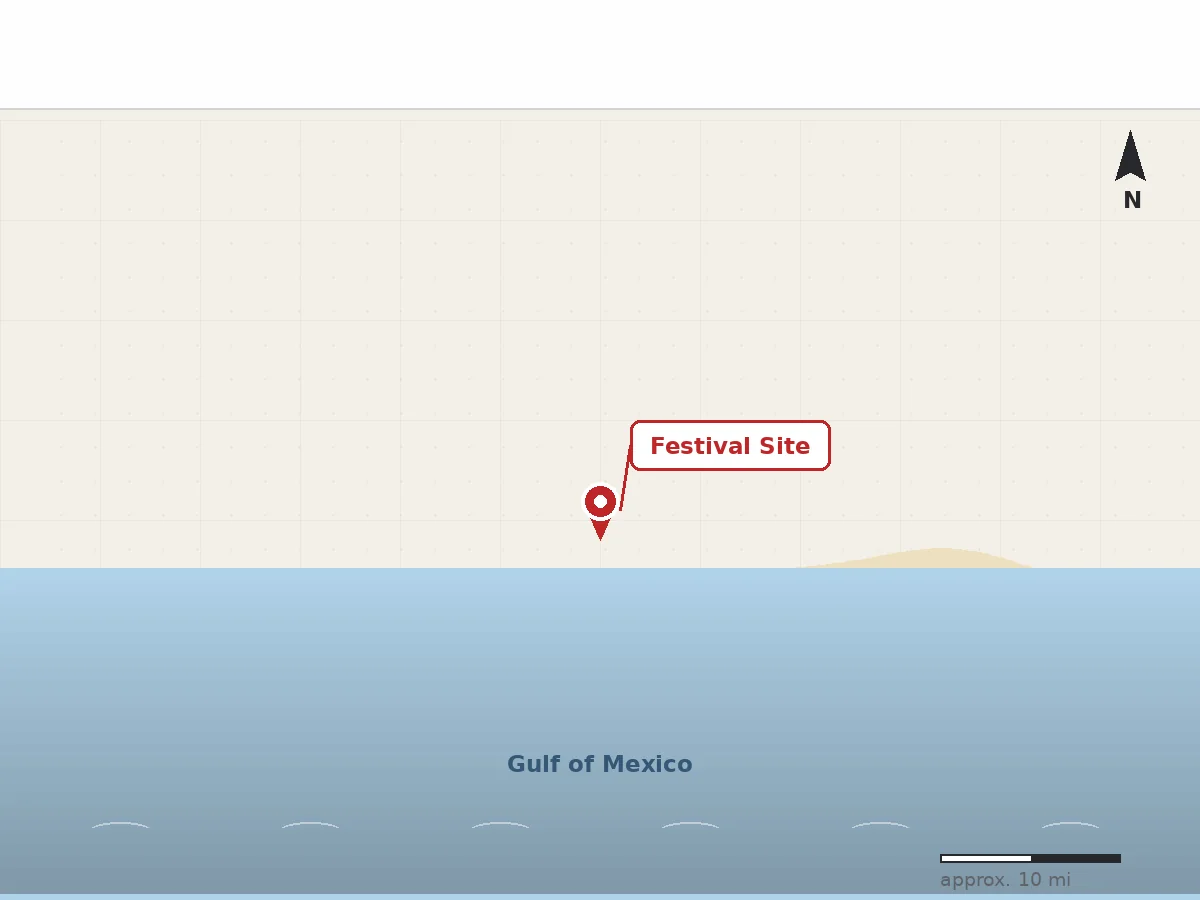
Where the Steuben County Fairgrounds Sit
The Steuben County 4-H Fair takes place at the county fairgrounds in Angola, the Steuben County seat in northeast Indiana.
Newcomer Answers: Steuben County 4-H Fair Basics
Is the Steuben County 4-H Fair free to attend?
General admission to the fairgrounds is typically free, so you can wander the barns and exhibit halls without buying a ticket. Costs appear once you start eating, riding, playing games, or attending a ticketed grandstand event, so plan a budget for those rather than for entry.
Do I need to know a 4-H member to enjoy the fair?
Not at all. The fair is built for the public as much as for exhibitors. Barns are open to visitors, exhibitors generally welcome questions, and the midway, food stands, and grandstand are aimed squarely at anyone who shows up. Knowing a 4-H family simply gives you someone to cheer for.
Is the fair a good outing for young children?
Yes, especially in the late afternoon before the evening crowds arrive. Animals, rides, and simple food make it an easy win for kids, and the grounds are compact enough that you are never far from the car. Strollers handle the main paths well, though barn aisles can be tight.
What happens if it rains during fair week in Steuben County?
Summer storms in northeast Indiana are usually brief, and the fair generally continues through them. Exhibit halls and barns offer shelter, some events shift or pause, and grass parking can get soft. Check the day’s schedule before driving out if the forecast looks unsettled.
Looking Ahead to Future Steuben County 4-H Fairs
The fair’s future depends on the same things it always has: young people enrolling in 4-H, volunteers willing to staff a week of long days, and a community that shows up to buy food and fill the grandstand. Facility upkeep and weather will always be variables, but the underlying model — a county gathering around its own kids — has proven durable.
Expect the fair to keep landing in July, keep mixing livestock shows with midway lights, and keep offering a version of Steuben County that is hard to find any other week of the year.
Last updated: October 2026
If you have never been, treat your first visit as a scouting trip rather than a checklist. Walk the barns slowly, eat something fried, find a seat at the grandstand, and let the evening crowd carry you along. The Steuben County 4-H Fair does not need to impress you in an hour — it has been doing this for generations, and it will still be there next July.