St. Mary’s County Maryland U.S. Oyster Festival
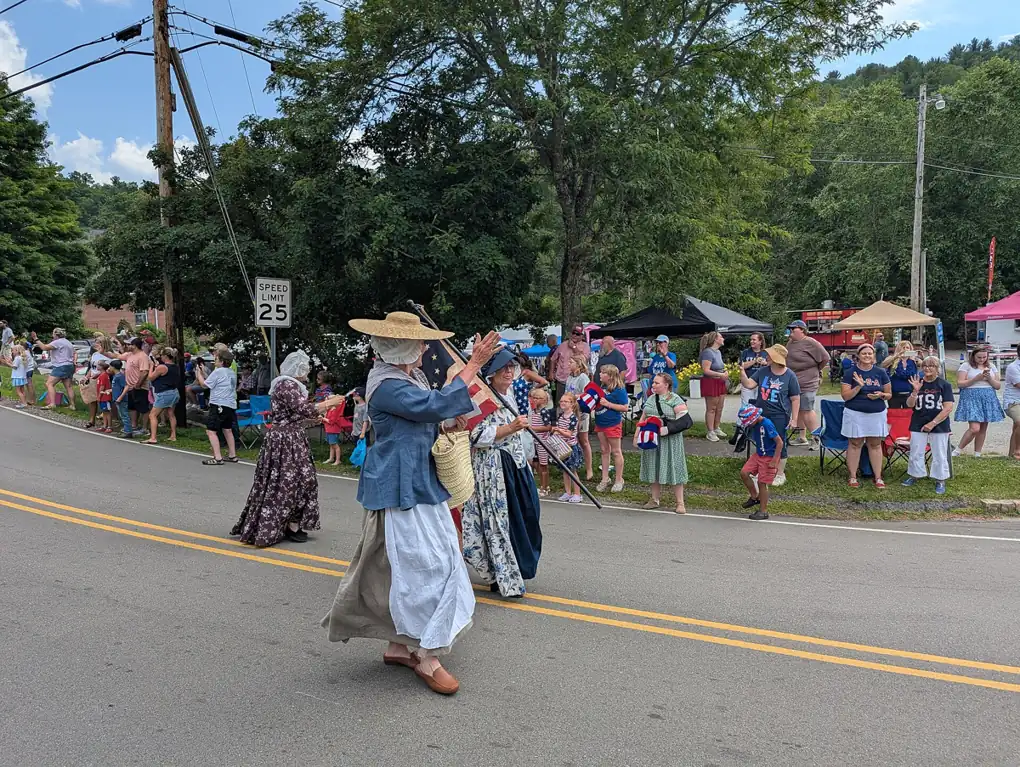
On the third weekend of October, Leonardtown fills with oysters on the grill, shucking knives moving at speed, and crowds drifting between food stands, craft buildings and outdoor stages. The gathering is published in two unmerged forms, as the U.S. Oyster Festival on the organiser’s own layer and as the St. Mary’s County Oyster Festival on a Rotary history layer and a county proclamation layer. Both point to the same Leonardtown celebration, a two-day tribute to the oyster and to the working waters that have shaped life in this part of Maryland.
About the Festival
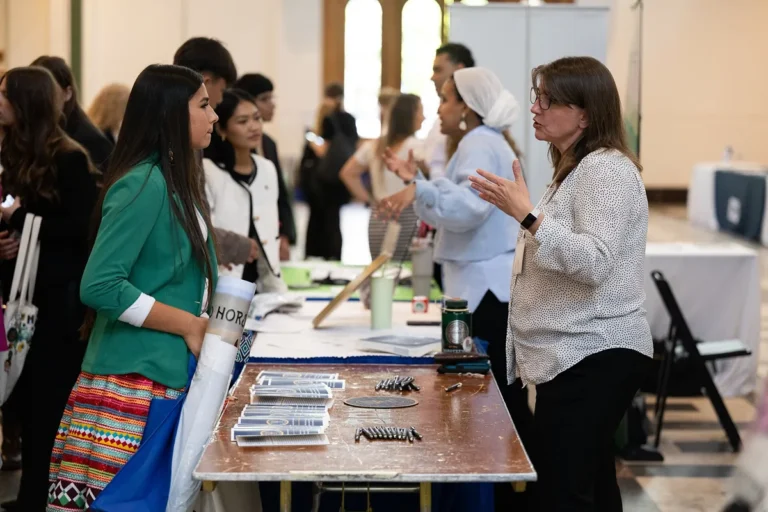
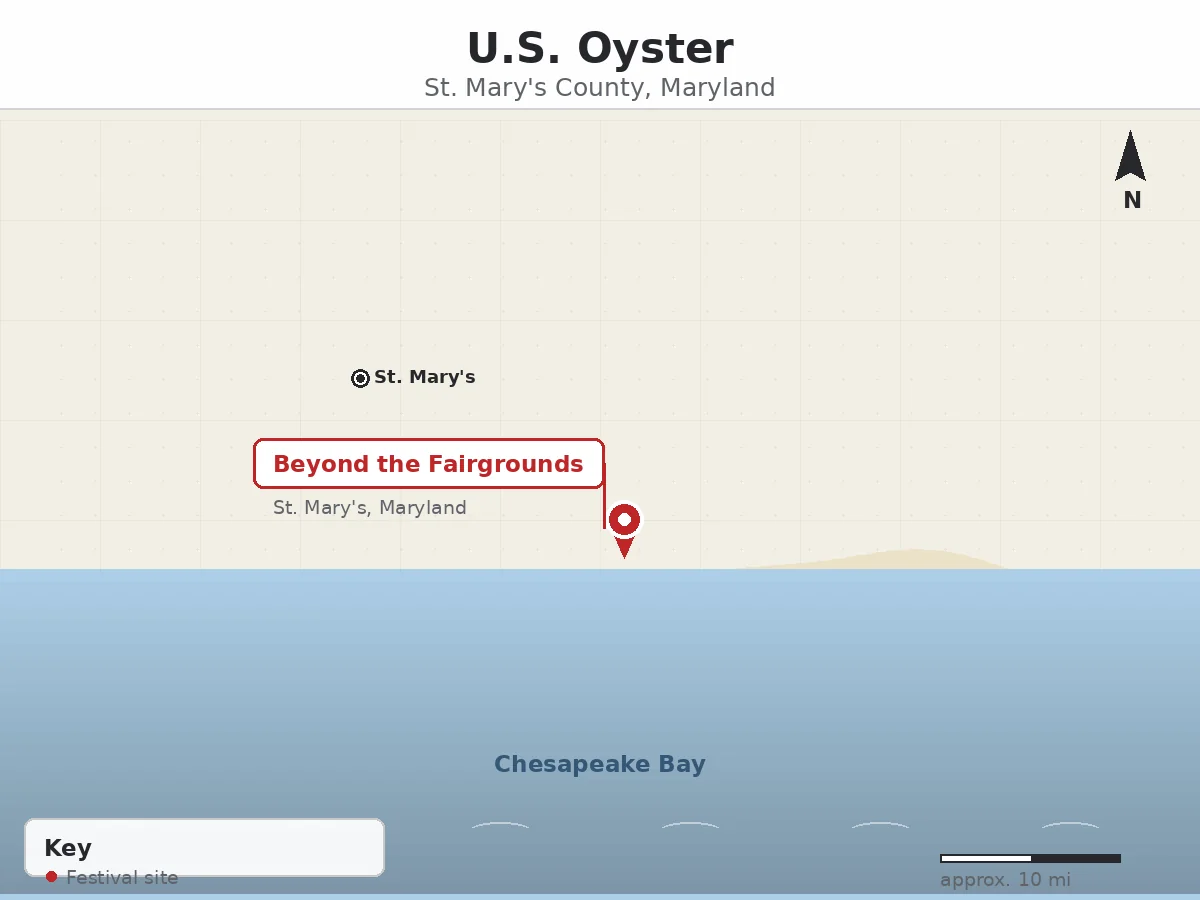
Leonardtown hosts the weekend, and Leonardtown is the seat of St. Mary’s County. The venue throughout the documented record is St. Mary’s County Fairgrounds in Leonardtown, roomy enough to hold three buildings of arts and crafts, two outdoor music stages, an indoor auditorium stage, food lines, children’s attractions and the contest areas where national titles are decided.
The organiser is the Rotary Club of Lexington Park, named in that form on a Rotary history layer and on a county proclamation layer. Ticket income is returned to the community as scholarships and as support for neighbours in need, as the organiser’s own layer explains, so eating and competing carry a second purpose beyond a good day out.
A Rotary history layer puts attendance at around twenty-two thousand visitors across the two days. Visitors come for oysters first, but the programme spreads wider, so someone who prefers stuffed ham, crab cakes or clam chowder, or who mainly wants music and crafts, still finds a full day waiting.
Quick Facts
| Item | Detail |
| Sheet title | St. Mary’s County Maryland U.S. Oyster Festival |
| Published names | U.S. Oyster Festival; St. Mary’s County Oyster Festival |
| Host town | Leonardtown, the seat of St. Mary’s County |
| Venue | St. Mary’s County Fairgrounds, Leonardtown |
| Organiser | Rotary Club of Lexington Park |
| Timing | Third weekend in October each year |
| Documented 2026 dates | Saturday 17 and Sunday 18 October 2026, sixtieth annual billing |
| Signature contests | U.S. National Oyster Shucking Championship and National Oyster Cook-Off |
| Parking | Free parking on the organiser’s 2026 layer |
| First edition | Saturday 7 October 1967, three in the afternoon until nine in the evening |
History of the Festival
The story begins in 1967, when the Rotary Club of Lexington Park was looking for a community project. A Rotary history layer describes the festival idea as first hatched in that search. The first gathering was held on Saturday 7 October 1967 at St. Mary’s County Fairgrounds, from three in the afternoon until nine in the evening, a single evening rather than the full weekend later editions would become.
For a useful comparison, see the Somerset County Maryland Princess Anne Halloween Festival for another county festival.
That first festival was co-sponsored by the St. Mary’s County Watermen’s Association, anchoring the new event in the working life of the water. Watermen knew oysters as livelihood rather than novelty, and their involvement helped keep shucking, cooking and serving at the centre of the programme.
The Rotary history layer records that the festival has remained on the third weekend of October ever since, and was cancelled only once, for the pandemic year. That single interruption underlines how steady the rhythm otherwise became.
The billings printed for recent editions trace that continuity. A bay-alliance layer gives the fifty-third anniversary billing to 19 and 20 October 2019. A regional magazine layer gives the fifty-fifth annual billing to 16 and 17 October 2021, and a local magazine layer gives the fifty-sixth annual billing to 15 and 16 October 2022. A county proclamation layer records the fifty-seventh anniversary across 21 and 22 October 2023, an arts-council newsletter layer gives the fifty-ninth annual billing to 18 and 19 October 2025, and the organiser’s own layer and a Chesapeake Bay Foundation layer both carry the sixtieth annual billing for 17 and 18 October 2026.
Two competitions grew into national fixtures inside that history. The U.S. National Oyster Shucking Championship has been held since 1969, according to a Chesapeake Bay Foundation layer. A county proclamation layer adds that its winner represents the United States at the Galway competition, linking a Leonardtown contest to an international stage. The National Oyster Cook-Off developed alongside it, shifting attention from speed with a knife to imagination in the kitchen.
What to Expect
Oysters arrive in almost every form a visitor could request, and sampling them becomes the natural way to structure the day. The documented programme lists oysters served raw, scalded, smoked and grilled, along with oysters presented in shooters, so a newcomer can begin gently while a devoted oyster lover compares preparations side by side.
Beyond the oyster stands, the food offer reflects a wider Maryland table. Stuffed ham appears as a documented speciality with deep roots in southern Maryland. Crab cakes bring another coastal flavour, and clam chowder offers something warm when the October air turns cool. Together, those dishes ensure a group with mixed tastes can eat well together.
Competition provides the weekend’s theatre. In the shucking championship, speed and clean presentation matter under pressure, as competitors work through oysters while judges and crowds watch. The cook-off rewards cooks who can build flavour around an ingredient needing respectful handling rather than heavy disguise. Watching both shows two kinds of mastery, one measured in seconds and neat shells, the other in aroma and balance.
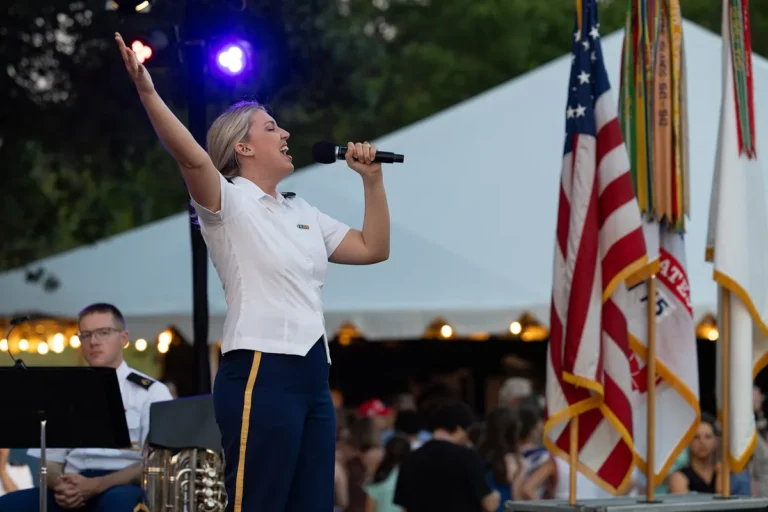
Music fills the spaces between eating and watching. Performances run on two outdoor stages and on an indoor auditorium stage, with sheltered listening if the weather turns. Arts and crafts occupy three buildings, a slower, browsing counterpoint to the busy food and contest areas. Children have a petting zoo, a bounce house and Chesapeake Mermaid shows, helping families pace a long day without leaving the grounds.
Planning Your Visit
For the 2026 edition, a single day costs fifteen dollars for adults over eighteen and five dollars for youth aged six to seventeen, while children five and under enter free. A two-day weekend pass costs twenty-five dollars for adults and eight dollars for youth, again with children five and under free, so anyone attending both days can compare the pass against two single days.
Parking need not add to the bill for 2026, because the organiser’s own layer records free parking. Arriving earlier usually means a calmer entry, shorter first food lines and an easier chance to claim a good spot for the opening contests.
An older price belongs to a different year. A travel-writer layer for the 2012 edition gives five dollars for adults, with children twelve and under free, and that figure describes 2012 only. The 2026 figures above govern planning for the sixtieth annual edition.
Because the festival always falls on the third weekend in October, families can mark the pattern long before a particular year’s details circulate. October in southern Maryland can swing between mild sunshine and a sharper chill, so layered clothing, comfortable shoes and a bag for craft purchases all earn their place. Anyone set on watching the shucking championship should build the day around its sessions, since popular contest times draw the densest crowds.

A Sample Festival Itinerary
A satisfying Saturday might begin with a first round of oysters eaten raw while appetites are fresh and queues are still manageable. A walk through one or two craft buildings then spreads out the eating and gives the morning a relaxed rhythm before the main contest sessions gather their audiences.
Late morning could be given to the cook-off, watching cooks present dishes that treat the oyster as a starting point rather than a gimmick. Lunch becomes a chance to test a cooked preparation against the raw oysters from earlier, perhaps grilled oysters alongside stuffed ham or a crab cake, with clam chowder added if the day feels cold.
The afternoon suits music and family attractions. A set on an outdoor stage, the petting zoo, the bounce house and a Chesapeake Mermaid show break up the food and contests for children and adults alike. A final shooter or a plate of smoked oysters makes a fitting closing taste.
A weekend-pass holder can use Sunday differently, returning for the shucking championship’s decisive stages, revisiting a favourite food stand without hurry and listening in the indoor auditorium. Splitting the programme across two days removes the need to choose between overlapping contests, crafts and stages.
Comparing the Festival With Nearby Oyster Events
Maryland holds more than one oyster celebration, and keeping them distinct protects visitors from arriving in the wrong county. The Captain Avery Museum Oyster Festival takes place at Shady Side in Anne Arundel County, with its own museum grounds and local character. It shares a star ingredient with the Leonardtown weekend, but it is a separate event telling a different community’s story.
Further east, the Saint Michaels OysterFest belongs to Talbot County and to the town of Saint Michaels, again entirely separate. It shares neither the Leonardtown organiser, venue nor October billing history set out here. Checking the county and the town before setting out is the simplest safeguard.
What distinguishes Leonardtown is the combination of national contests and Rotary roots. A shucking championship held since 1969, whose winner represents the United States at Galway, gives the festival a reach a purely local food fair rarely achieves. Add the cook-off, the three craft buildings and a ticket purpose tied to scholarships and neighbourly support, and the result feels both rooted in St. Mary’s County and connected far beyond it.
One misleading version should be set aside. A content-farm layer has circulated September dates under a shortened name, but the organiser’s own layer gives October dates and the third-weekend pattern is consistent across the credible record.
Beyond the Fairgrounds
Leonardtown itself deserves time outside the gates. As the county seat, the town carries the county’s civic buildings alongside shops and places to eat that reward a morning or evening stroll. Extending a visit beyond the fairgrounds turns a festival trip into a fuller introduction to the host town.
The wider county offers waterfront scenery shaped by rivers and by the Chesapeake Bay, with small communities tied to farming, fishing and the water trades. Exploring that landscape helps a visitor understand why an oyster festival took hold here, because its central ingredient comes from a living local geography rather than a theme invented for the occasion.
Weekend visitors can treat the festival as an anchor rather than the entire itinerary. One day can belong mainly to contests and food, while spare hours on the other day open room for the town and county around it.
That extra time also changes how the fairgrounds themselves feel. Returning on a second morning, visitors notice details missed in the first day’s bustle: the craft work in the quieter early hours, the rhythm of contest preparation, and the easy familiarity among volunteers who have run the same stands for many Octobers. A slower second look often turns a busy food weekend into a genuine portrait of the county, drawn in conversations, recipes and rivalries that only reveal themselves once the initial rush of tasting has passed.
Why the Festival Matters
The festival matters first as a working celebration of a food that helped sustain this region. Oysters link watermen, cooks, volunteers and visitors in a single chain, from harvest knowledge through skilled shucking to inventive cooking and shared eating. Keeping that chain visible each October preserves skills and stories that might otherwise fade as waterfront work changes.
It also matters because of where the money goes. Scholarships help local students, and support for neighbours in need turns a ticket into a community contribution as well as admission. That model, present in the organiser’s own account, explains why local loyalty runs deeper than affection for a favourite dish.
Finally, the festival carries the county’s name outward. Published as the St. Mary’s County Oyster Festival in some layers and as the U.S. Oyster Festival in others, it connects Leonardtown to national competition and, through Galway, to an international oyster community. Few county weekends manage to be simultaneously a homecoming, a fundraiser, a contest stage and a showcase.
Frequently Asked Questions
What happens to the ticket money after the gates close?
Ticket income is returned to the community, according to the organiser’s own layer. The money supports scholarships and helps neighbours in need, so the Rotary Club of Lexington Park treats the gate as a community resource rather than simply as event revenue covering a weekend’s costs.
Which competitions decide national oyster titles during the weekend?
The U.S. National Oyster Shucking Championship and the National Oyster Cook-Off share that role. The shucking championship has run since 1969 and sends its winner to represent the United States at Galway, while the cook-off honours the strongest oyster cooking presented across the weekend.
What food beyond oysters can visitors expect to find?
Stuffed ham, crab cakes and clam chowder are all documented parts of the food offer. Those dishes sit alongside oysters served raw, scalded, smoked and grilled and in shooters, giving a group with varied tastes plenty of ways to build a meal together.
How are children catered for across the two days?
Documented children’s attractions include a petting zoo, a bounce house and Chesapeake Mermaid shows. Ticket terms for 2026 also help families, with a five-dollar youth rate for ages six to seventeen on a single day, an eight-dollar youth weekend pass and free entry for children five and under.
What to Expect From the Next St. Mary’s County Maryland U.S. Oyster Festival
How often is St. Mary’s County Maryland U.S. Oyster Festival held?
The weekend returns every year on the third weekend in October, a pattern the Rotary history layer traces through the festival’s history with only one cancellation, for the pandemic year. That regular placement makes the event a fixed point in the county’s autumn calendar.
When is the next St. Mary’s County Maryland U.S. Oyster Festival?
Following the sixtieth annual edition across 17 and 18 October 2026, the next edition would be expected on the third weekend of October in the following year, in line with the festival’s established pattern. Visitors should confirm the particular dates for that year once the organiser publishes them, since the pattern guides expectation rather than replacing an official announcement.
Will the dates change?
The third-weekend placement has held since the earliest years, apart from the single pandemic cancellation, so a move away from that pattern would break with a long record. Day-to-day timings and programme details can still vary by edition, which is why checking the organiser’s current information before travelling remains sensible.
The enduring appeal of this weekend lies in a simple exchange that has worked since an October evening in 1967: visitors bring an appetite and a ticket, and the county answers with oysters in every style, national contests, music, crafts and a promise that the proceeds will do good close to home.