Somerset County Maine New Portland Lion’s Fair Festival
In the western hills of Somerset County, one weekend each year turns a modest fairground into the busiest place in town. The New Portland Lion’s Fair is not a big-city exposition and never pretends to be. It is a community fair in the truest sense: neighbors working the booths, children running between the rides, and a Lions Club turning a late-summer weekend into the funds that pay for its work the rest of the year.
Somerset County spreads across 4,094 square miles of woods, rivers, and small towns, with Skowhegan as its county seat and a population of 50,477 at the 2020 census. New Portland sits on the western side of that expanse, in foothills country that feels closer to the mountains than to the county’s larger river towns. A fair out here belongs to the surrounding hill towns as much as to the town itself.
Key Details for the New Portland Lion’s Fair
For anyone planning a first visit, the essentials fit into a short table.
| Town | New Portland and the surrounding Somerset County area |
| County | Somerset County, Maine |
| County seat | Skowhegan |
| County population | 50,477 (2020 census) |
| Region | Western Maine foothills, western Somerset County |
| Typical timing | A weekend in late summer, in most years |
| Admission | Generally free; food booths and vendors carry the fundraising |
| Setting | A small-town fairground in the hills west of Skowhegan |
| Features | Midway rides and games, fair food, live local entertainment, community booths |
| Organizer | The local Lions Club |
The Heart of the Lion’s Fair in New Portland
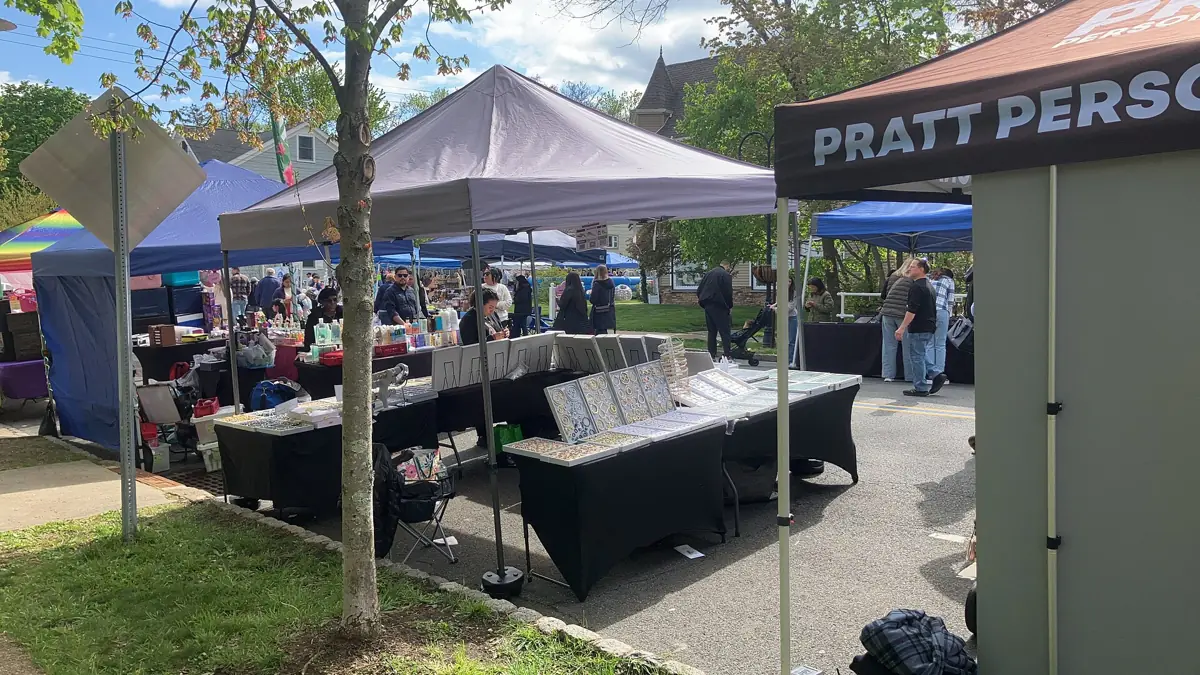
Ask anyone who has spent an afternoon at the fairground and the same details come up: the smell of fried dough and grilled sausage drifting over the grass, the clatter of the midway, and the easy rhythm of people who see one another all year and still stop to talk. The fair is organized around that rhythm. There is no rush and no grand spectacle — just a field, a crowd, and a good reason to spend the day outdoors.
Because the fair is a Lions Club project, its purpose is plain. Money raised on the grounds goes back out through the service work the club supports, which is why the booths are staffed by volunteers, why local businesses donate prizes, and why so many families treat the weekend as a standing appointment rather than an optional outing. You are not simply buying a plate of fries; you are funding something that stays in the neighborhood long after the tents come down.
How the Lion’s Fair Grew in the Western Maine Foothills
Somerset County was founded in 1809, and for most of its history its social life has been built around towns, churches, granges, and fairs. In a county of 4,094 square miles, with Skowhegan as the seat of government, a fair is one of the few things that reliably pulls people out of their own valleys and into a shared space.
Lions Clubs took root in Maine communities through the twentieth century, and small fairs became one of their most visible local projects. New Portland’s fair followed that pattern: a club fundraiser that grew into a tradition. The details have shifted over the years — entertainment styles change, equipment is replaced, food trends come and go — but the shape of the weekend has stayed remarkably constant.
What holds it together is continuity and familiarity. The same families come back, the same volunteers staff the gates, and the same conversations resume where they left off the previous season. In a rural county, that kind of repetition is not stagnation; it is the whole point.
A Day on the New Portland Fairgrounds
The grounds are compact, and that is part of the charm. You can park once, walk the whole site in a few minutes, and still fill an afternoon without checking a schedule or studying a map.
Fair Food and the Booths That Pay for It
Fair food here is the familiar, reliable kind: fries, sausage and peppers, fried dough, burgers, cold drinks, and something sweet for the walk back to the car. The food stands are the engine of the weekend, because the money they take in is the reason the fair exists. Bring cash and small bills, and expect the longest lines around the middle of the day.
Music, Games, and Evening Entertainment
Entertainment tends to be local and unpretentious: performers on a simple stage, a midway of games of chance, and the general hum of a crowd that mostly knows one another. Evenings are the liveliest stretch, when the lights come on, the air cools, and people who spent the afternoon working booths finally get a chance to sit down and listen.
Family Activities and Things for Kids to Do
For families, this is an easy outing. Distances are short, the pace is unhurried, and there is enough to keep children busy for hours without the endurance test of a large regional fair. Expect rides and games sized for younger kids, open grass to run on, and plenty of familiar faces — which makes letting a child wander a few yards ahead far less stressful than it sounds.
Planning a Fair Weekend in Somerset County
A little preparation makes the trip smoother, especially in a rural county where services thin out quickly once you leave town.
Getting to New Portland
A car is the practical way to arrive. New Portland sits on the western side of Somerset County, reached by two-lane roads that wind through the hills, so allow more time than a map suggests. Fill the tank before you get close, and expect cell service to fade in the hollows between towns.
Where to Stay Near the Fairgrounds
Lodging in New Portland itself is limited, so most visitors base themselves in nearby towns — Skowhegan to the east, or the Farmington and Kingfield areas to the south and west — and drive in for the day. Vacation rentals and campgrounds in the surrounding hills fill quickly for late-summer weekends, so book well ahead.
Parking and Getting Around
Parking is typically on grass fields near the grounds, directed by volunteers. Arrive in the morning for the easiest spot and the shortest walk. Once you are inside, everything is walkable, so there is no need to move the car until you are ready to leave.
Admission, Costs, and Cash
Admission is generally free, with the fundraising happening at the food booths, game stands, and raffle tables. That means the day costs as much or as little as you want it to. Bring cash anyway; card readers are increasingly common at fairs, but they are not guaranteed in a field in the hills.
Maine Weather in the Foothills
Late summer in the western Maine foothills can serve up a warm, bright afternoon and a genuinely cool evening on the same day. Showers move through quickly and often without much warning. Layers, a light rain jacket, and shoes you do not mind getting dusty will cover almost anything the sky decides to do.
A Sample Weekend Around the Lion’s Fair
Start with the evening before the main fair day. Arrive in town in the late afternoon, take a slow drive through the hills while the light is good, and eat dinner somewhere local. Turn in early, because the fairground fills up quickly once the morning gets going.
Spend the fair day on the grounds. Get there mid-morning, walk the midway before the crowd thickens, eat lunch from a booth, and let the afternoon drift. Stay into the evening for the music and the cooler air, then head back to your base while the roads are still quiet.
Keep the following morning loose. A slow breakfast, a stop at a farm stand, and a last look at the river valley on the way home will make the weekend feel twice as long as it was.
How the Lion’s Fair Compares to Nearby Maine Fairs
Somerset County’s biggest fair is in Skowhegan, the county seat, where a large multi-day event anchors the late-summer calendar. That fair is bigger, longer, and louder, with everything that comes with a regional draw. New Portland’s version is the opposite: one weekend, one field, and no crowds to fight on the way to the gate.
To the south, the Farmington Fair in neighboring Franklin County offers another classic agricultural fairgoing experience, and the Fryeburg Fair draws visitors from across the region. What the Lion’s Fair offers instead is a scale you can absorb in a single day and a crowd made up mostly of neighbors.
Your Fair-Day Checklist for New Portland
A short list, most of it obvious once you are standing in a field.
| Cash in small bills | Food booths, games, and raffle tickets move faster with cash |
| A layer for the evening | Foothills evenings cool off quickly after sunset |
| Rain jacket or poncho | Late-summer showers roll through the hills without much notice |
| Sunscreen and a hat | The fairground has long, open, sunny stretches |
| Comfortable shoes | Grass, gravel, and a full day on your feet |
| A tote or small backpack | Somewhere to stash prizes, leftovers, and layers |
| Patience for parking | Field parking fills up around the middle of the day |
| A charged phone | Long days outdoors drain batteries fast |
Beyond the Fairgrounds in Western Somerset County
The country around New Portland rewards a slow drive. The Carrabassett River valley, the mountain roads toward Kingfield and the Sugarloaf area, and the back lanes linking the hill towns all offer the kind of scenery that makes a detour worthwhile: wooded ridges, farm stands, swimming holes, and pull-offs with a view and nobody else around.
East of the hills, Skowhegan is worth an hour or two. It is a river town with a walkable downtown and a history tied to the Kennebec, and it makes an easy half-day addition to a fair weekend. Further north, the Rangeley Lakes region opens up an entirely different landscape of water and mountains.
The Lion’s Fair and the Town That Hosts It
In a county of 50,477 people spread across 4,094 square miles, gatherings matter more than they do in a city. The Lion’s Fair is one of the few weekends when the hill towns of western Somerset County are all in the same place at the same time, and that alone gives it weight beyond the rides and the food.
It also works quietly as a local economic engine. Vendors, suppliers, gas stations, and restaurants all see the bump, and the money the club raises circulates back through the community in the months that follow. For a small town, a fair is not just an event on the calendar; it is part of how the place takes care of itself.
Where the Lion’s Fair Sits in New Portland
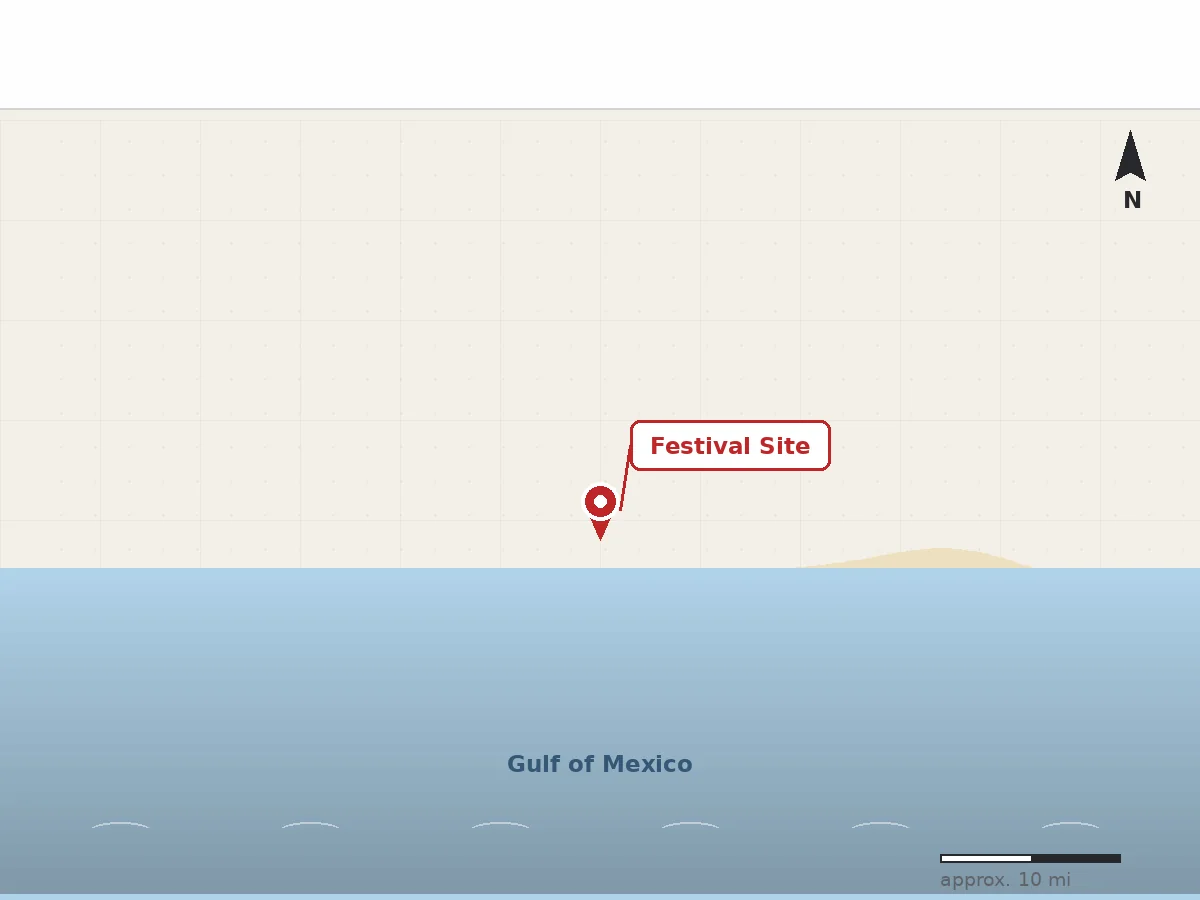
The fairgrounds sit in New Portland, in the western hills of Somerset County, Maine, a short drive from the Carrabassett River valley along the roads that link the county’s hill towns.
Lion’s Fair Questions from First-Time Visitors
When is the New Portland Lion’s Fair usually held?
The fair is held on a weekend in late summer in most years. Because the timing shifts with the calendar and the club’s plans, check local listings, town notices, or the club’s own announcements before you make the drive.
Do I need to buy a ticket in advance?
No. Admission is generally free and there is nothing to reserve. You pay as you go for food, games, and raffle tickets, so the total cost of your day is entirely up to you.
Is the fair a good outing for young children?
Yes. The grounds are compact, the pace is unhurried, and there is plenty for kids to do without long walks or long waits. Keep an eye on little ones near the rides and the parking areas, and plan an early evening if the day has already been a long one.
What happens if the weather turns?
Light rain rarely stops a Maine fair. Bring a jacket and keep going; if a storm rolls through, organizers may pause rides or entertainment until it passes. Check local notices for last-minute changes before you set out.
Looking Ahead to Future Lion’s Fairs in New Portland
Fairs like this one survive on volunteers, local sponsors, and the simple habit of showing up. As long as the club and the surrounding towns keep filling the booths and the midway, the weekend will hold its place on the late-summer calendar in western Somerset County.
The most reliable way to keep it going is to attend, spend a little at the food stands, and bring someone who has never been. Traditions in small Maine towns are not preserved in museums; they are preserved by a full field on a summer afternoon.
Last updated: October 2026
The New Portland Lion’s Fair will never be the biggest weekend in Maine, and that is exactly the point. It is a fair built at the scale of the town that hosts it — small enough to walk in an afternoon, warm enough that strangers nod at each other in line, and useful enough that the money it raises keeps working long after the last trailer pulls out. Put it on your calendar for late summer and see for yourself.