Sedgwick County Kansas Asian Festival
On an October evening in downtown Wichita, the halls of Century II fill with stage dances, pageant sashes, steam rising off food stalls and needlework bright enough to stop a passerby mid stride. The gathering behind that scene is published everywhere as the Wichita Asian Festival, an evening celebration presented by the Wichita Asian Association that a visitors-bureau layer credits with drawing more than ten thousand attendees. This article carries the sheet title Sedgwick County Kansas Asian Festival, yet honesty about names comes first: no layer gathered for this piece prints the festival under that county-first wording. Every organiser page, bureau listing and local account instead ties the event to the city, so the published city name is the one used throughout the record below. What the record does support, richly, is a long-running October festival of performance, food and craft, anchored in one downtown venue and returning with numbered annual billings in both two thousand twenty-four and two thousand twenty-six.

About the Wichita Asian Festival
The Wichita Asian Festival is the public celebration of the Wichita Asian Association, whose own site and the visitors-bureau layers name the association as the organiser behind the evening. It belongs to Wichita, the county seat of Sedgwick County, and it unfolds indoors in the middle of the city rather than on fairground grass. The home venue is printed in two forms that are left standing side by side here: the Century II Performing Arts & Convention Center on the organiser’s own site and in bureau layers, and Century II Convention & Exhibition Hall in another printing of the same downtown complex. Neither form is corrected into the other, because each appears in the record as published.
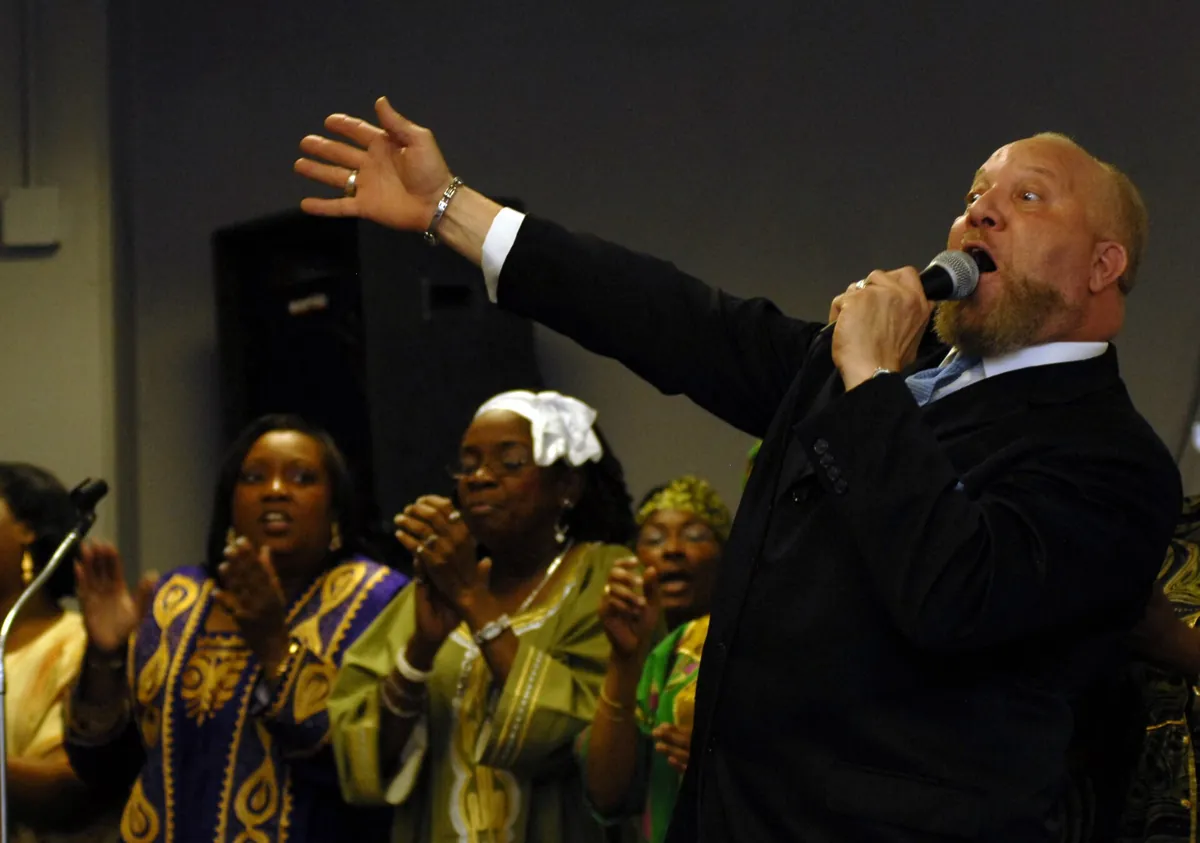
The programme, as the visitors-bureau and organiser layers describe it, draws on about fifteen Asian countries. Cultural performances carry the stage, moving between dance, music and traditional presentation from community to community. A pageant threads through the evening; the organiser and bureau layers call it a scholarship pageant, while one layer prints the plainer phrase cultural pageant, and both descriptions are kept here without merging them. Around the stage, dozens of food and craft vendors set out their stalls, and displays of art and traditions give visitors quieter corners between performances. A local layer puts the crowd at approximately ten thousand people, close to the bureau figure quoted in the introduction, and the two estimates are reported as printed rather than averaged into a single claim.
Quick Facts
| Item | Detail |
| Published name | Wichita Asian Festival |
| Host city and county | Wichita, Sedgwick County, Kansas |
| Venue | Century II Performing Arts & Convention Center, downtown Wichita |
| Venue, also printed as | Century II Convention & Exhibition Hall |
| Organiser | Wichita Asian Association |
| Two thousand twenty-six edition | Saturday the seventeenth of October, five in the evening until half past nine, forty-fifth annual billing |
| Theme for two thousand twenty-six | Journey Across Borders |
| Two thousand twenty-four edition | The twelfth of October, forty-third annual billing |
| Admission for two thousand twenty-six | Five dollars general admission on the organiser’s own site; six dollars and fifty cents general admission in a local blog layer |
| Attendance | More than ten thousand attendees, per a visitors-bureau layer |
History of the Wichita Asian Festival
The deepest date in the record belongs to the organiser rather than the festival. A regional economic-development layer states that the Wichita Asian Association was established in nineteen eighty-one, and that year is reported here exactly as that layer gives it: the founding of the association, not a founding date for the festival itself. Nothing in the layers gathered assigns the festival its own first year, so none is invented for it.
What the layers offer instead is a pair of numbered billings. The two thousand twenty-four edition is billed as the forty-third Annual Wichita Asian Festival, and the two thousand twenty-six edition as the forty-fifth Annual Wichita Asian Festival. Those numbers are recorded as billings only, the way programmes and listings print them. They hint at a celebration with decades behind it, and the gap of two between the forty-third and forty-fifth billings sits comfortably beside an annual rhythm, yet the arithmetic is left alone: a billing is evidence of how an edition was presented, not a licence to back-count a founding year. Across that span the festival kept its October placement, its downtown hall and its association stewardship, and the two thousand twenty-six edition arrived under the theme Journey Across Borders, a title the organiser’s own site and a visitors-bureau layer both attach to the forty-fifth annual billing.
For a useful comparison, see the Sedgwick County Kansas Taco Festival for another county festival.
What to Expect
The evening is built around a stage. Cultural performances representing about fifteen Asian countries rotate through the programme, so a visitor who stays in one seat still travels widely: a fan dance might give way to drumming, a classical routine to a folk ensemble, each community presenting its own dress, instruments and movement. The two thousand twenty-four edition, described by a regional economic-development layer, paired its cultural stage performances with a pageant, Asian cuisines and art, and the later layers describe the same bones for two thousand twenty-six.
The pageant adds a formal counterpoint to the folk programme. In its scholarship form, as the organiser and bureau layers print it, the pageant is tied to awards for young participants; in the layer that calls it a cultural pageant, the emphasis falls on presentation and dress. Either way, it is one of the set pieces of the night rather than a side attraction. Beyond the hall’s stage, dozens of food and craft vendors fill the surrounding space, serving dishes from across the continent and selling handmade goods, while art and traditions displays invite slower looking. The whole edition is compact: in two thousand twenty-six the doors covered a single evening, from five o’clock until half past nine, which makes the festival a dense night rather than a sprawling weekend.
Planning Your Visit
Begin with the date problem, because this festival has one. The organiser’s own site and a visitors-bureau layer place the forty-fifth annual edition on Saturday the seventeenth of October two thousand twenty-six, running from five in the evening until half past nine. Yet the organiser’s own events page also prints the sixteenth of October two thousand twenty-six for the same edition in one line. The two dates stand unmerged in this article, exactly as printed, and a careful visitor will confirm the evening against the organiser’s current listing before travelling. That single check matters more here than any other piece of planning.
Tickets are the second consideration. The organiser’s own site lists general admission at five dollars and VIP admission at thirty-five dollars for the two thousand twenty-six edition, while a local blog layer lists general admission for the same edition at six dollars and fifty cents. Both figures are reported as printed in their layers, and neither is corrected into the other; no layer describes the festival as free, so a visitor should arrive expecting a ticketed door and carry enough for the higher of the printed prices. Because the edition is one evening only, arriving near the five o’clock opening protects the full run of stage performances, and downtown parking near Century II rewards the early. Families often plan the night in two halves, performances first and the vendor rows second, so that children reach the pageant and the headline acts before tiredness sets in.
A Sample Itinerary for the Evening
A workable night begins at the doors. Arrive shortly before five o’clock, settle the ticket question at the entrance, and take a programme or note the stage order before the first performance begins. Spend the first hour with the cultural stage, when the hall is freshest and the opening numbers set the tone for the evening. Let the pageant anchor the middle of the night, since it is the edition’s formal centrepiece, and use the displays of art and traditions as the pause between stage blocks. Save the food vendors for the later stretch, when queues ease and the stalls’ full range is on display, and finish with a slow pass along the craft rows before the half past nine close. Visitors who prefer a lighter plan can reverse the order, eating early and claiming stage seats for the closing performances instead.
How It Compares
Two neighbouring events help fix this festival’s outline by contrast. The Wichita Asian Night Market is a separate gathering held at a Wichita ballpark in May, organised with the association’s collaboration; it shares people and spirit with the October festival but trades the concert hall for an open-air market evening in spring, and it is a companion event rather than another edition of this one. The Wichita Chinese Association’s Mid-Autumn Festival is different again, run by a different organisation entirely, and its lantern-season timing and single-community focus set it apart from the association’s broad, many-countries programme. Against both, the Wichita Asian Festival stands out for its indoor Century II setting, its scholarship pageant and its billing as the association’s flagship annual occasion.
A Checklist for the Night
- Confirm the October date against the organiser’s current listing before travelling
- Carry enough for a ticketed door, using the higher printed general admission figure as the guide
- Arrive near the five o’clock opening to catch the first stage performances
- Note the stage order on arrival so the pageant is not missed
- Leave time for the art and traditions displays between performances
- Plan a full round of the food and craft vendor rows
- Keep the evening’s half past nine close in mind when pacing the visit
Beyond the Festival Hall
A trip to the festival pairs naturally with the rest of downtown Wichita. Century II sits in the city’s core, so visitors often fold the evening into a wider downtown walk, taking in the riverfront and the old town streets before the doors open. The association’s own calendar, which includes its collaboration on the May night market at the ballpark, gives the festival a place in a year-round rhythm of community events rather than leaving it as a single isolated night. Travellers coming from elsewhere in Sedgwick County can treat the evening as the anchor of a Wichita day, with the city’s museums, galleries and restaurants filling the hours before five o’clock.
Why the Festival Matters
The festival’s significance lies in how much of a region it gathers into one hall. Performances representing about fifteen Asian countries share a single stage, which turns the evening into a compact survey of cultures that a visitor could otherwise spend years encountering one community at a time. The scholarship pageant adds a forward-looking note, tying celebration to opportunity for younger participants, and the food and craft stalls give dozens of small vendors a room of ten thousand potential customers. For the Wichita Asian Association, established in nineteen eighty-one according to the regional layer, the festival is the most visible expression of its presence in the county seat, and the numbered billings carried into the forty-fifth annual edition show an institution that has kept returning, October after October.
Frequently Asked Questions
What name do the organiser and bureau listings use for it?
Every layer gathered for this article calls it the Wichita Asian Festival, with the annual billings printed as the forty-third Annual Wichita Asian Festival in two thousand twenty-four and the forty-fifth Annual Wichita Asian Festival in two thousand twenty-six. The county-first wording in this article’s title comes from the sheet the article was commissioned from, and no organiser page, bureau listing or local account prints the event under that form.
Why do two different October dates appear for the two thousand twenty-six edition?
The organiser’s own site and a visitors-bureau layer give Saturday the seventeenth of October two thousand twenty-six, from five in the evening until half past nine, while the organiser’s own events page prints the sixteenth of October two thousand twenty-six for the same edition in one line. This article reports both dates exactly as printed and does not merge them, so visitors should confirm the evening against the organiser’s current listing.
What will a ticket cost for the two thousand twenty-six evening?
The organiser’s own site lists general admission at five dollars and VIP admission at thirty-five dollars, while a local blog layer lists general admission at six dollars and fifty cents for the same edition. Both figures stand as printed in their layers here, and no layer states a free-admission position, so the safe plan is to expect a ticketed door.
How is the pageant described across the layers?
The organiser and visitors-bureau layers describe a scholarship pageant, while one layer prints the description cultural pageant instead. The two descriptions are kept separate in this article rather than blended, but both point to the same set piece within the evening: a formal presentation woven into the programme of cultural stage performances, food stalls and art displays.
What to Expect From the Next Sedgwick County Kansas Asian Festival
How often is Sedgwick County Kansas Asian Festival held?
The numbering carried by the editions points to a yearly rhythm: the forty-third annual billing fell in two thousand twenty-four and the forty-fifth in two thousand twenty-six, with each documented edition placed in October. The layers present the festival as the association’s recurring annual occasion at Century II rather than a one-off celebration.
When is the next Sedgwick County Kansas Asian Festival?
The most recent documented edition is the forty-fifth annual billing on the seventeenth of October two thousand twenty-six, with the sixteenth of October also printed on the organiser’s events page for the same edition. A further date beyond that edition does not appear in the layers gathered here, so the next evening is best watched for in the organiser’s listings as the following October approaches.
Will the dates change?
They already vary within the record: the two thousand twenty-four edition fell on the twelfth of October, the two thousand twenty-six edition is printed with two neighbouring October dates, and the exact Saturday is set edition by edition. Visitors should treat mid October as the season, confirm the precise evening each year, and never assume last year’s date has simply carried forward.
Closing Thoughts
The Wichita Asian Festival rewards the visitor who reads its record carefully: one organiser, one downtown hall, a stage shared by about fifteen countries, a pageant with two printed descriptions, and a pair of admission figures and October dates that stand honestly unmerged. Held up that way, the record is thick enough to plan a real evening around, and the forty-fifth annual billing promises a night as full as any the festival has staged.