Reno County Kansas Emancipation Day Festival
Hutchinson marks the start of August with one of the oldest community celebrations in its calendar, a multi-day gathering built around a parade, a public picnic and music. Local news accounts call it the Emancipation Celebration and the Emancipation Day Celebration, while an organiser reference shortens the host body to Hutchinson Emancipation Day. No layer read here adds the word Festival to any of those printed names; the title above files the event in this series’ county-first style, and the body keeps the names exactly as printed.
The celebration is not gathered onto a single ground. Its parts spread across Hutchinson, the county seat of Reno County, between a college campus, the downtown Main Street parade route, a fraternal hall and city parks. Press-release and historical-essay layers agree it was first held in eighteen eighty-nine, and recent editions run across three days at the turn of August, from a Friday family night through a Saturday parade and picnic to a Sunday gospel programme.
About
Three published name forms sit side by side in the record, and this article leaves them unmerged. Local listings may show the Emancipation Celebration in one account, the Emancipation Day Celebration in another, and the organising body referenced simply as Hutchinson Emancipation Day. The variation belongs to the layers, not to separate events: dates, venues and programme elements line up across the accounts, so the forms are treated here as one celebration printed in several styles.
The organisational picture is printed in two forms as well. A historical-essay layer names a Hutchinson Emancipation Day Committee, while local news refers to the Hutchinson Emancipation Day organisation and names its president in reporting; this article uses the role only. Neither form is folded into the other.
Because the programme is distributed, the celebration reads as a citywide observance, not a gated fair. Hutchinson Community College hosts part of the weekend, including its Central Park area and the Stringer Fine Arts Center. The parade takes the Main Street route through downtown. The Knights of Columbus Hall appears among the venues, and the picnic tradition is tied first to Sylvan Park in the historical account and to George Pyle Park in recent coverage.
For a useful comparison, see the Reno County Kansas Art Fair Festival for another county festival.
Quick Facts
| Item | Detail |
| Published names | Emancipation Celebration; Emancipation Day Celebration; Hutchinson Emancipation Day |
| Host town | Hutchinson, the county seat of Reno County |
| Usual timing | Early August, across a three-day weekend |
| Parade | Down Main Street on the Saturday, at ten in the morning in the two thousand twenty-five account |
| Venues | Hutchinson Community College, downtown Main Street, the Knights of Columbus Hall, George Pyle Park |
| Organising bodies, as printed | Hutchinson Emancipation Day Committee; the Hutchinson Emancipation Day organisation |
| First held | Eighteen eighty-nine, per press-release and historical-essay layers |
| Free elements | The community picnic, free and open to the public; Family Fun Night refreshments such as hot dogs |
| Ticketed element | The Old School Dance, at fifteen dollars per person or twenty dollars per couple |
| Separate companion | Hutchinson Juneteenth, a June celebration at Chester I. Lewis Plaza |
History
Two kinds of layer tell the same origin story. A press-release account and a local historical essay both state plainly that the celebration was first held in Hutchinson in eighteen eighty-nine. The essay adds the fuller journey behind that date: an observance known as the Kansas Emancipation Festival had been held at Atchison before moving to Hutchinson in eighteen eighty-nine, so people across the state could reach it more easily. Once resettled, the gathering fixed itself in early August, the slot it still occupies.
In nineteen thirty-one, the essay continues, the mayor proclaimed the fourth of August a legal holiday for the city’s Black residents, a civic recognition described here in words only. That helps explain why the fourth of August echoes through the older record, including the two thousand twelve account, even though recent editions range across the month’s first days.
The modern layers disagree on one point of arithmetic. Local coverage of the two thousand twenty-five edition bills it in one place as the one hundred thirty-sixth annual celebration and in two other places as the one hundred thirty-seventh annual. Both billings stand here exactly as printed, neither adopted over the other; the single-year disagreement is left open rather than silently repaired. What they agree on is the scale of the continuity being claimed.
A local newspaper headline frames the gathering as the longest-running Emancipation Day celebration in Kansas. That superlative is the headline writer’s framing, reported here as a claim about the event, not a finding of this article.
What to Expect
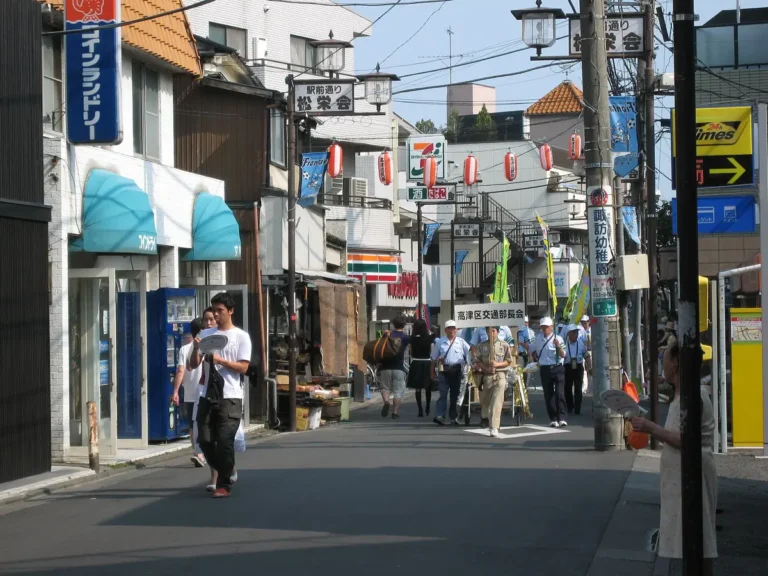
A visitor meets a programme assembled from parts the layers document across several editions, best pictured as a pattern rather than a fixed schedule. The weekend’s anchor is the Emancipation Parade, which local news places at ten in the morning on the Saturday, down Main Street through downtown Hutchinson. Parade winners are recognised, and a parade marshal is honoured in the coverage, giving the procession a civic character beyond the marching.
The community picnic carries the celebration’s most distinctive ritual: a public reading of the Emancipation Proclamation, the document at the heart of the observance. The picnic is free and open to the public in the local news accounts. Alongside it sits a Family Fun Night at Hutchinson Community College, offering bounce houses, face painting and a cakewalk, where refreshments such as hot dogs come without charge.
Music threads through every documented edition. The press-release layer for two thousand twelve lists a live concert after the parade, plus jazz and gospel concerts, with an art show, a golf tournament and sports across that year’s three days. In two thousand twenty-five, the Sunday of the weekend belonged to Gospel Fest. A local newspaper calendar layer for two thousand twenty-six adds a three-point basketball shootout on the Friday and an Old School Dance on the Saturday, the one element carrying a stated price, at fifteen dollars per person or twenty dollars per couple.
Planning Your Visit
The first planning fact is movement. Because the celebration is spread across Hutchinson rather than fenced into one ground, the weekend involves short trips between the college campus, downtown Main Street, the Knights of Columbus Hall and George Pyle Park, and each morning deserves a decision about which part matters most. The Saturday parade fixes the weekend’s centre: local news puts it at ten in the morning down Main Street, so a downtown position well before that hour anchors the day.
Money planning is light. No layer read here states a general admission price for the celebration, and its best-described elements are free: the picnic is expressly free and open to the public, and Family Fun Night refreshments come without charge. The single stated price in the record belongs to the Old School Dance, fifteen dollars per person or twenty dollars per couple, drawn from a local news layer, so dancers should carry enough for that door charge and treat everything else as unpriced in the record rather than assumed free.
The celebration belongs to early August, but the documented editions have moved within that window, so dates deserve a final check close to the weekend: the fourth of August in the two thousand twelve account, the first to the third of August in two thousand twenty-five, and the thirty-first of July to the first of August in two thousand twenty-six. Travellers booking rooms in Hutchinson should confirm the current year’s exact days in local listings before relying on those patterns.
A Sample Itinerary
This itinerary follows the best-documented recent edition, the three days of two thousand twenty-five, noting two thousand twenty-six additions where the calendar layer places them.
Friday opens gently. In two thousand twenty-five, Family Fun Night at Hutchinson Community College opened the weekend with bounce houses, face painting and a cakewalk; in two thousand twenty-six the Friday carried a three-point basketball shootout, so early arrivals should check which Friday programme the current year offers.
Saturday is the full day. Begin downtown in good time for the ten o’clock parade along Main Street, then follow the crowd to the community picnic, where the proclamation reading forms the day’s centre. In the two thousand twenty-six layer, the Saturday closes with the Old School Dance, the weekend’s one ticketed element.
Sunday, in the two thousand twenty-five pattern, belongs to Gospel Fest, a slower close after the parade day and a natural point to leave Hutchinson after lunch.
How It Compares
The comparison that matters most is with Hutchinson’s own Juneteenth. The two observances share a city and a broad theme of emancipation, yet the layers keep them firmly apart. Juneteenth in Hutchinson is the younger companion: historical-essay and local news layers date its launch to June two thousand twenty, when the local NAACP Youth Council began it at Chester I. Lewis Plaza. The August celebration is documented as first held in eighteen eighty-nine, so the older tradition had run for well over a century before the June event began.
The practical difference for a visitor is season and shape. Juneteenth belongs to June and one plaza; the Emancipation celebration belongs to the turn of August and is deliberately scattered across a college campus, a parade route, a hall and a park. A traveller choosing only one decides by calendar and appetite: a single-site June gathering, or a three-day August weekend unfolding across the whole city.
A Visitor’s Checklist
- Confirm the current year’s exact dates in local listings before booking travel, since editions shift within the early-August window.
- Claim a downtown spot along Main Street well ahead of the Saturday parade’s ten o’clock start.
- Carry money for the Old School Dance if dancing is planned, at fifteen dollars per person or twenty dollars per couple.
- Plan short trips between the college, the hall, downtown and George Pyle Park.
- Bring sun protection and water for the outdoor picnic and parade hours.
- Leave room in Saturday for the proclamation reading at the picnic, the celebration’s signature moment.
- Check which Friday programme the current year offers, a family night or the basketball shootout.
Beyond the Celebration
A celebration weekend still leaves hours unclaimed, and the record points to where they can go. Downtown Hutchinson, along the Main Street the parade travels, is the natural place to eat and wander between programme parts, and the college campus gives the weekend a second centre across town. George Pyle Park, named in recent coverage among the venues, and Sylvan Park, its historical predecessor in the essay layer, offer green space between the parade crowds and the evening music.
The Atchison connection adds a side note for wider Kansas travel: the observance began there before the eighteen eighty-nine move, making Hutchinson’s weekend half of a two-city story.
Why It Matters
Longevity alone would make the celebration notable, but the layers suggest its weight lies in what it rehearses. Reading the Emancipation Proclamation aloud at a free public picnic turns a founding document into a spoken, shared act rather than a text left in a book, and recognising parade winners and a parade marshal folds present-day neighbours into a tradition documented back to eighteen eighty-nine. The nineteen thirty-one proclamation of a legal holiday for the city’s Black residents, recorded by the essay layer, shows the observance once carried formal civic standing too.
That the celebration persists alongside a younger Juneteenth, rather than being replaced by it, says something about Hutchinson’s calendar: the city keeps both observances, and the older gathering still draws its programme from the whole community, from a college campus to a fraternal hall to downtown’s main street.
Frequently Asked Questions
Why do local listings print the celebration under different names?
The variation sits in the layers themselves. Local news accounts use both Emancipation Celebration and Emancipation Day Celebration, and an organiser reference shortens the host body to Hutchinson Emancipation Day. Dates, venues and programme elements agree across those accounts, so the forms are read here as one celebration in several styles, not rival events.
Which days of August should a traveller reserve?
Reserve the turn of the month and confirm before travelling: documented editions have fallen on the fourth of August in two thousand twelve, across the first to the third of August in two thousand twenty-five, and from the thirty-first of July to the first of August in two thousand twenty-six. Early August is the reliable window; the exact days move.
Which parts of the weekend are free, and which carry a charge?
Local news describes the picnic as free and open to the public, and Family Fun Night refreshments, such as hot dogs, as provided without charge. The one stated price in the record belongs to the Old School Dance, at fifteen dollars per person or twenty dollars per couple. No layer states a general admission price for the celebration as a whole.
Is this the same event as Hutchinson’s Juneteenth?
No. Juneteenth is a separate companion celebration local layers date to June two thousand twenty, begun by the local NAACP Youth Council at Chester I. Lewis Plaza. The August celebration was first held in Hutchinson in eighteen eighty-nine, more than a century earlier, with its own venues and programme across the city.
What to Expect From the Next Reno County Kansas Emancipation Day Festival
How often is Reno County Kansas Emancipation Day Festival held?
The layers consistently describe an annual celebration, and the dated editions documented here, in two thousand twelve, two thousand twenty-five and two thousand twenty-six, each fall at the turn of August, supporting its reading as a yearly fixture of Hutchinson’s summer rather than an occasional revival.
When is the next Reno County Kansas Emancipation Day Festival?
The most recent edition in the record ran from the thirty-first of July to the first of August two thousand twenty-six. Beyond that weekend the layers offer no further date, so the next gathering is best anticipated for early August two thousand twenty-seven, its exact days to be confirmed in local listings as summer approaches.
Will the dates change?
They already have, within limits: documented editions have occupied the fourth of August, the first three days of August, and a weekend beginning on the thirty-first of July, so the anchor is the turn of August, not a fixed date. A visitor should expect the same early-August window and verify the chosen days each year.
Closing
Hutchinson’s Emancipation celebration asks more of visitors than a single-ground festival does: it asks them to move between the city’s shared spaces and to listen while a proclamation from another century is read aloud over a free picnic. In return it offers a weekend whose continuity is documented across well over a hundred Augusts, printed under several names but recognisably one tradition, and a strong claim on any traveller’s Kansas calendar.