Ray County Missouri Fair Festival
Most county fairs announce themselves with a poster. The Ray County Fair announces itself with paperwork: an entry portal where exhibitors register their animals and projects, and a fair book, held through the county Extension office, that sets out the classes and rules. Behind that paperwork stands a six-day fair in Richmond, the county seat, in the middle of July, with a rodeo, a tractor pull, a demolition derby and a livestock sale on its programme.
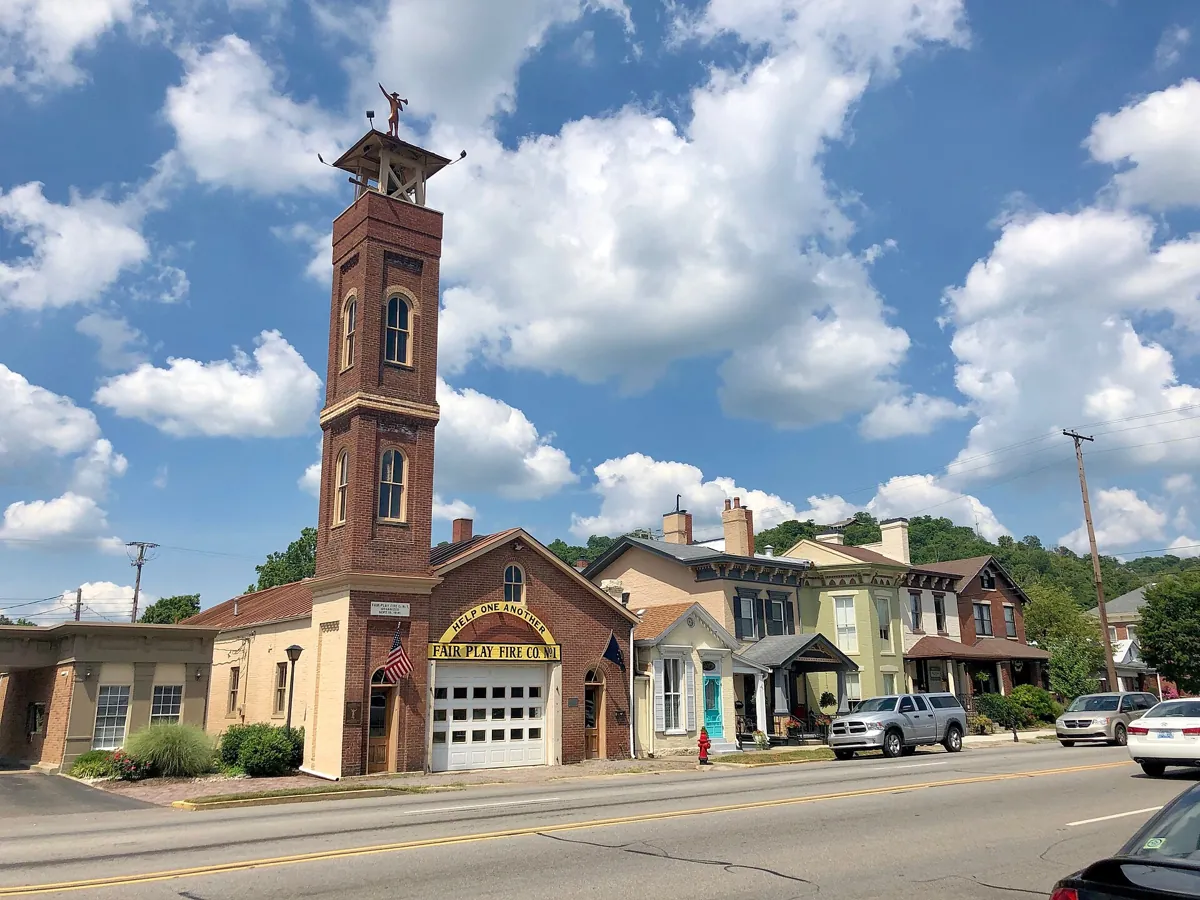
The shape is distinctive. Where many Missouri fairs run Wednesday to Saturday, this one runs Saturday to Thursday. Its entry listing dates the 2026 edition from July 11 to 16, in the town that holds the courthouse and the square, so fair week shares streets with the county’s ordinary business.
The arena side brings an amateur rodeo, a tractor pull, a demolition derby and an arena truck race. The barn side brings 4-H shows and a livestock sale, and between the two sits the event that says most about this fair’s priorities: a Farmer Appreciation Dinner, at which the fair formally feeds the farmers who fill its barns.
Two honest blanks belong near the front of any account of this fair. The fairgrounds address is published in two different forms, and no fair-side source settles which number is right. And no gate or parking price appears in any fair-side record: a listing elsewhere calls admission free, but the fair has not confirmed it, so this guide prints neither a price nor a promise.
A Fair That Starts With the Entry Forms
Exhibitors register on the fair’s own portal, which styles the event the Ray County 4-H/FFA Fair for entry purposes — the same fair under its working name. The current fair book is linked from that portal and held on the county Extension office’s documents, making the Extension office its rulebook keeper and the portal its front desk.
For a useful comparison, see the Randolph County Missouri Fair Festival for another county festival.
The organiser’s name reaches the public in two published forms. One listing names the Ray County Fair Association as the organiser; a regional calendar, recording a fair fundraiser at the grounds, names the Ray County Fair Board as host. The two forms stand here side by side, exactly as published, because no source reconciles them into a single legal name, and inventing one would be worse than printing both.
What the structure tells a visitor is that this is an exhibitors’ fair before it is a spectacle. The entries, the book and the classes come first in its paperwork, and the arena programme is built around the livestock core.
The Fair in Ten Rows
| Item | The published record |
| Event | Ray County Fair |
| County | Ray County |
| State | Missouri |
| Fair town | Richmond, the county seat |
| Grounds | Ray County Fairgrounds, Richmond |
| Grounds address | Published as both 901 and 1013 West Royle Street; the sources conflict and neither is settled here |
| Organiser | Published in two forms: Ray County Fair Association and Ray County Fair Board |
| Season | Six days, Saturday to Thursday, in mid-July |
| Documented 2026 edition | July 11 to 16, as dated on the fair’s entry listing |
| Admission | No gate or parking price published in any fair-side source; a listing’s claim of free admission is unconfirmed |
A History With No Birthday Attached
Ask how old the Ray County Fair is and the honest answer is that its own published record, as gathered for this guide, does not say. No founding year and no edition number appears in its entry portal, its fair book references or the listings that carry it, so this page assigns it neither. A fair that declines to wear a number is not necessarily young; it is a fair whose paperwork concerns this year’s entries rather than anniversaries.
What can be traced is the fair’s recent working life. The entry portal carries a current edition and a registration window running from April 15 to August 29, 2026, the rhythm of an institution in ordinary operation: entries open in spring, the fair runs in July, and the books stay open into late summer for the sale and settlement afterwards. The grounds work outside fair week, too: in May 2022 the fair board hosted a demolition-derby fundraiser there, keeping the arena earning between fairs.
Richmond’s deeper past is dramatic — the town’s famous 1867 bank robbery is still retold — but that history belongs to the town, not the fair, and this page does not borrow it. The fair’s own history, on the record available, is a working present: a six-day July fair in the county seat, documented in entries and fair books rather than in a founding story.
What Fills the Six Days
The Arena Programme
The arena carries the fair’s noise. An amateur rodeo brings local and regional riders rather than a touring professional circuit, which suits a fair whose exhibitors are its neighbours. A tractor pull turns farm machinery to the work it was built for, competitively. A demolition derby closes the argument in the traditional way, with cars that arrived whole and leave as scrap, and an arena truck race rounds out the motorised side.
The Livestock Core
Against the arena noise, the barns carry the fair’s purpose. The 4-H shows are where the year’s project work is judged: animals raised, fed and trained by young exhibitors, presented in the ring and measured against the fair book’s classes. The portal’s framing of the fair as a 4-H and FFA event is the plain truth about where its entries come from, and the fair book is the document that turns a summer of feeding into a judged result.
The Sale and the Dinner
The livestock sale converts judged animals into the exhibitors’ earnings, with community buyers bidding on the work the barns displayed. The Farmer Appreciation Dinner does something rarer: the fair sits its farmers down and feeds them, a formal thank-you to the people whose operations fill its classes. Plenty of fairs exhibit farmers. This one puts the appreciation on the programme by name.
Planning a Trip to Richmond
Dates, and How Firmly to Hold Them
The fair’s season is mid-July, six days running Saturday to Thursday. The 2026 edition is dated July 11 to 16 on the fair’s entry listing; if you are planning around a future edition, expect the same mid-July shape and confirm the exact days through the fair’s entry portal or the county Extension office before you book around them.

Finding the Fairgrounds
The Ray County Fairgrounds stand in Richmond, the county seat, and every source agrees on the street: West Royle Street — but not on the number. One listing gives 901 West Royle Street; two others give 1013 West Royle Street, one of them spelling the street name Royale. No fair-side source settles the difference, so this guide does not either. In a town of Richmond’s size the fairgrounds are easy to find in fair week — the arena traffic gives them away — but if you are programming a navigation device, know the record itself carries both numbers.
What It Will Cost
This guide cannot tell you, and you should be suspicious of any page that claims it can. No gate price, parking charge or pass price for the fair appears in any fair-side source behind this article. One listing asserts that gate admission and parking are free; the fair’s own pages do not confirm it, and an unconfirmed claim of free is not the same thing as a free fair. Carry the ordinary small cash a fair day calls for, and settle the gate question at the gate.
If You Are Exhibiting
Exhibitors should start where the fair starts: its entry portal, where the current fair is registered and the fair book is linked. The book is the authority on classes, entry requirements and judging, and it sits on the county Extension office’s documents for anyone to read before entering. Registration for the 2026 fair opened on April 15, and the published window runs to August 29 — well past fair week, reflecting the sale and record-keeping tail of a livestock fair rather than late entry to the fair itself.
One Full Day at the Fair
Begin in the barns in the morning, while the air is cool and the 4-H exhibitors are washing and settling their animals; the hour before a show is when a livestock fair shows you how much work a ribbon costs. Stay for the judging, where the fair book’s classes become results.
Take the middle of the day in Richmond itself — the seat’s square, its shops and lunch counters — because fair and town share the week. Return for the Farmer Appreciation Dinner if your day includes it, and eat with the people the fair exists to thank.
Give the evening to the arena: the pull, the rodeo and the derby rotate through the fair’s nights, and the arena after dark is the fair at its loudest. End at the livestock sale if your visit falls on sale day — the fair’s most honest hour, when the summer’s work is priced by the neighbours who watched it happen.
The Fair Among Richmond’s Other Big Days
Richmond keeps a crowded civic calendar, and telling its events apart is part of understanding the fair. The American Celebration fills Southview Park on the Friday before July 4, just ahead of fair season. Outlaw Days comes later, on the Saturday after Labor Day, a Wild West town festival built around the 1867 bank robbery that made the town famous.
Neither is part of the fair. The fair’s claim on the calendar is different in kind: six days in mid-July, run through entries and a fair book, centred on livestock and arena competition rather than town history or a national holiday. Keep the three separate and each improves — the celebration for the town, Outlaw Days for the legend, the fair for the county’s working agriculture, judged and sold in public.
Before You Set Out
- Confirm the exact fair days through the fair’s entry portal or the county Extension office before travelling
- Expect the fairgrounds on West Royle Street in Richmond, and allow for the address being published as both 901 and 1013
- Carry cash for food and fair-day extras, because no gate or parking price is published anywhere fair-side
- Do not count on admission being free; a listing claims it, but the fair has not confirmed it
- Arrive at the barns early to watch exhibitors preparing animals before the shows
- If you exhibit, read the current fair book first; it, not any listing, governs classes and entries
- Keep Richmond’s other festivals separate in your plans: the American Celebration and Outlaw Days are town events, not fair days
- Ask locally about camping before assuming any exists, as no camping offer appears in the fair’s published record
Beyond the Fairgrounds
The fairgrounds keep a working life outside the six days. The fair board’s May demolition-derby fundraiser, documented at the grounds in 2022, is the clearest example: the arena hosts the fair’s own supporters in the off-season, raising money with the same machinery fair week uses. Grounds that work in May are grounds a county actually uses.
Beyond the fence, Richmond offers the pleasures of a Missouri county seat: a courthouse square, local shops and lunch counters, and a town history that includes the 1867 bank robbery retold each year at Outlaw Days. Ray County around it is farming country in the hills north of the Missouri River — close enough to the Kansas City side of the state to draw day visitors, rural enough that the fair’s barns fill from its own townships.
Why This Fair Carries Its County
A county fair’s significance is usually measured in ribbons and receipts. Ray County’s can also be measured in a dinner. The Farmer Appreciation Dinner states the fair’s understanding of itself: the institution exists because farmers bring animals, their children bring projects and buyers bring bids, and once a year the fair says so with a meal.
The paperwork-first character points the same way. A fair administered through an entry portal and an Extension fair book is woven into the county’s agricultural institutions — its youth programmes, its Extension office, its sale barns — rather than a travelling show parked on local ground. Six days in the county seat, in mid-July, the Ray County Fair is where the county’s farm year is displayed, judged, sold and thanked, all on one grounds.
Frequently Asked Questions
When is the Ray County Fair held?
The fair runs six days in mid-July, Saturday to Thursday. Its entry listing dates the 2026 edition from July 11 to 16; treat those days as that edition’s own dates, and expect future editions to keep the same shape.
Where are the Ray County Fairgrounds?
The fairgrounds are in Richmond, the county seat, on West Royle Street. The published record gives the address in two forms — 901 West Royle Street and 1013 West Royle Street — and no fair-side source settles which number is correct, so allow for both when finding your way.
Is admission to the Ray County Fair free?
No admission or parking price for the fair is published in any fair-side source. A listing elsewhere claims admission and parking are free, but the fair itself has not confirmed that claim, so it cannot be stated as settled; settle it at the gate.
What happens at the Ray County Fair?
The programme combines an amateur rodeo, a tractor pull, a demolition derby and an arena truck race on the arena side with 4-H shows and a livestock sale on the barn side, and its signature event is the Farmer Appreciation Dinner, at which the fair formally thanks the farmers who exhibit there.
What to Expect From the Next Ray County Missouri Fair Festival
How often is the Ray County Missouri Fair Festival held?
The fair returns once each year. Each edition is a single six-day fair in mid-July, and the months between editions are filled by the entry cycle — registration opening in spring, the fair book governing the year’s classes — rather than by further editions.
When is the next Ray County Missouri Fair Festival?
The next edition follows the standing pattern: six days across mid-July, Saturday to Thursday, in Richmond. The 2026 edition was dated July 11 to 16 on the entry listing; the next edition’s days will be published the same way, so check the entry portal or the Extension office as July approaches.
Will the dates change?
The fair’s mid-July position and its Saturday-to-Thursday shape are the stable elements, with no indication in its record of either moving. The exact days shift each year with the calendar itself, and the entry listing is where each edition’s days appear, so a small drift between editions is normal.
Six Days, Honestly Described
The Ray County Fair does not oversell itself. Its record offers entries, a fair book, six July days, an arena programme, a livestock core and a dinner for its farmers — and leaves its gate price unpublished and its street number argued over by its own listings. This guide matches that record: the fair in Richmond is worth the trip for what is documented, and what is documented is plenty.