Lee County Iowa Big Dam Street Festival
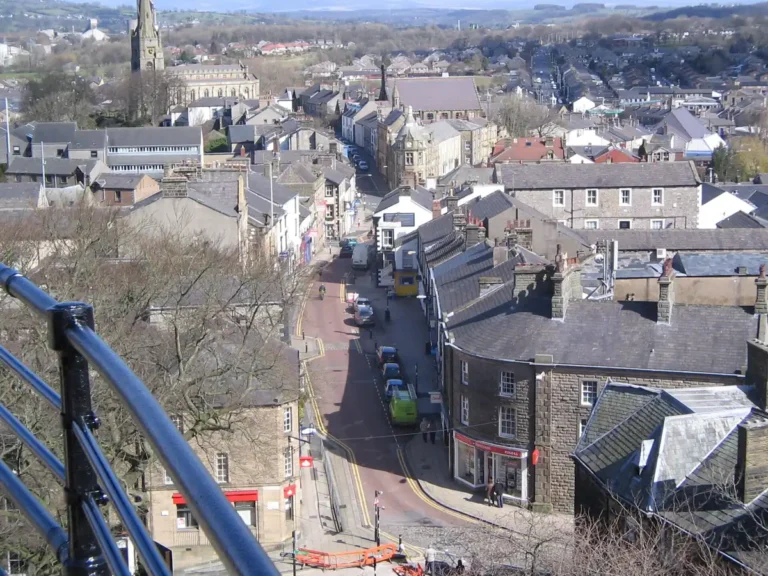
Keokuk closes out its outdoor season with three days of music, food and midway colour in a park that sits right on the Mississippi River. The Big Dam Street Festival fills Victory Park from a Thursday through a Saturday at the turn of autumn, and its name needs no decoding for anyone who knows the town: it salutes the great lock and dam that has defined Keokuk’s riverfront for more than a century. City council paperwork, the local tourism bureau’s calendar and regional listings all print the name in exactly the same form, and the festival they describe is a street fair with live music at its heart, staged in the open air a short walk from the water.
About the Big Dam Street Festival
The Big Dam Street Festival is a three day street fair and live music event held in Victory Park in Keokuk, in Lee County, Iowa. The city of Keokuk’s own profile carries the festival among the town’s year round events, and the Keokuk Area Convention & Tourism Bureau’s calendar lists it in the same terms, so the name is consistent across every layer consulted. City council records connect the event to the Lake Cooper Foundation, which appears as the applicant for the festival’s special event permits in twenty twenty-three and twenty twenty-four and as the holder of its temporary alcohol licences in twenty twenty-four and twenty twenty-six. Beyond that paperwork trail, the sources describe a gathering built from live entertainment, food, carnival rides and vendors, spread across a Thursday, Friday and Saturday in late September or the first days of October, when the riverfront park is still warm enough for an evening outdoors but the season is clearly turning.
Quick Facts
| Item | Detail |
| Festival name | Big Dam Street Festival |
| Host town | Keokuk, Lee County, Iowa |
| Venue | Victory Park, on the riverfront in Keokuk |
| Organiser in the records | Lake Cooper Foundation, named in city council records as the permit applicant and licence holder |
| Documented editions | Fifth to seventh of October, twenty twenty-three; twenty-sixth to twenty-eighth of September, twenty twenty-four; twenty-fourth to twenty-sixth of September, twenty twenty-six |
| Shape of the event | Three days, Thursday to Saturday, a street fair with live music |
| Programme in the listings | Live entertainment, food, carnival rides, vendors and food trucks |
| Founding year | No source consulted gives a first year for the festival; the dam behind the name was completed in nineteen thirteen, and that date belongs to the dam alone |
| Admission | None of the sources consulted attaches a charge to entry |
| County seat note | Keokuk is one of two Lee County seats, alongside Fort Madison |
History
The honest starting point for this festival’s history is that its beginnings are not written down in any source consulted. Council agendas, council minutes, the tourism bureau’s calendar, the city’s own profile and regional listings all describe editions that have already happened or are about to happen, and none of them reaches back to a first year. The Lake Cooper Foundation’s appearances in the permit and licence paperwork of twenty twenty-three, twenty twenty-four and twenty twenty-six establish who stood behind the recent editions, but they say nothing about when the event began.
What the name reaches back to is much older than any documented edition. A travel layer explains that the “big dam” of the title is Keokuk’s Lock and Dam on the Mississippi River, completed in nineteen thirteen. That date belongs to the dam and to the river engineering that reshaped this stretch of the Mississippi; it is not a founding date for the festival, and the two should never be merged. The festival borrows the dam’s fame the way a street name borrows a landmark.
The setting carries its own civic quirk. Keokuk is a county seat of Lee County, but not the only one: a state legislative reference layer confirms that Lee County maintains two county seats, Keokuk and Fort Madison, so the festival plays to a town that shares the county’s administrative honours with its neighbour upriver. The earliest documented edition in the sources is the run from Thursday the fifth to Saturday the seventh of October, twenty twenty-three, which the council agenda describes plainly as a street fair and live music event in Victory Park. The minutes layer for twenty twenty-four records the special event permit for another three day run in the same park, and by twenty twenty-six the tourism bureau’s own calendar and two regional radio list layers were carrying the festival as a fixture of the autumn calendar. No source reports that the festival has ended, and the twenty twenty-six listing is the most recent word.
For a useful comparison, see the Lee County Iowa Porchstock Music Festival for another county festival.
What to Expect
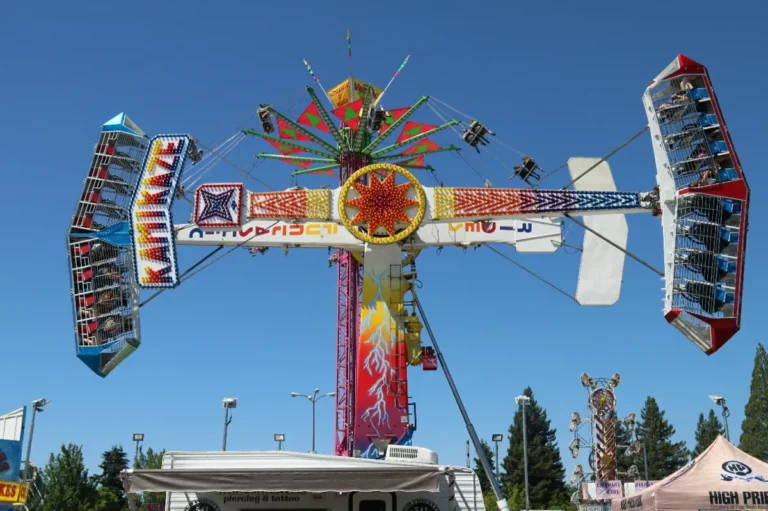
The fullest programme picture comes from the twenty twenty-six listings. Regional radio list layers describe live entertainment, food, carnival rides and vendors in Victory Park, and a regional guide layer for the same year adds food trucks and live music in the park. Read together, they sketch a fairground layout rather than a single stage event: rides and vendor stalls spread through the park, food sold from trucks and booths, and music running as the gathering’s centrepiece. The council record for twenty twenty-three uses the simplest summary of all, calling the event a street fair and live music event, and nothing in the later listings contradicts that character.
The city’s own profile, by contrast, lists the Big Dam Street Festival among Keokuk’s year round events without offering any programme detail at all, so the colour comes from the radio and guide layers and should be credited to them rather than treated as an organiser’s promise. No source consulted names individual performers, ride operators or food vendors, so visitors should expect the categories the listings name and discover the particular line up on the day.
Planning Your Visit
The documented editions give the clearest guide to timing. The festival ran from Thursday the fifth to Saturday the seventh of October in twenty twenty-three, from Thursday the twenty-sixth to Saturday the twenty-eighth of September in twenty twenty-four, and from Thursday the twenty-fourth to Saturday the twenty-sixth of September in twenty twenty-six. That is a consistent Thursday to Saturday shape at the hinge of September and October, though the sources state no fixed rule and a future year could sit differently. Anyone planning around a particular edition should confirm the dates against the tourism bureau’s calendar or the city’s event listings for that year, the layers that have carried them most reliably.
The venue is steady across every source: Victory Park, on the Keokuk riverfront. Council permit records for twenty twenty-three and twenty twenty-four place the festival there, and the regional list layers for twenty twenty-six do the same. On the money side, the sources are silent in a way visitors should understand correctly: none of the layers consulted states an admission charge for the festival. That silence is recorded here exactly as found, neither converted into a promise of free entry nor filled in with a guessed price, and the ordinary costs of rides, food and drink are separate matters the listings do not itemise. An autumn evening beside the Mississippi can cool quickly once the sun drops, so the largely outdoor format rewards dressing for the river as much as for the season.
A Sample Festival Itinerary
This outline follows the shape the documented editions share, with each part credited to the layer that records it. Thursday works as the gentle opening: the council agenda for twenty twenty-three frames the whole run as a street fair with live music, so a first evening stroll through Victory Park, taking in the vendor rows and the riverfront setting, matches what the record describes. Friday suits the fairground side of the event, since the twenty twenty-six radio listings put carnival rides and vendors at the centre of the programme; a family could give the afternoon to the rides and stalls and the evening to the food trucks the guide layer adds for that year. Saturday then belongs to the music, the element every layer agrees on. None of the sources publishes set times or an hour by hour schedule, so this itinerary stays a visitor’s framework built on documented parts, not a timetable the festival itself has issued.
How It Compares With Keokuk’s Other Events
Keokuk’s calendar is crowded enough that the Big Dam Street Festival needs its boundaries drawn. The tourism bureau lists the Geode Family Fest, also printed as Geode Fest, separately for the same September weekend in twenty twenty-six, and despite the shared weekend it is a different Keokuk event, not a part of this festival. Rollin’ on the River and Rock on the River are likewise separate Keokuk riverfront music events; no source folds them into the Big Dam Street Festival, and their programmes belong to their own organisers.
One more distinction matters because the name invites it. A travel layer describes River Power Days, the celebration of the dam’s centenary held in twenty thirteen. That was a one off historical celebration of the lock and dam itself, not an edition of the Big Dam Street Festival, and counting it as one would invent a pedigree the festival’s own record does not claim. The street festival’s claim on the dam is a name and a riverfront setting, nothing more.
Visitor Checklist
- Confirm the year’s dates on the tourism bureau’s calendar before travelling, since the documented editions move between late September and early October
- Plan around a Thursday to Saturday run, the shape every documented edition shares
- Head for Victory Park on the Keokuk riverfront, the venue named in council records and listings alike
- Bring a layer for the evening, because the park sits open to the Mississippi and autumn nights cool fast
- Carry money for rides, food trucks and vendor stalls, whose individual prices the listings do not state
- Treat any admission figure found outside the documented sources with caution, since none of them states a charge
- Keep the Geode Family Fest separate in your plans if visiting on the twenty twenty-six weekend, when both events appear
Beyond the Festival Grounds
The sources keep the focus on the park, but they sketch a town worth a slower look around the festival days. Keokuk sits in the far south eastern corner of Iowa where the Mississippi bends, and the travel layer’s account of the Lock and Dam, completed in nineteen thirteen, points to the structure that still anchors the riverfront: a working piece of river engineering that gave this festival its name. Victory Park’s position on that riverfront means the water is part of the backdrop throughout the event. The town’s standing as one of Lee County’s two seats, shared with Fort Madison, is recorded on the state legislative reference layer, and visitors moving between the two towns are travelling between twin centres of the same county.
Why the Festival Matters
A late season street festival does particular work for a river town. It stretches the outdoor calendar past the county fair summer and into the weeks when the riverfront might otherwise quieten, and it does so under a name that ties the party directly to the structure Keokuk is known for. The council paperwork trail, permits applied for and licences held by a local foundation across several years, suggests an event with organised local backing rather than a passing promotion. For residents, three days in Victory Park with rides, food and music is a communal marker at the turn of the season; for visitors, it is a reason to stand on this particular stretch of the Mississippi in early autumn.
Frequently Asked Questions
Why does the festival carry such an unusual name?
A travel layer explains that the “big dam” in the name is Keokuk’s Lock and Dam on the Mississippi River, completed in nineteen thirteen. The title borrows the landmark’s fame for a festival in the riverfront park below it. That date is the dam’s history only; the festival’s own first year is not given in any source consulted.
Which organisation stands behind the event in the official records?
City council records name the Lake Cooper Foundation. The foundation appears as the applicant for the festival’s special event permits in twenty twenty-three and twenty twenty-four, and as the holder of its temporary alcohol licences in twenty twenty-four and twenty twenty-six.
What fills the three days in the park?
The twenty twenty-six regional radio listings describe live entertainment, food, carnival rides and vendors, while a regional guide layer for the same year adds food trucks and live music in Victory Park. The council record for twenty twenty-three sums the event up as a street fair and live music event, and no layer names individual performers or stallholders.
Is this the same occasion as the celebration held for the dam in twenty thirteen?
No. The travel layer describes River Power Days as a celebration of the dam’s centenary in twenty thirteen, a separate historical occasion honouring the structure itself. The Big Dam Street Festival’s documented editions are the three day runs of twenty twenty-three, twenty twenty-four and twenty twenty-six.
What to Expect From the Next Lee County Iowa Big Dam Street Festival
How often is Lee County Iowa Big Dam Street Festival held?
The documented editions fall in twenty twenty-three, twenty twenty-four and twenty twenty-six, each a three day run, which points to a yearly rhythm with a gap in the record for twenty twenty-five rather than proof of a missed year. The sources state no formal rule about frequency.
When is the next Lee County Iowa Big Dam Street Festival?
The most recent documented edition ran from Thursday the twenty-fourth to Saturday the twenty-sixth of September, twenty twenty-six, on the tourism bureau’s calendar. Beyond that listing, the sources consulted announce no fixed future date, so the next edition’s days would need confirming on the bureau’s calendar when it appears.
Will the dates change?
They already move within a small window: early October in twenty twenty-three, then late September in both twenty twenty-four and twenty twenty-six, always Thursday to Saturday. A shift of a week or so between years fits the record so far, while the autumn slot has stayed constant across every documented edition.
Closing Notes
The Big Dam Street Festival, on the evidence of council records, the tourism bureau’s calendar and regional listings, is a three day riverfront street fair with live music, rides, vendors and food trucks in Keokuk’s Victory Park, organised in the records by the Lake Cooper Foundation and documented in twenty twenty-three, twenty twenty-four and twenty twenty-six. Its record is honest about its limits: no founding year, no stated admission charge and no named performers, set against a famous namesake completed in nineteen thirteen. What the sources do support is a settled place in the town’s autumn, in a park on the Mississippi.