Pulaski County Kentucky Pulaski County Fair Festival
Most first-timers arrive at the Pulaski County Fair carrying a picture built from state fairs on television or from a county fair two counties over. That picture is useful, but it isn’t quite this one. Pulaski County covers 677 square miles of south-central Kentucky, was founded in 1798, and takes its name from the Polish patriot Count Casimir Pulaski. Somerset is the county seat, and roughly 65,034 people lived here at the 2020 census. A fair is one of the few occasions when that scattered population lands in one place at once.
This orientation is written for someone who has never been. It covers what the week feels like, where the crowds go, what to eat, and which parts of the grounds most newcomers walk straight past.
Pulaski County Fair Essentials: Town, County, and Setting
| Town / place | The Pulaski County area, anchored by Somerset |
| County | Pulaski County, Kentucky |
| County seat | Somerset |
| Population | 65,034 (2020 census) |
| Region | South-central Kentucky |
| Typical timing | Late summer, across several consecutive days |
| Admission | Generally free to enter; rides, games, and food sold separately |
| Setting | Outdoor fairgrounds with a midway, exhibit space, and show areas |
| Signature features | Livestock shows, carnival rides, fair food, live entertainment, community exhibits |
| Organizer | Local volunteers and agricultural community groups |
What the Pulaski County Fair Actually Is
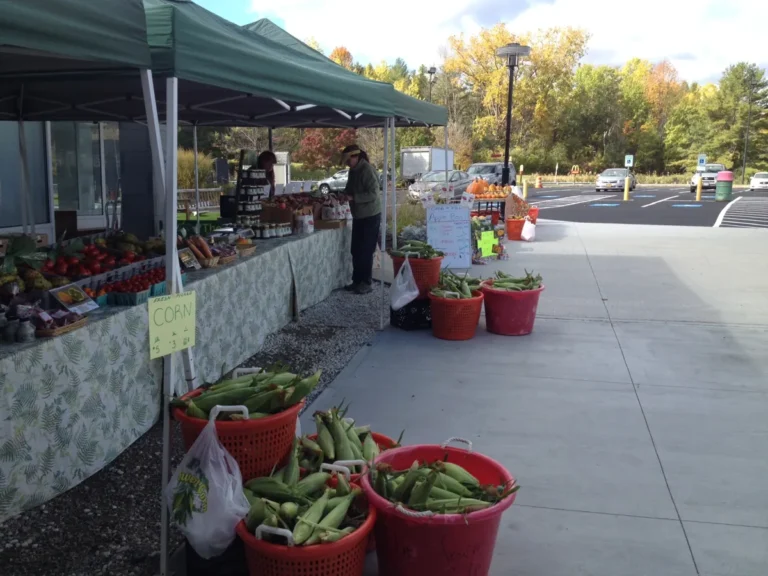
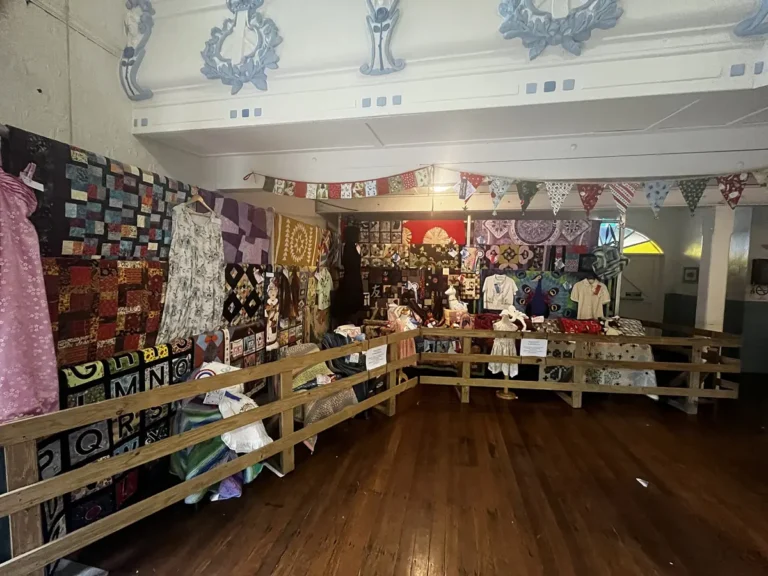
A county fair in the Kentucky tradition has two halves running side by side all week. One is the midway — rides, games, food trailers, noise and lights. The other is the exhibition side: livestock barns, judged entries, crafts, produce, and the booths where local organizations hand out information and sell raffle tickets. The Pulaski County Fair is both, staged in the Pulaski County area with Somerset as the anchor.
The fair typically runs across several consecutive days in late summer. Admission is generally free, with spending concentrated on rides, games, and food, which makes it easy to walk in, look around, and decide what you actually want to pay for. Give the exhibition half as much time as the midway half. That’s where you learn what the county does for a living.

Roots Older Than the Fair: Pulaski County Since 1798
Pulaski County was established in 1798, an era when much of south-central Kentucky was being organized into counties, courthouses, and road networks. It was named for Count Casimir Pulaski, the Polish patriot who fought in the American Revolution. Somerset became the county seat and remains the civic center of a county that today spans 677 square miles.
County fairs in this region grew out of an agricultural impulse rather than an entertainment one. Farm families needed a place to compare notes, show animals, exhibit crops and preserves, and settle friendly arguments about whose tomatoes were better. The midway arrived later and attached itself to that older core. The Pulaski County Fair still carries the structure: exhibits and livestock first, everything else gathered around them.
The 2020 census counted 65,034 residents here. That number explains the feel of the place — large enough to fill a midway on a Saturday night, small enough that you’ll run into someone you know before you finish your first lemonade.
What a Day on the Grounds Looks Like
A fair day has a predictable rhythm. Late afternoon brings families with young children. Early evening brings the after-work crowd and livestock families finishing up. After dark, the midway takes over and the lights do the talking.
Fair Food and the Kentucky Standbys
Expect the classics done well: funnel cakes, corn dogs, hand-dipped lemonade, barbecue, and the sweet-salty-cold-hot mix that only makes sense at a fair. Food is sold by the item, so a family can graze rather than commit to one big meal. On a budget, eat before you arrive and treat the fair as dessert.
Music, Livestock, and Everything Between
Live entertainment typically anchors the evenings, with regional acts on a main stage and smaller performances around the grounds. Daylight hours belong to competition: livestock shows, judging, exhibits, and contests. Bring a folding chair if you plan to sit through a show, and pick up the printed schedule at the gate rather than guessing.
Family Activities and the Kid-Sized Rhythm
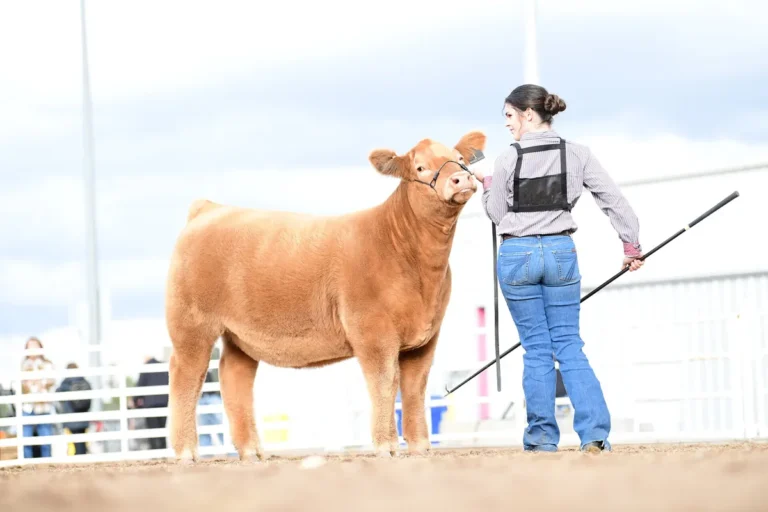
The midway usually splits into rides for older kids and a gentler set for small children. Games are the expensive part of any fair, so set a limit before handing over the first bill. The animal barns are free entertainment and often the highlight for kids who have never stood beside a cow. Families with toddlers do their best work between late afternoon and early evening, before the crowd thickens.
Planning a Pulaski County Fair Trip
Most first-timer friction comes from logistics rather than the fair itself. A little planning removes nearly all of it.
Getting There from Somerset and Beyond
Somerset sits at the center of the county and is the natural base for a visit. Coming from elsewhere in south-central Kentucky means driving — this is car country, and the grounds are built for people who arrive by vehicle. Allow extra time on weekend evenings, when roads near the fairgrounds slow considerably.
Where to Stay Around Pulaski County
Somerset offers the widest choice of lodging, from national chains to smaller independent properties, all within a short drive of the grounds. If you’re traveling with a group, a rental outside town can work well, but check the drive time first. Pulaski County is 677 square miles, and “nearby” can mean half an hour on a back road.
Parking and Getting Through the Gate
Parking is typically on-site or in adjacent fields, often with volunteers directing traffic. Arrive early in the evening for the shortest walk. Have cash ready for parking and for vendors who don’t take cards. If you’re meeting people, choose a landmark near the gate instead of trying to find each other in the middle of the midway.
Admission, Rides, and What You’ll Actually Spend
Entry is generally free, with costs concentrated in rides, games, and food. That rewards a pay-as-you-go approach: an hour at the exhibits costs almost nothing, and you decide afterward how much midway time the family wants. Ride wristbands, where offered, tend to suit kids who want to go around repeatedly. Set a number before you walk in.
Late-Summer Weather and What to Wear
Late summer in south-central Kentucky means heat, humidity, and a real chance of an afternoon thunderstorm. Wear light clothing, carry a refillable water bottle, and choose shoes you don’t mind getting dusty — much of the grounds is unpaved. A poncho beats an umbrella in a crowd, and evenings cool enough that a light layer is welcome.
A Sample Weekend at the Pulaski County Fair
Friday: arrive late afternoon, walk the exhibit halls and barns while they’re busy, eat dinner from the food row, and let the kids hit the smaller rides before the midway peaks. Stay for the evening entertainment, then leave before the parking lot becomes one slow line.
Saturday: come back earlier than you think you need to. Spend the first hour on the competition side, then move to the midway as the lights come on. Saturday is the biggest night of the week, so plan your exit in advance.
Sunday: usually the calmest day. It’s the best window for a relaxed pass through the exhibits, a second look at anything you missed, and one last funnel cake before the grounds close for another year.
Pulaski County’s Fair Versus Neighboring Fair Weeks
Pulaski County isn’t the only place in the region that clears a week for a fair. Its run shares the season with fair weeks in neighboring counties — Laurel County around London, Wayne County around Monticello, Boyle County around Danville. Each has its own personality, some leaning harder on livestock, others on entertainment and rides.
What sets Pulaski County apart is scale and setting. With 65,034 residents and 677 square miles behind it, the fair draws from a wide rural area without feeling like a metro event. Choosing between two fairs on the same weekend? Pick this one for the agricultural side and the more familiar crowd.
First-Timer’s Fair Day Checklist
Before you go: check the day’s schedule, charge your phone, bring cash in small bills, pack sunscreen, a hat, and a refillable water bottle, wear closed shoes, and add a light layer for evening. In the car: a change of clothes for small children, wet wipes, and a bag for anything muddy. At the gate: note where you parked, agree on a meeting point, set a spending limit, and grab a printed schedule. Leave with the same number of people you brought.
Beyond the Fairgrounds in Pulaski County
A fair visit is a good excuse to see more of the county. Somerset, the county seat, is where most visitors base themselves and a pleasant place to spend a morning before the gates open. The county’s 677 square miles include rolling farmland and small communities that rarely appear on an itinerary but reward a slow drive.
If you’re staying the weekend, build in time away from the midway: a long breakfast, a walk through town, a drive down a back road. The fair is the reason for the trip, but the county around it is why the trip is worth more than one evening.
What This Fair Means to Pulaski County
For most of the year, Pulaski County’s 65,034 residents are spread across 677 square miles and rarely occupy the same space. The fair collapses that distance for a week. Farm families, town families, teenagers, grandparents, and volunteers all end up on the same gravel, eating the same food and watching the same shows.
That’s the real function of a county fair, and it predates the rides. It’s a civic calendar entry, a place where the county sees itself. First-timers notice the midway. Regulars notice the people.
Pointing Yourself Toward the Fairgrounds
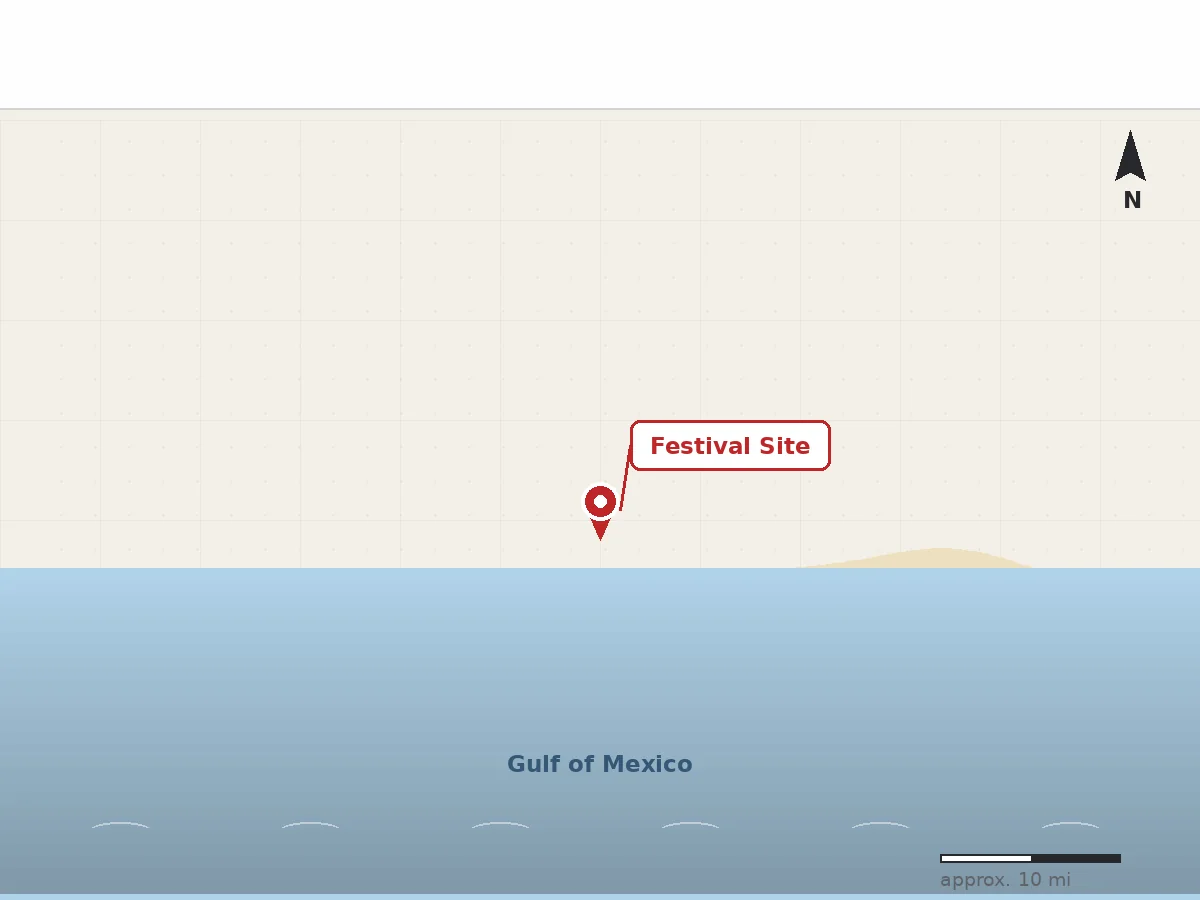
The Pulaski County Fair takes place in the Pulaski County area of south-central Kentucky, with Somerset — the county seat — serving as the closest town and the usual base for visitors.
Straight Answers Before You Head to the Fair
Do I need to buy tickets in advance?
In most years, no. Entry is generally free, and rides, games, and food are purchased on-site as you go. Some fairs offer advance ride wristbands or discounted bundles, so it’s worth checking before you travel — but don’t build your trip around securing a ticket.
Is the fair a good fit for young children and older visitors?
Yes, with timing adjustments. Families with small children do best in the late afternoon, before the midway crowd thickens. Older visitors often prefer the exhibit halls and barns, which are quieter and open earlier. Seating is limited, so a folding chair helps.
How many days should I plan for?
One evening is enough to see the fair. Two gives you room to enjoy the midway one night and the competitions another. Coming from outside the county, a single overnight stay in Somerset covers it comfortably without turning the trip into a chore.
What happens if it rains?
Summer storms here are often brief. Exhibits and some entertainment continue under cover, and the midway usually reopens once the weather passes. Bring a poncho, watch the sky, and treat a twenty-minute downpour as a chance to eat something fried under a tent.
The Next Seasons of the Pulaski County Fair
County fairs survive by adapting without losing their center. For the Pulaski County Fair, that center is agricultural — livestock, exhibits, and the competitions that have organized rural Kentucky summers for generations. Around it, the entertainment side keeps shifting: what families want from a midway and how they pay for a night out both change steadily.
What probably won’t change is the reason people come. A county of 65,034 people spread over 677 square miles needs a week when everyone is in the same place. As long as that holds true, the gates will keep opening.
Last updated: October 2026
If you’ve never been to the Pulaski County Fair, go once without a plan and once with one — you’ll learn the difference immediately. Start with the barns, end with the midway, keep cash in your pocket, and leave a little before you think you’re ready. That’s the first-timer’s version of getting it right.