Posey County Indiana Posey County Fair Festival
Posey County Fair Key Details for Southwest Indiana Travelers
| Town / place | The Posey County area, Indiana |
| County | Posey County, Indiana |
| County seat | Mount Vernon |
| County population | 25,222 |
| Land area | 419.32 square miles |
| Region | Southwestern Indiana, Ohio River valley |
| Typical timing | Summer, usually across a single weekend |
| Admission | Generally free to enter; food, rides and vendors priced separately |
| Setting and features | Rural fairgrounds with livestock barns, youth exhibits and fair food |
| Organizer | Local fair board and community volunteers |
Posey County spreads across 419.32 square miles of southwestern Indiana, a quiet grid of corn and soybean fields, wooded river bottoms and small towns gathered around Mount Vernon, the county seat. The Posey County Fair belongs to that landscape rather than standing apart from it. It is a county fair in the oldest sense: a summer weekend when the farm calendar loosens its grip, the barns fill with animals and exhibits, and neighbors who spend most of the year working opposite ends of the same county end up standing in the same line for lemonade.
The Character of the Posey County Fair in Indiana’s Southwest Corner
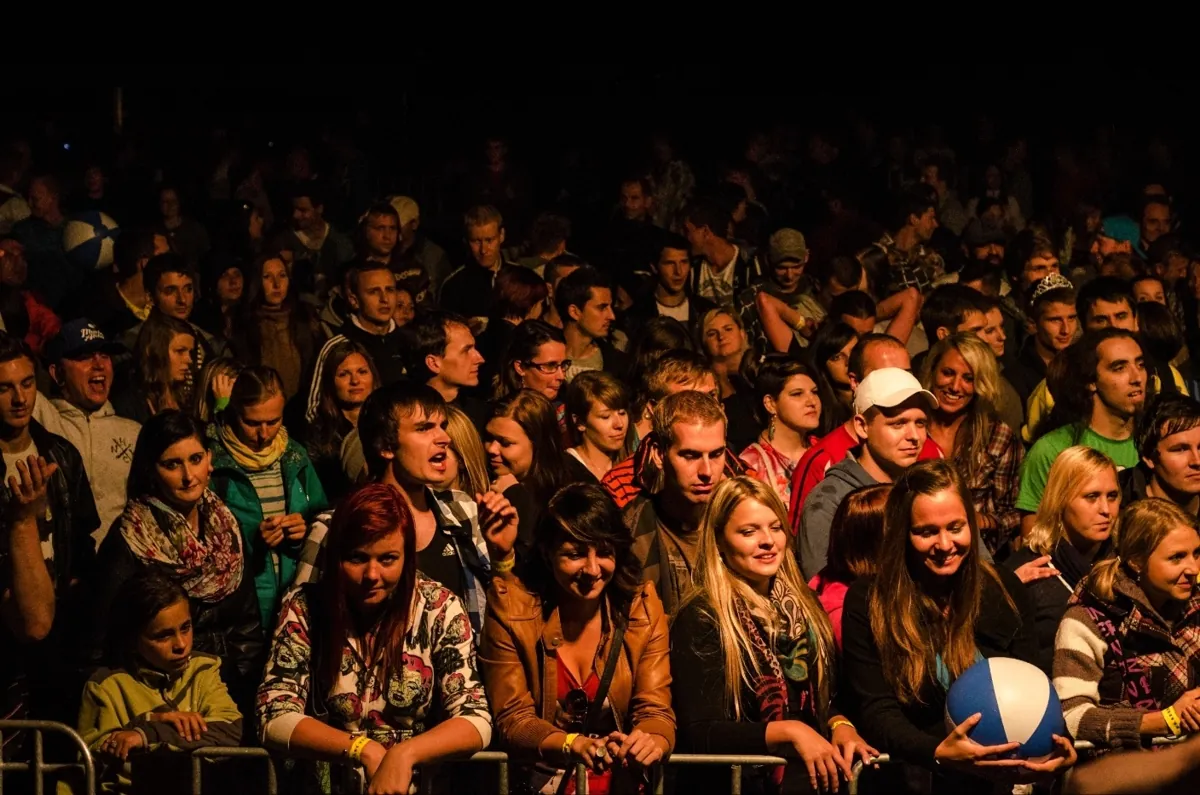
There is a particular rhythm to a fair in a county of 25,222 people. Faces repeat. A child showing a goat in the morning is bagging ice at a food stand by evening, and the person who judged the pies is the same person who sold you a raffle ticket at the gate. Nothing feels staged for outsiders, which is exactly why visitors from Evansville, New Harmony and beyond tend to leave feeling they stumbled into something real.
The setting does much of the work. Fairgrounds in this corner of Indiana tend to be flat, grassy and shaded, with barns that smell of sawdust and livestock, a row of food trailers, and a stretch of open ground where families spread blankets while the light goes gold. Evening is the fair’s best hour: the heat lifts, the noise settles into a low hum, and the whole county seems to exhale at once.
Scale is part of the appeal. This is not a mega-festival with corporate sponsors and long security lines. It is a community fair where the parking is on grass, the schedule is written for people who know each other, and the biggest attraction is often whatever the neighbors brought to show.

Two Centuries of Fair Tradition Since Posey County’s 1814 Founding
Posey County was organized on November 11, 1814, with Mount Vernon designated as the county seat. From the beginning, the county’s identity was agricultural — river-bottom farmland worked by families whose fortunes rose and fell with the weather. Annual fairs grew out of that world as a practical institution: a place to compare seed, trade stock, test equipment and argue about the best way to finish a hog.
For another look at how a community turns its own traditions into a gathering, see the Posey County Indiana Mt. Vernon River Days Festival for a useful comparison.
Through the nineteenth and twentieth centuries, county fairs across Indiana became the annual showcase for rural progress. New breeds, new machinery and new methods arrived at the fairgrounds before they reached most farms. Fairs also became social infrastructure — the one stretch of summer when distant neighbors, church groups, schoolchildren and merchants all shared the same piece of ground.
The Posey County Fair carries that inheritance forward. Its shape has shifted with the decades, absorbing youth exhibits, entertainment and a wider food culture while keeping the livestock barns at the center. What has not changed is the fair’s place in the calendar: for many families here, summer is not official until the fair has come and gone.
What a Summer Weekend at the Posey County Fair Feels Like
Arrive in the late afternoon and the fair is still warming up; arrive after dark and it is in full voice. Either way, the experience is built from the same handful of pleasures.
Fair Food and Farm Country Flavor
Fair food here follows Hoosier tradition: tenderloin sandwiches, corn dogs, funnel cakes, fresh-squeezed lemonade and ice cream eaten before it melts. Local groups often run their own stands, which means the pie, the chili and the produce frequently come from kitchens within a few miles of the gate. Portions are generous, prices are modest, and nobody minds if you eat dessert first.
Music, Contests and Evening Entertainment
Live music tends to anchor the evenings — local bands, country and gospel groups, school ensembles and the occasional tribute act — with contests filling the gaps between sets. Expect the kind of programming that rewards participation: baking and canning competitions, livestock and tractor judging, games for kids and prize drawings that seem to involve half the county. The lineup shifts from year to year, but the pattern of daytime competition and evening entertainment holds.
Family Activities and Youth Exhibits in the Barns
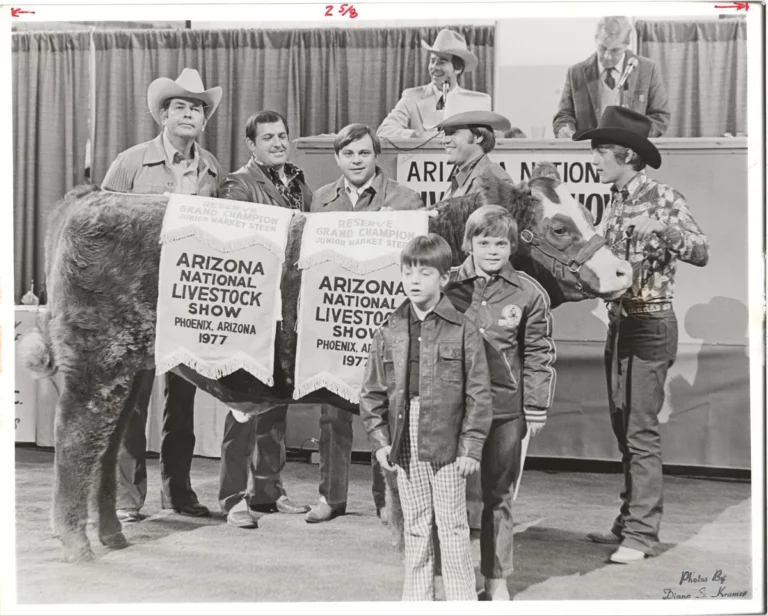
For families, the barns are the heart of it. Young exhibitors show cattle, swine, sheep, goats, poultry and rabbits, and the projects they bring — photography, woodworking, gardening, crafts — fill exhibit halls with the work of a whole school year. Younger children gravitate to the small-animal areas, the games and the rides; grandparents find shade, benches and someone to talk to. Strollers and wheelchairs manage fine on the flat ground, though grass and gravel can be uneven after rain.
Planning a Posey County Fair Weekend from Mount Vernon
A county fair rewards a little preparation. Most of what you need to know is simple: it happens in summer, it unfolds across a weekend, and the pace is slow enough that you can see everything without rushing.
Getting to the Posey County Fairgrounds
Posey County sits in Indiana’s southwest corner, with Mount Vernon as the county seat and the main hub for services. Most visitors arrive by car on state and county roads that thread between fields, and signage near the fairgrounds is generally straightforward. If you are coming from a distance, treat the drive itself as part of the trip — the approach through farmland sets the tone for the day.
Where to Stay Near Mount Vernon and New Harmony
Lodging in the county is limited, so book early. Mount Vernon offers the closest options to the fairgrounds, while the historic town of New Harmony, a short drive away, has inns and guesthouses that make a pleasant base for a weekend. Larger chains cluster in the Evansville area beyond the county line, an easy drive for anyone combining the fair with a city stay.
Parking Around the Fairgrounds
Parking at rural county fairs is usually grassy, free and first-come. Arrive early in the evening for the best spots, follow the volunteers directing traffic, and wear shoes you do not mind getting dusty. Carpooling with neighbors is both practical and, in a county this size, nearly unavoidable.
Admission, Costs and Fairground Spending
Admission to the fair is generally free, with costs concentrated in food, rides, games and vendor purchases. Bring cash for small stands and raffles, though many accept cards. Set a rough budget per person if you have children along, and check whether any individual evening event carries its own charge.
Summer Weather in Southwest Indiana and What to Wear
Southwest Indiana summers are hot and humid, with afternoon heat that lingers into the evening and the occasional fast-moving thunderstorm. Light clothing, a hat, sunscreen and a refillable water bottle cover most situations; a light rain jacket is worth the space in the bag. Evenings cool enough to make a long-sleeve layer welcome.
A Sample Posey County Fair Weekend, Step by Step
Opening evening: arrive before sunset, walk the grounds once to get your bearings, then settle at the barns while the light is good. Eat dinner from a food stand, find a seat for the evening entertainment, and stay for the last set — the fair at night, with the lights on and the crowd thinned out, is its own experience.
The full day: come early for livestock and exhibit judging, when the barns are busiest and the conversation is best. Spend the hot middle of the day in the shade or in the exhibit halls, then return in the late afternoon for games, rides and another round of fair food. This is the day to talk to exhibitors — most are happy to explain what they brought and why.
The closing stretch: a shorter visit works well. Check the results posted from the weekend’s competitions, buy anything you promised to bring home, and take one last slow loop past the barns before the grounds empty out. Leave a little room in the schedule for the drive home along the county’s back roads.
Posey County Fair and Nearby Southwest Indiana Stops
Compared with the heritage-minded streets of New Harmony, with its restored nineteenth-century buildings and quiet gardens, the Posey County Fair is louder, dustier and more agricultural — a working fair rather than a museum piece. Mount Vernon, the county seat, pairs a riverfront and small-town commercial core neatly with a fair visit, while the Evansville area supplies the big-city amenities Posey County deliberately does without: chain hotels, a wide restaurant roster and a fuller events calendar.
Set against larger regional fairs, the Posey County Fair trades scale for intimacy. You will not fight traffic for an hour to park, and you are more likely to run into the same family three times in one evening. For travelers who prefer a festival where the crowd is a community, that trade is the whole point.
Posey County Fair Packing and Prep Checklist
Before you go, confirm the season’s schedule and any evening events that carry separate charges, then map your route so you are not guessing at county roads after dark. Pack sunscreen, a hat, refillable water, a light rain layer, comfortable closed-toe shoes and a sweater for the evening. Bring cash in small bills, a tote bag for purchases and a phone charger if you plan a long day.
At the fairgrounds, note where you parked, agree on a meeting point if you split up, and check the posted times for judging and entertainment so you do not miss the parts you came for. Keep pets at home unless you have confirmed the fair’s policy, and leave coolers in the car unless signs say otherwise.
Beyond the Fairgrounds: The Rest of Posey County
The fair is a fine excuse to see more of a county that covers 419.32 square miles with very little hurry in it. New Harmony is the standout — a historic communal settlement turned quiet artists’ town, with gardens, architecture and a pace that feels a century removed. Mount Vernon anchors the southern edge of the county with its riverfront and practical small-town amenities.
Between the towns, the county is farmland: flat, wide and best appreciated from a slow drive on a county road with the windows down. Birdwatchers and paddlers find plenty to like along the waterways, and anyone with an interest in old barns, country churches and rural cemeteries will find the landscape worth an extra hour. Plan the fair as the centerpiece and the surrounding county as the bonus.
Why the Fair Still Matters to Posey County’s 25,222 Residents
For a county of 25,222 people, the fair does several jobs at once. It is an economic event for local vendors and agricultural businesses, a showcase for young exhibitors learning to present their work, and a rare occasion when the whole county gathers in one place without a funeral or a holiday attached. In a place where families are spread across towns and townships, that matters more than it sounds.
It is also a form of continuity. Posey County has been an organized place since November 11, 1814, and the fair is one of the few traditions that has stayed recognizably itself through all the changes since. The equipment is newer, the entertainment is different, and the food stands have multiplied — but the essential bargain, a few summer days when the county shows itself to itself, is unchanged.
Where the Posey County Fair Sits in Southwest Indiana
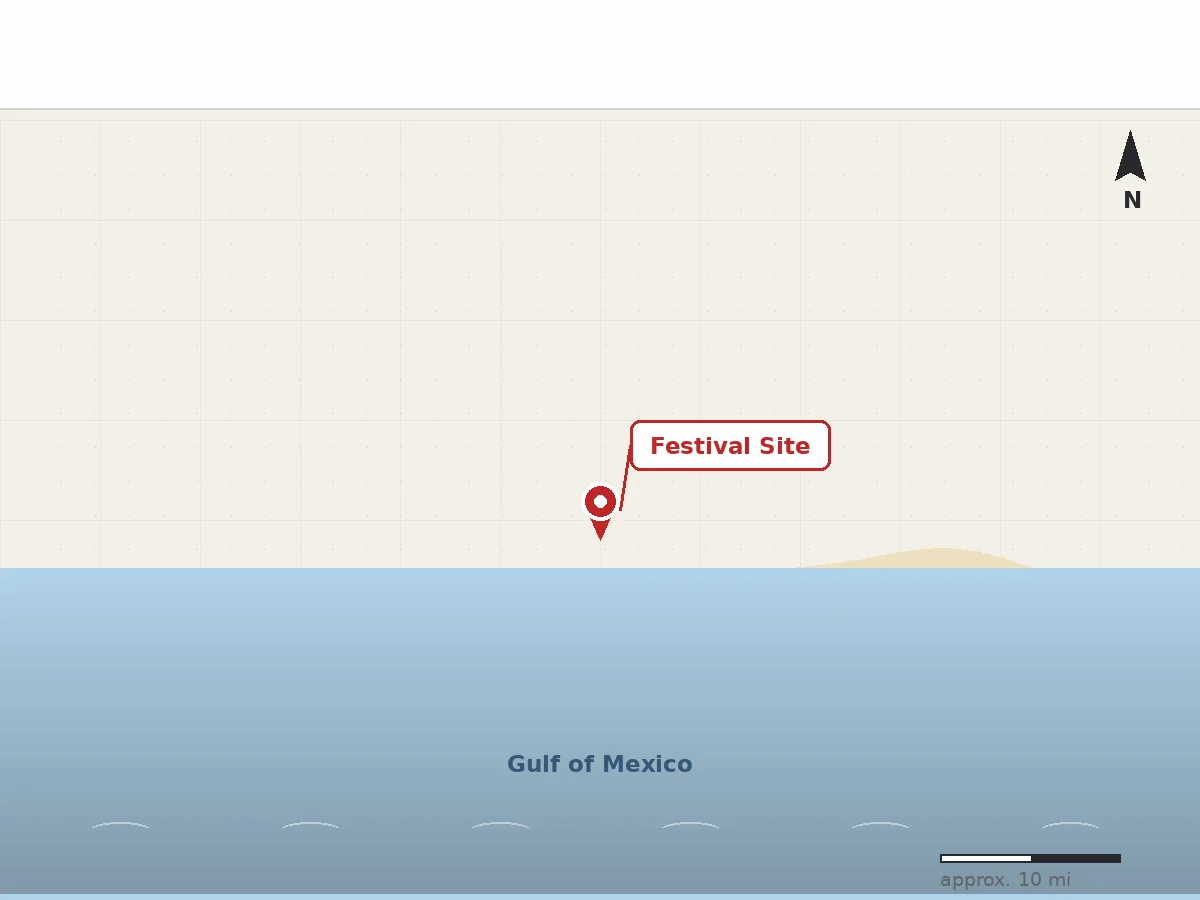
The Posey County Fair takes place in the Posey County area of southwestern Indiana, within easy driving distance of Mount Vernon, the county seat, and the historic town of New Harmony.
Posey County Fair Questions, Answered
Is the Posey County Fair free to attend?
Admission is generally free, and the fair generates its support through food, rides, games and vendor sales. Individual activities or special evening events may carry their own small charge, so it is worth checking the season’s schedule before you go.
What is the best time of day to visit?
Late afternoon into evening is the sweet spot. The heat eases, the barns are still active, and entertainment starts as the light drops. If livestock and exhibits are your priority, come earlier in the day when judging is under way.
Is the fair a good fit for young children and older visitors?
Yes. The grounds are flat and walkable, the atmosphere is relaxed, and there is plenty to hold a child’s attention — animals, games, rides and food. Older visitors will find benches, shade and a pace that never feels frantic, though grass and gravel can be uneven in places.
What should I bring to the fairgrounds?
Bring sunscreen, a hat, water, comfortable shoes and a light layer for the evening, plus cash for small stands. A tote bag helps with purchases, and a charged phone is useful for photos and for finding your group if you split up.
Looking Ahead to Future Posey County Fair Seasons
The fair’s future looks much like its past: a summer weekend, a county of farms and small towns, and a program built around livestock, exhibits and community entertainment. Regional growth and changing tastes will shape the details — more variety in food, more digital promotion, more attention to accessibility — but the core of the event is durable because it answers a need that has not gone away.
For visitors, the practical advice for coming years is simple: watch for the season’s announcement in late spring or early summer, book lodging early if you are staying overnight, and treat the fair as a full weekend rather than an afternoon. The county rewards that kind of time.
Last updated: October 2026
The Posey County Fair is not trying to be anything other than what it is: a summer gathering in a southwestern Indiana county that still measures its year by planting, harvest and the few days when everyone comes together. Go for the food and the animals, stay for the evening light over the barns, and you will understand why families here mark the season by it.