Polk County Iowa World Food and Music Festival
For three days at the end of August, a downtown park in Iowa’s capital turns into an open-air dining hall for the whole planet. The World Food & Music Festival fills Western Gateway Park in Des Moines with the cooking of twenty-nine countries, served by more than fifty-five local food vendors, and it charges nothing at the gate. The organiser’s own fact sheet for the two thousand twenty-six edition lists admission as free to attend, so the crowds moving between the stalls pay only for what they eat and drink. The weekend opens on Friday morning not with a band but with a naturalization ceremony at the Main Stage, a fitting start for a festival built around the cultures that call central Iowa home. Two stages carry the entertainment across the weekend, live music on the Main Stage and cultural performances on a separate Cultural Stage. The organiser’s vendor handbook bills the two thousand twenty-six running as the twenty-second year of the festival, and that billing is recorded here as the organiser states it, because no layer read for this article gives a founding year. What the organiser’s own layers do give in detail is the shape of the twenty twenty-six edition itself.
About the Festival
The World Food & Music Festival is produced by the Greater Des Moines Partnership and powered by Downtown DSM, Inc. and the Downtown Events Group, according to the organiser’s own press release layers for two thousand twenty-six, and it is presented by Veridian Credit Union. Its home is Western Gateway Park in downtown Des Moines, the county seat of Polk County and the capital of Iowa. The idea behind the event is straightforward: local vendors cook the food of many homelands in one shared green space, and stages, demonstrations and workshops fill the hours between meals. The organiser’s own layer states that more than ninety thousand people attended the two thousand twenty-five edition, a figure recorded here as the organiser’s own attendance claim rather than an independent count. The organiser’s layers also describe the festival as ranked among the best cultural and food festivals in the nation by national readers’-choice and magazine lists in two thousand twenty-six, again recorded as the organiser reports them. Between the naturalization ceremony that opens the weekend and the hands-on workshops in its Cultural Activity Pavilion, the festival presents itself as a celebration of the immigrant and heritage communities whose cooking anchors the vendor rows. The organiser’s material returns repeatedly to that pairing of eating and learning: a visitor can watch a dish demonstrated, join a workshop led by a CultureALL ambassador, hear music from two stages, and then eat the food those traditions produced, all inside one park and one weekend. That structure, rather than any single headline act, is what the organiser’s layers describe.
Quick Facts
| Item | Detail |
| Published name | World Food & Music Festival, with an ampersand; the sheet title spells the conjunction out as “and” |
| Town | Des Moines, county seat of Polk County and capital of Iowa |
| Venue | Western Gateway Park, downtown Des Moines |
| Dates in 2026 | Friday the twenty-eighth of August to Sunday the thirtieth of August |
| Hours in 2026 | Eleven in the morning to ten at night on Friday and Saturday; eleven to five on Sunday |
| Admission | Free to attend, per the organiser’s own fact sheet |
| Produced by | Greater Des Moines Partnership, powered by Downtown DSM, Inc. and the Downtown Events Group |
| Presented by | Veridian Credit Union |
| Food vendors | More than fifty-five local vendors representing twenty-nine countries |
| Attendance claim | More than ninety thousand people at the two thousand twenty-five edition, by the organiser’s own count |
History
The written record behind this article is honest about its limits. No layer read for it states the year the festival was founded, and this article does not manufacture one. What exists is a billing: the organiser’s vendor handbook describes the two thousand twenty-six edition as the twenty-second year of the festival. A billing of that kind tells readers how the organiser counts its own run, and it is carried here in exactly those terms, without arithmetic turned into a founding date. Beyond that, the organiser’s layers speak mostly about the recent festival rather than its early ones. They report that more than ninety thousand people attended in two thousand twenty-five, and they describe national readers’-choice and magazine lists ranking the festival among the best cultural and food festivals in the nation in two thousand twenty-six, accolades recorded as the organiser’s own claims. The setting needs no embellishment: Des Moines is both the seat of Polk County and the state capital, and Western Gateway Park gives the festival a downtown stage in the middle of the city it celebrates. No layer read states that the festival has ended or paused, and the organiser’s material already looks ahead, inviting vendor interest for a two thousand twenty-seven edition.
What to Expect
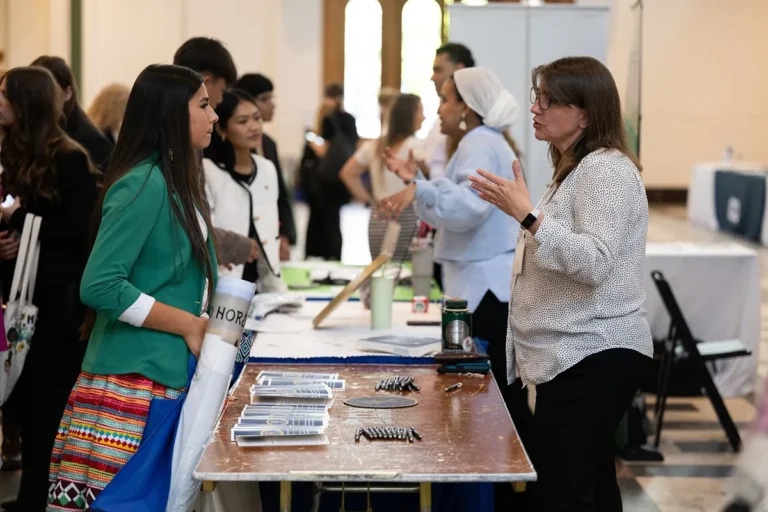
Food comes first, and the organiser’s two thousand twenty-six layers describe more than fifty-five local food vendors representing twenty-nine countries. Menus mark gluten-free, dairy-free, vegetarian and vegan options, so visitors with dietary limits can plan a route through the rows instead of guessing at each stall. Every vendor’s menu pairs two-dollar taste items alongside full meals, a format that lets a visitor sample widely across countries before committing to a plate. Away from the stalls, live music plays on the Main Stage while cultural performances run on the Cultural Stage, and cooking demonstrations show how some of the dishes on sale are made. The Cultural Activity Pavilion hosts hands-on workshops led by CultureALL ambassadors, giving visitors a chance to take part rather than only watch. Merchant and nonprofit exhibitors round out the grounds. The weekend’s most distinctive moment arrives early: on Friday morning a naturalization ceremony opens the festival at the Main Stage, welcoming new citizens before the first full day of food and music begins. Taken together, the programme layers describe a grounds plan that rewards wandering: a row of stalls for eating, two stages for watching, a demonstration area for learning recipes, and a pavilion for joining in. A visitor could spend the whole visit grazing and listening, or treat the workshops and demonstrations as the main event and the food as the interval, and the organiser’s layers support either reading of the day.
Planning Your Visit
The twenty-sixth edition documented here ran from Friday the twenty-eighth of August to Sunday the thirtieth of August in two thousand twenty-six. Friday and Saturday hours ran from eleven in the morning to ten at night, and Sunday closed earlier, from eleven in the morning to five in the afternoon, all as the organiser’s fact sheet and press release layers state them. The setting is Western Gateway Park in downtown Des Moines, so the festival sits in the middle of the city rather than on fairground outskirts. Admission is free to attend, per the organiser’s own fact sheet, which means a visit can be built around the two-dollar taste items if the budget is small, or around full meals from several countries if it is not. Arriving on Friday morning catches the naturalization ceremony at the Main Stage, the one programme element fixed to a single time in the organiser’s layers. Anyone thinking further ahead should know the organiser’s layers already invite vendor interest for the two thousand twenty-seven edition, although those layers fix no date for it.
For a useful comparison, see the Pocahontas County Iowa Fall Festival for another county festival.
A Sample Itinerary
A visit shaped by the documented twenty twenty-six programme might begin on Friday morning at the Main Stage, where the naturalization ceremony opens the festival. From there, the late morning belongs to the vendor rows: taste items from several countries make a grazing lunch, and the menus’ markings for gluten-free, dairy-free, vegetarian and vegan dishes help mixed groups eat together. The afternoon can split between cooking demonstrations and the Cultural Activity Pavilion, where CultureALL ambassadors lead hands-on workshops. Friday evening returns to the stages, with live music on the Main Stage and cultural performances on the Cultural Stage running toward the ten o’clock close. Saturday allows a slower pass through the stalls for the full meals skipped on Friday, plus time with the merchant and nonprofit exhibitors. Sunday runs shorter, eleven to five, and suits a final round of favourite stalls before the festival closes.
How It Compares
Western Gateway Park hosts more than one large festival, and the organiser’s record should not be confused with its neighbours. The Des Moines Arts Festival and the Latino Heritage Festival are also held at Western Gateway Park, according to tourism and magazine layers, but they are separate events with their own organisers, dates and programmes, and neither is part of the World Food & Music Festival. Food festivals in other Iowa cities likewise stand apart from this one. What distinguishes the festival described here is its particular combination: dozens of local vendors each cooking the food of a different country, a naturalization ceremony in the opening slot, and a pavilion devoted to cultural workshops, all in the capital’s downtown park.
A Visitor’s Checklist
- Decide which countries’ stalls to try first, since more than fifty-five vendors represent twenty-nine countries
- Check the menus for the gluten-free, dairy-free, vegetarian and vegan markings if anyone in the group needs them
- Start with two-dollar taste items and return for full meals at the stalls that impress
- Be at the Main Stage on Friday morning for the naturalization ceremony
- Set aside time for a cooking demonstration and a workshop at the Cultural Activity Pavilion
- Note the earlier Sunday closing time of five in the afternoon when planning the last day
Beyond the Festival
The festival’s record, as the organiser’s layers present it, is centred on Western Gateway Park and on Des Moines itself, the Polk County seat and Iowa state capital. The same park hosts other major gatherings in other weeks, including the Des Moines Arts Festival and the Latino Heritage Festival, so the downtown green space works as the city’s festival ground across the season. For this festival’s own story, though, the ground beyond the park that matters most is the city itself: the vendors are local, the countries they represent are the countries Des Moines residents come from, and the ceremony that opens the weekend formally adds new citizens to that same community. The park simply gives those overlapping circles one address for three days. A visitor whose trip extends past the festival weekend is still, on this record, in the middle of the city the festival celebrates, surrounded by the communities whose vendors fill its rows each August.
Why It Matters
A capital city that opens its signature food festival with a naturalization ceremony is making a statement about who belongs at the table. The organiser counts more than ninety thousand attendees at the two thousand twenty-five edition, by its own figures, and reports national rankings among the country’s best cultural and food festivals, claims recorded here as the organiser makes them. Underneath the numbers, the documented programme tells the plainer story: local vendors cooking the food of twenty-nine countries, ambassadors leading workshops in a cultural pavilion, and new citizens welcomed on the Main Stage before the music starts. That combination is what the festival’s significance rests on in the layers read for this article.
Frequently Asked Questions
What can visitors taste for two dollars at the festival?
The organiser’s two thousand twenty-six layers say that vendor menus offer two-dollar taste items alongside full meals. The format is deliberate: a visitor can sample small portions from several of the twenty-nine countries represented before choosing where to eat a full plate, and the menus mark gluten-free, dairy-free, vegetarian and vegan options to guide those choices.
What happens at the Main Stage before the music starts on Friday?
A naturalization ceremony opens the festival at the Main Stage on Friday morning, according to the organiser’s layers. New citizens are welcomed there before the first full day of the programme, after which live music takes over the Main Stage and cultural performances run on the Cultural Stage.
Who runs the World Food & Music Festival?
The organiser’s press release layers state that the festival is produced by the Greater Des Moines Partnership and powered by Downtown DSM, Inc. and the Downtown Events Group, and that it is presented by Veridian Credit Union. Those bodies are named exactly as the organiser’s own material prints them.
How many people does the organiser say attended in two thousand twenty-five?
The organiser’s own layer states that more than ninety thousand people attended the two thousand twenty-five edition. That number is the organiser’s attendance claim, recorded as such in this article; no independent count appears in the layers read.
What to Expect From the Next Polk County Iowa World Food and Music Festival
How often is Polk County Iowa World Food and Music Festival held?
The organiser’s layers document the festival as a recurring late-August event, with the vendor handbook billing the two thousand twenty-six edition as the twenty-second year of the festival. The layers read fix its place in the calendar at the end of August rather than scattering it across the year.
When is the next Polk County Iowa World Food and Music Festival?
The organiser’s layers already invite vendor interest for a two thousand twenty-seven edition, which shows the next running is being prepared. Those layers, however, publish no fixed date for it, so this article cannot give one; the most recent documented edition ran from the twenty-eighth to the thirtieth of August, two thousand twenty-six.
Will the dates change?
The organiser’s published material mentions no change to the timing. The documented two thousand twenty-six edition kept the festival’s late-August position, running Friday to Sunday with an earlier close on the Sunday, and the organiser’s forward-looking material concerns vendor interest for two thousand twenty-seven rather than any shift of season. Until the organiser publishes dates, the late-August pattern is all the record supports.
Closing Thoughts
The World Food & Music Festival, as its organiser documents it, is a free weekend in the capital’s downtown park where twenty-nine countries are cooked by local hands, new citizens are welcomed on stage, and ninety thousand visitors, by the organiser’s own count, came the year before. Its billing as a twenty-second-year event and its reported national rankings speak to staying power, even though the record read here names no founding year. What is documented is enough: the vendors, the stages, the ceremony and the workshops, all dated and detailed for two thousand twenty-six.