Orleans Parish Louisiana New Orleans Jazz & Heritage Festival

On the first Saturday morning of Jazz Fest, Odette Boudreaux has four straw hats lined up on the kitchen table before the coffee finishes perking. She is seventy-eight, raised in the Seventh Ward, and she has not missed a New Orleans Jazz & Heritage Festival in decades. Her daughter Renée is stuffing sunscreen and a folding rain poncho into a tote bag. Renée’s husband Curtis is wrestling a pull wagon into the trunk. Nine-year-old Micah is practicing a second-line strut down the hallway, and thirteen-year-old Sophie is negotiating for a later bedtime.
The Boudreaux family lives in Gentilly, a short drive from the Fair Grounds, and their festival day runs on a fixed rhythm: arrive early, eat before the lines swell, stake out a patch of grass near a stage the kids can dance in front of, and let Odette set the pace. Multiply that rhythm by thousands of households across Orleans Parish and you start to see what this event really is — not a concert with food stalls bolted on, but an entire city’s culture spread across a race track for two long weekends each spring.
Jazz Fest Essentials for a Boudreaux Family Weekend
| Town / place | New Orleans, in the Orleans Parish area |
| County (parish) | Orleans Parish, Louisiana |
| County seat | New Orleans, which shares a consolidated government with the parish |
| Population | A densely settled urban parish on the Mississippi River |
| Region | Southeast Louisiana, Mississippi River delta and Gulf Coast |
| Typical timing | Two long weekends in late April and early May, in most years |
| Admission | Ticketed; single-day and multi-day passes are sold in advance |
| Setting | The Fair Grounds, a historic race course in the Mid-City neighborhood |
| Features | Multiple stages, Louisiana food stalls, craft vendors, heritage and gospel tents |
| Organizer | A New Orleans–based nonprofit jazz and heritage foundation |
What the New Orleans Jazz & Heritage Festival Actually Is
Strip away the branding and the festival is a straightforward proposition: for two extended weekends in spring, a large swath of the Fair Grounds is turned into a temporary neighborhood of stages, kitchens, and craft booths. Dozens of acts play each day, moving from brass bands and gospel choirs to zydeco, Cajun, funk, blues, and headline sets on the biggest stages. Food stalls represent the cooking of south Louisiana and beyond, from po-boys and crawfish dishes to stuffed breads and sweet snowballs.
Admission is ticketed, which shapes the day more than visitors expect. Passes are sold per day and in multi-day packages, so families tend to plan one or two festival days rather than wander in on a whim. What that ticket buys is density: within a few hundred yards, the Boudreaux family can hear a Mardi Gras Indian procession, watch a craftsman weave palmetto, and buy a plate of something that tastes like somebody’s grandmother made it that morning. The crowd is a mix of locals who treat the weekend as a reunion and travelers who have built a whole trip around it.
Congo Square Roots: How the Festival Came to Orleans Parish
The ground beneath this music is old. Orleans Parish was founded on April 14, 1807, and it now covers 349.85 square miles of land, stretching from the river bends of the city out toward the lake. Long before any festival existed, Congo Square served as a gathering place where enslaved and free Black musicians played drums and instruments on Sunday afternoons, keeping rhythms alive that would feed everything that followed.
From that foundation came brass bands, jazz funerals, second lines, rhythm and blues, and the parade culture that still defines the city’s calendar. The Jazz & Heritage Festival took shape in the early 1970s as a way to put Louisiana musicians, cooks, and craftspeople in front of a paying audience on their own terms — a stage built by the community rather than imported for it. It began modestly and grew into a two-weekend institution anchored at the Fair Grounds, with heritage programming that treats the culture as the main attraction rather than background decoration.
For families like the Boudreauxs, that history is personal. Odette remembers hearing her father talk about the musicians he saw as a young man, and she has spent decades watching the same songs pass from one generation of players to the next. When Sophie asks why the gospel tent makes her grandmother cry, the answer is a hundred years long.
A Day Across the Fair Grounds: Food, Music, and Kids in Tow
Cochon de Lait, Crawfish, and the Long Lunch Line
Food is the family’s first stop, deliberately. Curtis takes Micah to claim a picnic table while Renée and Odette work the stalls, and by mid-morning they have assembled a spread: cochon de lait, crawfish Monica, a soft-shell po-boy split four ways, and something cold and sweet for the kids. The rule in the Boudreaux household is to eat before hunger makes decisions, because the lines at the most beloved stalls stretch by early afternoon. Vegetarian options exist, and most vendors accept cards, but a little cash still speeds things along.
Gospel Tents, Brass Bands, and Headliners on the Big Stages
Music runs continuously from late morning until the closing sets. Odette plants her folding chair in the gospel tent and stays for hours, fanning herself with a paper program. Renée and Sophie drift toward the blues and brass stages, where the horn lines are loud enough to feel in the sternum. Curtis chases headliners on the largest field, moving between sets as the afternoon light turns gold. Nobody in the family tries to see everything; the festival rewards wandering more than scheduling.
Kid-Friendly Corners and the Craft Village
Micah’s day is built around the children’s area, where instruments are handed to small hands and nobody minds a little noise. Sophie prefers the craft demonstrations — watching a woodcarver or a quilter work — and the two of them collect paper fans and cold drinks between stops. Ear protection, a refillable water bottle, and a change of shirt for the ride home are non-negotiables. By four o’clock, both kids are dusty, sticky, and completely content.
Getting In, Staying Over, and Paying for It in Orleans Parish
Getting There: Air, Rail, and Streetcar
Out-of-town visitors usually fly into the city’s airport and ride in by taxi, rideshare, or shuttle. Amtrak’s Crescent line serves the city from the north and east, which suits travelers who would rather not drive. Once downtown, the streetcar network and city buses can get you surprisingly close to the Fair Grounds, and walking the last stretch is often faster than sitting in traffic.
Where to Stay in and Around Orleans Parish
Hotels in the French Quarter, Central Business District, and Warehouse District put you within a short ride of the gates and near restaurants worth visiting after the music stops. Mid-City and Bayou St. John guesthouses trade polish for proximity. Book early: the two festival weekends are among the busiest lodging periods of the year, and rates climb accordingly.
Parking, Bikes, and Walking to the Gates
Driving in is possible but rarely pleasant. Neighborhood parking near the Fair Grounds fills early and is tightly enforced, so many locals bike in and use the guarded bike parking, or split a rideshare with friends and get dropped a few blocks away. If you do drive, arrive at opening and expect to walk. Comfortable shoes matter more than a good parking spot.
Tickets, Passes, and Daily Costs
Tickets are sold in advance, with single-day and multi-day options, and prices are reset by the organizers each year, so confirm current rates through official channels rather than relying on last season’s numbers. Budget beyond admission: food, drinks, and crafts add up quickly, and a family of four should plan for a full day of spending. Children’s admission policies have historically been generous, but verify the current rules before you promise anything to a nine-year-old.
Weather in Late April and Early May
Expect warm, humid days in the 80s with strong sun and the real possibility of an afternoon thunderstorm. Dress in light layers, bring a poncho rather than an umbrella, and treat the shaded tents as both music venues and survival stations. Mud is part of the experience in a wet year, which is why the Boudreauxs keep a bag of old towels in the trunk.
A Three-Generation Sample Weekend Itinerary
Friday: arrive in the city by mid-afternoon, check in, and spend the evening eating somewhere casual near your lodging. Walk the French Quarter or the riverfront after dark to get your bearings, and set out clothes and hats for the morning.
Saturday: leave for the Fair Grounds early, claim a spot near a stage that suits both kids and grandparents, and split the day into shifts — one adult with Odette in the gospel tent, one with Micah at the children’s area, regrouping for lunch and the late-afternoon sets. Leave before the final headliner if you have small children; the exit crush is real.
Sunday: sleep in, then brunch somewhere in Mid-City or the Bywater. Spend the afternoon on a slower errand — City Park, a streetcar ride down St. Charles Avenue, a record shop — and close the weekend with an early dinner. If you have the stamina and the passes, return for a second festival day, but a single well-paced day beats two exhausting ones.
Nearby Alternatives and How They Compare
Orleans Parish does not lack for competition. The French Quarter Festival fills the Vieux Carré with free outdoor stages each spring, trading ticketed scale for walkable intimacy and a shorter commitment. The Essence Festival draws enormous crowds to the Central Business District in summer with a focus on Black music and culture, though it operates on a very different rhythm and audience.
Smaller options reward travelers who want less crowd: Satchmo SummerFest, a tribute to Louis Armstrong, and the Baton Rouge Blues Festival, an easy drive upriver, both offer strong Louisiana lineups in a fraction of the space. If your priority is the full sweep of Louisiana music, food, and craft in one place, Jazz Fest remains the widest door.
Packing and Prep List for a Fair Grounds Day
Sunscreen and a wide-brimmed hat; refillable water bottles for everyone; a rain poncho; comfortable, broken-in shoes; ear protection for children; a light blanket or soft folding chairs if the current bag policy allows them; cash and a card; a small towel; a change of shirt for the ride home; a printed or downloaded schedule so you are not relying on a phone battery that will die by two o’clock; and a meeting point agreed on before you walk through the gate, in case the group splits.
Beyond the Festival: Orleans Parish Between Sets
The festival is one thread in a very thick rope. City Park’s live oaks and the New Orleans Museum of Art sit a short drive from the Fair Grounds. The St. Charles Avenue streetcar clatters past mansions and college lawns. Along the Mississippi, the levee path and the riverfront parks offer an antidote to crowd fatigue, and the French Market and the historic neighborhoods reward an unhurried morning.
Food is its own itinerary. Between festival days, the Boudreauxs eat their way through neighborhood restaurants — a plate lunch in Gentilly, oysters somewhere near the river, beignets for the kids because it is tradition. Museums devoted to jazz, Mardi Gras, and the city’s complicated history fill rainy hours, and the music continues in clubs and on corners long after the Fair Grounds gates close.
Community, Craft, and Continuity in Orleans Parish
What distinguishes this weekend is who benefits from it. Musicians, cooks, craftspeople, and neighborhood vendors from across south Louisiana are the core of the program, not a decorative add-on, and the heritage stages keep traditions visible to audiences who might otherwise never encounter them. For a parish of 349.85 square miles that has weathered storms, displacement, and hard economic years, that continuity is not sentimental. It is infrastructure.
Odette puts it more simply. She has watched her grandchildren learn to dance in front of a stage where her own father’s favorite horn player once stood, and she intends to be back next spring with the same four hats on the same kitchen table.
Where the Festival Sits in Orleans Parish
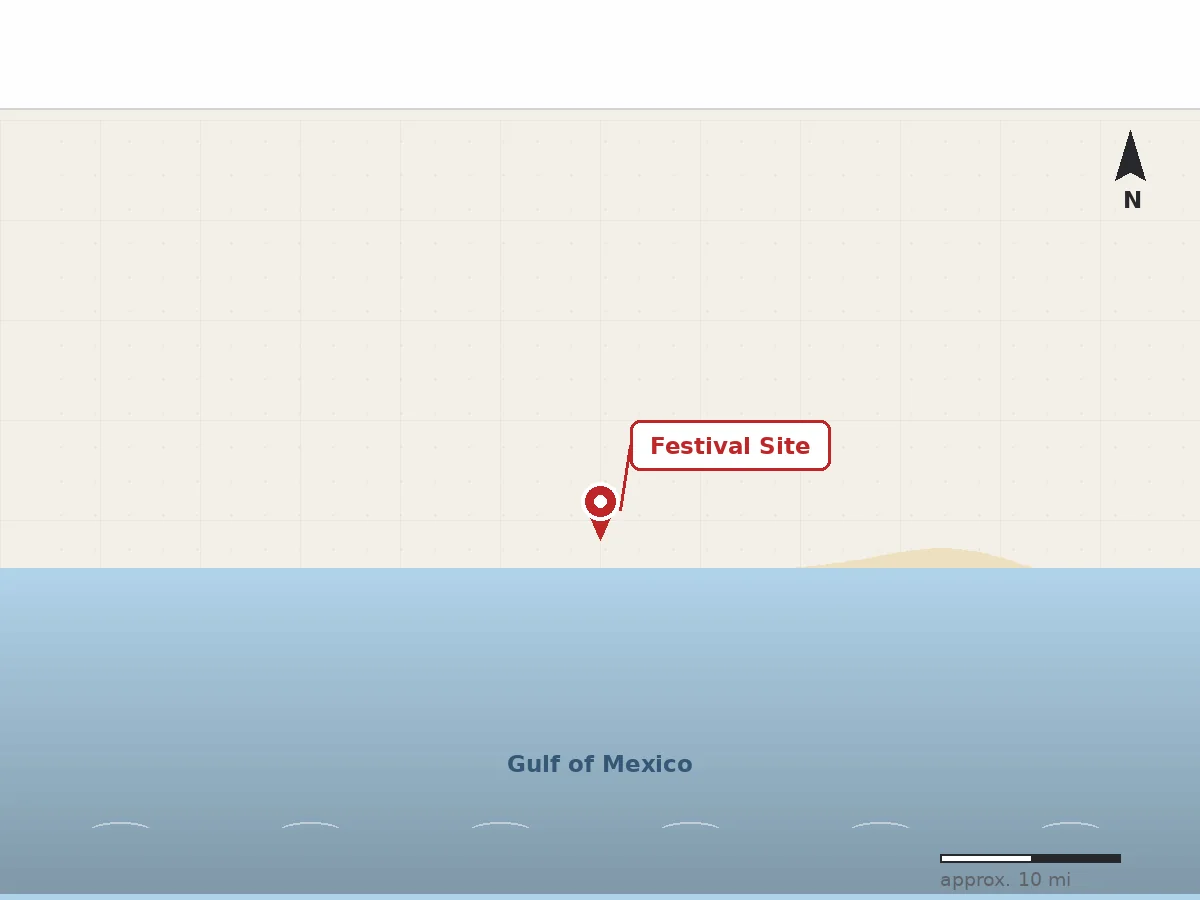
The New Orleans Jazz & Heritage Festival takes place at the Fair Grounds in the Mid-City neighborhood of New Orleans, within Orleans Parish and roughly three miles from the French Quarter.
Jazz Fest Questions First-Timers Ask
Do I need to buy tickets before I arrive?
Yes. Admission is ticketed, and passes are typically sold in advance as single-day tickets or multi-day packages. Because pricing and availability change from year to year, check the official festival channels for current rates and entry rules rather than assuming last season’s details still apply.
Is the festival suitable for young children and older relatives?
Very much so, provided you plan around the heat. There are children’s activities, shaded tents, and plenty of places to sit, and the pace can be as slow as you like. Bring ear protection for small kids, water for everyone, and a clear meeting point in case your group separates in the crowd.
What should I leave at home?
Large umbrellas, glass containers, and anything that turns a crowded field into a hazard. Bag and chair policies are reviewed each year, so confirm the current list before you pack. A poncho, a soft bag, and a refillable bottle will carry you through almost any weather the season throws at the parish.
How many days should I plan for?
One festival day is enough to understand the scale; two days let you hear far more music and eat across several stalls without rushing. Travelers coming from out of state often build a long weekend around a single festival day and use the rest of the time for the city itself.
What Comes Next for the New Orleans Jazz & Heritage Festival
The two-weekend spring format appears settled for the foreseeable future, and the pressures on it are familiar ones: capacity, heat, traffic, and the cost of putting on an event this large in a dense city. Organizers continue to emphasize Louisiana artists, local food vendors, and heritage programming, and there is steady talk of improving shade, water access, and crowd flow as attendance expectations hold steady.
For families, the practical outlook is simple. Plan earlier, buy passes sooner, and expect the same crowded, joyful, exhausting days that have defined the festival for generations. Odette has already claimed the kitchen table for next spring.
Last updated: October 2026
Driving home through Mid-City, with two sleeping kids in the back and the radio still playing something with a horn section, Curtis takes the long way past the Fair Grounds. The gates are closed, the grass is flattened, and the light is fading behind the oaks. Odette looks out the window and says what she says every year: same time next spring, same four hats, same family. In Orleans Parish, that is not nostalgia. It is a plan.