Oneida County Idaho Oneida County Fair Festival
The Oneida County Fair is one of those seasonal gatherings that feels inseparable from the landscape around it. In Idaho’s Oneida County, where Malad City serves as the county seat and the surrounding communities spread across 1,202 square miles, the fair marks a familiar late-summer rhythm. It is a time when neighbors compare garden results, families plan around livestock shows, and visitors from nearby towns drift into the Oneida County area for food, entertainment, and a shared sense of place.
Oneida County Fair Quick Facts for Malad City Visitors
| Town / area | Oneida County area, anchored by Malad City |
| County | Oneida County, Idaho |
| County seat | Malad City |
| Population | Rural small-town communities across the county |
| Region | Southeastern Idaho |
| Typical timing | Late summer, usually on a weekend during the regional fair season |
| Admission | Generally free grounds admission; individual vendors, rides, and some activities may charge separate fees |
| Setting | Agricultural fairgrounds and open-air community spaces in the Oneida County area |
| Features | Livestock and still exhibits, food stands, live entertainment, family activities |
| Organizer | Local fair board and community volunteers |
About the Oneida County Fair and Its Rural Idaho Setting
The Oneida County Fair belongs to a county that was founded on January 22, 1864, and has kept Malad City as its county seat. That long county history matters to the fair’s character. This is not a big-city exposition or a sprawling commercial festival. It is a county fair in the truest sense: local, grounded, and shaped by the agricultural calendar, school schedules, and the volunteer energy of people who live in and around the Oneida County area.
Because Oneida County covers 1,202 square miles, the fair also serves as a meeting point for families who may otherwise be separated by long rural distances. The fairgrounds become a temporary town square. Exhibits, concession stands, animal pens, and seating areas turn into places where people catch up, make plans, and celebrate another season of work and community life. For visitors, the fair offers an easy introduction to the county’s pace: friendly, practical, and deeply tied to the land.
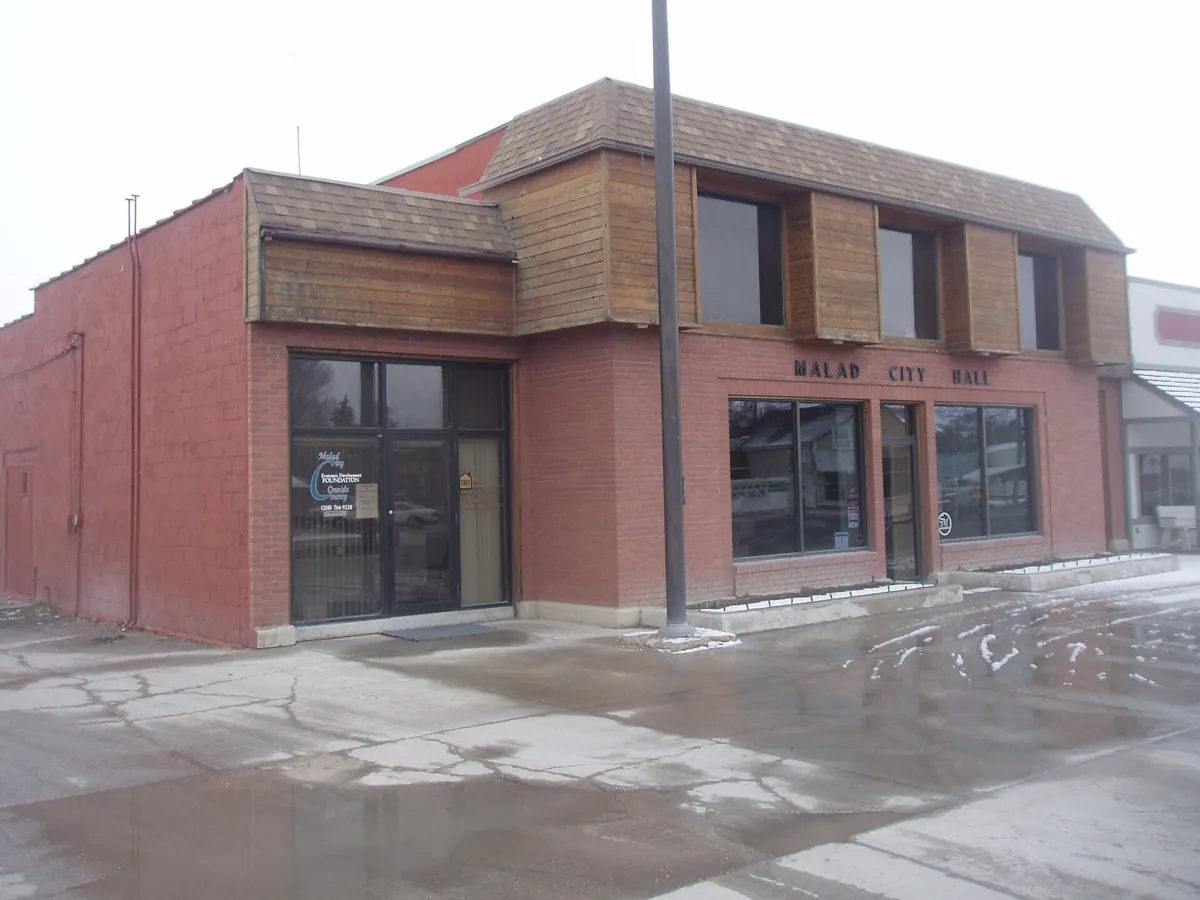
Malad City, as the county seat, is the natural anchor for the event. Even when the fair draws people from smaller surrounding communities, the town’s role as a civic hub gives the festival a clear center. The result is a fair that feels both local and welcoming, where the schedule may be relaxed but the traditions are taken seriously.
How Oneida County’s 1864 Roots Shape the Fair
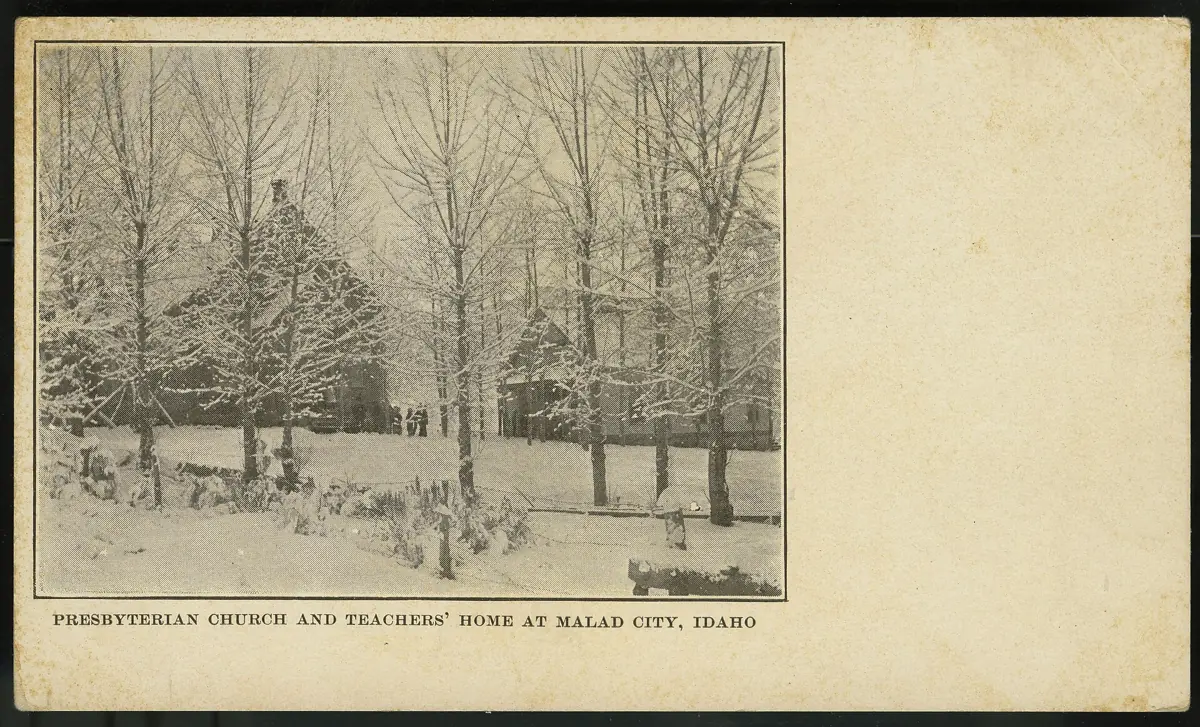
Oneida County was established on January 22, 1864, during a period when Idaho’s rural counties were being organized around settlement, agriculture, and travel routes. Malad City became the county seat, and over time it developed into the civic and commercial center for a wide, thinly populated region. The county fair grew from that same world: a place where farmers, ranchers, families, and small-town businesses could gather in one spot.
County fairs in this part of Idaho have traditionally followed the rhythms of the growing season. They arrive after the hardest work of summer, when gardens are producing, livestock projects are ready for judging, and communities are looking for a moment to socialize before autumn changes the pace. The Oneida County Fair fits that pattern. It is a late-summer event in spirit, even when specific weekend dates shift from year to year.
The fair’s history is less about a single founding date than about continuity. Each generation adds its own touches, but the core remains recognizable: exhibits, competitions, food, entertainment, and conversation. In a county with just over 1,200 square miles of land, that continuity helps tie together residents who value self-reliance and neighborliness. The fair is one of the few moments when the whole county can feel like a single community.
What to Expect at the Oneida County Fair
Food and Concessions Around the Fairgrounds
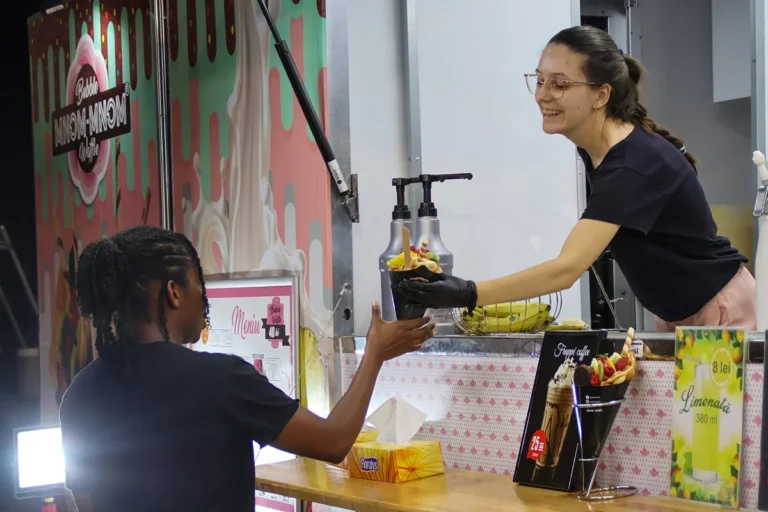
Fair food is part of the ritual. Expect the familiar aromas of grilled burgers, hot dogs, fries, nachos, popcorn, and sweets drifting across the grounds. Local vendors and community groups often set up booths, which means the food can feel more personal than corporate. You may find homemade baked goods, preserves, or church-group specialties alongside classic concession-stand fare. Bring a little cash for smaller stands, and plan to eat at least one thing you would not normally make at home.
Music, Entertainment, and Fairground Stages
Entertainment at the Oneida County Fair tends to be relaxed and family-friendly. Local musicians, school groups, and community performers often take the stage, while fairground activities may include contests, demonstrations, or announcer-led events. The exact lineup changes from year to year, but the atmosphere stays informal. People wander between the seating area, the exhibit buildings, and the food stands, pausing when something catches their attention.
Family Activities and Agricultural Exhibits
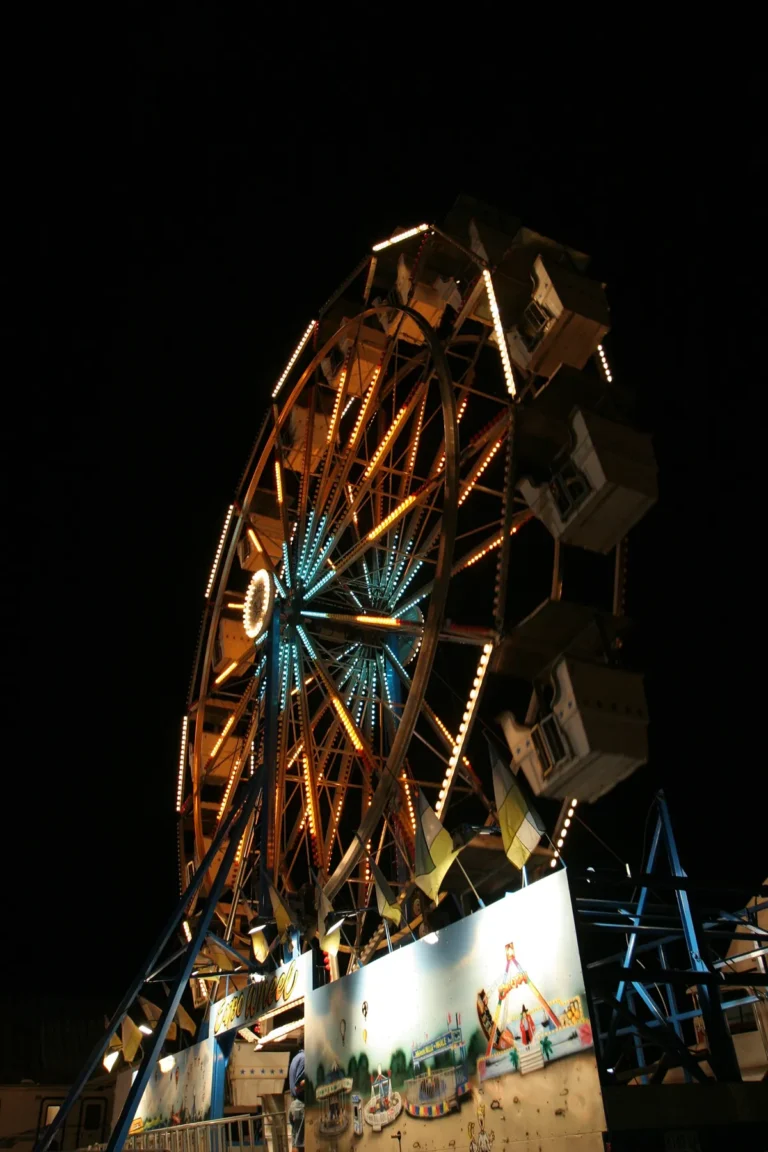
Agriculture remains the heart of the fair. Livestock shows, still exhibits, craft entries, and youth projects give the event its purpose and texture. Children can see animals up close, learn how judging works, and meet other families from across the county. There are usually activities designed for younger visitors, from games and rides to hands-on demonstrations. The fair is also a good place for grandparents, parents, and kids to share the same experience without the pressure of a tightly packed commercial schedule.
Planning a Oneida County Fair Weekend
Getting to the Oneida County Area
The Oneida County area is reached by road, with Malad City serving as the main civic reference point. Visitors coming from other parts of southeastern Idaho or northern Utah should plan for rural driving distances and limited services between towns. Fuel up before you arrive, download any maps you might need, and allow extra time if you are traveling through canyon or agricultural country. The journey is part of the experience: wide skies, open fields, and a slower pace as you approach the fair.
Where to Stay Near Malad City
Lodging in the immediate area is limited, so Malad City and the surrounding Oneida County communities are the most convenient bases. Some visitors stay in nearby regional towns and drive in for the day. If you are coming from farther away, book early during fair season and confirm your route before dark. Camping, RV stays, and small independent motels may be available in the broader area, but availability can tighten on fair weekends.
Parking at the Oneida County Fair
Fairground parking is typically straightforward but can fill during the busiest hours. Arrive earlier in the day for the easiest spots, especially if you have children, coolers, or mobility needs. Follow local signs and volunteers directing traffic. Because the fair is a community event, some parking may be on grass or unpaved ground, so wear shoes that can handle dust or uneven surfaces.
Admission, Costs, and What to Bring
Admission to the fairgrounds is generally free, though individual vendors, rides, and some activities may charge separate fees. Bring cash for concessions, entry fees, raffles, or small purchases. A reusable water bottle, sunscreen, hats, and a light jacket are wise. If you plan to spend the day, a tote bag with snacks and wipes can make family visits easier. Check local listings before you go for the current year’s specific schedule and any updated policies.
Weather and Seasonal Timing
Late summer in southeastern Idaho often means warm afternoons, cool evenings, and the possibility of wind or brief thunderstorms. Layering is the best strategy. Mornings can feel crisp, midday sun can be strong, and once the sun drops behind the mountains, the air can cool quickly. If you are sensitive to dust or pollen, bring what you need. The fair is an outdoor event, so comfort depends on dressing for the season rather than expecting a controlled indoor climate.
A Sample Weekend Itinerary for the Oneida County Fair
First afternoon: Arrive in the Oneida County area, park, and take a slow walk through the fairgrounds. Start with the exhibit buildings and livestock areas while the day is still bright. Grab an early dinner from a concession stand, then find a seat for the evening entertainment. This is a good time to get oriented without rushing.
Second morning: Return early for the quieter hours. Visit the animal pens, watch judging if it is taking place, and let children explore the family activities. Browse craft and garden exhibits, then have lunch from a local booth. Afternoon is ideal for games, rides, or simply sitting in the shade and talking with residents.
Final evening: Come back for the social peak of the fair. Enjoy music or a community performance, sample another food stand, and walk the grounds as the light softens. Before leaving, check the schedule for any closing events. End the weekend with a short drive through Malad City or the surrounding countryside to see why this county’s rural setting gives the fair its character.
How the Oneida County Fair Compares with Nearby Idaho Gatherings
Compared with larger regional events in Pocatello, the Oneida County Fair is more intimate and locally focused. It is less about massive crowds and more about neighbors, exhibitors, and families who know the grounds well. That smaller scale is part of its appeal, especially for visitors who want a genuine county fair rather than a commercial festival.
Nearby Preston and other southeastern Idaho communities have their own agricultural traditions and community celebrations. Those events may draw from a broader population base, but the Oneida County Fair remains distinct because of its Malad City anchor and its position in a wide, rural county. It feels connected to a specific place rather than simply a regional circuit.
Compared with tourism-driven summer events around the Bear Lake Valley, the Oneida County Fair is more rooted in local life. It is a working county fair, not a resort-season attraction. That difference matters: visitors come to see how Oneida County celebrates itself, not to watch a polished show staged for outsiders.
Practical Checklist for Oneida County Fair Goers
Before you go, confirm the current fair weekend through local sources. Pack sun protection, a water bottle, comfortable walking shoes, and a layer for the evening. Bring cash for vendors and small fees. Charge your phone, but expect to spend time away from it. If you have children, set a meeting point in case anyone gets separated. Check the weather forecast and plan for dust, wind, or a sudden shower. Respect the animals and exhibitors by following posted rules. Support local booths when you can. Finally, leave extra time for rural driving and enjoy the slower pace of the Oneida County area.
Beyond the Fair: Malad City and Oneida County
The fair is a highlight, but it is not the only reason to spend time in the area. Malad City, the county seat, offers a compact civic center and a chance to see small-town Idaho life up close. The surrounding Oneida County landscape stretches across 1,202 square miles of valleys, fields, and mountain-backed horizons. Visitors can drive rural roads, stop for scenic views, and experience the quiet that defines this part of southeastern Idaho.
Because the county is so large and sparsely settled, local businesses and community spaces matter. A visit to the fair can easily pair with a stop at a local cafe, a walk through town, or a drive to take in the agricultural scenery. The fair gives you a reason to arrive, but the county’s setting gives you a reason to linger. That combination is what makes the trip feel complete.
Why the Oneida County Fair Matters to Oneida County
The Oneida County Fair matters because it turns a large, rural county into a shared gathering place. In a region where distances are real and daily life can be spread out, the fair creates a rare concentration of energy, conversation, and common purpose. It honors agricultural work, youth projects, crafts, and the volunteers who keep local traditions alive.
It also supports the local identity. Malad City and the smaller communities around Oneida County do not need a massive festival to feel significant. They need a fair that reflects who they are: practical, friendly, hardworking, and proud of the place they call home. For visitors, that authenticity is the main attraction. For residents, it is a yearly reminder that the county’s strength lies in its people and its shared traditions.
Where the Oneida County Fair Sits in Southeastern Idaho
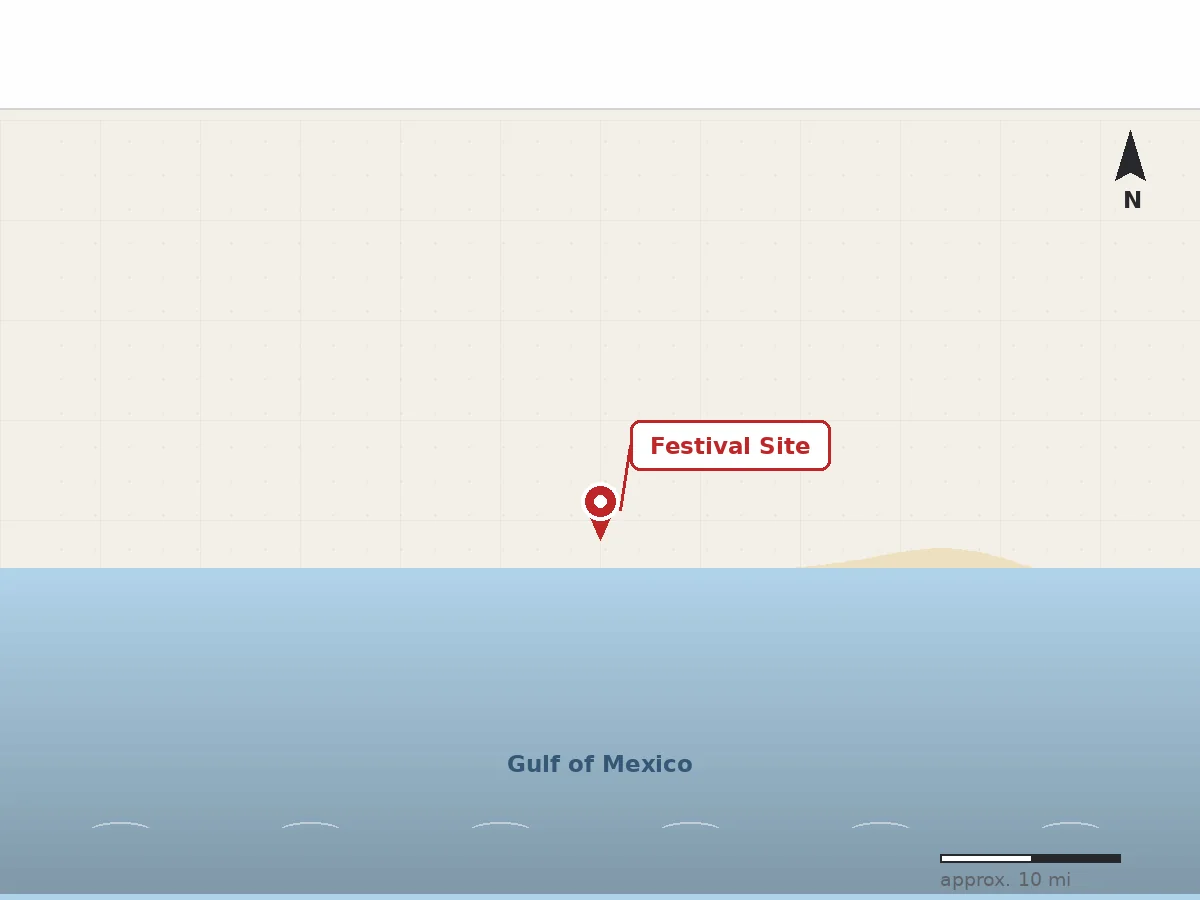
The Oneida County Fair takes place in the Oneida County area of southeastern Idaho, with Malad City serving as the county seat and main community anchor.
What to Know Before You Visit the Oneida County Fair
Is admission to the Oneida County Fair free?
Admission to the fairgrounds is generally free, though individual vendors, rides, and some special activities may charge separate fees. Bring a little cash for food, games, raffles, or exhibitor purchases. Check current local listings before you travel for any year-specific changes.
When does the Oneida County Fair usually take place?
It is typically held during the late-summer fair season, usually on a weekend. The exact timing can shift from year to year, so confirm the current schedule through local community sources before making plans.
What should I bring to the fair?
Bring sunscreen, a hat, a water bottle, comfortable shoes, and a light jacket for the evening. Cash is useful for small purchases. If you have children, consider wipes, snacks, and a simple meeting plan in case you separate in the crowd.
Are there activities for children?
Yes. County fairs typically include family-friendly activities such as livestock viewing, games, rides, exhibits, and hands-on opportunities. The Oneida County Fair is designed as a community event, so children are a natural part of the audience and the experience.
The Next Chapters for the Oneida County Fair
The future of the Oneida County Fair likely depends on the same things that built it: volunteers, exhibitors, local families, and a community willing to show up. As rural counties across Idaho face changing economies and populations, fairs like this one remain important because they create connection without requiring anyone to leave the place they love.
Visitors can help by attending, supporting vendors, respecting the grounds, and sharing the event with others. Residents can help by continuing the traditions that make the fair meaningful, from youth projects to open-class exhibits. The fair does not need to become bigger to stay relevant. It needs to remain true to Oneida County and the people who call it home.
Last updated: October 2026
Whether you are a longtime resident of the Oneida County area or a traveler looking for an authentic Idaho county fair, the Oneida County Fair offers a welcome that feels earned rather than staged. Come for the food and exhibits, stay for the conversations, and leave with a better understanding of why Malad City and its surrounding communities take pride in this late-summer tradition.