Warren County Illinois Prime Beef Festival
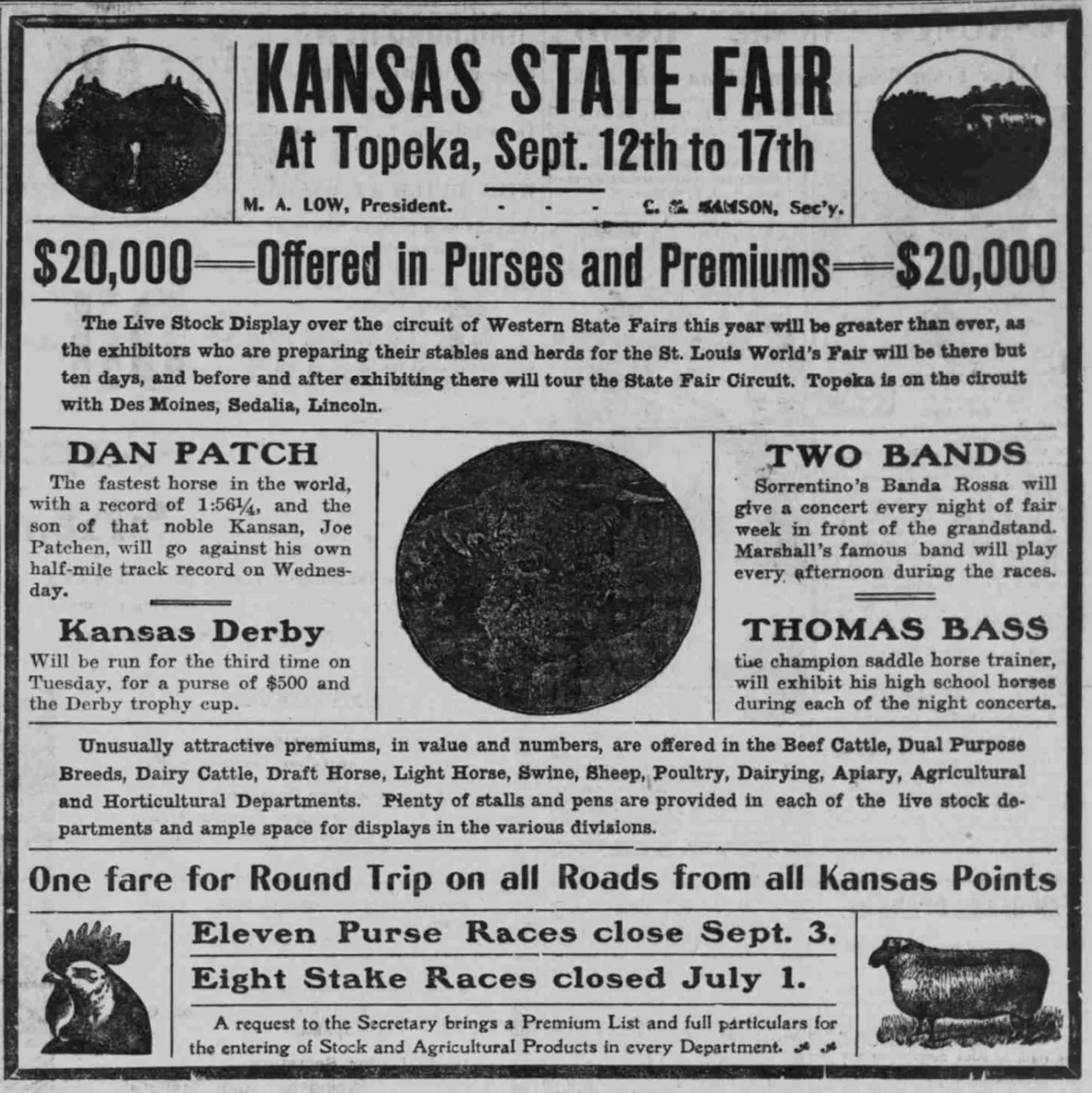
On a cool morning in early September, the Hendricks family of rural Warren County loads a cooler into the truck before the sun clears the corn. Three generations ride together: a grandfather who showed cattle here as a teenager, two parents who took the day off work, and two kids who have been talking about the midway since the Fourth of July. They are headed for the Warren County Illinois Prime Beef Festival, the annual gathering that turns the Monmouth area into a meeting place for farm families, town families, and travelers crossing west-central Illinois with an appetite.
Their day — coffee from a thermos, a slow walk through the cattle barns, a beef sandwich eaten standing up, a loop past the rides, and an evening of music before the drive home — is the same day hundreds of other families assemble each year. Following it is one honest way to understand what this festival actually is: not one single attraction, but a full day shaped by agriculture, food, and neighbors who mostly know each other by name.
Warren County Prime Beef Festival: The Details Families Ask About
| Festival | Warren County Illinois Prime Beef Festival |
| Place and region | Monmouth and the wider Warren County area of west-central Illinois |
| County and county seat | Warren County, Illinois; the county seat is Monmouth |
| County footprint | Founded in 1825, spanning 543 square miles |
| Population | A rural county anchored by the city of Monmouth |
| Typical timing | Late summer into early September, usually across a long weekend |
| Admission | Free general admission in most years; food, rides, and some activities cost extra |
| Setting | Open-air grounds with livestock barns, a midway, and stage areas |
| Signature features | Beef-focused meals, cattle shows, live entertainment, family activities |
| Organized by | Local volunteers, civic organizations, and community groups |
Meet the Festival That Anchors Monmouth’s Late Summer
The Prime Beef Festival is Warren County’s homegrown answer to a county fair, a harvest celebration, and a community reunion rolled into one long weekend. It takes its name from the cattle and the beef industry that shaped this corner of Illinois, and it leans into that identity without apology: beef sandwiches, beef dinners, livestock shows, and the unmistakable smell of a grill working overtime.
The festival is a volunteer-driven affair. Local civic groups, farm families, and community organizations handle everything from the gates to the food stands, which is part of why it feels less like a produced event and more like a town throwing its own party. Money raised tends to circulate back into the community through local causes and youth programs, and many of the people working the booths have been doing it for decades.
Because Warren County covers 543 square miles of corn, soybeans, and small communities, the festival also functions as a gathering point for people who otherwise might not cross paths more than once a year. Monmouth, the county seat since the county’s founding in 1825, sits at the center of that map — which makes it the natural place for everyone to converge.
For another look at how a community turns its own traditions into a gathering, see the Wabash County Illinois Wabash County Fair Festival for a useful comparison.
How Prime Beef Became a Warren County Tradition
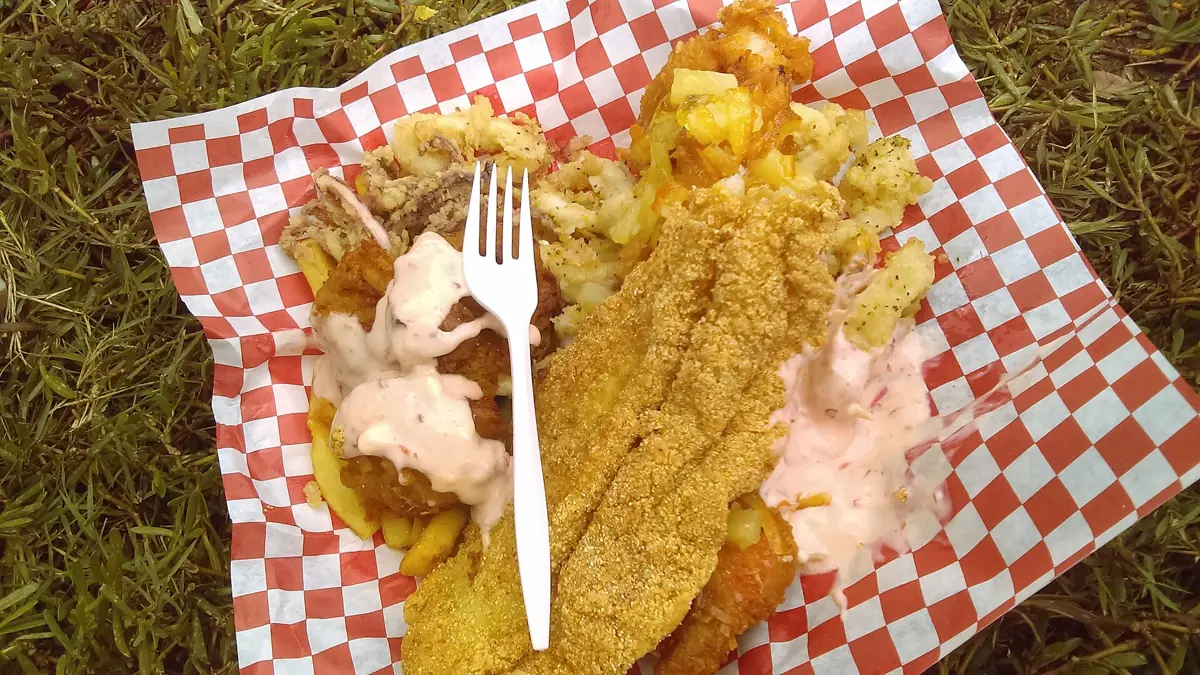
Warren County was organized in 1825, and for most of its two centuries of existence, its story has been an agricultural one. Cattle came with the first settlers and stayed, fattened on the corn and hay that the region’s soil produces so well. Monmouth grew into the trading and shipping center for that farm economy, and the county’s identity became inseparable from livestock, grain, and the rhythm of the seasons.
Out of that identity grew the local tradition of agricultural exhibitions — the livestock shows, judging contests, and community picnics that farm families have used for generations to compare notes, trade animals, and visit. The Prime Beef Festival is the modern expression of that habit, formalized over the decades into a weekend with a midway, a food row, live entertainment, and a schedule of shows that still puts cattle near the center of things.
What has changed is the audience. What began as a gathering primarily for farm families now draws plenty of people who have never set foot in a barn — families from town, former residents back for a visit, and travelers who happen to be passing through on the highway. What has not changed is the format: volunteer-run, outdoors, and unapologetically local. In an era when so many community events are sponsored from a distance, this one is still built by the people who live there.
What a Festival Day Looks Like for a Warren County Family
Back to the Hendrickses. By mid-morning the truck is parked, the kids have already scouted the ride lineup, and the grandparents have found a bench near the barns where they can watch the cattle being groomed and clipped. The day has a shape to it, and that shape is roughly the same for everyone who comes.
Beef, Barns, and Fair Food on the Grounds
Food is the headline, and beef is the reason. Expect grilled and smoked beef sandwiches, beef dinners served by local groups, and the full supporting cast of festival eating: pork chops, funnel cakes, corn dogs, lemonade shake-ups, and pie. Prices are set by individual vendors and stands rather than by a single gate, so families can graze their way through the day or sit down for one proper meal.
The livestock side is not decorative. Cattle are judged, groomed, and shown, and the barns stay open enough that visitors can walk through and ask questions. For kids who have never stood next to a 1,200-pound steer, that alone is worth the trip.
Music, Motors, and Evening Entertainment
Entertainment tends to build through the day and peak after dark. Local and regional bands play the stage, and evenings often bring the kind of crowd-pleasing attractions that small-town festivals do best — tractor pulls, contests, and a midway that lights up once the sun drops. The Hendricks kids will spend most of the afternoon on rides; their grandfather will spend most of the evening talking to people he has not seen since last year’s festival.
Family Activities for Every Age
This is a festival that works for a stroller and a walker at the same time. Carnival rides and games anchor the kid-friendly side, while livestock exhibits, craft and vendor booths, and food demonstrations fill the hours for everyone else. Because the grounds are outdoors and spread out, families tend to move in loose groups and meet back up — a style of festival-going that suits a county where half the crowd is related to the other half.
Planning the Trip: Monmouth, Lodging, Parking, and Costs
Getting to Monmouth and the Warren County Area
Monmouth sits in west-central Illinois, within a comfortable drive of the Quad Cities to the north, Galesburg to the northeast, Macomb to the south, and Burlington, Iowa, to the west. Most visitors arrive by car on two-lane state highways and county roads that cut straight through farmland. If you are coming from out of state, plan on a rural drive at the end of your trip — the last stretch is cornfields, and that is part of the experience.
Where to Stay Near Warren County
Lodging in the immediate area is limited, so the practical options are the small hotels and motels in and around Monmouth and the larger selection in Galesburg, Macomb, or Burlington. Campers and RV owners often do well by booking a spot at a nearby campground and treating the festival as a day trip. Book early for festival weekend, since the county’s room supply is small relative to the crowds the event draws.
Parking Around the Festival Grounds
Parking is generally handled with lots and street parking near the grounds, staffed by volunteers who keep traffic moving. Arrive before midday if you want a short walk, or come later in the afternoon and accept a longer one. Cash is handy, and a little patience at the exit after the evening entertainment is simply part of the deal.
Admission, Ride Wristbands, and What Things Cost
General admission is typically free, which is a large part of why families come back year after year. Costs show up in the details: food and drink, carnival rides and games, raffles, and vendor purchases. Many families set a per-child budget before they arrive, hand out cash, and let the kids manage it — a strategy that works better than a running tab.
Illinois Weather and What to Wear
Late summer in west-central Illinois can swing from humid afternoons in the upper 80s to cool, breezy evenings that call for a jacket. Afternoon thunderstorms are always a possibility, so a light rain layer and comfortable walking shoes are smart. The grounds are grass and gravel in places, which means closed-toe shoes beat sandals once the dew and the dust arrive.
A Sample Weekend with the Family in Warren County
Friday evening. Arrive as the midway lights come on, eat dinner from the food row, and let the kids burn off the school week on rides. This is the best window for families with young children, since the crowds are thinner than on Saturday.
Saturday morning. Come back early for the livestock shows and the barns. The Hendricks grandfather makes a beeline for the cattle, the kids ask questions about feeding and grooming, and the parents get coffee and a quiet walk through the vendor booths before the grounds fill up.
Saturday afternoon and evening. Lunch is a beef sandwich, followed by rides, games, and a slow loop past every booth. Stay for the evening entertainment and the lights, then head home tired.
Sunday. A shorter day. Come for a late breakfast on the grounds, catch any final shows or draws, and take one last walk through the barns before the drive back to the farm. The festival winds down, the trucks pull out, and the county goes back to its regular rhythm.
Prime Beef Alongside Other Western Illinois Celebrations
Compared with the larger regional events in Galesburg or the Quad Cities, the Prime Beef Festival is smaller, more agricultural, and more intimate. You will not find a sprawling concert lineup or a massive vendor midway; you will find cattle, beef, and neighbors. That trade-off is the appeal.
Macomb, to the south, and Burlington, Iowa, to the west, both offer their own seasonal community events with a more downtown, commercial feel. Monmouth’s version stays rooted in the farm economy that created it. For visitors deciding between a few options on a September weekend, the question is simple: do you want a big event, or do you want a real one?
A Family Checklist Before You Head to Warren County
Bring cash in small bills for food stands, games, and raffles, since not every vendor takes cards.
Pack layers and a light rain jacket — afternoons and evenings in early September rarely feel the same.
Wear closed-toe shoes that can handle grass, gravel, and dust.
Charge phones and bring a portable battery; a full day outdoors drains them fast.
Set a spending limit with the kids before you walk through the gate.
Check the festival’s schedule in advance so you do not miss the livestock shows or the evening entertainment.
Beyond the Midway: The Rest of Monmouth and Warren County
The festival is the reason to come, but the county rewards an extra half-day. Monmouth, the county seat, has a walkable core with local restaurants, shops, and the kind of courthouse-square energy that small Illinois county seats do well. Spend an hour downtown before the festival opens and you will understand the town the festival belongs to.
Beyond Monmouth, Warren County’s 543 square miles are best explored by car. Country roads run in straight lines past corn and soybean fields, grain elevators, and farmsteads, and the driving itself is the attraction. Head west toward the Mississippi River valley for a change of scenery, or north toward the Quad Cities if you want a bigger-city afternoon tacked onto your trip.
What the Prime Beef Festival Means to Warren County Neighbors
In a county this size, a festival is not just entertainment — it is infrastructure. It is the one weekend when the whole county is in the same place, when farmers and townspeople and former residents all share a midway and a food line. For young people in agriculture, the livestock shows are a stage. For local groups, the food stands are a fundraiser. For everyone else, it is the annual reminder that they belong to something specific.
That matters in rural Illinois, where schools consolidate, businesses change hands, and populations shift. A volunteer-run festival that keeps going year after year is a statement about a community’s willingness to show up for itself. The beef is the theme, but the point is the gathering.
Where the Festival Sits in Warren County
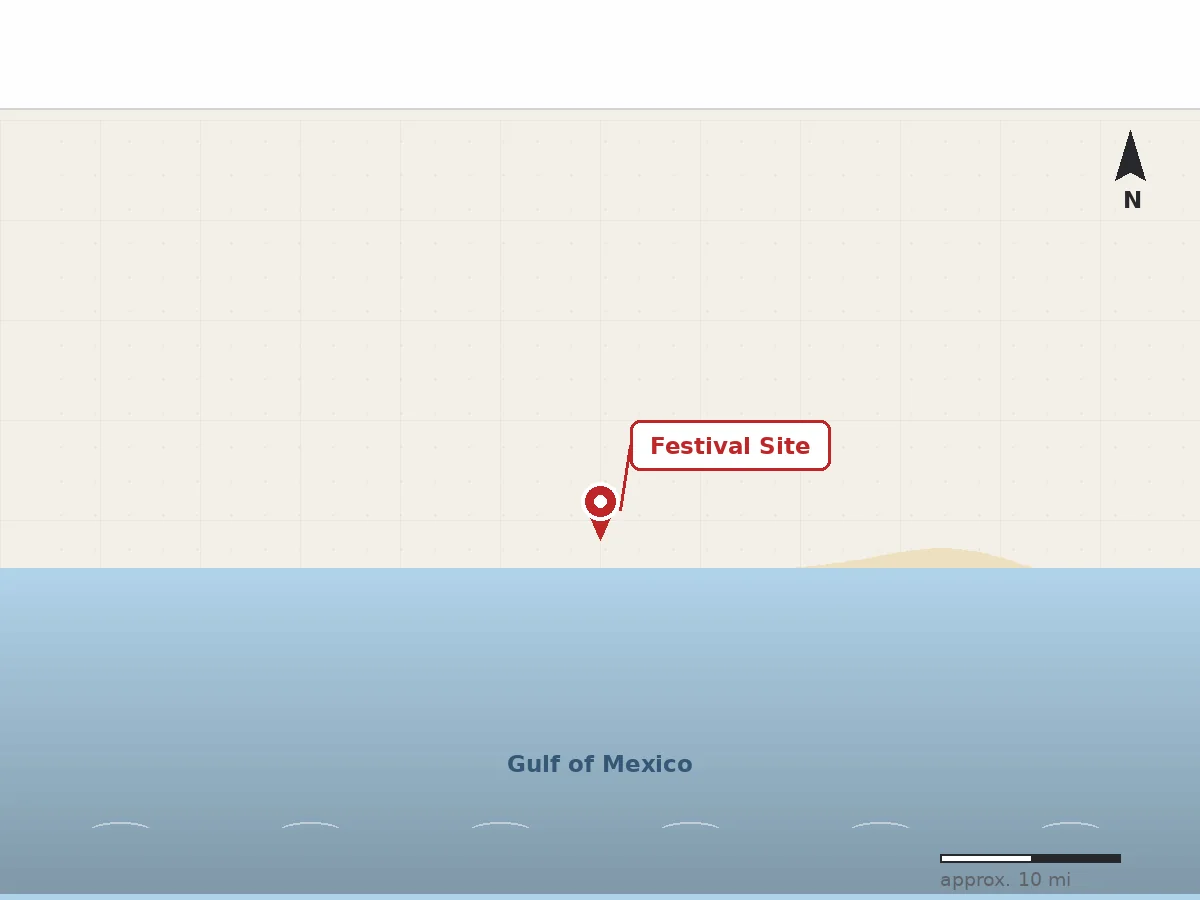
The Prime Beef Festival takes place in the Warren County area around Monmouth, the county seat, in west-central Illinois.
Prime Beef Festival Answers for First-Time Visitors
Is the Prime Beef Festival free to attend?
In most years, general admission is free, and the money visitors spend goes to food, rides, games, and vendors rather than a gate fee. Because individual stands and attractions set their own prices, budget for the extras rather than for entry.
When is the festival usually held?
It is a late-summer event, typically falling in early September and running across a long weekend. Exact dates shift from year to year, so confirm the current schedule before you plan travel.
What should families bring?
Cash, layers, sunscreen, comfortable shoes, and a stroller if you have small children. The grounds are outdoors and largely grass and gravel, so plan for weather and walking rather than for a climate-controlled venue.
Do I need to stay overnight?
Many visitors drive in for a single day, since Monmouth is reachable from several regional cities. If you want to stay overnight, book early — lodging close to the grounds is limited, and nearby towns fill up around festival weekend.
Looking Ahead to Future Prime Beef Festivals
The festival’s future depends on the same thing it always has: volunteers. As long as local families, civic groups, and farm organizations keep staffing the gates and flipping the beef, the Prime Beef Festival will keep giving Warren County a weekend to gather. Expect the format to stay familiar — livestock, food, music, and a midway — with small refinements rather than reinvention, because the appeal has never been novelty. It has been continuity.
Last updated: October 2026
For anyone in western Illinois looking for a festival that has not been smoothed into a generic template, this is the one to circle on the calendar. Come for the beef sandwich, stay for the barns and the music, and leave understanding a little more about what keeps a rural county together.
One Comment