Natchitoches Parish Louisiana Folk Festival
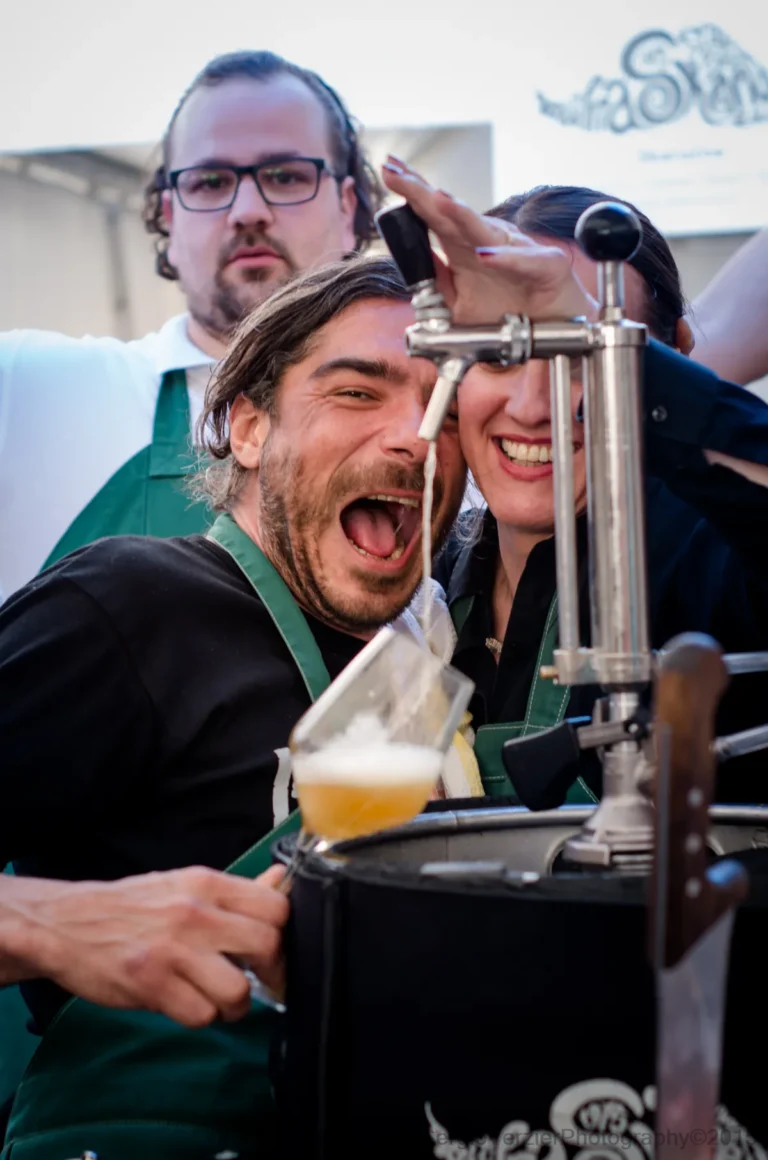
On a Saturday in the middle of July, the air inside Prather Coliseum fills with fiddles, accordions, and the low murmur of storytellers, while outside the doors the summer heat of Natchitoches presses against the walls of the Northwestern State University campus. The Natchitoches-NSU Folk Festival turns one coliseum into a whole parish of sound and handwork for a single day. Three stages carry music from morning into evening, craftspeople set out work made by hand, and the Louisiana State Fiddle Championship gives the afternoon a contest with real stakes. It is a festival built around keeping traditions alive, and that purpose shapes the dance lessons and the narrative sessions alike.
About
The event is published as the Natchitoches-NSU Folk Festival, a name that ties the gathering to the university that hosts it and to the town that has held it for decades. The sheet title is never printed as the event’s name, so the published form is the one to use when describing the festival itself. The host town is Natchitoches, which is the parish seat, and the venue is Prather Coliseum on the Northwestern State University campus. The Louisiana Folklife Center at Northwestern State University organises the festival, and the centre’s stewardship is the thread that runs through the programme, from the choice of musicians to the crafts vendors and the fiddle championship. The most recent dated edition took place on Saturday 18 July 2026, billed the forty-sixth annual, with the theme “America, the Beautiful”. The previous edition fell on Saturday 19 July 2025, billed the forty-fifth annual, with the theme “Crafting Louisiana”. Each edition carries its own theme.
Quick Facts
| Fact | Detail |
| Published name | Natchitoches-NSU Folk Festival |
| Host town | Natchitoches, the parish seat |
| Venue | Prather Coliseum, Northwestern State University campus |
| Organiser | Louisiana Folklife Center at Northwestern State University |
| Most recent dated edition | Saturday 18 July 2026, forty-sixth annual |
| Theme in 2026 | America, the Beautiful |
| Previous edition | Saturday 19 July 2025, forty-fifth annual |
| Theme in 2025 | Crafting Louisiana |
| Music | Three stages: Cajun, zydeco, blues, Celtic, country, bluegrass, gospel, swamp pop |
| Admission in 2025 | Ten dollars for an all-day pass at the door; six dollars for an evening pass after five in the afternoon; children twelve and under free |
History
The festival’s history is best read through its billings, because the layers that document the event give editions and themes rather than a founding story. The 2025 edition was billed the forty-fifth annual, and the 2026 edition was billed the forty-sixth annual, which places the gathering among the longest running folk festivals in the region without fixing a founding year in the record. No founding year is derived here, and none is stated in the layers read. What the record does show is continuity: the Louisiana Folklife Center at Northwestern State University has kept the festival anchored to the same campus venue and the same July rhythm, and the themes chosen for recent editions suggest an event that looks outward while staying rooted in Louisiana tradition. “Crafting Louisiana” in 2025 put the emphasis on makers and their materials, while “America, the Beautiful” in 2026 widened the lens to the nation’s folk traditions as a whole. The fiddle championship and the cookoff sit inside that continuity as fixtures rather than novelties, and the crafts vendors return with work that reflects years of practice.
What to Expect
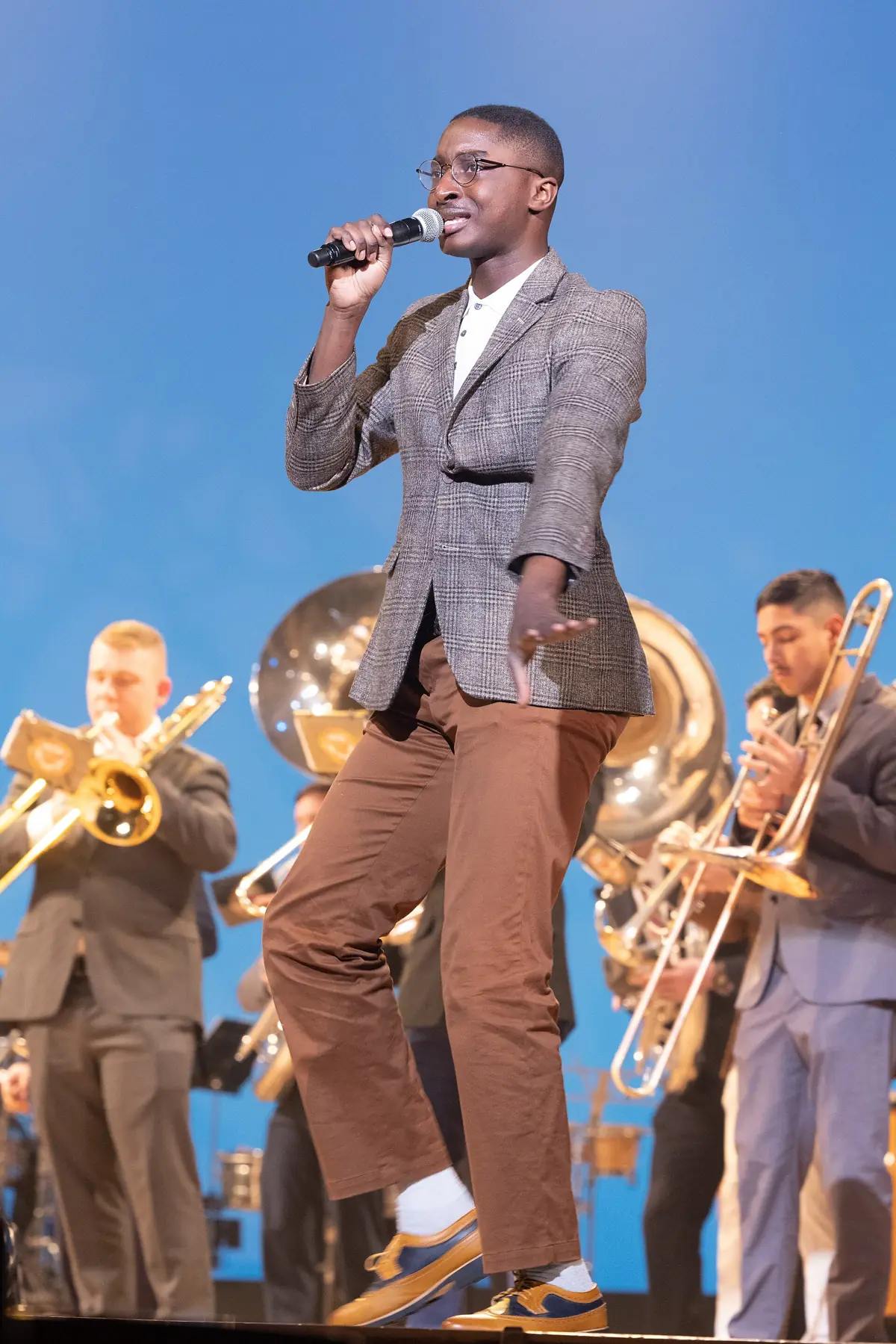
Three stages share the music across the day, and the range is deliberately wide: Cajun and zydeco sit beside blues, Celtic, country, bluegrass, gospel, and swamp pop, so a visitor can move from a fiddle tune to a gospel set without leaving the building. The Louisiana State Fiddle Championship is the centrepiece of the competitive programme, drawing players who have spent years with their instruments and giving the audience a chance to hear the differences between styles up close. In 2025 the Red Beans and Rice Cookoff added a cooking contest to the day, with the dish at the centre of Louisiana home cooking given a competitive stage of its own. More than eighty traditional crafts vendors fill the coliseum floor with work made by hand, from woven and carved pieces to textiles and other traditional forms, and the vendors are makers rather than resellers, which changes the feel of the market entirely. Dance lessons invite visitors onto the floor instead of leaving them in the seats, and narrative sessions give musicians and tradition bearers a chance to talk about the songs and the stories behind them. Demonstrations run through the day, showing how a craft is made rather than simply showing the finished piece.
Planning Your Visit
Prather Coliseum sits on the Northwestern State University campus in Natchitoches, and the festival fills the building for a single Saturday in July, so planning around the date matters more than planning around the venue. The 2025 admission figures give a useful guide: ten dollars bought an all-day pass at the door, six dollars bought an evening pass after five in the afternoon, and children twelve and under entered free. Those figures are fenced to the 2025 edition, and later editions may set their own prices, so a visitor should treat the numbers as a guide rather than a promise. Arriving early makes the most of the day, because the crafts vendors and the demonstrations reward unhurried browsing, and the fiddle championship draws a crowd as the afternoon goes on. Comfortable shoes matter more than formal dress, and the coliseum setting means the music and the market share one roof, which keeps the day simple to navigate. Families with children will find the dance lessons and the demonstrations the easiest way into the day, and the evening pass suits visitors who want the music without the full day. Parking and transport details are best confirmed nearer the date, since the campus layout and the festival’s own arrangements can shift from year to year.
For a useful comparison, see the Natchitoches Parish Louisiana Jazz and R and B Festival for another county festival.
Sample Itinerary
A good day at the festival starts at the doors, when the crafts floor is quiet enough to talk with the makers about their work. Spend the first hour among the more than eighty vendors, watching demonstrations and asking how a piece was made, before the music pulls attention toward the stages. Mid-morning is the time to catch a set on one of the three stages, moving between Cajun and bluegrass or blues and gospel as the mood takes you. Around midday, look for the cookoff if it is running, and take lunch from the food on offer inside the coliseum rather than leaving the building. The early afternoon belongs to the Louisiana State Fiddle Championship, which rewards a seat held through several rounds so the differences between players become clear. After the championship, join a dance lesson, which is the fastest way to understand the music from the inside, and then spend an hour at a narrative session listening to a musician talk about the tradition behind the tunes. The late afternoon is for a second pass through the crafts vendors. An evening pass holder arriving after five in the afternoon can skip the market and go straight to the music, catching the last sets as the day winds down, and a full day visitor can close the festival the same way, with the final songs echoing across the coliseum floor.
Comparison
The Natchitoches Meat Pie Festival, held in September on the downtown riverbank, offers the closest comparison inside the parish, and the contrast is instructive. The meat pie gathering is built around a single dish and its contests, with zydeco bands and fireworks on the river, while the folk festival is built around breadth: three stages, nine musical styles, a fiddle championship, a cookoff, and more than eighty crafts vendors under one roof. One festival celebrates a food; the other celebrates the whole culture that produces the food, the music, and the handwork together. A visitor who enjoys the meat pie festival’s energy will find the folk festival quieter in places and richer in others, with the narrative sessions and demonstrations offering a depth that a food contest cannot. The July timing also sets the folk festival apart, placing it in midsummer on the university campus while the September meat pie festival belongs to the riverfront. Both festivals share the parish seat as their home and both draw on the same musical traditions, but they ask different things of a visitor: one asks for an appetite, and the other asks for a whole day of attention.
Checklist
- Check the edition date and theme before travelling, since both are announced with each annual gathering
- Bring cash and a card, because vendors and the door may not take the same payment
- Wear comfortable shoes for a full day on the coliseum floor
- Carry water and a light layer for the air-conditioned hall
- Bring a bag for crafts purchases
- Arrive early for the best conversations with makers and demonstrators
- Hold a seat for the fiddle championship once the rounds begin
- Join at least one dance lesson rather than watching from the side
- Ask vendors about their materials and methods before buying
- Keep the evening pass in mind if only the music is the draw
Beyond the Festival
Natchitoches itself rewards a longer stay, and the festival’s July date leaves the rest of the weekend open for the town. The historic downtown and the riverbank are the natural places to walk after the coliseum closes, and the town’s long history as a river settlement gives the streets a character that matches the music heard inside. The university campus is worth a stroll in its own right, and the Folklife Center’s presence there is a reminder that the festival is part of a larger effort to keep Louisiana traditions visible and practised. The festival is a single Saturday, but the town around it holds the context that makes the music and the crafts make sense, and a visitor who treats the festival as the centre of a weekend rather than a single outing will leave with a fuller picture of the parish.
Significance
The festival matters because it keeps traditions in practice rather than in memory. The Louisiana Folklife Center’s role as organiser is not incidental: a university centre devoted to folklife brings a curatorial eye to the programme, choosing musicians, craftspeople, and demonstrators who carry traditions forward rather than simply performing them. The fiddle championship gives young players a stage and a standard to aim for, and the narrative sessions give older tradition bearers a hearing, so the festival works as a bridge between generations. The crafts vendors show that traditional making is still a living trade, and the dance lessons turn an audience into participants, which is the oldest form of cultural transmission there is. A theme such as “Crafting Louisiana” makes that purpose explicit, while a theme such as “America, the Beautiful” places Louisiana’s traditions inside a national story without losing the local accent. The festival’s longevity, shown by its forty-fifth and forty-sixth annual billings, is evidence that the model works: people return, makers return, and the traditions return with them, year after year, in the same coliseum, on the same July Saturday.
Frequently Asked Questions
What should I expect to pay at the door?
The 2025 figures are the most recent admission figures in the layers read: ten dollars bought an all-day pass at the door, six dollars bought an evening pass after five in the afternoon, and children twelve and under entered free. Those figures belong to the 2025 edition, and later editions may set different prices, so they are best treated as a guide to the festival’s scale rather than a fixed tariff.
Which musical styles will I hear across the three stages?
Nine styles share the three stages: Cajun, zydeco, blues, Celtic, country, bluegrass, gospel, and swamp pop, with the Louisiana State Fiddle Championship as the competitive centrepiece. The range is deliberate, and moving between stages is part of the experience, so a visitor can hear a fiddle tune, a gospel set, and a zydeco dance number within a single afternoon.
Can children take part in the dance lessons and demonstrations?
The dance lessons and demonstrations are open and participatory, and children twelve and under entered free in 2025, which makes the festival a straightforward family outing. The lessons are designed for beginners rather than trained dancers, and the demonstrations are meant to be watched up close and asked about, so younger visitors can join in rather than simply observe.
What makes the fiddle championship worth planning around?
The Louisiana State Fiddle Championship gathers players who have spent years with their instruments and sets them against one another in rounds, which lets an audience hear the differences between styles and regions in a single sitting. Holding a seat through several rounds is the way to appreciate it, and the championship gives the afternoon a shape that the music alone does not provide.
What to Expect From the Next Natchitoches Parish Louisiana Folk Festival
How often is Natchitoches Parish Louisiana Folk Festival held?
The record shows one edition each summer, staged on a Saturday in July, with the 2025 edition falling on 19 July and the 2026 edition on 18 July. The pattern is a single July Saturday each year, and the themes and billings change with each edition while the season stays the same.
When is the next Natchitoches Parish Louisiana Folk Festival?
No edition after the July 2026 gathering appears in the layers read, and the festival’s pattern points to a Saturday in July. The 2026 edition took place on Saturday 18 July 2026 with the theme “America, the Beautiful”, and the next edition’s date and theme will be announced with that edition rather than carried over.
Will the dates change?
The festival has held a Saturday in July for the editions in the record, with 19 July in 2025 and 18 July in 2026, so a July Saturday is the settled pattern. The exact Saturday can shift within the month from year to year, and the theme changes with each edition, so confirming the announced date before travelling is the sensible step.
The Natchitoches-NSU Folk Festival does not try to be the biggest gathering in Louisiana, and it does not need to be. Its strength is the way it gathers music, craft, food, and story into a single day inside one coliseum, under the care of a university centre that treats folk tradition as a living practice. A visitor who spends a July Saturday there will hear nine styles of music, watch makers at work, join a dance, and listen to the people who carry these traditions, and will leave understanding why the festival has reached its forty-sixth annual billing without ever needing to shout about it.