Mercer County Kentucky Mercer County Fair Festival
The Whitaker family rolls into the Mercer County area on a Saturday morning in midsummer, three generations in one pickup: Dana and Marcus up front, nine-year-old Ruby in the middle, and Grandma Ruth against the window with a tote bag full of sunscreen. They make this drive most years, because the Mercer County Fair is the stretch of days when a county of 23,772 people gathers in one place — in the barns, in the exhibit halls, and in line for lemonade.
What follows is one family’s day, and a rough plan any visitor to Harrodsburg and the surrounding county could borrow.
Mercer County Fair Basics for a Harrodsburg Summer
Before the sunscreen goes on, here is the short version of what the fair is and where it happens.
| Detail | Mercer County Fair |
|---|---|
| Festival | Mercer County Fair |
| Town / place | Mercer County area, around Harrodsburg |
| County | Mercer County, Kentucky |
| County seat | Harrodsburg |
| Population | 23,772 (2020 census) |
| Region | Central Kentucky Bluegrass |
| Typical timing | Several consecutive days in midsummer, usually July or August |
| Admission | Typically free to enter; rides, games, and food priced separately |
| Setting | Traditional fairgrounds with exhibit halls, show rings, and a midway |
| Run by | Local volunteers and the county’s agricultural community |
What the Mercer County Fair Is, and Why Families Keep Returning
The Mercer County Fair is an agricultural fair first and a carnival second. Its center of gravity is the show ring and the exhibit hall: cattle, sheep, goats, hogs, and poultry; rabbits and honey; jars of preserves, prize tomatoes, quilts, and photographs — plus the ribbons that tell a family its work was the best in the county that year.
Those exhibits reflect the place. Mercer County covers 253 square miles of central Kentucky Bluegrass farmland, was founded in 1785, and was named for Revolutionary War General Hugh Mercer. Harrodsburg is the county seat. For a few days each summer, that farming identity becomes public.
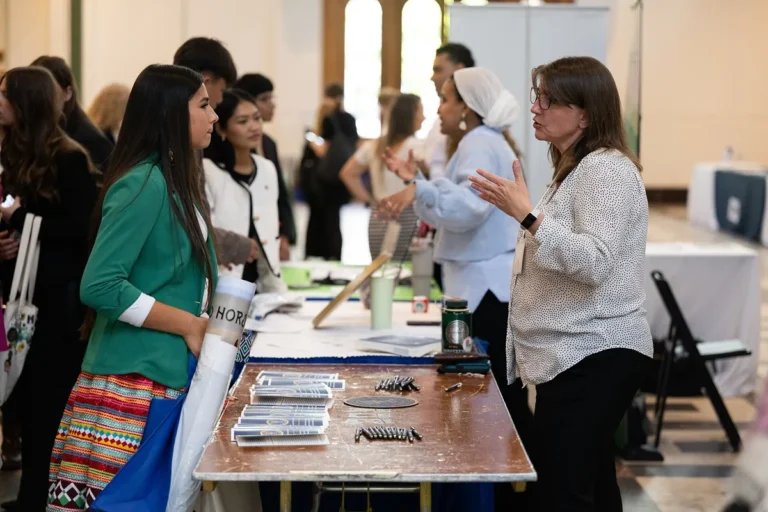
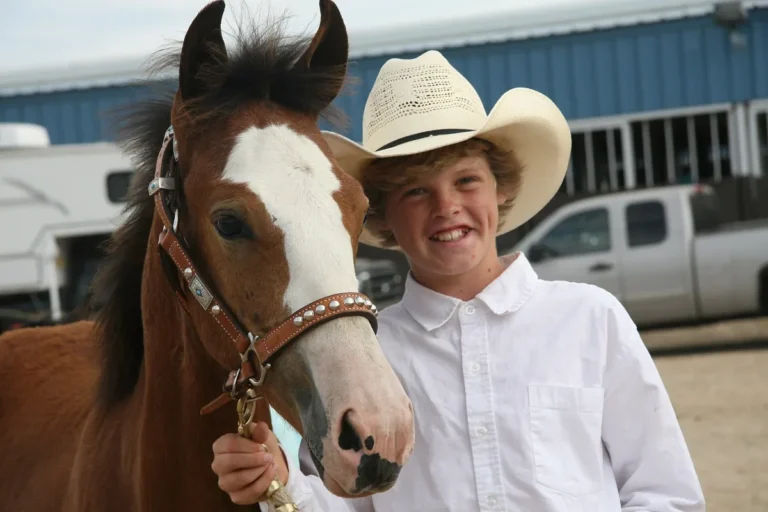
For the Whitakers the day has a rhythm. Ruth heads for the exhibit hall to see who took the quilting ribbons. Marcus and Ruby drift toward the show ring, where a kid not much older than Ruby is leading a heifer. Dana carries the tote bag, the water bottles, and the schedule everyone ignores.
Nothing here is meant to be watched from a distance. Barns are open, exhibitors answer questions, and a judge’s reasons are usually within earshot if you stand close enough. That openness is the whole appeal.
How a County Founded in 1785 Built a Fair Tradition in Harrodsburg
Mercer County was established in 1785 and named for General Hugh Mercer, a Revolutionary War officer. Harrodsburg became and remains the county seat, and the land around it has been farmed for generations.
County fairs took hold across Kentucky in the 1800s, when agricultural societies looked for ways to spread better methods and reward good work. Livestock shows, crop exhibits, and household arts competitions were the original draw, and they remain the backbone of fairs like this one.
Over time the fairgrounds added what modern families expect: carnival rides, grandstand events, pageants, and food booths run by churches, civic clubs, and school groups. The livestock stayed. That balance — heritage plus entertainment — is what most Kentucky county fairs, Mercer County’s included, still run on.
A Day at the Mercer County Fairgrounds: What to Expect
Fair Food, From Morning Biscuits to the Last Funnel Cake
Fair food here follows the same beloved short list found across the Bluegrass: country ham and biscuits early, then corn dogs, barbecue, loaded fries, and funnel cakes, with lemonade shake-ups to cut the heat. Local churches and civic organizations typically run booths, which means the pie by the slice is often somebody’s grandmother’s recipe. Lines are longest right after the evening grandstand event lets out, so eat early if you can.
Live Music, Grandstand Events, and the Evening Crowd
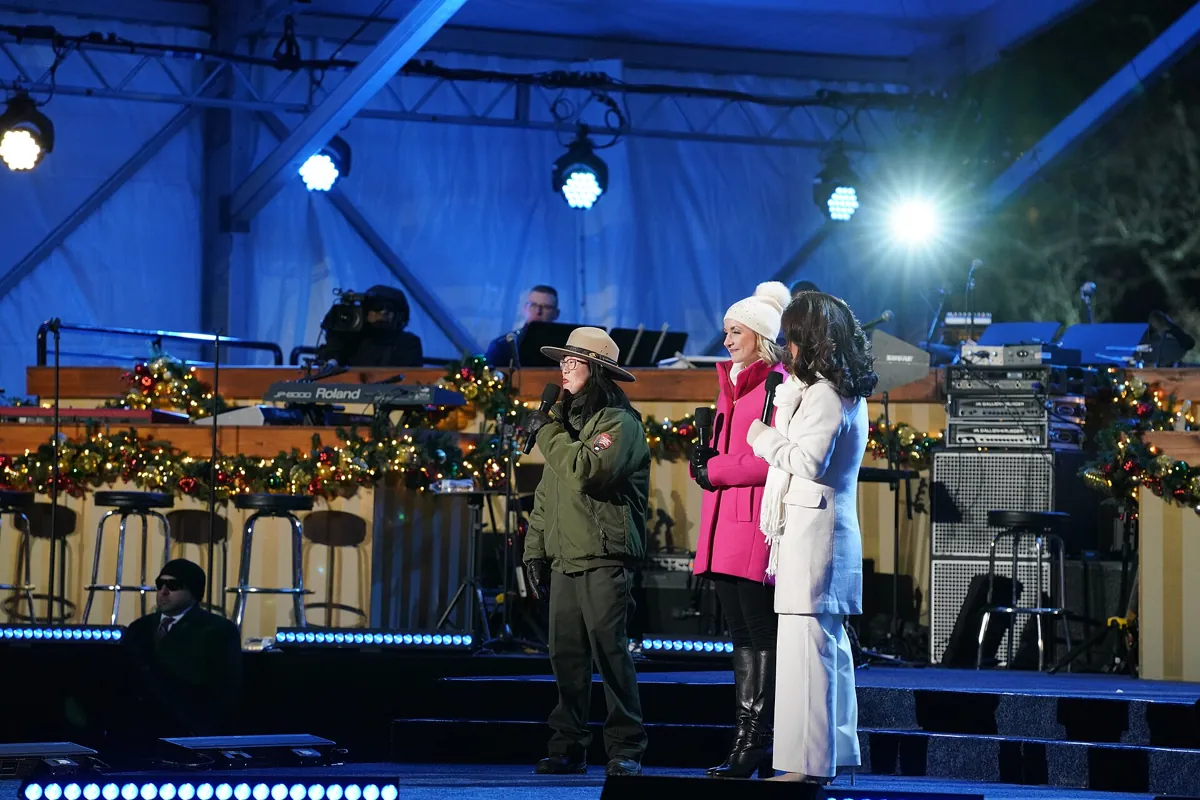
Evenings are when the grounds get loud. Expect live music — often regional country, bluegrass, and gospel groups playing on a stage or under a tent — plus grandstand entertainment that at Kentucky fairs commonly means tractor pulls, truck pulls, or a derby. Seating fills fast for those events, and families who care about a good spot claim it before the sun drops.
Family Activities for Every Age in the Group
Rides and games anchor the midway, while quieter corners usually serve younger children: kiddie rides, a petting area, pedal tractor pulls, and craft tables inside the exhibit buildings. Ruby’s favorite stop is always whatever involves an animal small enough to hold. Plan a meeting point at the main entrance, and write a phone number on a younger child’s arm — a fairground at dusk is a busy place.
Planning Your Own Trip to Harrodsburg and the Fair
Getting There and Getting Around the Mercer County Area
Harrodsburg sits in central Kentucky within easy driving distance of Lexington, Danville, and Lawrenceburg. Nearly everyone arrives by car, and carpooling with neighbors is a fair-week tradition in itself. If you are coming from out of state, treat the fair as a day trip from a larger city and allow extra time on the two-lane roads that lead into the county.
Where to Stay Around Harrodsburg
Lodging in and around Harrodsburg is modest in size, so book early once fair week approaches. Neighboring towns add more rooms, and staying a short drive out is a normal trade-off for a county fair. Campers and RV owners should look for regional campgrounds and reserve well ahead of the event.
Parking at the Fairgrounds Without the Headache
Parking is usually first-come, first-served on grass or gravel lots, with volunteers directing traffic. Arrive before the evening rush for the closest spots, and expect a short walk either way. Note a landmark near your vehicle — a field full of taillights looks identical after dark.
Admission, Rides, and What a Fair Day Costs
Admission is typically free to enter, with rides, games, and food priced individually. Ride wristbands or ticket sheets are common, and families control spending best by setting a per-child budget before walking through the gate. Bring some cash; smaller booths may not take cards.
Midsummer Weather and What to Pack
Midsummer in central Kentucky means heat, humidity, and a real chance of an afternoon thunderstorm. Dress light, wear shoes that handle gravel and grass, and pack sunscreen, hats, refillable water bottles, and a light rain jacket. Evenings cool off enough that a sweatshirt left in the truck is not a bad idea.
A Sample Fair Weekend: Friday Evening to Sunday Afternoon
Friday evening. Arrive after work, eat before the rush, and walk the midway while the light is still good. Catch the grandstand event, then slip out before the parking lot turns into a single brake-light parade.
Saturday. This is the Whitakers’ full day. Morning livestock shows and the exhibit halls, lunch from a church booth, then a break in the shade or back at the hotel during the hottest hours. Return for evening music, and save the rides for after dark when the midway looks its best.
Sunday. The grounds are quieter and the crowds thinner. Make a final pass through the exhibits, let the kids pick one last ride, and finish with ice cream before the drive home.
How the Mercer County Fair Compares With Nearby Towns
Danville, Lawrenceburg, and Perryville are all a short drive from Harrodsburg, and each has its own summer calendar of community events. What sets the Mercer County Fair apart is its scale and its center of gravity. This is a county fair rather than a street festival or a single-day celebration: livestock, exhibits, and a midway spread across several days, with the whole county circulating through. Families who want something smaller may prefer a one-day town festival; families who want the full traditional experience — barns, ribbons, rides, grandstand — get it here.
A Fair-Day Checklist Before You Leave the Driveway
Sunscreen, hats, and refillable water bottles; cash for booths and games; closed-toe shoes; a light rain jacket; a written meeting point and a phone number on younger kids; a tote for exhibit-hall purchases and prize ribbons; a phone charger for a long day; and a quick look at the day’s schedule before you park, so nobody spends the first hour deciding what to do.
Beyond the Fairgrounds: Harrodsburg and the Rest of Mercer County
Give the fair a full day, then give the county another one. Harrodsburg’s downtown rewards a slow walk — county buildings, small shops, and a pace that has not changed much. The 253 square miles around it are farm country: back roads, fence lines, old barns, and farm stands in season. Ask at the fair’s information booth what is open that weekend; volunteers are usually the best source of local knowledge in the building.
Why a County of 23,772 People Still Needs Its Fair
The fair does work that is hard to measure. It gives farm kids a stage and a reason to finish a project. It gives the county a shared calendar date that neighbors actually keep. It moves money through local booths, churches, and clubs. And it keeps a rural county connected to its own food supply at a time when most people are several steps removed from a farm gate.
Where the Mercer County Fair Sits in the Bluegrass
The fair takes place in the Mercer County area around Harrodsburg, the county seat of Mercer County in central Kentucky.
Mercer County Fair Questions, Answered Briefly
Is the Mercer County Fair free to attend?
Entry is typically free, with costs concentrated on rides, games, and food. That structure makes it easy to walk the grounds and the exhibit halls without spending anything, then decide what to pay for. Bring cash for small vendors, and set a midway budget before you go through the gate.
When is the fair usually held?
The fair falls in midsummer, usually over several consecutive days in July or August. Exact dates shift from year to year, so confirm the current schedule before planning travel. Weeknights tend to be quieter, which suits families with small children.
Is it a good outing for young children?
Yes. Kiddie rides, animal barns, and hands-on exhibits are the usual highlights, and the fairgrounds are small enough to cover without exhausting anyone. Bring a stroller that can handle gravel, plan a meeting point, and consider a daytime visit if your children fade before the evening music starts.
How long should we plan to stay?
Most families spend three to five hours at a time, and plenty come back twice — once in daylight for the animals and exhibits, once in the evening for music and rides. A full fair weekend, with a Saturday as the centerpiece, covers everything comfortably.
What’s Ahead for the Mercer County Fair
County fairs survive by adapting. Expect continued emphasis on agricultural education, youth programs, and family-friendly pricing, with volunteers still doing the work that keeps the gates open. As long as Mercer County keeps raising livestock, baking pies, and showing up for its neighbors, the fair will have a reason to run.
Last updated: October 2026
The Whitakers leave as the midway lights are still glowing, Ruby asleep against Grandma Ruth’s shoulder and a blue ribbon from the exhibit hall tucked in the tote bag. They will be back next summer, and so will the county — same fairgrounds, same barns, same line for lemonade.