Menifee County Kentucky Menifee County Fair Festival
Frenchburg has served as the seat of Menifee County since the county was organized in 1869, and in all the years since, the town has remained the quiet center of a county that covers 206 square miles and counted 6,113 residents in the 2020 census. Roads here follow ridgelines and creek bottoms rather than any kind of grid, which means neighbors can live a few miles apart and still go weeks without crossing paths. The Menifee County Fair exists, in large part, to solve that problem once a year.
For a stretch of late summer, the fairgrounds become the county’s shared living room. Livestock trailers pull in, civic groups fire up their food stands, children run loose between the rides, and the evening crowd settles in for music. This is a county fair in the older sense of the word — small enough that you will probably recognize most of the faces you pass, and carried on by the same volunteers who show up every season.
Menifee County Fair Essentials: Frenchburg, Kentucky
| Town and area | Frenchburg and the surrounding Menifee County area |
| County | Menifee County, Kentucky (founded 1869) |
| County seat | Frenchburg |
| Population | 6,113 (2020 census) |
| Region | Eastern Kentucky hill country, 206 square miles |
| Typical timing | Late summer, most years |
| Admission | Generally free to enter the grounds; rides and vendors price separately |
| Setting | Open-air county fairgrounds with barns, a midway, and a stage area |
| Features | Livestock exhibits, home and garden entries, rides, live music, food stands |
| Organizer | Local volunteers and community organizations |
What the Menifee County Fair Is, and Who Carries It
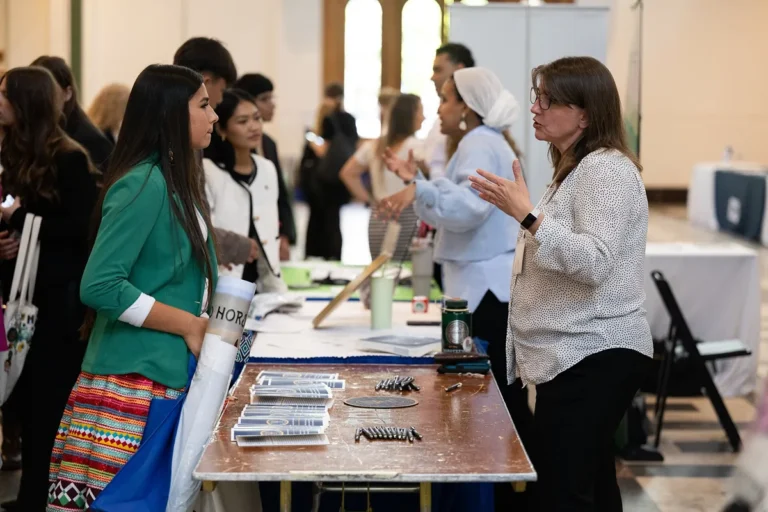
The fair is a multi-day community event staged in the Menifee County area, usually during the late-summer fair season that sweeps across rural Kentucky. Walking through the gate typically costs nothing, which is part of the point: the fair is meant to be open to everyone in a county where the population is measured in the low thousands rather than the tens of thousands. You pay for what you choose — a ride bracelet, a plate of food, a game of chance — and the rest of the grounds are yours to wander.
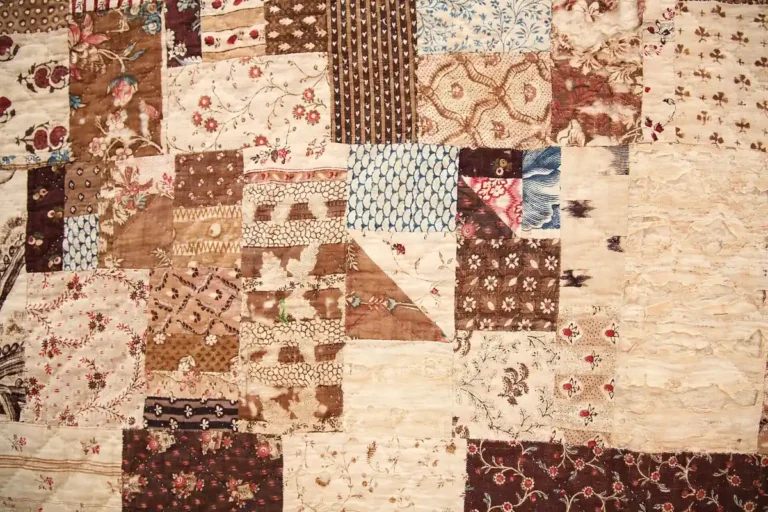
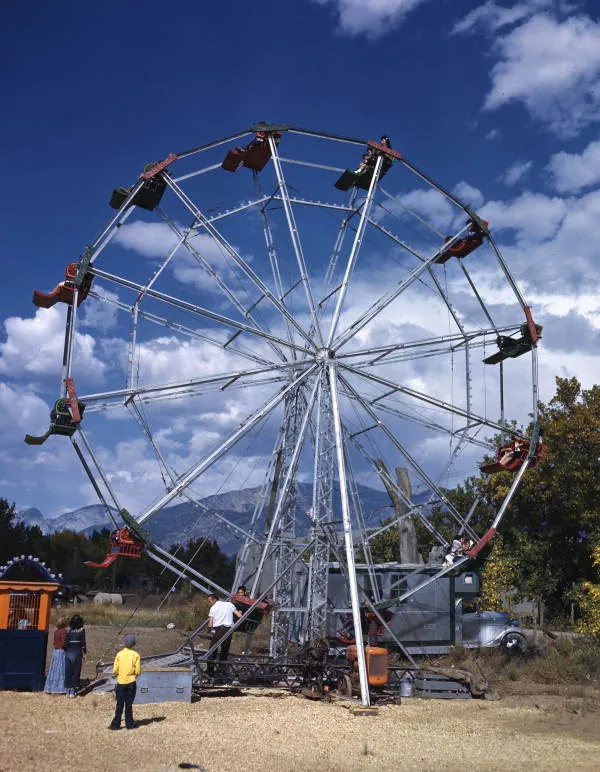
The program leans on the things county fairs have always done well. Barns fill with cattle, goats, sheep, poultry, and rabbits, most of them raised by young exhibitors who have spent months preparing. Nearby, tables display canned goods, baked entries, quilts, photographs, and garden produce, all judged and ribboned. A midway provides the noise and motion, while a stage and grandstand area host music in the evenings. Food stands run by churches, booster groups, and local families anchor the whole thing, and the money they raise tends to stay in the county.
Because the fair is volunteer-driven, it has the texture of something handmade. Schedules shift, the same announcer returns year after year, and half the conversations you overhear begin with a question about whose grandchild is showing which animal. That informality is the appeal.
From an 1869 County Seat to a Frenchburg Fair Tradition
Menifee County was formed in 1869 and named for Richard Hickman Menefee, and Frenchburg was established as its seat of government. The county that took shape around it was, and remains, rural and sparsely settled — a landscape of wooded ridges, small farms, and narrow valleys where travel between communities was never effortless.
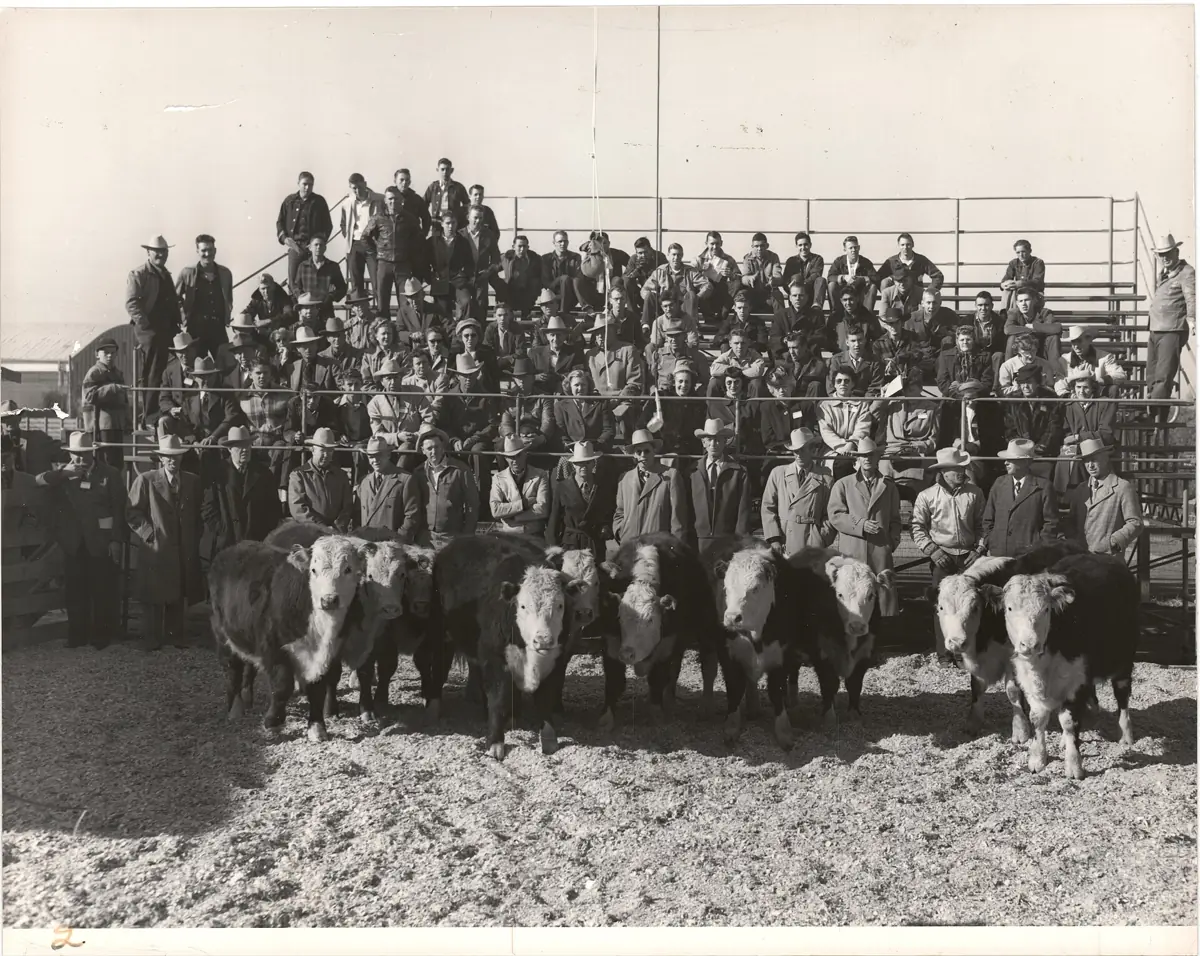
County fairs took hold across Kentucky in the nineteenth century as agricultural societies looked for ways to share techniques, compare livestock, and give farm families a reason to gather. Menifee County’s fair grew from that same impulse. In a place where the population is scattered across 206 square miles, an annual exhibition served a practical purpose as much as a social one: it concentrated the county’s knowledge, its produce, and its people into a single patch of ground for a few days.
The shape of the event has shifted with the decades. Livestock and home exhibits have stayed central, while carnival rides, amplified music, and concession trailers became part of the standard fair experience in the twentieth century. What has not changed is the rhythm — a late-summer pause in the agricultural calendar when the work briefly gives way to showing off what the work produced.
By the 2020 census, the county’s population stood at 6,113, a figure that puts the fair’s scale in perspective. This is not an event built for crowds arriving by the busload. It is built for the people who live here, plus the relatives and friends who come back for it.
A Day at the Menifee County Fair, Start to Finish
Fair days tend to follow a pattern. Mornings belong to exhibitors and judges, afternoons to families with children, and evenings to anyone who came for the food and the music. Arriving early gets you shade, parking, and a look at the barns before the heat settles in.
Fair Food with a Menifee County Accent
Expect the classics done by people who have been making them for years: corn dogs, funnel cakes, hand-cut fries, barbecue, lemonade shake-ups, and soft-serve. Beyond the midway trailers, church and civic stands usually offer heartier plates — soups, sandwiches, beans, and desserts from family recipes. Portions are generous and prices are set by the vendors, so carrying cash is wise even if some stands now accept cards.
Live Music, Grandstand Nights, and Local Talent
Evening entertainment at a fair this size leans regional rather than national. Expect country, bluegrass, and gospel acts from across eastern Kentucky, along with local school groups, dance teams, and the occasional community talent showcase. The grandstand or stage area becomes the gathering point after dark, and seating fills quickly on the nights with the biggest draws.
Family Activities, Livestock Barns, and Contests
Children gravitate to the midway, but the barns are where the fair does its most important work. Young exhibitors show animals they raised themselves, and the showmanship classes are often the most-watched events of the week. Elsewhere you will find games, small contests, craft and produce displays, and open space where kids can burn off energy between activities. Strollers handle the grounds reasonably well, though some areas are grass or gravel.
Planning Your Trip to Frenchburg for Fair Weekend
Getting to Frenchburg and the Fairgrounds
Frenchburg sits in the hill country of eastern Kentucky, reached by two-lane highways that wind through the ridges. Nearby larger towns include Morehead to the northeast, Mount Sterling to the northwest, and Stanton to the southwest, and most visitors approach from one of those directions. Give yourself extra time — the roads are scenic but slow, and a twenty-mile drive can take considerably longer than the map suggests.
Where to Stay Around Menifee County
Frenchburg itself is small, so most overnight visitors base themselves in surrounding towns and drive in. Morehead, Mount Sterling, and Stanton all offer motels and chain lodging within reasonable distance. Cabin rentals and campgrounds are plentiful in the surrounding national forest and gorge country, and they suit anyone who would rather trade a lobby for a fire ring.
Parking at the Fair
Fairground parking is typically on grass or gravel fields, managed by volunteers directing traffic. Arrive before the evening rush if you want an easy exit, carpool when you can, and wear shoes you do not mind getting dusty. If rain has moved through, expect soft ground and park where you are directed rather than improvising.
Admission, Rides, and What Things Cost
Entry to the grounds is generally free, with costs concentrated in rides, games, food, and any special grandstand events. Ride armbands or ticket sheets are the usual arrangement, and prices are set by the operators rather than the fair itself. Bring cash in small bills, set a budget for the kids before you walk in, and check locally for any current pricing or promotional nights.
Menifee County Weather and What to Wear
Late summer in eastern Kentucky means hot, humid afternoons and noticeably cooler evenings, with a real chance of an afternoon thunderstorm. Dress in light layers, bring a rain jacket rather than an umbrella if you plan to be near the rides, and choose comfortable shoes for walking on grass and gravel. A refillable water bottle and sunscreen will earn their place in your bag.
A Sample Fair Weekend in Menifee County
Friday evening: Arrive in Frenchburg in the late afternoon, park while the fields are still easy, and walk the midway before the crowd thickens. Eat dinner from a vendor stand, then settle in for the evening music.
Saturday morning: Return early for the livestock shows and the exhibit halls, when the barns are cool and the judging is underway. This is the best window for talking with exhibitors and seeing the fair’s agricultural heart.
Saturday afternoon: Let the kids loose on the rides during the hottest part of the day, then retreat to shade for lemonade and a look at the craft and produce entries.
Saturday evening: Stay for the headline entertainment, the lights coming on over the midway, and one last plate of fair food before the drive back.
Sunday: If the fair runs into the weekend’s final day, use the morning for a slow drive through the county’s back roads before heading home.
How It Compares with Nearby Kentucky Fairs and Towns
Morehead, in neighboring Rowan County, is a university town with more lodging, restaurants, and year-round activity — its fair week feels busier and more commercial. Mount Sterling, in Montgomery County, is larger still, with big-box retail and a broader lineup of regional events. Stanton, in Powell County, sits at the doorstep of the Red River Gorge and draws a steady stream of hikers and tourists rather than a home-county crowd.
The Menifee County Fair’s advantage is intimacy. You will not fight traffic for an hour or pay premium prices for everything. What you get instead is a fair where the person selling you a funnel cake probably knows your family, and where the livestock show matters because the exhibitors are your neighbors.
Menifee County Fair Checklist Before You Leave Home
Confirm the current year’s dates and schedule through local sources before you drive; fill the gas tank, since services thin out in the hills; bring cash in small bills for vendors and games; pack sunscreen, insect repellent, and a refillable water bottle; wear closed-toe shoes for grass and gravel; bring a light rain jacket for afternoon storms; charge your phone and consider a portable battery; and if you are meeting family there, agree on a landmark near the barns or the midway before you arrive.
Beyond the Fair: Menifee County’s Woods, Water, and Back Roads
The county’s forested ridges are part of the Daniel Boone National Forest landscape, and the Red River Gorge area lies close at hand, offering hiking, climbing, and overlooks that draw visitors from well outside the region. Cave Run Lake provides fishing and boating nearby, and the drive between Frenchburg and any of these destinations is a pleasure in itself — narrow roads, deep hollows, and long views that open up without warning.
In town, take a few minutes to walk around Frenchburg, where the courthouse square anchors a compact downtown. Small diners and local shops reward a slow afternoon, and the surrounding countryside is full of barns, pastures, and creek crossings worth photographing.
What the Fair Means to a County of 6,113
In a county with 206 square miles and a population that would fit comfortably into a single mid-sized high school, shared events carry unusual weight. The fair is one of the few occasions when the whole county is in one place at one time. It is where ribbons earned by a ten-year-old become a family story, where older residents catch up with people they have not seen since last summer, and where volunteer labor turns an empty field into something that feels like a town square.
It also keeps a set of skills visible. Raising an animal, canning a garden’s surplus, quilting, baking, and building are not museum pieces here — they are entries in a competition, judged in public and taken seriously. That continuity is the fair’s real contribution to Menifee County.
Where the Menifee County Fair Sits in Eastern Kentucky
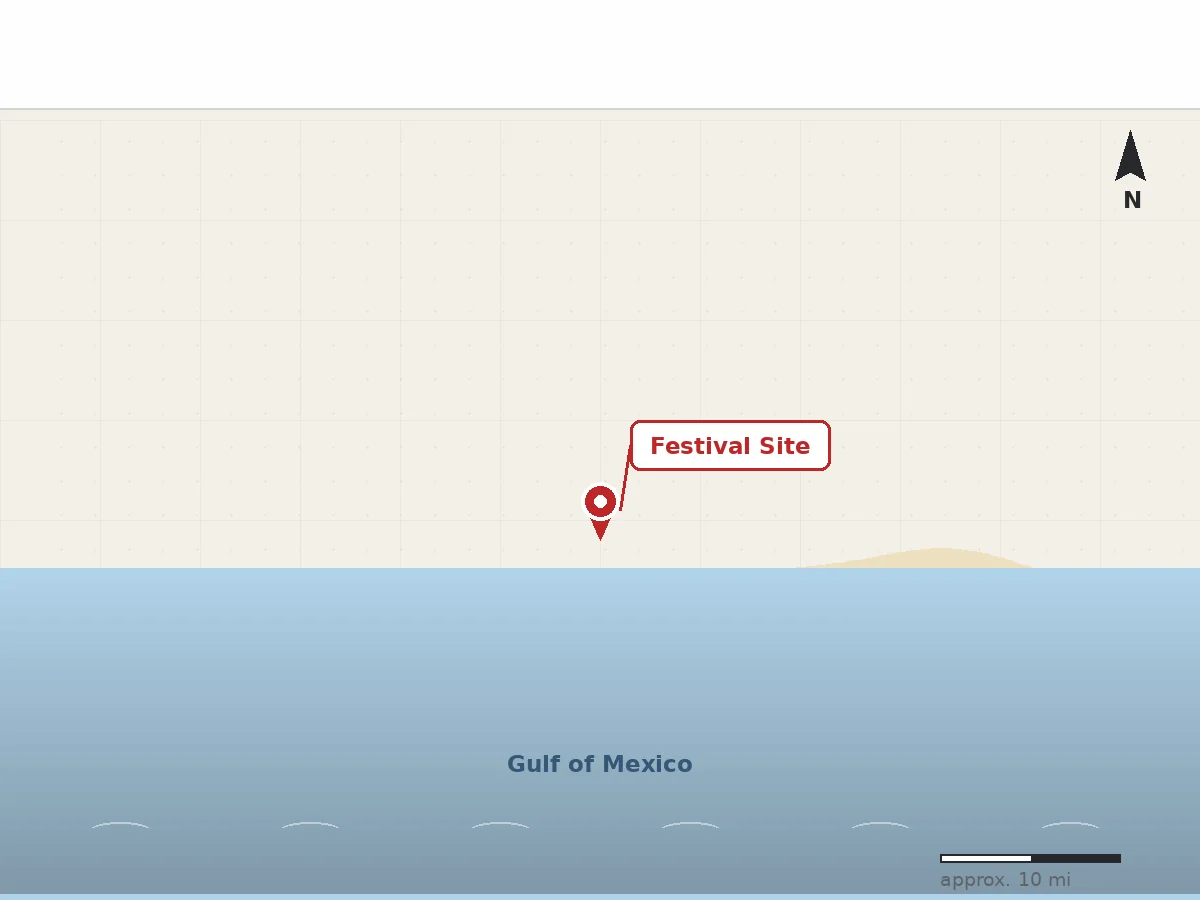
The fair takes place in the Menifee County area around Frenchburg, the county seat, in the hill country of eastern Kentucky.
Menifee County Fair Answers for First-Timers
When is the Menifee County Fair held?
It is held in late summer in most years, during the season when Kentucky’s county fairs run. Because the schedule can shift from one year to the next, check current local listings before you plan a trip.
Do I need to buy a ticket to get in?
Admission to the grounds is generally free. You pay individually for rides, games, food, and any special events, so budget for those rather than for a gate fee.
Is the fair a good outing for young children?
Yes. The grounds are compact, the midway has rides aimed at younger kids, and the livestock barns tend to be a hit. Bring a stroller if you need one, and plan around the hottest part of the afternoon.
What should I see first if I only have one evening?
Walk the barns and exhibit halls first, while there is still daylight, then move to the midway and finish with food and music. That order gives you the fair’s agricultural character and its evening atmosphere in a single visit.
The Road Ahead for the Menifee County Fair
Like county fairs everywhere, this one depends on volunteers, exhibitors, and local businesses willing to keep showing up. The pressures are familiar: an aging pool of organizers, rising costs for rides and insurance, and young families with less free time than previous generations had. The strengths are just as familiar — a county that still raises livestock, still gardens, and still turns out for its own.
As long as the barns fill and the stands sell out of pie, the fair will keep doing what it has done for generations: pulling a scattered county together for a few late-summer days in Frenchburg.
Last updated: October 2026
If you go, go without expecting a spectacle. The Menifee County Fair is something better suited to a county of 6,113 — a few days when the ridges empty out, the fairgrounds fill up, and everyone in Menifee County knows exactly where to find everyone else.