Marion County Illinois Marion County Fair Festival
There’s a particular sound that tells you the Marion County Fair is back: the low rumble of a tractor pulling onto the grounds, the crackle of a loudspeaker testing its levels, and the unmistakable sizzle of a fryer working overtime. If you’ve been coming for years, you already know it. If you’re planning your first visit, you’re in for one of southern Illinois’ most comfortable, unpretentious county fairs — the kind where you run into your kid’s teacher at the funnel cake stand and nobody’s in a hurry to leave.
This is an insider’s look at the fair as a returning visitor experiences it, not a press release. That means practical detail: which nights feel busiest, where the parking actually fills up, which exhibits are worth lingering over, and how to build a weekend around it without burning out by Saturday afternoon.
Marion County Fair at a Glance: The Details Returning Visitors Check First
| Town / area | the Marion County area, centered near Salem |
| County | Marion County, Illinois |
| County seat | Salem |
| County founded | 1823 |
| County land area | 576 square miles |
| Region | South-central Illinois, within easy reach of the St. Louis metro |
| Typical timing | Typically a summer weekend, often stretching across several days in mid-summer |
| Admission | Gate admission is typically free, with individual charges for rides, games, and some grandstand events |
| Setting | Open fairgrounds with exhibit halls, a grandstand, midway space, and livestock barns |
| Signature features | Livestock shows, 4-H and FFA exhibits, carnival midway, fair food, live music |
What the Fair Is, and Who It’s Really For
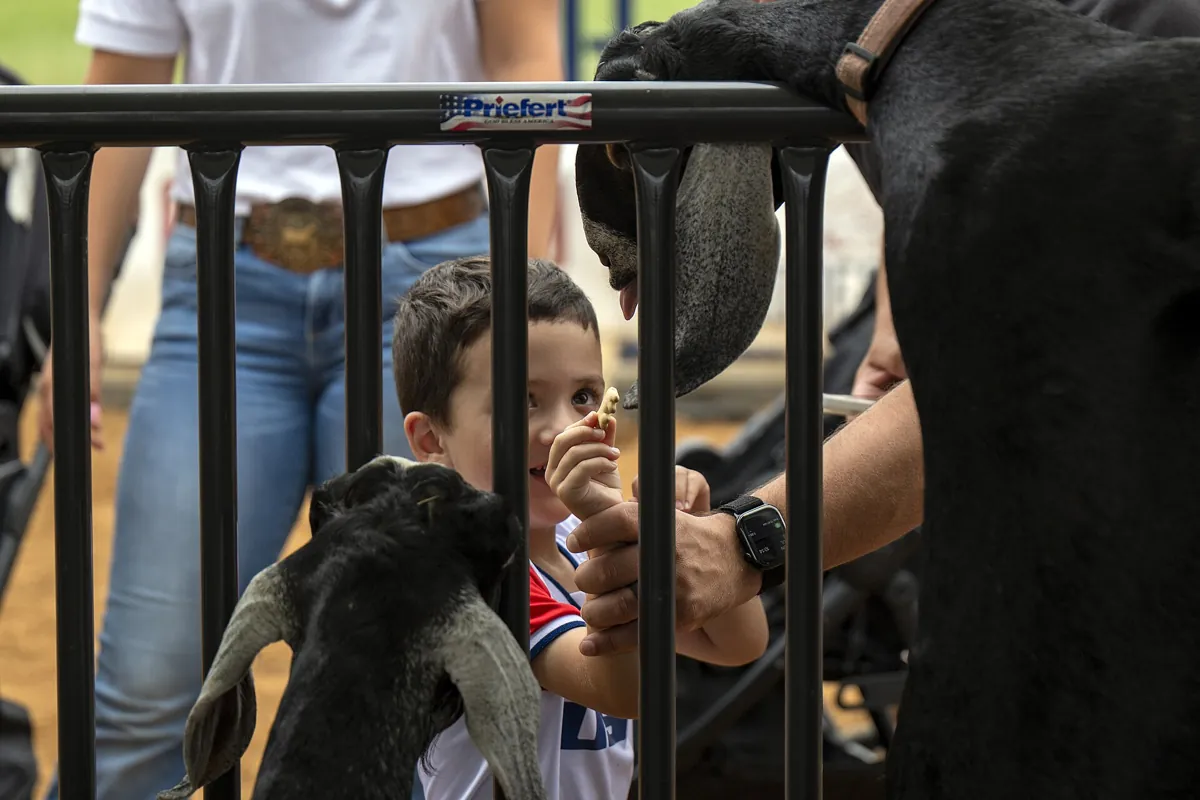
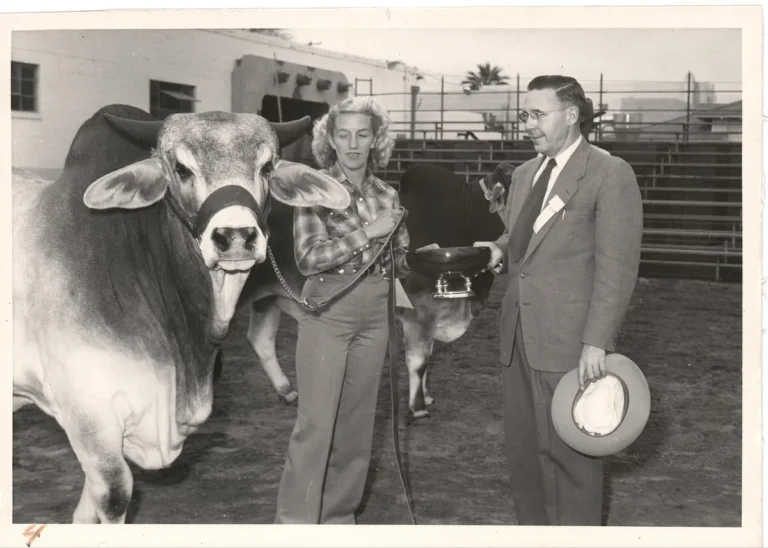
The Marion County Fair is a classic agricultural fair at heart. Its center of gravity isn’t a headline concert or a corporate sponsorship banner — it’s the barns. Cattle, swine, sheep, goats, and poultry all cycle through the show rings over the course of the fair, and the young people who raise them are the real headliners. Walk through the barns on a quiet morning and you’ll see what I mean: kids brushing animals, checking feed, comparing notes with neighbors, and quietly rehearsing their showmanship routines.
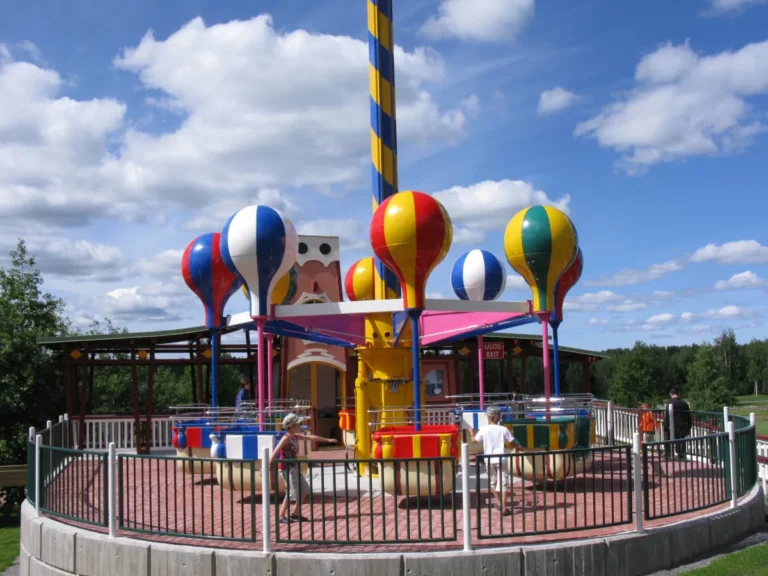
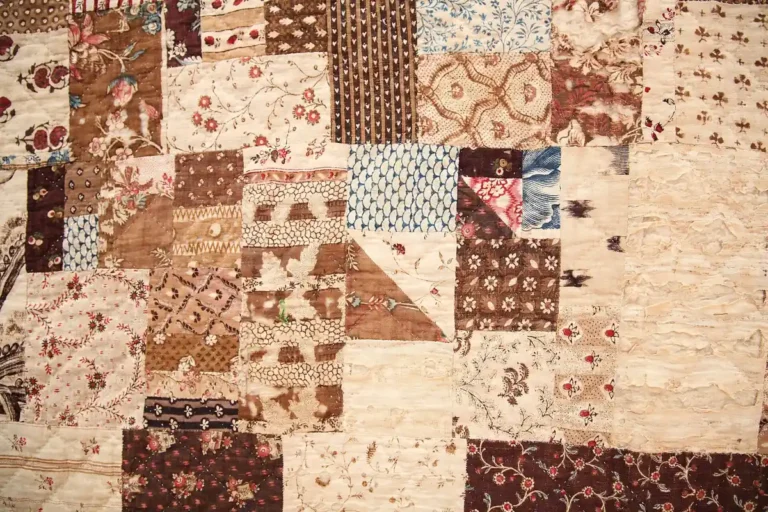
Around that agricultural core sits everything else a county fair needs to feel complete. There’s a midway with rides that range from gentle (the carousel, the kiddie train) to stomach-testing. There are exhibit halls full of canned goods, quilts, photography, vegetables, and school art. There are food stands run by local organizations, and there’s a grandstand that fills up for the bigger evening events. The county itself — 576 square miles of farmland, small towns, and lake country — is the audience. Salem, the county seat, sits at the middle of it all, and on fair nights the traffic patterns make that obvious.
What makes it feel different from bigger fairs is the pace. Nobody’s herding you through. You can spend twenty minutes talking to a beekeeper about honey extraction and nobody will rush you along. That’s the whole appeal.
For another look at how a community turns its own traditions into a gathering, see the Marion County Illinois Little Egypt Festival for a useful comparison.
How the Fair Took Shape in a County Founded in 1823
Marion County was founded in 1823, which puts it among the older counties in this part of Illinois. In those early decades, the county’s economy was built almost entirely on agriculture, and the social calendar revolved around harvests, church gatherings, and the occasional trip into Salem for supplies. Agricultural fairs grew out of that world — they were practical events first, a chance to compare seed, livestock, and technique with neighbors who lived a wagon ride away.
Over the generations, that practical purpose broadened. Railroads arrived, towns grew, and the fair became less about pure husbandry and more about community. The livestock shows stayed, but so did the baking competitions, the carnival, the grandstand entertainment, and the parade of local organizations selling sandwiches to fund their year’s activities. The fair’s exact origin story has been told and retold by people who lived it, and like most county fairs in Illinois, it evolved in fits rather than in one clean founding moment — some years bigger, some years lean, but always returning.
What has stayed constant is the fair’s role as a yearly checkpoint. Families who showed livestock in the 1970s now watch their grandchildren do the same thing in the same barns. Exhibitors who won a ribbon for a quilt thirty years ago still enter. The fair is less an event than a recurring appointment with the county itself.
What to Expect on the Grounds
Fair Food Worth Planning Your Day Around
The food is the reason a lot of people come, and I’m not going to pretend otherwise. Expect the full traditional lineup: corn dogs, elephant ears, funnel cakes, pork chop sandwiches, lemon shake-ups, fresh-squeezed lemonade, nachos, cotton candy, and whatever the local church or Lions Club booth is running that year. The stands run by community organizations are usually the best value and the most interesting — you’re more likely to find a genuinely good tenderloin or a homemade pie slice there than at the big commercial trailers.
My honest advice: eat your main meal early, before the dinner rush hits around 6 p.m., and save the sweets for after dark when the midway lights are on. Bring cash for the smaller booths. Some take cards now, but not all, and the ATM lines get long.
Live Music, Grandstand Nights, and Evening Entertainment
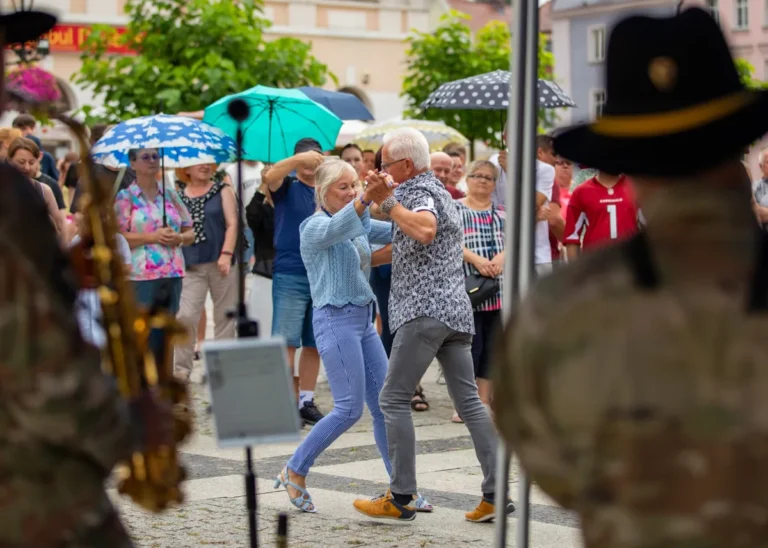
Evenings are when the fair shifts gears. The grandstand typically hosts the bigger draws — think demolition derbies, tractor pulls, and live music — while smaller stages and open areas around the grounds feature local and regional acts. The genre mix tends toward country, classic rock, and whatever the booking committee knows will fill the bleachers, which in a county like this usually means a little of everything.
If you’re a returning visitor, you already know the grandstand events are the ones that sell out or fill up first. Claim your seat early, bring a cushion for the metal bleachers, and don’t count on finding parking close to the gate if you arrive after the opening act starts.
Family Activities and the 4-H Heart of the Fair
For families, the daytime is the sweet spot. The livestock barns are open and active, the exhibit halls are quiet enough to actually look at things, and the midway is less crowded. Kids’ activities typically include carnival rides, games, pedal tractor pulls, and hands-on exhibits tied to agriculture and nature.
The 4-H and FFA presence is what gives the fair its backbone. These aren’t side attractions — they’re the main event for hundreds of local families. Watching a teenager who’s spent months haltering and feeding an animal walk into the ring is genuinely moving, and it’s the part of the fair that stays with you after the cotton candy wears off.
Getting There, Sleeping There, and Paying for It
Reaching the Fair From Salem and Beyond
The fairgrounds sit in the Marion County area, with Salem — the county seat — as the natural reference point for anyone navigating in. Most visitors arrive by car, and the approach roads get slow in the hour before grandstand events. If you’re coming from out of town, plan on the last few miles taking longer than the map suggests on a busy evening.
Where to Stay Overnight in the Salem Area
Overnight options are concentrated around Salem and the surrounding communities, with a mix of chain motels and independent lodging. Because the fair is a regional draw, rooms in the immediate area tighten up on the biggest nights. Book early if you’re coming for a specific grandstand event, and consider nearby towns along the main routes if Salem itself is full.
Parking Realities on a Busy Fair Night
Parking is typically on and around the fairgrounds, often on grass lots managed by local volunteers or organizations. It’s usually free or by donation. The lots closest to the main gate fill first, so arriving an hour before a headline event is the difference between a short walk and a long one. Wear shoes you don’t mind getting dusty — and if it’s rained recently, don’t wear the white ones.
Admission, Ride Costs, and What to Budget
Gate admission to the fair is typically free, which is one of the reasons it stays accessible for local families. Where you’ll spend money is inside: ride tickets or wristbands, games, food, and any ticketed grandstand events. A reasonable budget for a family evening covers parking, a round of rides, dinner, and dessert. Many fairs also offer ride specials on certain nights, so it’s worth checking the schedule before you commit to a wristband.
Summer Weather and How to Handle It
Mid-summer in southern Illinois means heat and humidity, with afternoon temperatures that can make the midway feel like a griddle. Mornings and evenings are far more comfortable. Bring water, wear a hat, use sunscreen, and take breaks in the shaded exhibit halls. Afternoon thunderstorms are a real possibility in this region, so have a plan for where you’ll shelter if the sky turns — usually the barns or the larger exhibit buildings.
A Sample Weekend Built Around the Fair
Friday evening: Arrive in the late afternoon while the light is still good. Walk the barns first, then the exhibit halls, then eat dinner from a community booth before the crowds hit. Stay for the evening grandstand event and a slow lap through the midway after dark.
Saturday morning: Come back early. This is when the livestock shows are running and the grounds are at their best — cool, quiet, and full of purpose. Grab breakfast from a vendor, watch a showmanship class, and talk to exhibitors. They’re almost always happy to explain what they’re doing.
Saturday afternoon: Retreat during the hottest hours. Rest at your lodging or find air conditioning in town. This is the part first-timers skip and regret.
Saturday evening: Return for the busiest night of the fair. Rides, music, food, and the biggest crowd. Park farther out and walk in. Stay until the midway lights start shutting down.
Sunday: If the fair runs into the weekend’s final day, use it for a relaxed pass — a last look at the exhibits, a final funnel cake, and a slow drive home through the county roads.
How It Compares With Other Southern Illinois Fairs
Fairs across this part of Illinois share a lot of DNA, but the differences matter if you’re deciding where to spend a summer weekend.
Fairs in neighboring counties often lean on the same formula — livestock, midway, grandstand — but some are noticeably larger and draw bigger concert bookings, which means bigger crowds and more commercial vendors. The Marion County Fair tends to feel more local and less crowded, with a stronger emphasis on the barns and community booths than on headline entertainment.
Town celebrations in nearby communities offer a different flavor entirely: usually shorter, often built around a single street or park, and lighter on agriculture. If you want the full county fair experience — the barns, the exhibits, the grandstand, the midway — this is the one to plan around. If you want a quick evening out, a town festival may suit you better.
A Practical Checklist for Fair Day
- Cash for smaller food booths and donation parking
- Sunscreen, hat, and a refillable water bottle
- Comfortable closed-toe shoes you don’t mind getting dusty
- A light rain jacket or poncho for afternoon storms
- A cushion or blanket for metal grandstand bleachers
- A charged phone and a portable battery
- A tote bag for exhibit hall purchases and contest entries
- Patience for the parking lots after the evening’s main event
Beyond the Fairgrounds: What Else Marion County Offers
Make a weekend of it and the county rewards you. Salem, as the county seat, has a walkable downtown with local shops and restaurants worth an hour of your time. The surrounding 576 square miles are farm country punctuated by small towns, country roads, and lake and recreation areas that are popular with anglers and boaters in summer.
If you’re driving in from the St. Louis direction, the route itself is part of the experience — flat farmland, grain elevators, and small-town main streets that haven’t changed much in decades. Slow down. That’s the point.
Why the Fair Still Anchors Marion County
County fairs are often described as traditions, which undersells what they actually do. In a county founded in 1823 and still overwhelmingly agricultural, the fair is one of the few places where every part of the community shows up at once — farm families, town residents, students, retirees, local businesses, churches, and service clubs.
It’s also where the next generation learns something that can’t be taught in a classroom: how to raise an animal, lose gracefully, win humbly, and show up the next year anyway. That’s the real product of the Marion County Fair, and it’s why families keep coming back decade after decade.
Finding the Fairgrounds Near Salem, Illinois
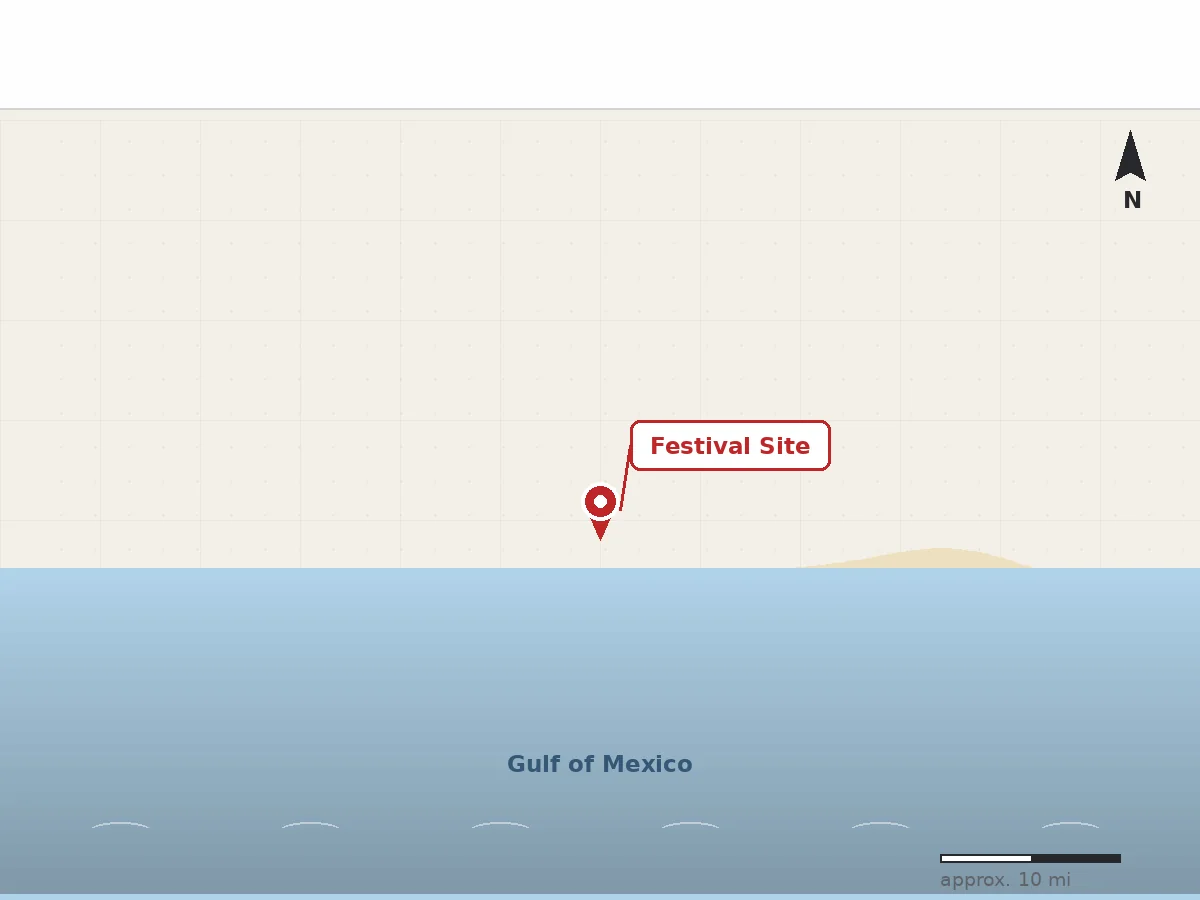
The Marion County Fair takes place at the fairgrounds in the Marion County area near Salem, the county seat, in south-central Illinois.
Visitor Questions, Answered
When does the Marion County Fair usually take place?
It’s typically held during a summer weekend, often spread across several days in mid-summer. Exact dates shift from year to year, so check the current schedule before you plan travel. The fair generally runs from late morning into the evening, with the biggest crowds after dinner.
Do I need to buy tickets in advance?
Gate admission is typically free, so there’s usually nothing to buy in advance just to get in. Individual attractions — rides, games, and some grandstand events — are paid separately on site. If a specific grandstand event interests you, arriving early is more important than buying ahead.
Is the fair a good fit for young children?
Yes, especially during the day. Mornings and early afternoons are calmer, the barns are open, and the midway is manageable. Bring a stroller if you need one, though the grounds are mostly grass and gravel. Evening crowds are heavier and louder, which some small children find overwhelming.
Should I bring cash or card?
Bring both, but lean on cash. Larger vendors and grandstand ticket windows often accept cards, while smaller community booths and donation-based parking may not. Having small bills makes everything faster.
The Fair’s Next Chapter in Marion County
The future of the Marion County Fair looks a lot like its past, which is probably the right outcome. County fairs that survive do so by holding on to what makes them distinct — the livestock shows, the 4-H and FFA programs, the local food booths — while gradually modernizing the rest. Expect continued investment in the grounds, more family-friendly programming, and a slow evolution of grandstand entertainment to match what audiences in this part of Illinois actually want to see.
What won’t change is the fair’s role as the county’s annual gathering point. As long as there are kids raising animals and families looking for a summer evening out, the fair will have a reason to exist.
Last updated: October 2026
If you’ve never been, go on a Friday evening and stay for the barns the next morning. If you’ve been going for years, you already know the routine — and you already know it’s worth clearing the calendar for. The Marion County Fair isn’t trying to be anything other than what it is, and in a county this rooted in the land, that’s more than enough.

One Comment