Bourbon County Kansas Bourbon County Fair Festival
Most county fairs ask you to be impressed. The Bourbon County Fair, held in the rolling southeast Kansas countryside around Fort Scott, asks you to be comfortable instead. That is the difference you notice the second time you go. The first visit is about rides and corn dogs; the second is about knowing which barn to walk through first, which picnic table holds shade at five o’clock, and which gate gets you out of the lot without a twenty-minute wait.
Bourbon County Fair Basics: Town, Timing, and Setting
| Town / area | Bourbon County area, anchored by Fort Scott |
| County | Bourbon County, Kansas |
| County seat | Fort Scott |
| County population | 14,360 (2020 census) |
| County land area | 639 square miles |
| Region | Southeast Kansas |
| Typical timing | Late summer, across several consecutive days |
| Admission | Generally free to enter the grounds; some individual events may charge |
| Setting | Fairgrounds with barns, exhibit halls, a midway, and a grandstand |
| Signature features | Livestock shows, open-class exhibits, fair food, grandstand nights, family activities |
The Fair, Seen Twice
Every late summer, the Bourbon County Fair pulls this corner of Kansas toward its fairgrounds for a run of consecutive days: livestock in the barns, entries in the exhibit halls, rides on the midway, and a grandstand that fills once the sun drops. The county itself is small and steady — 14,360 residents at the 2020 census, spread across 639 square miles, with Fort Scott serving as the county seat. A fair at that scale does not try to be a state fair. It tries to be the week when the farmer, the teacher, the truck driver, and the shop owner all end up standing in the same gravel aisle.
For a returning visitor, the appeal is the rhythm. The barns are busiest in the morning, when judging happens, and quiet during the hottest part of the afternoon. The food row gets loud around suppertime. The grandstand is the last thing to empty out. That predictability is not a lack of ambition — it is the point of a county fair, and it is why people who moved away from Bourbon County still plan summer visits around it.
From an 1855 County to a Fairground Calendar Fixture
Bourbon County was founded in 1855, making it one of the earlier counties organized in Kansas, and Fort Scott grew into its seat of government and its commercial center. Agriculture built the economy here — wheat, corn, soybeans, and cattle — and agricultural fairs grew directly out of that world. They were working events before they were entertainment: a place to compare stock, show produce, judge preserves, and trade the kind of practical knowledge that never traveled well by letter.
Over the generations, the fair absorbed everything else a county needed an excuse to do together. School groups entered exhibits. Service clubs ran food stands. Farm families brought kids who started in the youth livestock programs and came back years later as parents watching from the rail. The grounds themselves have always served the same purpose: a neutral patch of dirt and grass where a young exhibitor from a rural township and a kid from a Fort Scott neighborhood compete in the same ring, on the same afternoon, under the same judge.
For another look at how a community turns its own traditions into a gathering, see the Boone County Kentucky Boone County Fair Festival for a useful comparison.
What has changed is the surrounding county. Farms got bigger and fewer, families got smaller, and the fair had to work harder to stay relevant. What has not changed is the calendar logic. When the fair comes around, Bourbon County rearranges its week around it.
Reading the Fairgrounds Like a Regular
First-timers walk the fair in one direction and miss half of it. Regulars split the grounds into zones and work them in order: barns early, exhibit halls midday, midway in the late afternoon, grandstand at night. Here is what each zone actually offers.
Food Row and the Kansas Standbys
Fair food here is unapologetically traditional. Expect the midway classics — corn dogs, funnel cakes, cotton candy, giant lemonade shake-ups — alongside the stands that locals actually queue for: smoked brisket and pulled pork, hand-cut fries, walking tacos, homemade pie by the slice, and cinnamon rolls big enough to share. Church and civic groups typically run their own booths, and those are usually where the best value sits.
Two practical notes from someone who has learned the hard way. Eat before seven o’clock, because the popular stands develop real lines once the grandstand crowd starts moving. And bring cash even if most vendors take cards — small stands sometimes do not, and the ATM situation on a fairground is never what you hope it is.
Grandstand Nights and Local Entertainment
The grandstand is the fair’s evening anchor, and its programming usually leans on the events that fill seats in this part of Kansas: demolition derbies, tractor and truck pulls, rodeo-style competitions, and live music from regional country and rock acts. Talent showcases and youth performances often land earlier in the schedule, when the crowd is more family than festival.
Seating is typically bleacher-style, so a stadium cushion or a folded blanket earns its place in your bag. Arrive before the start time rather than at it; the difference between a good seat and a view of someone’s shoulders is usually about fifteen minutes.
Family Activities, Barns, and Exhibit Halls
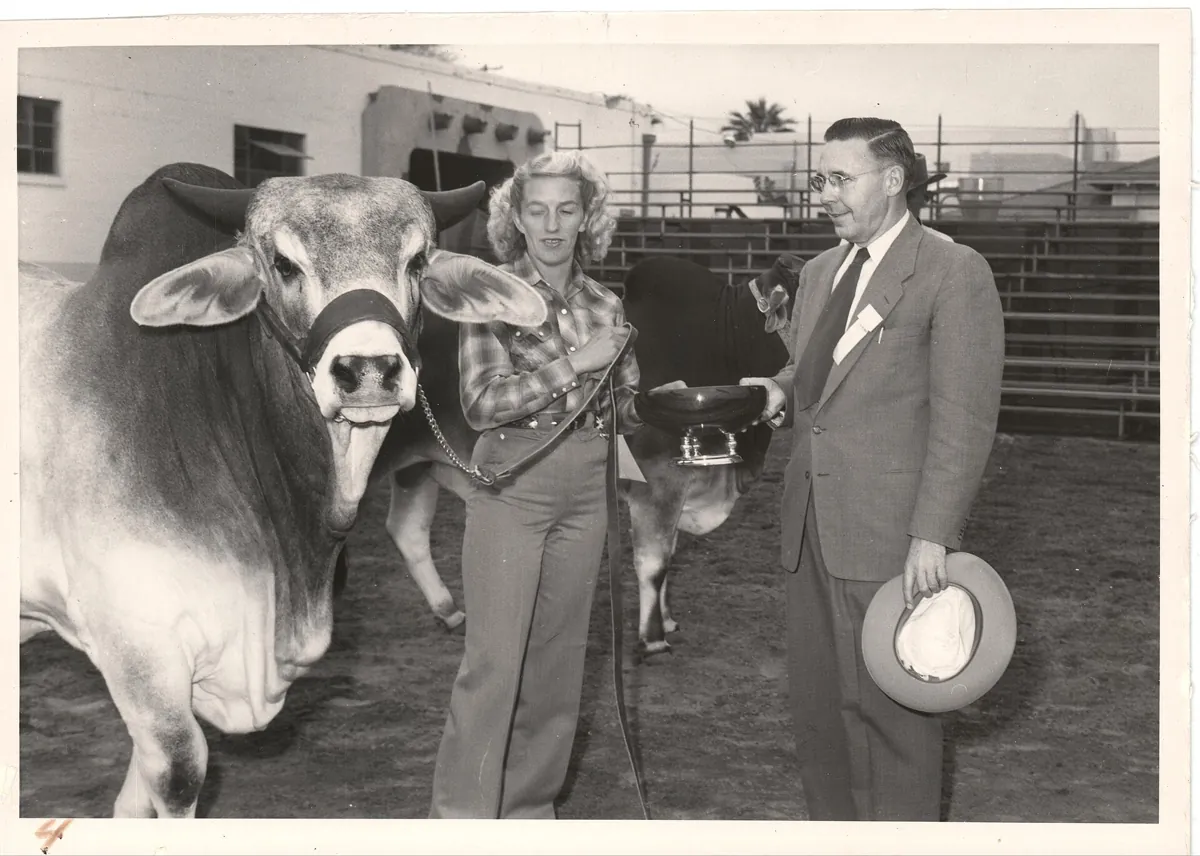
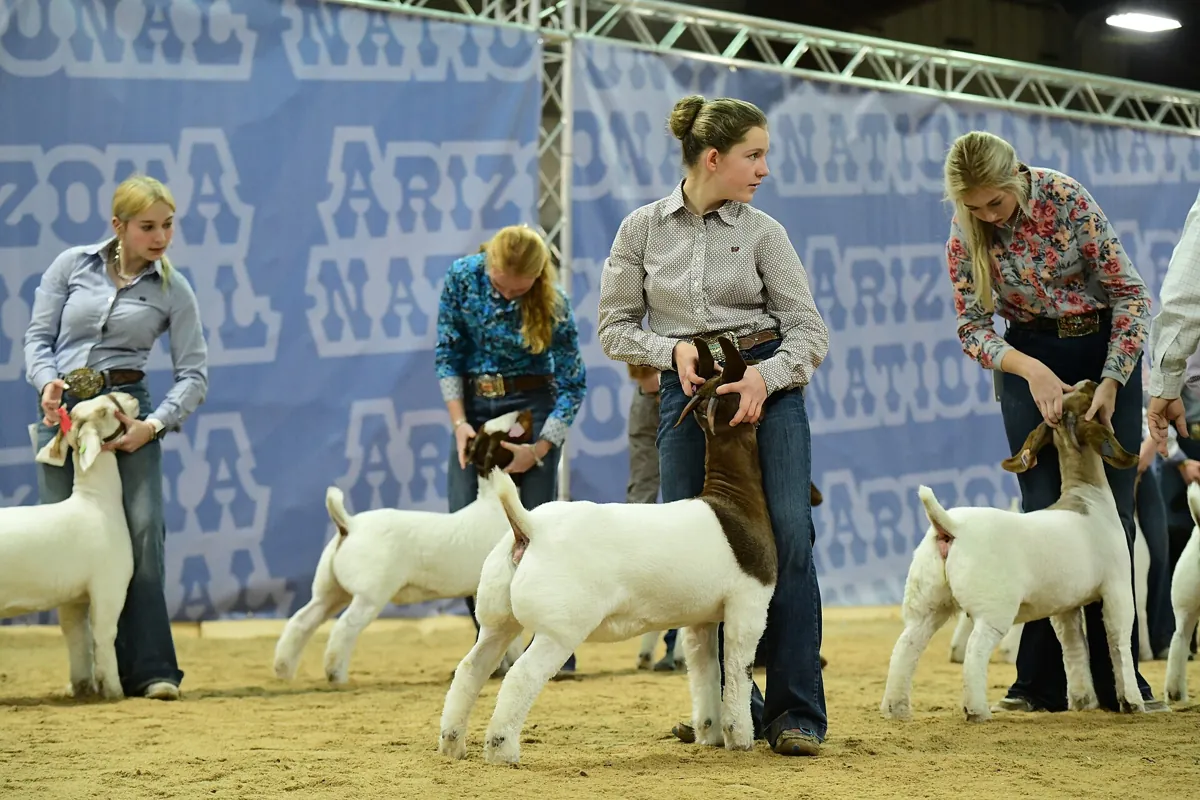
The livestock barns are the fair’s living heart and the best free attraction on the grounds. Youth exhibitors show beef cattle, dairy cattle, swine, sheep, goats, and poultry, and most are happy to answer questions if you ask politely and keep your hands off the animals without permission. Morning is the time to watch judging; late afternoon is the time to watch animals get washed and brushed for the evening.
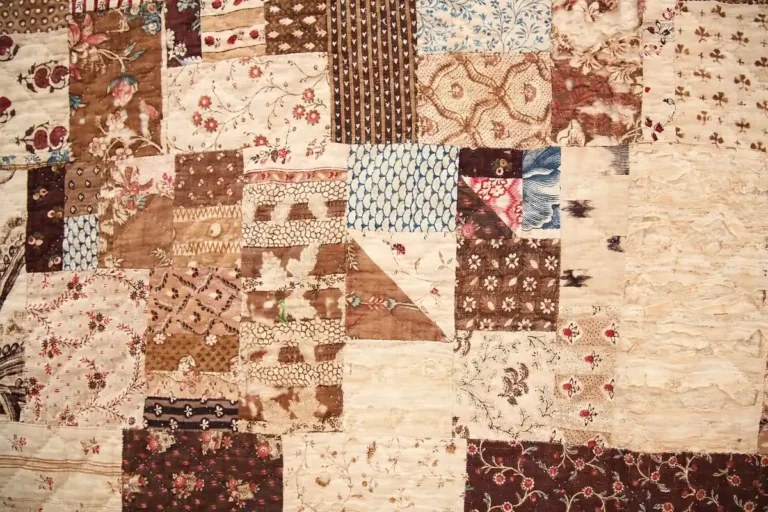
The exhibit halls hold the quieter competition: baked goods, canned goods, quilts, photography, flowers, vegetables, and school art. Walk the aisles slowly and you will see the same family names repeated across three generations of entries. For younger kids, the midway rides, games, and small-animal areas usually carry the day, and most fairs build in at least one activity aimed squarely at the under-ten crowd.
Planning the Trip to Fort Scott and Bourbon County
Getting There on Southeast Kansas Highways
Bourbon County sits in southeast Kansas, with Fort Scott as the hub. Most visitors arrive by car, and the county’s road network makes the trip straightforward from any direction — highways feed into Fort Scott, and the fairgrounds are a short drive from the city itself. Fuel up before you get close to the grounds; convenience stores near a fairground on a Saturday night are their own kind of crowded.
Where to Stay Around Fort Scott
Fort Scott is the practical base. Motels and inns in and near town fill fastest during fair week, so book early if you are coming from out of the area. Campers and RV owners often prefer to stay at area campgrounds and drive in daily, which also solves the late-night exit problem. If everything local is booked, look at larger towns within an easy drive and treat the fair as a day trip.
Parking Without the Circling
Fairground parking is usually free and usually grassy or gravel, which matters after a rain. Arrive early in the evening for grandstand nights, park facing out if you can, and accept a slightly longer walk in exchange for a clean exit. Families with strollers or coolers should aim for the closest lot well before the peak arrival window.
Admission, Wristbands, and Cash
Grounds admission at fairs of this size is typically free, with costs concentrated in ride wristbands, carnival tickets, grandstand events, and food. Budget for the midway separately from everything else, because it is where family spending escalates fastest. Many fairs offer unlimited-ride wristband nights, which are worth checking before you buy individual tickets.
Late-Summer Weather and What to Pack
Late summer in southeast Kansas means heat, humidity, and the real possibility of an evening thunderstorm. Pack sunscreen, a refillable water bottle, and a light rain jacket you can stuff in a bag. Wear closed-toe shoes — fairgrounds are gravel, grass, and dust, and the barns are not a sandal environment. A small flashlight or phone light helps on the walk back to the car.
A Returning Visitor’s Weekend Itinerary
Friday evening: Arrive before the dinner rush, walk the exhibit halls while they are still calm, eat on food row, and finish at the grandstand. This is the night to get your bearings without fighting a Saturday crowd.
Saturday morning: Go straight to the barns for livestock judging. This is the fair at its most serious and most interesting. Follow it with a slow pass through the exhibit halls and an early lunch from a civic-group stand.
Saturday afternoon: Retreat to shade or an air-conditioned break in Fort Scott during the worst heat, then return for the midway and rides in the cooler late-afternoon hours.
Saturday night: Grandstand event, then one last walk through the grounds after the crowd thins. The fairground at eleven o’clock, with the lights still on and the noise gone, is the image that sticks.
Sunday: Come back for the quieter hours — exhibits, small-animal areas, and whatever closing-day activities the schedule holds — before heading home.
How It Stacks Up Against Nearby Towns
Weighing a fair weekend against other southeast Kansas options comes down to what you want. Fort Scott and the Bourbon County Fair deliver a compact, walkable, genuinely local experience — you will hear as many conversations about soybean prices as about carnival rides, and that is the charm. Larger towns in the region, like Pittsburg to the south, offer more restaurants, more lodging, and a bigger commercial footprint, but they come with bigger crowds and more driving between stops.
Smaller neighboring communities in the surrounding counties run their own summer events with an even more intimate feel, often built around a single evening rather than a multi-day run. If your priority is a full slate of barns, exhibits, midway, and grandstand nights in one place, Bourbon County is the stronger pick. If you want a fair as one item on a longer regional trip, base in Fort Scott and use the county’s highways to branch out.
The Returning Visitor’s Checklist for Fair Week
Book lodging early if you are staying overnight. Confirm the current schedule before you drive, since programming shifts year to year. Bring cash in small bills. Pack sunscreen, water, and closed-toe shoes. Charge your phone and bring a portable battery. Keep a stadium cushion in the car for grandstand nights. Bring a cooler with drinks for the parking lot. Know your meeting point before you split up with family. And leave one evening unscheduled — the best moments at a fair this size are the unplanned ones.
Beyond the Fairgrounds: Fort Scott and 639 Square Miles
The fair is a good reason to see the rest of Bourbon County. Fort Scott, the county seat, has a compact downtown worth an hour of wandering, with local shops, cafés, and the kind of historic brick streets that reward slow walking. The county’s 639 square miles are mostly farmland and prairie, connected by gravel roads that make for a genuinely pleasant evening drive.
Give yourself an extra half day. Eat breakfast in town, drive a loop out into the countryside, and stop wherever a farm stand or a small-town main street catches your eye. Visitors who only see the fairgrounds miss the reason the fair exists in the first place.
What the Fair Means in a County of 14,360
In a county with 14,360 residents, a fair is not a tourism product — it is infrastructure. It is where the youth livestock program produces its season-ending results, where volunteer groups raise a meaningful share of their annual budget, and where people who have not seen each other since last summer actually catch up.
That is also what makes it fragile in a good way. It depends on volunteers, on families entering exhibits, and on people showing up. Every ticket bought, every pie judged, and every seat filled at the grandstand is a small vote to keep the tradition running for another year.
Where the Fair Sits in Bourbon County
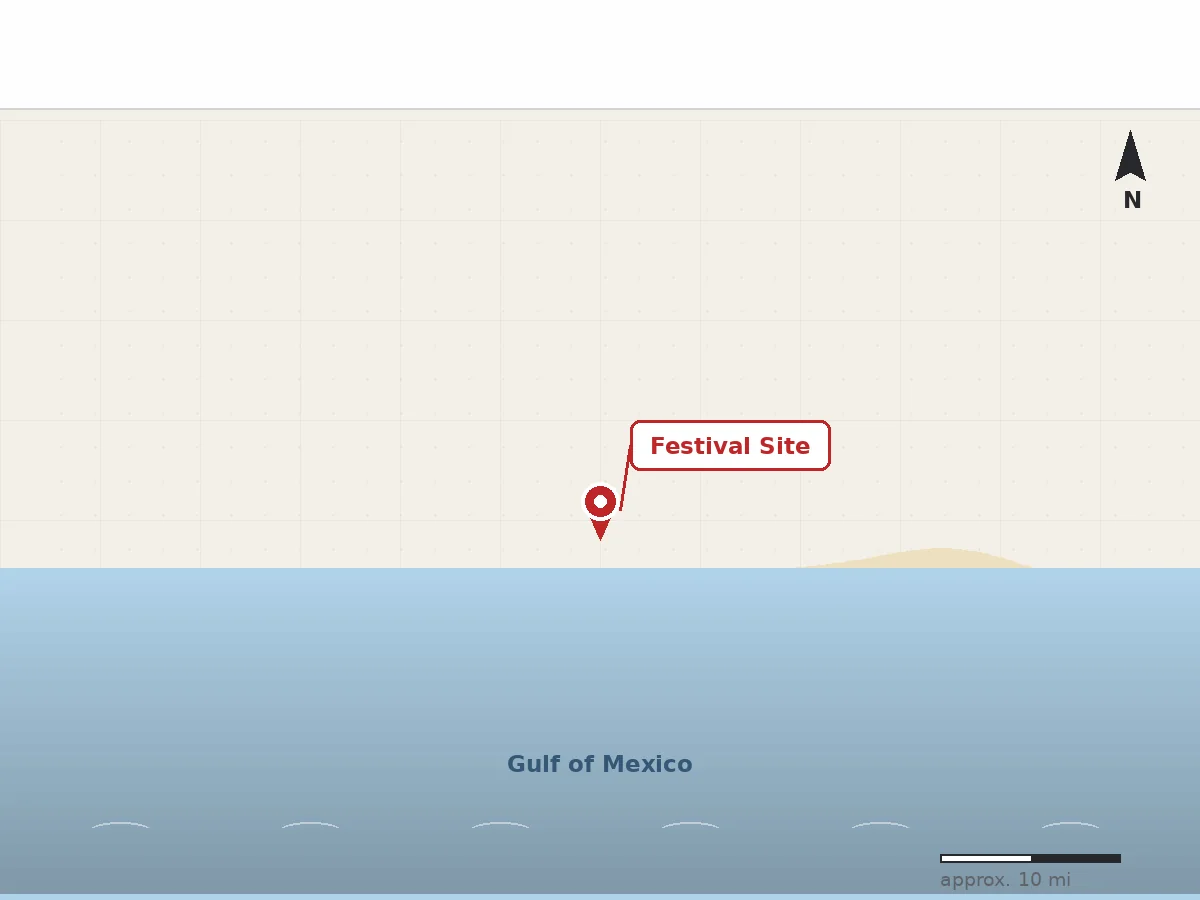
The Bourbon County Fair takes place at the fairgrounds serving the Bourbon County area, a short drive from Fort Scott, the county seat, in southeast Kansas.
Bourbon County Fair Questions, Answered Plainly
Is there an admission charge to get onto the grounds?
At fairs of this size, entry to the grounds is generally free, with spending concentrated on rides, carnival tickets, food, and grandstand events. Treat any specific event pricing as something to confirm on the current schedule before you go.
When during the year is the fair usually held?
It falls in late summer, running across several consecutive days. Exact dates shift from year to year, so check the current schedule rather than relying on last season’s calendar.
Is it a good outing for young children?
Yes, with planning. Go earlier in the day for the barns and small-animal areas, ride the midway in the cooler late afternoon, and keep the evening short if your kids are small. Bring water, sunscreen, and a stroller that handles gravel.
Should I bring cash?
Bring some. Larger vendors usually accept cards, but small stands, games, and some entry fees still run on cash, and the lines at any on-site ATM will not improve your evening.
What’s Next for the Bourbon County Fair
The fair’s future looks like its present: a volunteer-driven event working to keep agriculture relevant to a county that is smaller than it used to be. Expect continued emphasis on youth exhibitors, on family-friendly pricing, and on grandstand programming that draws a crowd without pricing out local families. The biggest variable is not money — it is participation.
Last updated: October 2026
If you have been to the Bourbon County Fair before, you already know what to do: block the week, clear the calendar, and show up. If you have not, come once for the rides and the food. Come back the next year for the part that actually matters — the barns at eight in the morning, the pie table, the same faces in the same seats at the grandstand, and a county of 14,360 holding one week open for everyone.


One Comment