Laurel County Kentucky World Chicken Festival
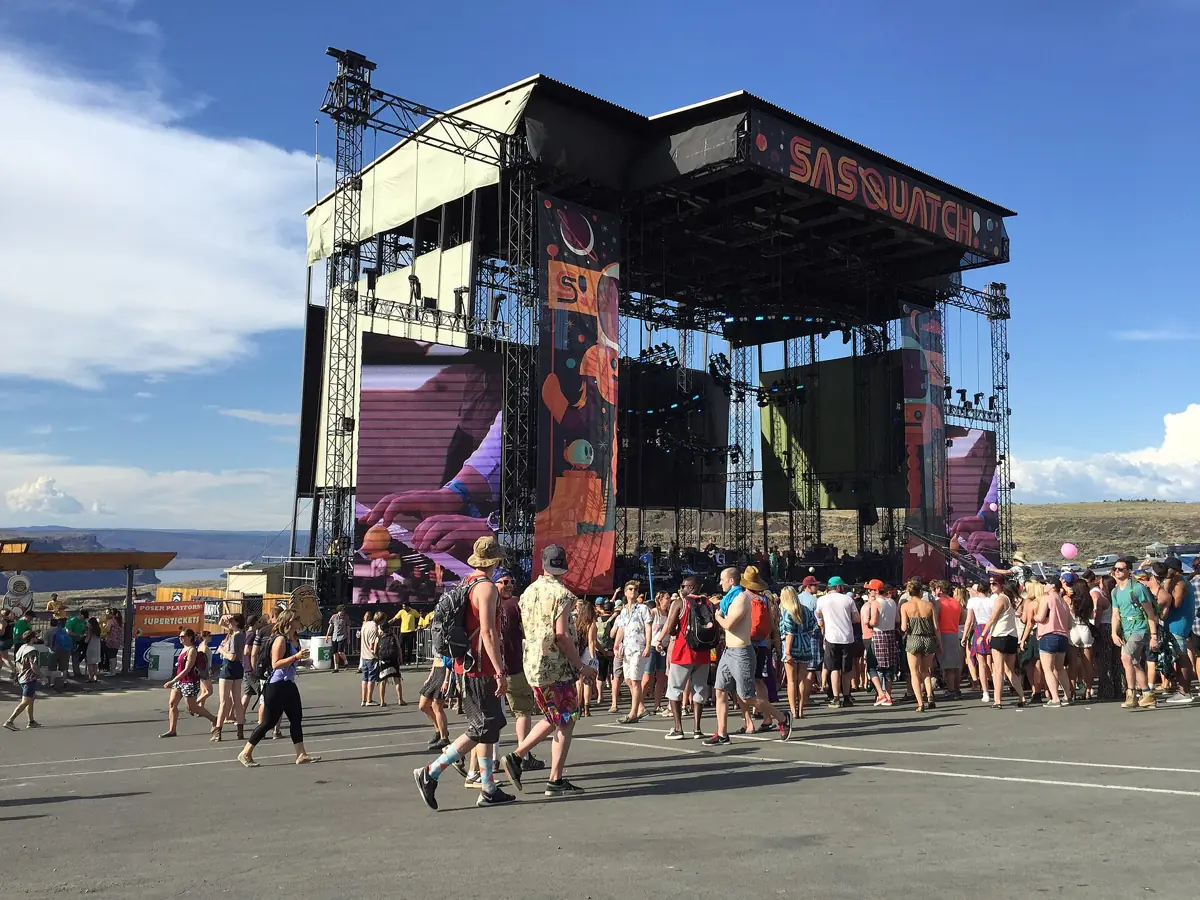
Every September, the seat of Laurel County, Kentucky throws a party built around one bird. The Laurel County World Chicken Festival takes over downtown London with food vendors, stages, carnival rides, and crowds that spill along the sidewalks for a full weekend. It is a small-city festival with a big, specific identity — and for anyone traveling through southeastern Kentucky in early autumn, it is one of the region’s most approachable stops.
This guide is written for people who are actually going: what the festival is, how it started, what to eat and do, where to park, where to sleep, and how to build a weekend around it without wasting time. Everything below stays practical, so you can plan a trip to London and know what you’re walking into.
Laurel County’s World Chicken Festival: The Essentials
| Town / area | London and the surrounding Laurel County area |
| County | Laurel County, Kentucky |
| County seat | London |
| County population | 62,613 (2020 census) |
| Region | Southeastern Kentucky |
| Typical timing | Each September, across a long weekend |
| Admission | Typically free to enter; food, rides, and merchandise are pay-as-you-go |
| Setting | Downtown London streets and adjoining public spaces |
| Signature draws | Fried chicken prepared in a giant skillet, food and craft vendors, live music, carnival rides, contests, parade |
| Organizer | Community-run festival led by local volunteers and civic supporters |
What the World Chicken Festival Actually Is
Strip away the branding and the World Chicken Festival is a classic American street fair with an unusually sharp theme. A few blocks of London close to traffic. Vendors line the pavement. There are tents for crafts and local organizations, a midway with rides, at least one main stage, and food stands selling far more than chicken. The bird is the hook, not the whole story.
What sets it apart is scale within its theme. The festival’s best-known spectacle is a massive skillet used to fry enormous quantities of chicken in front of a crowd — an image that has traveled far beyond Laurel County and given the event a recognizable face. Around that centerpiece sits a full weekend of programming: cooking demonstrations, eating contests, pageantry, music, and a parade through downtown.
Because it is a free, open-street event rather than a gated ticketed venue, the rhythm is casual. You wander in, eat, watch whatever is happening, sit on a curb, and wander on. That looseness is the appeal — and it’s also why a little planning helps. Downtown London is compact, and the busiest hours can make the core blocks feel tight.

How a Southeastern Kentucky Town Built a Chicken Celebration
Laurel County has deep roots. The county was founded on December 21, 1825, with London named as its seat, and it has grown into a 444-square-mile county of 62,613 residents in the southeastern corner of the state. For most of its history, that economy rested on farming, timber, and the crossroads traffic that passed through the Cumberland Plateau gateway.
The festival grew out of that agricultural identity. Poultry has long been part of the region’s farm economy and its kitchen tables, and a community looking for a signature event landed on something both ordinary and universal: fried chicken. The idea was simple enough to explain in one sentence and broad enough to build a whole weekend around.
Over the decades the event expanded from a modest local gathering into a multi-day production with national name recognition. The skillet became the symbol, the downtown streets became the venue, and September became the calendar anchor. What has not changed is the structure: volunteers, local businesses, civic groups, and churches doing the unglamorous work that keeps a street festival running.
The timeline below is deliberately broad, since exact years and milestones shift with each retelling and each new organizing committee:
Early years: a small community celebration centered on local food and downtown commerce. Growth phase: the giant skillet and the fried-chicken theme draw regional attention and larger crowds. Modern era: a full weekend of stages, vendors, rides, contests, and a parade, with London’s downtown as the permanent stage.
Inside the Festival: Food, Stages, and Family Fun
What to Eat Beyond the Fried Chicken
Fried chicken is the headline, and the skillet chicken is the thing to try first. Expect it served in plates and baskets alongside standard festival fare: barbecue, burgers, corn dogs, funnel cakes, kettle corn, lemonade shake-ups, and sweet tea. Local church and civic booths often sell the most interesting food — look for homemade desserts, soups, and regional specialties that don’t show up at every fair.
Practical notes: cash still moves faster at smaller booths, though most vendors take cards. Lines are longest at peak lunch and dinner hours. If you want the skillet chicken without a long wait, eat early or late rather than at the top of the noon hour.
Music and Entertainment on the London Stages
Live entertainment runs throughout the weekend, typically mixing local and regional acts across country, bluegrass, gospel, and rock, with a main stage and smaller performance areas. Southeastern Kentucky has a strong bluegrass tradition, and festival lineups usually reflect it. Evening sets draw the biggest crowds; daytime slots are easier to enjoy with kids in tow.
Beyond music, expect emcee-driven events: cooking demonstrations, contests, and the kind of crowd-participation bits that keep a street festival moving. Schedules are published by organizers each year and posted around the grounds, so grab one early and plan around the two or three acts you actually want to see.
Family Activities and Things for Kids to Do
The midway is the obvious draw for children, with rides and games priced individually or by wristband. Beyond that, expect craft tents, face painting, balloon animals, and hands-on booths run by local groups. The parade through downtown is one of the weekend’s most family-friendly moments and usually pulls the largest daytime crowd.
Two cautions for parents: downtown streets mean traffic on the perimeter, and evening crowds get dense. Set a meeting point early, dress kids in something bright, and keep an eye on stroller space — narrow vendor rows are not built for wide loads at peak hours.
Planning Your Trip to London, Kentucky
Getting to Laurel County
London sits directly on Interstate 75 in southeastern Kentucky, which makes it one of the easiest festival towns in the region to reach by car. The city is also served by US-25 and a handful of state routes that connect it to surrounding communities. If you’re coming from Lexington, Knoxville, or anywhere along the I-75 corridor, the drive is straightforward.
There is no major commercial airport in Laurel County. Most out-of-state visitors fly into a larger regional airport and drive in, or simply build the festival into a longer road trip through the Cumberland Plateau.
Where to Stay Around London
The I-75 corridor through London has the widest concentration of hotels and motels, and these fill first for festival weekend. Book well ahead. If you prefer something quieter, look at campgrounds and cabin rentals near Levi Jackson Wilderness Road State Park and around Laurel River Lake, both of which put you close to town while keeping the weekend peaceful.
Neighboring towns along the interstate offer overflow lodging, but you’ll be adding drive time each day and dealing with festival traffic twice. Staying in London is worth the premium if you can get it.
Parking and Getting Around Downtown
Because the festival occupies downtown streets, street parking inside the footprint is limited or closed entirely during peak hours. Expect to park in outlying lots and walk, or use shuttle service if organizers provide it in a given year. Arrive before mid-morning for the easiest parking, and be ready to walk several blocks.
Once you’re in the core, everything is walkable. Wear comfortable shoes; downtown London is compact but the festival footprint stretches, and you’ll cover more ground than you expect between the midway, the food rows, and the stages.
Admission and What Things Cost
Entry to the World Chicken Festival is typically free, which is central to its character as a community event. Your spending happens inside: food, drinks, rides, games, and merchandise. Set a rough budget per person for food and midway tickets, and carry some cash for smaller vendors and tip jars.
September Weather and What to Wear
September in southeastern Kentucky is transitional. Days are often warm and humid, evenings cool down noticeably, and rain is always a possibility. Dress in layers, bring a light rain jacket rather than an umbrella if you’ll be in crowds, and wear shoes you don’t mind getting dusty. Sunscreen is worth packing even on overcast days.
A Sample Festival Weekend in London
Friday evening: Arrive mid-afternoon, check in, and park before the dinner rush. Walk the food rows first to get your bearings, eat early, then settle in near the main stage for the evening music. Leave before the final set ends if you want an easy exit.
Saturday morning: Get downtown early. This is the best window for the skillet chicken, shorter lines, and cooler temperatures. Browse craft tents before the crowds thicken, and stake out a parade spot on the main route well before it starts.
Saturday afternoon and evening: Midday is peak. Use it for the midway with kids, or retreat to a shaded side street and a cold drink. Return for the headline entertainment, then grab a late funnel cake on the way out.
Sunday: Mornings are calmer and better for browsing and last-minute food. Many families treat Sunday as the relaxed day — a slower walk through the booths, one more plate of chicken, and an early departure before the afternoon crowds build.
How It Compares: Nearby Towns and Festivals
Corbin, roughly half an hour south along I-75, is the other chicken landmark in this part of Kentucky — the town where Colonel Harland Sanders ran his original service station and café. If you’re building a themed road trip, the two pair naturally, and Corbin’s downtown has its own historic character.
To the north, Berea is known for its arts and crafts tradition and makes a good half-day stop for anyone interested in handmade goods rather than carnival food. To the west, Somerset and the Lake Cumberland area offer a completely different weekend — water, hiking, and lake-town dining instead of a street festival.
The distinction matters: the World Chicken Festival is a downtown street fair with a single, loud theme. The region’s other draws are outdoor and craft-oriented. Combining them is what turns a festival day into a genuine southeastern Kentucky weekend.
Your Festival Checklist for Laurel County
Book lodging early, ideally months out, and confirm whether your hotel is inside London or along the interstate outside town. Check the current year’s schedule before you go — dates shift within September, and stage times change. Plan to arrive before mid-morning, park outside the footprint, and walk in.
Bring cash for small vendors, a refillable water bottle, sunscreen, a light rain layer, and comfortable shoes. Charge your phone the night before and screenshot the schedule in case the signal gets congested. Set a family meeting point before you split up. Eat the skillet chicken early, keep one evening free for music, and leave a little room in the day for the booths you didn’t plan on.
Beyond the Festival: Exploring Laurel County
Laurel County is more than one weekend. Levi Jackson Wilderness Road State Park just outside London offers trails, picnic areas, and a campground, plus a reconstructed fort and pioneer-era exhibits that give context to the county’s frontier history. It’s an easy add-on for a festival morning or a Sunday afternoon.
Laurel River Lake, in the Daniel Boone National Forest, is the area’s outdoor centerpiece — good for boating, swimming, and shoreline hiking. The surrounding forest country is laced with trails and overlooks, and fall color arrives right around festival season, which makes a post-festival drive unusually rewarding.
In town, downtown London itself is worth a slow walk once the tents come down. Local restaurants, shops, and the courthouse square give you a sense of a county seat that has been the center of Laurel County life since 1825.
What the Festival Means to Laurel County
For a county of 62,613 people, a festival of this profile is a genuine point of pride. It brings visitors into downtown London, fills hotel rooms along the interstate, and gives local nonprofits, churches, and school groups a fundraising platform they rely on. The economic ripple is real, but the civic function matters just as much.
It is also a rare thing: an event built on a humble, everyday food that has turned into a regional identifier. In a part of Kentucky known for coal history, timber, and bluegrass, fried chicken became the thing people travel here for. That combination of the ordinary and the ambitious is exactly what makes the weekend feel like Laurel County rather than a generic fairground.
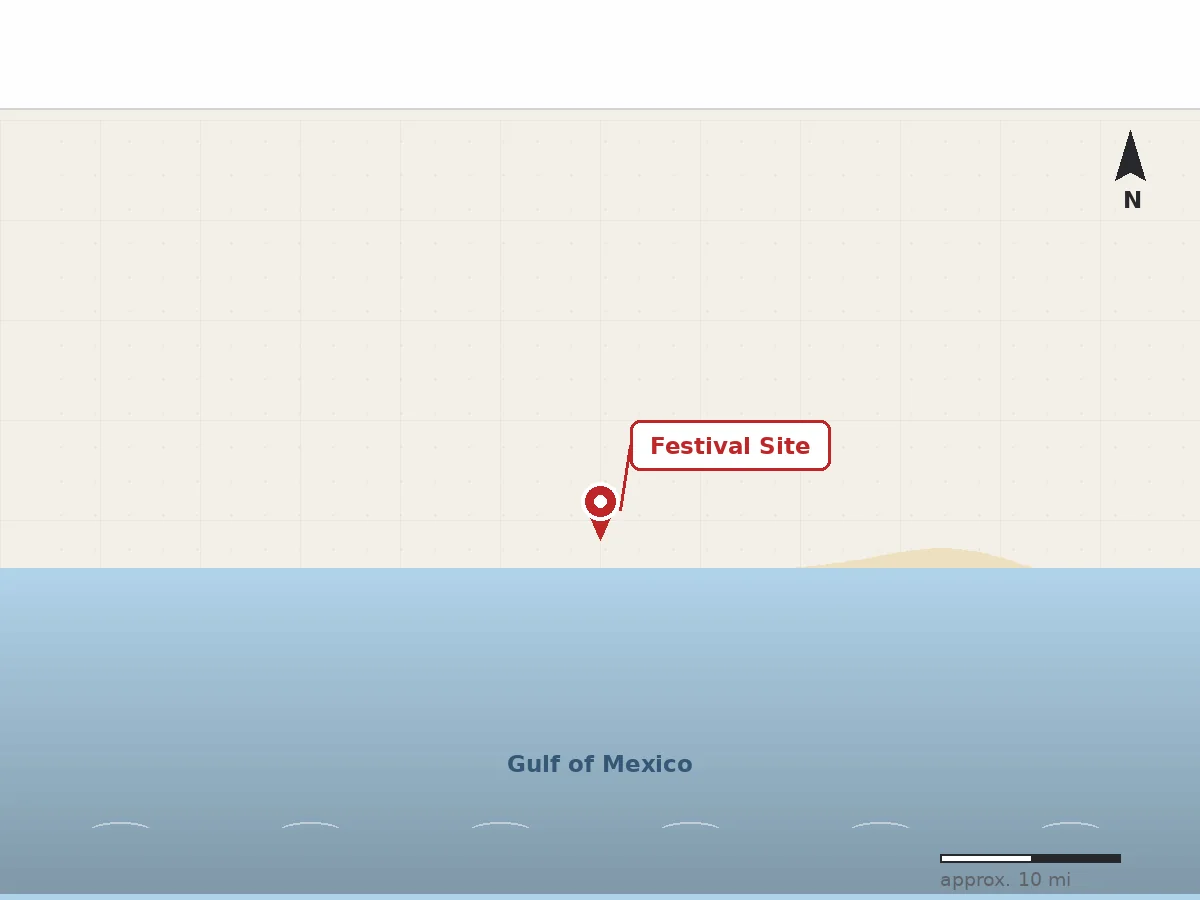
Where the Festival Happens
The World Chicken Festival takes place in downtown London, the county seat of Laurel County, Kentucky, along the I-75 corridor in the southeastern part of the state.
Practical Answers for First-Time Festival Visitors
When does the World Chicken Festival take place?
It is held each September, typically across a long weekend. Exact dates shift from year to year, so check the current schedule from local organizers before you book lodging or plan travel. Because it falls in early autumn, expect warm days and cooler evenings.
Is there an admission fee?
Admission is typically free, which is part of what makes it such an accessible community event. You’ll pay individually for food, drinks, rides, games, and merchandise. Bring cash for smaller vendors and set a rough per-person budget for food and midway tickets.
Is the festival good for kids and older visitors?
Yes, with caveats. The midway, parade, and food rows suit families well, and the event is flat and walkable. But downtown streets get crowded at peak hours, parking requires a walk, and there is limited shade in the core blocks. Come early, pace yourself, and plan a midday break.
How crowded does it get?
Saturday afternoon and evening are the busiest stretches, followed by Friday night. Mornings and Sunday are noticeably calmer. If you want shorter food lines, easier parking, and room to move, plan your visit for the first few hours of the day.
Looking Ahead: The Future of the World Chicken Festival
The festival’s long-term health depends on the same things that built it: volunteers, local business support, and a downtown that can absorb a few days of heavy foot traffic. Southeastern Kentucky’s tourism profile continues to grow, with outdoor recreation in the Daniel Boone National Forest and the I-75 travel corridor feeding more visitors into Laurel County each year.
That growth is an opportunity and a challenge. Bigger crowds mean more pressure on parking, lodging, and street logistics, and organizers will have to keep balancing expansion against the small-town feel that makes the weekend appealing in the first place. For now, the formula still works: free entry, a downtown stage, and a skillet full of chicken.
Last updated: October 2026
If you’re anywhere near southeastern Kentucky in September, the World Chicken Festival is worth arranging a weekend around. Come early, eat first, park once and walk everywhere, and leave time for the lake and the forest beyond town. It’s a festival that rewards a little preparation and a slow, unhurried day.