Laurel County Kentucky Laurel County Fair Festival
Laurel County covers 444 square miles of southeastern Kentucky, and its seat is London. At the 2020 census the county counted 62,613 residents. Those numbers explain the Laurel County Fair better than any brochure: this is a county-scale event, sized for neighbors rather than tourists. If you are visiting for the first time, you are walking into a tradition that belongs to the people in the bleachers.
That is also why a little orientation helps. The grounds can feel like someone else’s family reunion at first — warm, loud, and full of routines nobody handed you. What follows is a first-timer’s guide to the Laurel County Fair: what it is, how it grew out of this corner of Kentucky, what happens in each part of the grounds, and how to plan a day without circling the parking area for an hour.
Laurel County Fair: The Essentials for a First Visit
| Town / area | Laurel County area, anchored by London |
| County | Laurel County, Kentucky |
| County seat | London |
| Population | 62,613 (2020 census) |
| Region | Southeastern Kentucky |
| Typical timing | Summer, during the heart of county fair season |
| Admission | Typically free to enter the grounds; rides, food and grandstand events sold separately |
| Setting | Rural fairgrounds with barns, exhibit halls, a midway and a grandstand |
| Features | Livestock shows, judged exhibits, midway rides, food booths, live entertainment |
| Organizer | Local volunteer fair committee and community groups |
What Kind of Fair the Laurel County Fair Really Is
Strip away the lights and the smell of frying batter and the Laurel County Fair is an agricultural and community gathering. Livestock, crops, crafts, baked goods and school-age projects typically fill the exhibit buildings, while the midway and grandstand handle the entertainment side of the evening. It is the kind of fair where a ribbon on a jar of preserves still means something, and where the same families have been entering the same categories for generations.
Practically, that means you should plan on two experiences in one place. The barns and exhibit halls are daytime and early-evening territory, best for slow walking and conversation. The midway, the food row and the grandstand come alive later. First-timers who try to cover everything in one hour usually miss half of it.
The fair is held in the Laurel County area, with London as the natural anchor — the county seat, the biggest concentration of services, and the place most visitors pass through on the way in.
From a December 1825 Charter to Today’s Fairgrounds
Laurel County was established on December 21, 1825, carved out of the surrounding hill country of southeastern Kentucky, with London chosen as the seat of government. For most of the two centuries since, this has been farming and timber country, with the railroad and later Interstate 75 reshaping how people traveled and traded.
Fairs in this region grew out of that world. Harvest gatherings, agricultural society meetings and school and church picnics were the original occasions for a county to come together, compare crops, trade news and let children run loose for an afternoon. The modern Laurel County Fair is the inheritor of that habit rather than a break from it.
You can still see the lineage in how the week is built. Judging comes before spectacle. Youth projects share the grounds with commercial vendors. And the fair remains a volunteer-heavy production, which is why the atmosphere feels less like a ticketed attraction and more like a county doing something for itself.
Inside the Gates: Barns, Midway and Grandstand
Every fairground has its own geography. In Laurel County the layout generally splits into three zones — the barns and exhibit halls, the midway and food row, and the grandstand area. Here is what each part of the day usually delivers.
Fair Food, Church Booths and Local Cooking
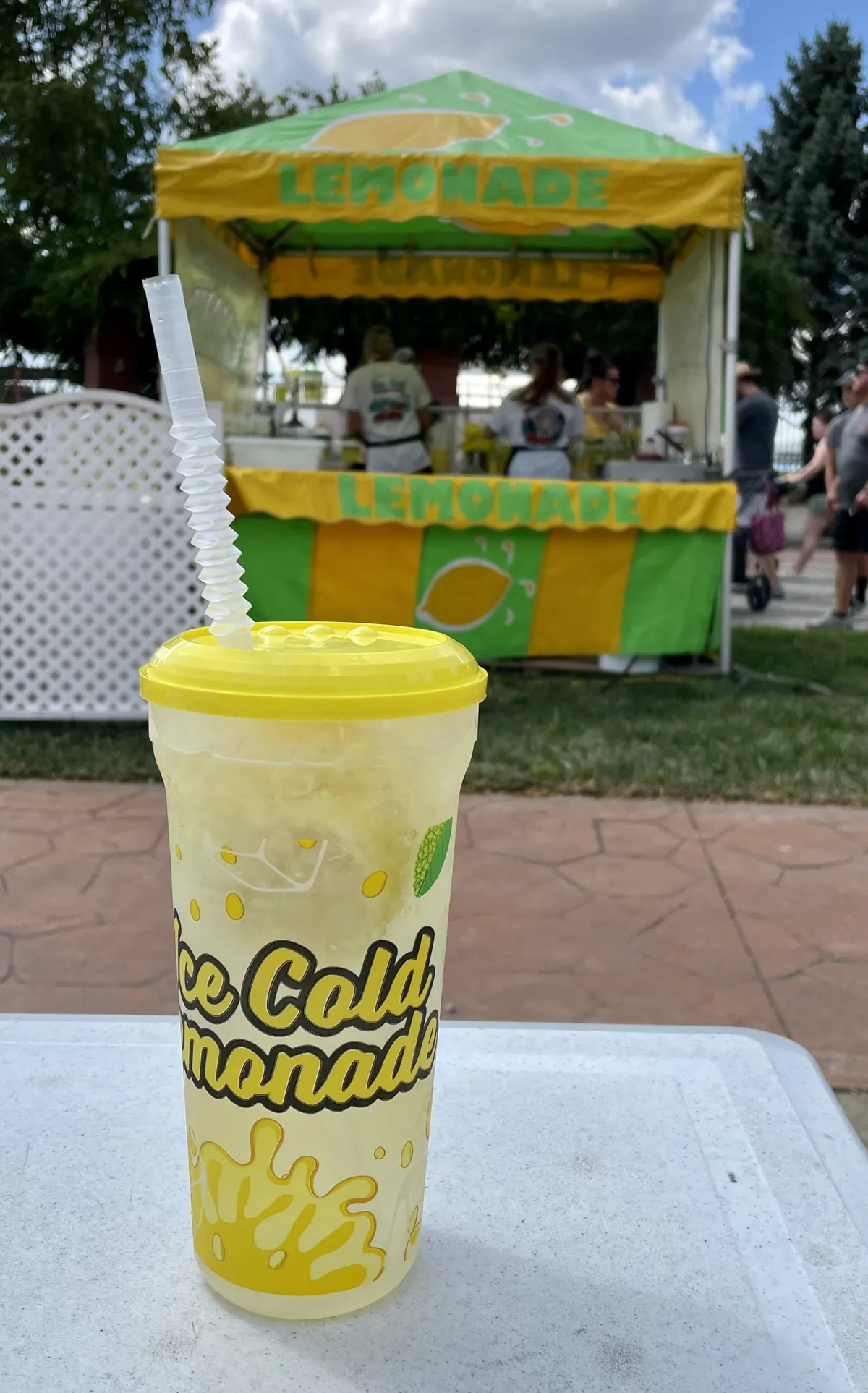
Food is where county fairs differ most from theme parks. Expect the familiar midway staples — funnel cakes, corn dogs, lemonade shake-ups, fries, barbecue — alongside booths run by local churches, civic clubs and school groups. Those volunteer stands are often where the best value and the best cooking are hiding. Bring cash in small bills; lines move faster when nobody is waiting on a card reader, and some booths may not take cards at all.
Grandstand Nights, Local Bands and Pageantry
Entertainment typically runs on two tracks. Around the grounds you will find live local and regional music, pageants and contests, plus the constant background hum of the midway. At the grandstand, evenings usually bring the bigger programming — the kind of event that produces the largest crowd of the week. Schedules shift from year to year, so pick up a printed program at the gate or check local listings before committing to a particular night.
Kid-Friendly Grounds: Barns, Rides and Exhibit Halls
Families tend to gravitate to the livestock barns, where children can get close to animals and often talk to the young exhibitors who raised them. Exhibit halls are quieter and full of things to look at — photography, quilts, vegetables, baked goods, school projects. Then there is the midway: rides, games and the age-old negotiation over how many tickets. Strollers work in most areas, though grass and gravel sections can be rough after rain.
Planning a Fair Day in Laurel County
Driving In: I-75, London and the Back Roads
London sits directly on Interstate 75 in southeastern Kentucky, roughly midway on the run between Lexington and Knoxville, with US-25 as the older parallel route through town. Most out-of-county visitors arrive that way. From London, the fairgrounds are a short drive out into the county, and local signage is usually enough once you are close. Download your directions before you leave town — rural coverage can be patchy.
Where to Stay Around London
Hotel rooms cluster near the London exits off I-75, which makes them the simplest base for a fair visit. Because the fair draws from across the region, rooms can tighten during fair week, so booking ahead is wise. Campers and RV travelers have options in the surrounding area as well. If you are coming from farther out, a London room plus a short evening drive is the least complicated arrangement.
Parking Without the Circling
Expect grass and gravel parking staffed by volunteers, with a traffic surge in the hour before grandstand events. Arriving early is the single best parking strategy, and carpooling helps. So does parking once and staying put rather than shuttling back to town. Wear shoes you do not mind getting dusty, and note which row you parked in — fairground lots look identical after dark.
Admission and What Things Actually Cost
Admission to the grounds is typically free, which is one reason the fair feels like a community event rather than a commercial one. Where you spend money is inside: ride tickets or wristbands, games, food, and grandstand programming that may be ticketed separately. Budget for the midway if you have children in tow; it is the fastest place to burn through a twenty.
Southeastern Kentucky Weather in Fair Season
Summers here are warm and humid, with afternoon heat that lingers into the evening and a real chance of a passing thunderstorm. That means three things: water, sunscreen and a light rain layer you will not mind carrying. Evenings usually cool enough to make a jacket welcome for kids. If a storm rolls through, the barns and exhibit halls become the natural shelter — and a good excuse to slow down.
A Sample Fair Saturday, Start to Finish
Late morning: arrive as the gates open and head straight for the exhibit halls while they are quiet. Midday: walk the livestock barns, talk to exhibitors and eat lunch at a church or civic booth rather than on the midway. Early afternoon: let the kids loose on the rides while lines are short, then retreat to shade for a cold drink. Late afternoon: catch a judging session, contest or demonstration — the part of the fair that does not photograph as well but stays with you longer. Evening: food row for dinner, then the grandstand for the night’s main programming. After dark: one last walk past the lights before the drive home.
How Laurel County Compares with Nearby Stops
Laurel County sits in a cluster of southeastern Kentucky communities that each do their own version of summer. Corbin, just south and east across the Whitley and Knox county line, is a bigger retail and dining stop and works well for a meal before or after the fair. Somerset, up in Pulaski County, offers a different downtown rhythm and its own calendar of events. Berea, to the north in Madison County, leans into an arts-and-crafts identity that contrasts neatly with Laurel County’s agricultural focus. Closer to home, London itself has grown into a service hub for the region. Build a weekend with the fair as the anchor and one of these towns as a secondary stop.
A First-Timer’s Checklist Before You Leave for the Grounds
Confirm the week’s schedule locally, since programming shifts annually. Charge your phone and download directions. Bring cash in small bills, with a card as backup. Pack sunscreen, water bottles and a light rain jacket. Wear closed-toe shoes that can handle grass, gravel and dust. Bring a tote for exhibit purchases or a bag of kettle corn. If you have young children, agree on a meeting point near the gate before you split up, and check the grandstand schedule early in the day so you know which night you are committing to.
Beyond the Midway: London and the Rest of Laurel County
Laurel County rewards a slow half-day. Levi Jackson Wilderness Road State Park sits just outside London and pairs well with a fair afternoon, with picnic space, trails and a look at the region’s pioneer past. The Daniel Boone National Forest spreads across the surrounding hills, and Laurel River Lake offers shoreline for anyone extending the trip. Cumberland Falls, a short drive south, is one of the region’s signature natural sights. In London itself, a familiar mix of local and chain restaurants makes for an easy resupply stop. With time for only one detour, pick the park — it is the closest thing to the landscape the fair grew out of.
What the Fair Means to a County of 62,613
For a county with 62,613 residents spread across 444 square miles, the fair does something no single town can do alone: it puts the whole county in one place for a few days. Farm families, in-town families, students, retirees and vendors all end up on the same gravel. That matters where the next town can be a long drive away. The fair is also one of the few remaining stages where a young exhibitor can earn recognition in front of the entire community. Whatever the midway earns, that is the part that keeps the tradition alive.
Where the Laurel County Fair Sits on the Map
The Laurel County Fair takes place in the Laurel County area surrounding London, the county seat, in southeastern Kentucky.
Practical Answers for Laurel County Fair Newcomers
Is admission to the Laurel County Fair free?
Admission to the fairgrounds is typically free, which keeps the event accessible for local families. Your money goes toward ride tickets, games, food and any separately ticketed grandstand programming. Plan a budget for the midway if children are coming along, and carry some cash even if you also have a card.
When does the fair usually take place?
It is a summer event, held during the heart of county fair season in southeastern Kentucky. Exact weeks vary from year to year, so confirm the current schedule through local listings before you plan travel around it.
Is the fair a good fit for young children?
Yes. The livestock barns, exhibit halls and kiddie rides are the usual favorites, and the grounds are walkable with a stroller in most areas. Set a meeting point near the gate before you split up, and bring ear protection for very young children if you plan to spend time near the midway at night.
What should I bring on my first visit?
Cash in small bills, sunscreen, refillable water, closed-toe shoes and a light rain jacket cover most situations. Add a tote bag for purchases and a layer for the cooler evening hours. Everything else — food, entertainment and exhibits — is already waiting on the grounds.
Looking Ahead to Coming Fair Seasons in Laurel County
County fairs are not static. The Laurel County Fair will keep balancing its agricultural core against the economics of midway rides, insurance and volunteer hours — the same pressures every fair in southeastern Kentucky faces. The likely direction is more of what already works: youth exhibits and livestock judging as the backbone, live local entertainment and grandstand nights as the draw, and food booths that double as fundraisers for churches and civic groups. For first-timers, that is good news. The fair you visit next summer will look recognizably like the fair described here, which is precisely the point of a county tradition.
Last updated: October 2026
Go with no expectations beyond a warm evening and a plate of something fried, and the Laurel County Fair will exceed them. Stand in the barn aisle for ten minutes, watch a judge work through a class of entries, and you will understand why this county of 62,613 keeps showing up year after year.