LaSalle County Illinois LaSalle County Fair Festival
LaSalle County spreads across 1,148 square miles of north-central Illinois, from the river bluffs near Starved Rock out to the flat grain country that runs toward the neighboring counties. Ottawa, the county seat, has anchored that landscape since the county was founded on January 15, 1831. The LaSalle County Fair belongs to that same long timeline — a warm-season gathering that pulls farm families, small-town neighbors, and day-tripping visitors into one shared space.
This is a county fair in the classic Illinois Valley sense: livestock barns, exhibit halls, carnival lights, and a schedule built around a weekend rather than a single afternoon. What follows is a history-led look at the fair, along with everything a first-time visitor needs in order to plan a trip.
LaSalle County Fair Essentials: Town, County, and Timing
| Town / area | The LaSalle County area of north-central Illinois |
| County | LaSalle County, Illinois |
| County seat | Ottawa |
| County founded | January 15, 1831 |
| Land area | 1,148 square miles |
| Population | A county-wide community, counted in the 2020 U.S. Census |
| Typical timing | Warm-weather season, most often across a summer weekend |
| Admission | Typically free to enter, with some activities ticketed |
| Setting and features | Traditional fairgrounds with livestock barns, exhibit halls, carnival rides, and grandstand entertainment |
| Organizer | Volunteer fair board and community groups from across the county |
About the LaSalle County Fair and Its County-Wide Pull
A county fair in a place as large as LaSalle County has to work harder than most. With 1,148 square miles to draw from, the fair is one of the few events that genuinely belongs to everyone — Ottawa and the river towns, the farming townships to the south and east, and the smaller communities that dot the prairie in between. For a few days each year, the fairgrounds become a neutral meeting ground.
The format is familiar because it works. Livestock shows anchor the daytime hours, exhibit halls display everything from garden produce to school art, and the midway takes over once the sun drops. Vendors sell the kind of food that only tastes right at a fair, and the grandstand fills in the evening. Because the fair is a volunteer-driven civic effort rather than a commercial production, the tone stays local — you are as likely to run into a neighbor’s cousin as you are a stranger.
Admission is typically free, which matters in a county where families often arrive in groups of six or more. Individual activities, rides, and evening entertainment may carry their own charges, so most visitors plan on spending a little rather than a lot. That low barrier to entry is a big part of why the fair has remained a fixture rather than a novelty.
For another look at how a community turns its own traditions into a gathering, see the LaSalle County Illinois Burgoo Festival for a useful comparison.
From 1831 County Lines to a Modern Fair Tradition
LaSalle County was organized on January 15, 1831, with Ottawa named as the seat of government. That date matters to the fair’s story because it marks the moment the county became a defined community with shared institutions — courts, roads, schools, and eventually the agricultural gatherings that would evolve into the modern fair.
The county’s early growth ran along water. The Illinois River carried freight and people through the valley, and the canal and railroad eras that followed turned Ottawa and the neighboring river towns into busy shipping points. Agriculture scaled up alongside that infrastructure, and with larger farms came the need for a place where growers and breeders could compare notes, show their best stock, and settle the year’s bragging rights.
That is the practical root of any county fair: a harvest-season marketplace that gradually added entertainment. Over the decades, the LaSalle County Fair followed the same arc as fairs across the Midwest — from a mainly agricultural exhibition to a broader community festival with a midway, a grandstand, and a schedule designed for families. The livestock barns never disappeared, though. They remain the spine of the event, and the reason many local families still plan their summer around it.
What has stayed constant across all those decades is the geography of it. A county this size produces a fair that functions as a reunion as much as an exhibition, drawing people from Ottawa, the river towns, and the rural townships into one place at one time.
Inside a Fair Day in the LaSalle County Area
Fair Food and the County-Fair Menu
Food is the great equalizer at any county fair, and LaSalle County’s version leans on the classics: grilled sausage and pork chops from local vendors, funnel cakes, lemonade shake-ups, corn dogs, fresh-cut fries, and ice cream. Church groups and civic organizations often run stands of their own, which is where you find the best homemade pies and the strongest coffee. Arrive hungry, carry cash for the small stands, and treat the midway as a grazing route rather than a single meal.
Music, Grandstand Entertainment, and Evening Crowds
Evenings change the personality of the fairgrounds. The grandstand typically hosts live music, truck and tractor pulls, or demolition-style events that draw a loud, happy crowd. Local and regional bands fill the gaps between bigger acts, and the midway lights come on around the same time. If you want the full sensory version of the fair, plan to be on the grounds after dark at least once — the noise, the lights, and the smell of fried food are the parts people remember.
Family Activities and Things for Kids to Do
Families with young children usually build their day around the animal barns, where kids can get close to cattle, goats, rabbits, and poultry, often with the exhibitors themselves answering questions. Exhibit halls add hands-on projects, school artwork, and baking categories that grandparents take very seriously. Carnival rides, games, and a petting-zoo-style area round out the options. Strollers handle the grounds reasonably well, but a wagon is easier on gravel and grass.
Planning Your Trip to the LaSalle County Fair
Getting There from Ottawa and the Surrounding Towns
Ottawa, the county seat, is the natural reference point for anyone navigating to the fair, and most visitors arrive by car from the surrounding towns and rural routes. Interstate 80 and the Illinois River corridor make the county easy to reach from the east, west, and south. If you are coming from a distance, treat Ottawa as your base and work outward from there. Give yourself extra time on the busiest evenings, when rural two-lane roads slow to a crawl near the gates.
Where to Stay in the Illinois Valley
Lodging clusters around Ottawa and the neighboring river towns, with a mix of chain hotels, independent motels, and bed-and-breakfast style properties in the older downtowns. Campers and RV owners often prefer the state park and private campgrounds in the valley, which fill quickly during fair week and other summer weekends. Book well ahead if your visit coincides with a holiday weekend or a major event elsewhere in the county.
Parking at the Fairgrounds
Fairground parking is usually on-site or in adjacent fields, with volunteers directing traffic and collecting a modest fee at some gates. Arrive before the evening rush if you want a short walk, and note where you parked — rows of cars in a grass field all look alike after dark. Carpooling is the simplest way to cut both cost and congestion.
Admission, Costs, and What to Bring in Cash
Entry to the fair is typically free, which keeps the event accessible to large families. Rides, games, grandstand shows, and some exhibits carry separate charges, so set a rough budget per person before you go. Bring cash: smaller vendors, church stands, and 4-H clubs may not take cards, and ATMs on the grounds can run dry on busy nights.
Weather and What to Wear
Summer in the Illinois Valley means heat, humidity, and the occasional fast-moving thunderstorm. Dress in light layers, wear closed-toe shoes for the barns and gravel, and bring sunscreen and a refillable water bottle. Keep a light rain jacket in the car and have a backup plan for an hour or two indoors if a storm rolls through — the weather usually clears as quickly as it arrives.
A Sample Fair Weekend in LaSalle County
Friday evening: Arrive in the late afternoon, park before the crowd builds, and walk the livestock barns while they are still quiet. Grab dinner from a vendor row, then settle in near the grandstand for the evening’s main event. Finish with a slow loop through the midway.
Saturday morning and afternoon: Come back early for the livestock shows and the exhibit halls, which are at their best before the heat peaks. Let kids spend time with the animals, then take a shaded lunch break. The afternoon is ideal for carnival rides and games while the grounds are busy but not yet packed.
Saturday evening: Stay for the biggest crowd of the weekend — live music, grandstand action, and the midway at full volume. Eat dinner on the grounds rather than leaving and returning.
Sunday: Return for a slower morning, revisit favorite stands, and catch any exhibit or show you missed. Sunday afternoons tend to be family-heavy and relaxed, which makes them a good time for grandparents and small children. Head out before the closing rush.
How the LaSalle County Fair Compares with Nearby Towns
Ottawa gives the fair its county-seat gravity, with a historic downtown and riverfront that make an easy add-on to a fair visit. Peru and LaSalle, just up the valley, share the same river economy and offer their own small-town celebrations and commercial strips. Mendota and Streator sit at opposite corners of the county and each carry a distinct identity — Mendota tied to the rail and agricultural trade, Streator to its industrial past.
Compared with the fairs in neighboring counties, LaSalle County’s version feels larger and more dispersed simply because the county itself is so big; visitors arrive from farther out and stay longer. Compared with a single-town street festival, it is broader in scope — part agricultural exhibition, part carnival, part reunion. If you are choosing how to spend a summer weekend in the valley, the county fair pairs well with a morning at Starved Rock and an afternoon in Ottawa.
LaSalle County Fair Checklist Before You Leave Home
Confirm the season’s schedule before you drive out, since fair weekends shift from year to year. Pack sunscreen, hats, refillable water bottles, and closed-toe shoes. Bring cash in small bills for vendors and parking. Charge phones and consider a portable battery, especially if you plan to split up from your group. Check the forecast the morning of your visit and keep a rain layer in the car. If you have young children, write your phone number on a wristband. Finally, leave room in the car for exhibit purchases, produce, or a prize-winning pie you could not resist.
Beyond the Fairgrounds: Starved Rock and the Illinois Valley
The fair is a good reason to spend a full weekend in LaSalle County rather than a single day. Starved Rock State Park, on the Illinois River, is the region’s signature outdoor destination, with sandstone canyons, bluff-top overlooks, and miles of trails. Matthiessen State Park adds a second option nearby, and the Illinois River corridor offers boating, fishing, and birdwatching through the warmer months.
In Ottawa, the historic downtown rewards a slow walk, with brick storefronts, local restaurants, and riverfront access. The smaller towns around the county each have their own main streets worth a detour, and the surrounding farmland makes for genuinely pleasant driving. Pair a fair afternoon with a morning hike or an evening dinner in town, and the trip starts to feel like a proper getaway.
The Fair’s Place in LaSalle County Life
For a county founded in 1831 and spread across 1,148 square miles, shared traditions are not a luxury — they are what hold the place together. The LaSalle County Fair does that work quietly. It gives 4-H members and farm families a stage, gives local businesses and civic groups a gathering to rally around, and gives everyone else a reason to run into people they have not seen since last summer.
It also carries economic weight. Vendors, ride operators, food stands, hotels, and gas stations all benefit from a few days of concentrated traffic, and the money tends to stay local. More importantly, the fair keeps a rural tradition visible in a county where most residents no longer farm. That continuity — the barns, the exhibits, the grandstand — is the point.
Where the Fair Sits in the LaSalle County Landscape
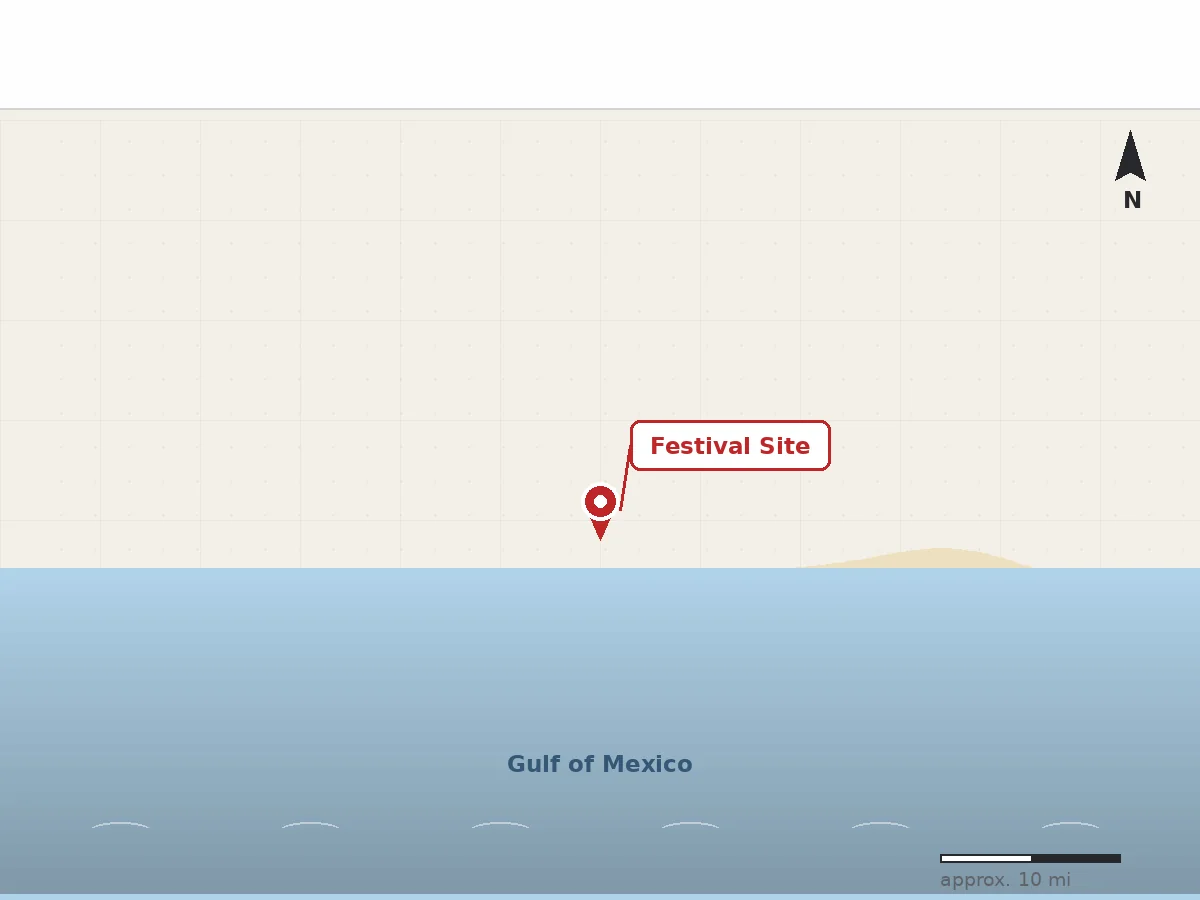
The LaSalle County Fair takes place within the LaSalle County area of north-central Illinois, a short drive from Ottawa, the county seat, and the Illinois River corridor.
LaSalle County Fair Answers for First-Time Visitors
When does the LaSalle County Fair usually take place?
It is a warm-weather event, most often held across a summer weekend in the Illinois Valley. Because the fair runs on a seasonal schedule rather than a fixed calendar date, check the current year’s listing before you plan travel, lodging, or time off work.
Is admission free, and what costs extra?
Entry is typically free, which is one of the reasons the fair draws such large local crowds. Carnival rides, games, grandstand shows, and certain exhibits usually carry separate charges, and parking may involve a small fee. Budget per person rather than per car, and bring cash for the smaller stands.
How much time should I allow for a visit?
Three to four hours covers the barns, exhibit halls, and a meal at an easy pace. Families with children often stretch that to a full afternoon once rides are involved, and anyone staying for an evening grandstand event should plan on the better part of a day. A full weekend lets you add Starved Rock or downtown Ottawa without rushing.
Is the fair a good outing for young children and older visitors?
Yes. The animal barns, exhibit halls, and food rows suit all ages, and the grounds are walkable at a relaxed pace. Plan around the hottest part of the afternoon, use shaded areas for breaks, and consider a wagon instead of a stroller for the grass and gravel. Sunday afternoons tend to be the calmest stretch of the weekend.
Looking Ahead to Future LaSalle County Fairs
County fairs survive by adapting, and LaSalle County’s version is no exception. Expect continued emphasis on youth agricultural programs, which remain the strongest pipeline of new exhibitors and volunteers, alongside broader entertainment aimed at drawing families who may not have a direct connection to farming. Improvements to grounds, parking, and accessibility tend to arrive gradually, funded by gate receipts, sponsorships, and volunteer labor rather than large budgets.
The bigger question for any county fair is relevance, and here the answer looks steady. As long as LaSalle County’s towns and townships share a summer weekend, the fair will have a reason to exist — as a showcase, a marketplace, and a reunion for a county that covers a great deal of ground.
Last updated: October 2026
Plan a visit around the season rather than a specific date, arrive with cash and comfortable shoes, and give yourself enough time to see the barns before the midway takes over. The LaSalle County Fair is at its best when you let the day run long — a slow afternoon in the exhibit halls, dinner from a vendor stand, and an evening under the grandstand lights in the heart of the Illinois Valley.
One Comment