Johnson County Kansas Johnson County Fair Festival

Olathe, the county seat of Johnson County, Kansas, anchors a county established on August 25, 1855, and named for Thomas Johnson. Long before the subdivisions and office parks arrived, this was prairie and farmland, and the county’s annual fair grew out of that agricultural world. Today the fair still sets up in the Johnson County area each summer, and Olathe remains the reference point for anyone trying to understand where the tradition came from.
The numbers tell part of the story. Johnson County covers 480 square miles and counted 609,863 residents in the 2020 census, making it one of the most populous counties in Kansas. A fair that once served farm families now serves a county of suburbs, small towns, and still-working farmland, and it has to speak to all of them at once. That balancing act gives the Johnson County Fair its particular character.
Johnson County Fair Facts: Olathe, the County Seat, and the Numbers Behind the County
| Town / place | Johnson County area, Kansas |
| County | Johnson County, Kansas |
| County seat | Olathe |
| Population | 609,863 (2020 census) |
| Region | Northeast Kansas, Kansas City metropolitan area |
| Typical timing | Summer, in most years late July or early August |
| Admission | General admission typically free; rides, food, and some grandstand events priced separately |
| Setting | Fairgrounds with livestock barns, exhibit halls, a midway, and a grandstand |
| Features | Livestock shows, 4-H exhibits, carnival, grandstand entertainment, fair food |
| Organizer | Local fair board and community volunteers |
The Fair at the Heart of Johnson County, Kansas
At its core, the Johnson County Fair is an old-fashioned county fair in a modern county. Expect livestock barns, exhibit halls full of 4-H projects, a carnival midway, grandstand entertainment, and food stands that exist for one week a year. The schedule usually runs from morning through late evening, with judging early in the day and concerts or motorsports after dark.
Because the fair is organized by a local fair board and a large crew of volunteers, it keeps a community feel that is hard to manufacture. Exhibitors are neighbors, judges are often local experts, and the people selling funnel cakes may also be the ones who sponsored a barn. Whether you come for the animals, the rides, or a summer evening on the grounds, the fair rewards a slow lap rather than a rushed one.
A Tradition Rooted in an 1855 County: How the Fair Grew
Johnson County’s formal history begins on August 25, 1855, when the county was established and named for Thomas Johnson. Olathe became the county seat, and the surrounding 480 square miles were organized into farms, townships, and small communities over the following decades. County fairs across Kansas grew out of that era, when agricultural societies used annual gatherings to compare crops, trade livestock, and share techniques.
For another look at how a community turns its own traditions into a gathering, see the Johnson County Iowa Johnson County Fair Festival for a useful comparison.
The Johnson County Fair belongs to that lineage. Its details have shifted with the county: as Olathe and neighboring cities grew, the fair’s audience changed from an almost entirely rural one to a mix of farm families, suburban households, and newcomers who had never set foot in a barn. The fair adapted by adding entertainment and carnival attractions while keeping livestock shows and exhibit halls at the center of the program.
The 2020 census recorded 609,863 residents in the county, a figure that would have stunned the fair’s earliest organizers. Growth has not erased the fair; it has made it more unusual. In a county this size, an annual event where a child can show a goat and a grandparent can compare tomato entries is a genuine link to the past.
What to Expect Across the Johnson County Fairgrounds
A fair day has a rhythm. Mornings belong to judging and barn chores, afternoons bring families and carnival crowds, and evenings fill the grandstand. Here is where most visitors spend their time.
Fair Food and the Kansas Farm Stand
Food is one of the main reasons people come. Expect the classic midway menu — corn dogs, funnel cakes, cotton candy, lemonade — alongside booths run by local churches, clubs, and vendors. Kansas fair food leans hearty: barbecue, smoked meats, hand-cut fries, and pie. Portions are large and prices are fairground-typical, and cash still moves faster than cards at some stands, so carry a little of both.
Grandstand Music, Livestock Shows, and Evening Entertainment
The grandstand typically anchors the evening with concerts, demolition derbies, tractor pulls, or rodeo-style events, depending on the year. Earlier in the day the action is in the show ring: beef and dairy cattle, swine, sheep, goats, poultry, and rabbits, judged in classes that run from young exhibitors to open competition. Livestock shows are free to watch and are often the most genuinely local thing happening on the grounds.
Family Activities for Every Age
Carnival rides and games occupy the midway, with smaller kiddie rides near the front and bigger thrill rides further in. Beyond the rides, look for petting areas, tractor displays, craft and baking exhibits, and hands-on activities for children. Many families plan around one specific event — a show time, a ride wristband window, a concert — and let the rest of the day unfold. Strollers handle the grounds reasonably well, though evenings get crowded.
Getting to the Johnson County Fair and Planning Your Stay
The fair is easy to reach and easy to overplan. A few practical notes will save you time, money, and a long walk back to the car.
Getting There from Olathe and the Kansas City Metro
The fair sits in the Johnson County area, with Olathe as the county seat and the most convenient reference point for directions. Most visitors arrive by car, and the county’s road network makes the trip straightforward from anywhere in the Kansas City metro. If you are coming from outside the region, plan on driving; transit coverage in the outer parts of the county is limited.
Where to Stay in the Johnson County Area
Overnight options cluster along the interstate corridors in Olathe, Overland Park, and Lenexa, where the widest range of hotels can be found. Booking early matters most on fair weekends, when visiting exhibitors, families of participants, and event crews fill rooms. If you prefer something quieter, look at smaller towns on the county’s edges and accept a longer drive to the grounds.
Parking at the Fairgrounds
Expect to park in fairground lots or nearby overflow fields, with volunteers directing traffic during peak hours. Arrive before the evening rush if you want a short walk, and note your row or a landmark — large lots look identical after dark. Carpooling helps, and if you are staying at a nearby hotel, ask whether a shuttle or a short drive is the better option.
Admission, Ride Costs, and What Adds Up
General admission to the fair has typically been free in most years, with carnival rides, food, and certain grandstand events priced separately. That model means a family can walk the grounds, watch livestock shows, and see exhibits at little cost, then decide where to spend. Ride wristbands and multi-day passes, when offered, usually deliver the best value for children who want to ride all evening.
Weather in a Kansas County Fair Season
Fair season in Kansas means heat, humidity, and the occasional thunderstorm. Daytime temperatures often climb into the nineties, so mornings and evenings are the most comfortable windows. Bring water, sunscreen, and a hat, and keep an eye on the sky — summer storms move quickly, and outdoor events may pause until they pass. Light rain rarely shuts a fair down, but it does turn walkways muddy.
A Sample Fair Weekend in Johnson County
Friday afternoon: arrive before the evening crowd, walk the exhibit halls and livestock barns while they are quiet, then eat an early dinner from the food stands. Friday evening: catch the grandstand event, ride the midway after dark, and leave before the final rush.
Saturday morning: return early for livestock judging and small-animal shows, often the most rewarding events for children. Midday: eat lunch on the grounds, tour the craft and commercial exhibits, and let younger kids work through the kiddie rides. Saturday evening: come back for the headline grandstand event, then walk the midway one last time.
Sunday: if the fair runs through the weekend’s end, use the final day for anything you missed — a baking exhibit, a tractor display, a second look at the animals — and leave by mid-afternoon to avoid closing-night traffic.
How the Johnson County Fair Compares with Nearby Kansas Fairs
Johnson County sits in a part of Kansas where county fairs are a summer routine. West of here, Douglas County and its seat in Lawrence host a fair with a similar mix of livestock, carnival, and grandstand shows. South of Johnson County, Paola and Miami County keep a smaller, more rural fair feel, where the agricultural side dominates the schedule. Closer to Kansas City, Wyandotte County offers its own version of the tradition.
The difference at the Johnson County Fair is scale and setting. With 609,863 residents counted in 2020, this is a fair serving a suburban county as much as a farming one, which shows up in the entertainment lineup and the size of the crowds. If you want a quieter, more traditional fair, a smaller neighboring county may suit you better; if you want variety and a bigger midway, Johnson County is the one to pick.
Johnson County Fair Checklist Before You Leave Home
Confirm the year’s dates and hours through the fair’s official channels, since the schedule shifts from year to year. Charge your phone and bring a portable battery. Pack sunscreen, hats, refillable water bottles, and a light rain layer, and wear closed-toe shoes you do not mind getting dusty.
Bring cash for small vendors and tips, even if most stands take cards. If you have children, agree on a meeting point in case you get separated, and write a phone number on a wristband for younger kids. Check whether ride wristbands are sold in advance at a discount, review the grandstand schedule before committing to an evening, and leave room in the car for exhibit purchases.
Beyond the Fairgrounds: Olathe and the Rest of Johnson County
Olathe, the county seat, rewards an extra half-day. The historic downtown has restored storefronts, local restaurants, and a walkable main street that makes a good counterpoint to the fairgrounds. Beyond Olathe, the county’s 480 square miles hold a long list of parks, trails, and lakes, plus the shopping and dining districts of Overland Park, Lenexa, and Leawood. Families often pair a fair visit with a morning at a county park or an afternoon at a pool.
Because Johnson County stretches from dense suburbs to working farmland, a short drive in almost any direction changes the scenery. If you are visiting from out of town, build in time to see that contrast — it explains why the fair’s audience looks the way it does.
A Shared Calendar in a Fast-Growing County
In a county of 609,863 people, a fair cannot be the only thing holding a community together, but it can be one of the few places where everyone shows up on the same footing. Livestock exhibitors, bakers, crafters, volunteers, vendors, and visitors share the same grounds for a few days, and the result is a version of Johnson County more varied than its reputation suggests.
The fair also does something practical. Youth agricultural programs depend on it as a showcase, and the premiums, auctions, and recognition that come with it keep young exhibitors involved year after year. For adults it is a reunion; for children it is a first taste of responsibility. Either way, it remains a shared calendar entry in a county that no longer shares much else.
Where the Johnson County Fair Sits in the County
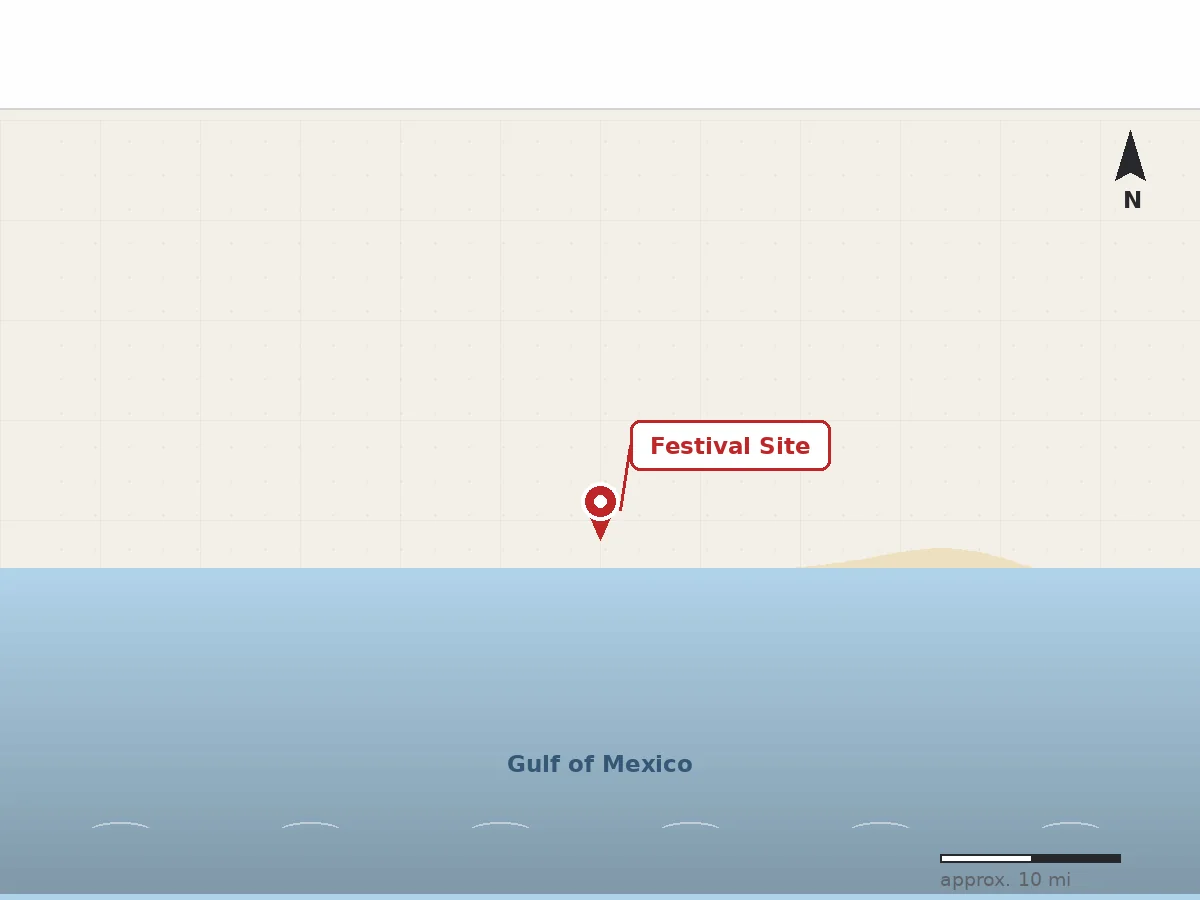
The Johnson County Fair takes place in the Johnson County area of Kansas, with Olathe — the county seat — serving as the practical reference point for the grounds.
Practical Answers for Johnson County Fair Visitors
When does the Johnson County Fair usually take place?
In most years the fair is held during the summer, often in late July or early August, and it typically runs across several consecutive days including a weekend. Because the schedule shifts from year to year, confirm the current dates through the fair’s official listings before you plan travel.
Is there an admission charge to get in?
General admission has typically been free in most years. Carnival rides, food, and certain grandstand events are priced separately, so a family can walk the grounds and watch livestock shows at little cost while budgeting for rides and meals.
Is the fair a good fit for young children?
Yes. Kiddie rides, petting areas, and animal exhibits are usually concentrated in areas that are easy to navigate with a stroller. Mornings are calmer and cooler, while evenings bring bigger crowds and louder grandstand events, so families with toddlers often prefer an early start.
Where exactly is the fair held?
The fair takes place in the Johnson County area, with Olathe as the county seat and the easiest landmark for directions. Most attendees drive in, and parking is generally available in fairground lots or nearby overflow areas during peak hours.
Looking Ahead to Future Johnson County Fairs
The fair’s future will be shaped by the same force that has shaped everything else in Johnson County: growth. As the county’s population has climbed past 609,863 residents, the fair has had to serve a wider audience without losing the agricultural core that gives it meaning. That means more entertainment, more traffic management, and more pressure on volunteers who make the event work.
It also means opportunity. A county this large can support a fair that functions as both a showcase for youth agriculture and a genuine summer gathering for people who have never been near a farm. As long as the barns stay full and the exhibit halls stay busy, the Johnson County Fair will keep doing what it has done since the county’s earliest days.
Last updated: October 2026
For anyone in or near Johnson County, the fair remains one of the simplest summer plans available: show up, walk the grounds, eat something fried, and watch a child lead an animal around a ring. In a county that has changed almost beyond recognition since 1855, that is a tradition worth keeping on the calendar.