Jefferson County Alabama Greek Food Festival
For three days each autumn, the grounds around a Greek Orthodox cathedral on Birmingham’s south side fill with the scent of roasting chicken, grilled souvlakia and honeyed pastry, while volunteers carry plate after plate out to crowds seated under tents. The event behind those scenes is the Greek food festival staged by the parish of Holy Trinity–Holy Cross Greek Orthodox Cathedral in Birmingham, the city that serves as the Jefferson County seat. Its 2026 edition, billed as the 53rd Annual, ran from Thursday, October 1 to Saturday, October 3, 2026, with free admission across all three days.
A note on names is worthwhile first, because this festival travels under several. The heading on this page follows the queue’s wording, Jefferson County Alabama Greek Food Festival. In print, the event itself is billed as the Birmingham Greek Food Festival, and it also appears under the shorter Greek Food Festival and as the Birmingham Greek Festival. All of those forms describe the same cathedral celebration, treated here as one event rather than as separate festivals.
About the Festival
The festival is organised by the parish of Holy Trinity–Holy Cross Greek Orthodox Cathedral, whose address is 307 19th Street South, Birmingham, Alabama. The celebration unfolds on the cathedral grounds as an open-air festival, with tented outdoor seating for diners and no charge to walk in. Parishioners prepare the food themselves, cooking homemade Greek entrees and pastries in the quantities a three-day crowd demands.
The parish behind the event was chartered in 1906, placing its roots in the earliest years of Birmingham’s Greek community. Exactly where it ranks for age is a point on which published descriptions disagree, and the disagreement is worth recording rather than resolving. One magazine describes it as the 4th oldest Greek Orthodox parish in the Southeast; a local paper calls it Alabama’s third oldest Greek Orthodox parish. Both rankings circulate in print, neither is reconciled here, and both agree the cathedral community predates the festival by six decades.
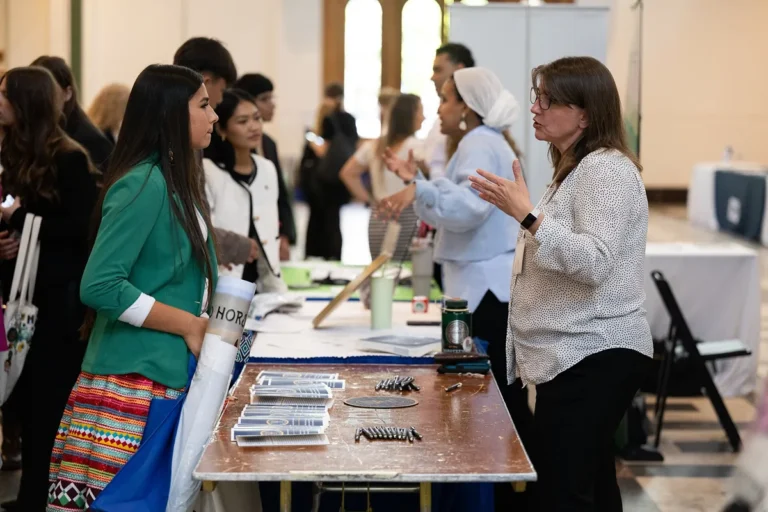
Alongside the food, the programme includes a Greek Market, Greek dancers of all ages performing throughout the three days, live traditional Greek music, tours of the cathedral, and a drive-through service for takeaway food. Giving sits at the centre of the event’s purpose, and its 2026 beneficiaries were Food For Our Journey, Life on Wheels Birmingham, and The Foundry Ministries.
For a useful comparison, see the Jackson County Alabama Jubilee Festival for another county festival.
Quick Facts
| Fact | Detail |
| Host city | Birmingham, Alabama |
| County role | Birmingham is the Jefferson County seat |
| Organiser | The parish of Holy Trinity–Holy Cross Greek Orthodox Cathedral |
| Venue | The cathedral grounds, 307 19th Street South, Birmingham, Alabama |
| First festival | Inaugurated in 1972 by the Cathedral’s Ladies’ Philoptochos Society |
| 2026 edition | Thursday, October 1 to Saturday, October 3, 2026, billed as the 53rd Annual |
| 2026 hours | 10:30 a.m. to 9:30 p.m. each day |
| Admission | Free, at an open-air festival with tented outdoor seating |
| Programme | Parishioner-prepared Greek food, a Greek Market, dancers, live music, cathedral tours and drive-through service |
| 2026 charity beneficiaries | Food For Our Journey, Life on Wheels Birmingham and The Foundry Ministries |
History
The festival tradition began in 1972, when the Cathedral’s Ladies’ Philoptochos Society inaugurated it. That start date is stated directly by the sources, so it stands here as a reported fact rather than a figure reconstructed by counting backwards from an edition number. The women who launched it belonged to a parish already sixty-six years past its 1906 chartering, which helps explain how a church kitchen effort grew into a fixture capable of feeding a city.
The charitable thread runs through the festival’s whole documented life. A magazine profile of the event states that since 1972, the Birmingham Greek Food Festival has donated more than three million dollars to local and national charities. That figure is a claim made by that magazine, recorded here at exactly that strength: a published total attributed to its source, not an independently audited sum. The pattern behind it is not in dispute, since documented editions name the organisations set to benefit.
The recent editions show a festival holding its shape. The 52nd Annual festival ran from October 2 to October 4, 2025, and the 53rd Annual followed from October 1 to October 3, 2026, both at the cathedral and both built around parishioner cooking, dancing, music and tours. Reporting on the 2025 edition added a sense of scale: the local paper reported that over 35,000 people had been served across drive-through and dine-in over the festival’s history, a figure the paper attributed to the festival’s public-relations manager. That claim, like the charity total, is fenced to the article that carried it.
One trap in the record deserves an explicit warning. A scraped page about the festival mixes text billing a “50th Annual” edition together with the 2026 dates, which would understate the event’s numbering by three years. That billing is a stale layer left over from an earlier edition, and it must not be attached to 2026. The 2026 festival was billed, in a preview published on September 29, 2026 and in a university events listing that agrees with it, as the 53rd Annual.
What to Expect
Food is the reason most visitors come, and the menu documented for the festival is cooked by parishioners rather than caterers. The entrees named in print include souvlakia, pastichio, Greek chicken, spanakopita, dolmathes, Greek salad and gyros, with homemade pastries prepared alongside them. No menu prices were verified from a festival-side source, so this article quotes none; visitors pay for the plates and market goods they choose, at prices the festival itself publishes.
The entertainment runs continuously rather than in a single headline set. Greek dancers of all ages perform throughout all three days, so a visitor arriving at almost any hour can catch a performance, and live traditional Greek music fills the grounds between dance sets. The Greek Market adds a shopping element alongside the eating, and the whole programme runs from 10:30 a.m. to 9:30 p.m. on each of the three days.
The cathedral itself is part of the visit. Tours of the church are offered during the festival, and a secondary travel source publishes a tour schedule of 4, 6 and 8 p.m. on Thursday and Friday, and 2, 4, 6 and 8 p.m. on Saturday. Those times come from that secondary source, not the festival’s own preview coverage, so treat them as a guide and confirm on the day. For anyone short on time, the documented drive-through service offers a way to collect food without joining the seated crowd.
Planning Your Visit
The three festival days offer a long daily window, since the grounds run from 10:30 in the morning until 9:30 at night, and admission is free. An early lunch beats the midday rush, while an evening visit pairs dinner with the later dance performances and music. Because entry costs nothing, spending is entirely about food and market purchases, and groups can graze across several dishes instead of committing to one plate.
Anyone whose main interest is the cathedral should build the day around a tour. Tours run during the festival, and the secondary-source schedule places them in the late afternoon and evening on Thursday and Friday, with an additional early-afternoon slot on Saturday. Planning the meal around a chosen tour time is steadier than hoping to drift into one. Visitors who cannot stay can use the drive-through option documented for recent editions.
It is also worth knowing where the money goes before deciding how much to spend. The 2026 festival directed its charitable proceeds to Food For Our Journey, Life on Wheels Birmingham, and The Foundry Ministries, three organisations working in and around the city. One magazine puts the cumulative giving since 1972 at more than three million dollars, so a generous tray is also a donation by another route.
A Sample Festival Day
A full day at the cathedral grounds can begin shortly after the 10:30 a.m. opening, when the first plates come out and the tents are at their quietest. An early circuit of the Greek Market, before the lunch crowd builds, leaves the rest of the day free for eating and watching.
Lunch is the natural moment for the entrees: a plate built around Greek chicken or pastichio, a Greek salad on the side, and a first round of pastries while the dancers perform. The middle of the afternoon then suits a cathedral tour, using one of the published late-afternoon slots as a guide, before the grounds fill again toward evening.
As the light fades, a second, lighter meal — gyros or souvlakia, coffee and another pastry — carries the visit through the evening music, and the grounds stay open until 9:30 p.m. Anyone leaving with food for the next day can use the drive-through on the way out, turning one festival day into two days of eating.
The 2025 and 2026 Editions Compared
Set side by side, the two most recent documented editions show continuity far more than change. Both ran across the first days of October, the 52nd Annual from October 2 to 4, 2025, and the 53rd Annual from October 1 to 3, 2026. Both were staged at the cathedral on 19th Street South, with the parish as organiser and the same open-air format of tented seating, parishioner cooking, dancing, music, a market and tours.
The differences sit mostly in the reporting around them. The 2025 edition carries the cumulative scale claim, with the local paper reporting over 35,000 people served across drive-through and dine-in over the festival’s history, as quoted by its public-relations manager. The 2026 edition is documented in more operational detail: a 10:30 a.m. to 9:30 p.m. daily schedule, free admission stated outright, and a named trio of charity beneficiaries. Together they describe a mature festival reproducing a proven formula rather than reinventing itself.
Planning Checklist
- Choose which of the three days to attend, since the programme runs from Thursday through Saturday.
- Arrive near the 10:30 a.m. opening for quieter tents and shorter food lines.
- Bring money for food and market purchases, as admission is free but no verified menu prices are published in advance.
- Pick a cathedral tour slot before eating, and confirm times on the day, since published tour times come from a secondary source.
- Use the drive-through service if time is short, since recent editions documented it as an alternative to dining in.
- Note the year’s charity beneficiaries, so you know which organisations your spending supports.
Beyond the Festival Grounds
The festival’s setting is inseparable from the parish that hosts it. Holy Trinity–Holy Cross Greek Orthodox Cathedral has been the centre of this community since its chartering in 1906, and visiting during the festival means seeing the building at its most animated, with tours opening the interior to guests who might never otherwise step inside. The two published rankings of the parish’s age disagree with each other, yet both underline the same point about the community’s longevity in Birmingham.
The charitable reach extends the visit beyond the cathedral fence: the 2026 beneficiaries work across the city, turning festival proceeds into services for Birmingham residents, so eating well here also funds that work and gives the day a purpose beyond its own pleasures.
Why the Festival Matters
Longevity is the first measure of this festival’s significance. A tradition inaugurated in 1972 by a parish ladies’ society has continued into a 53rd Annual edition in 2026, sustained by the same basic arrangement of parishioners cooking for the public. Few food festivals anywhere in the state can point to an identity stretching across more than five decades of Octobers.
The second measure is what the festival does with its crowds. Its proceeds flow to charities in the city and beyond, with one magazine crediting it with more than three million dollars donated since 1972, and its 2026 edition naming three Birmingham-area organisations as beneficiaries. It also functions as the Greek community’s open door: dancers of every age, traditional music, a market and cathedral tours present that heritage to the whole of Jefferson County in its most welcoming form — over a plate of food.
Frequently Asked Questions
Which of the festival’s several names is the right one?
All of the forms in print refer to the same event. The festival is billed as the Birmingham Greek Food Festival, and it also appears as the Greek Food Festival and the Birmingham Greek Festival. The longer heading on this page, Jefferson County Alabama Greek Food Festival, is the queue’s form, naming the county and state rather than the billing the parish uses.
Who organises the festival, and where does it take place?
The parish of Holy Trinity–Holy Cross Greek Orthodox Cathedral organises it, and the festival takes place on the cathedral grounds at 307 19th Street South in Birmingham. Birmingham is the Jefferson County seat, and the cathedral parish itself was chartered in 1906.
What will a day at the festival actually cost a visitor?
Admission itself is free, and the event is an open-air celebration with tented outdoor seating. Visitors pay for the food and market items they choose, although no menu prices were verified from a festival-side source, so this article does not quote any.
Which charities does the festival support?
The giving rotates, and the 2026 edition named Food For Our Journey, Life on Wheels Birmingham, and The Foundry Ministries as its beneficiaries. A magazine profile states that the festival has donated more than three million dollars to local and national charities since 1972, a figure recorded here as that magazine’s claim.
What to Expect From the Next Jefferson County Alabama Greek Food Festival
How often is Jefferson County Alabama Greek Food Festival held?
The festival returns on an annual cycle in the autumn, as its numbering shows: the 52nd Annual edition ran in 2025 and the 53rd Annual in 2026. Each edition occupies three days, Thursday through Saturday, at the cathedral in Birmingham.
When is the next Jefferson County Alabama Greek Food Festival?
Following the documented pattern, the next edition would fall in the autumn of 2027, in the first days of October, at Holy Trinity–Holy Cross Greek Orthodox Cathedral. No 2027 dates appear in the verified record used here, so the parish’s own announcements remain the source to confirm before travelling.
Will the dates change?
They can shift slightly. The 2025 edition ran from October 2 to 4, while the 2026 edition ran from October 1 to 3, so the festival keeps its early-October, Thursday-to-Saturday shape while the exact dates move by a day or so from year to year. Checking the announced dates for the coming edition is the only safe way to fix the days in a diary.
On the evidence of its recent editions, the festival asks very little of its visitors: no ticket, no reservation, nothing but an appetite and an afternoon or evening to spare. What it offers in return — parishioner cooking, dancing, music, a cathedral parish chartered in 1906, and proceeds flowing to Birmingham charities — is a combination that has kept Birmingham coming back since 1972.