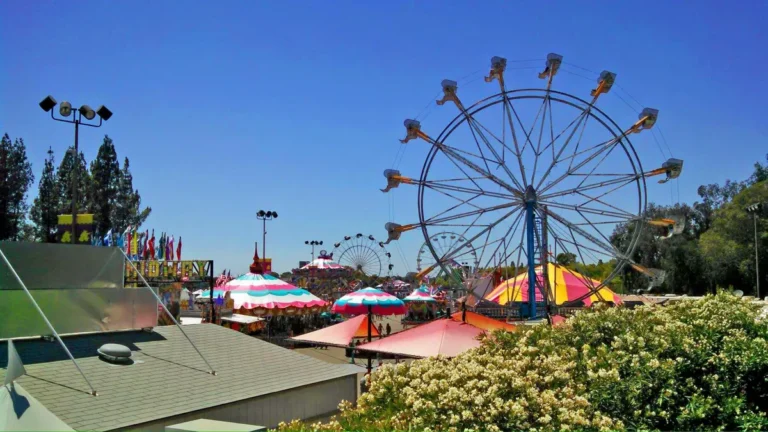
Jackson County Kentucky Jackson County Fair Festival
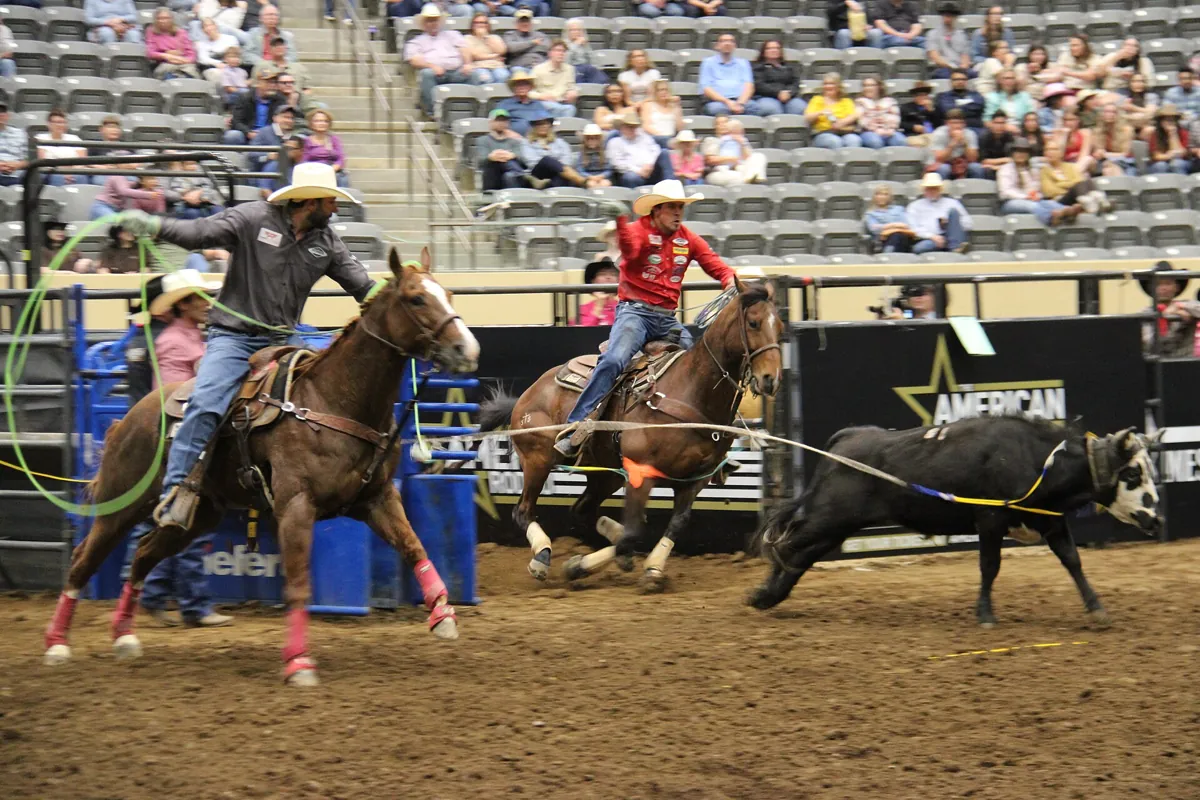
The dew is still heavy on the grass when the Baxters pull out of their driveway, truck bed loaded with a cooler, two folding chairs, and a stroller that has seen better days. McKee isn’t far, but in Jackson County a short drive means winding past hayfields and fence lines that have stayed in the same families for generations. The kids have been asking about the fair since breakfast. By the time the truck rolls onto the grounds, they’re already arguing over which ride comes first.
That scene repeats across Jackson County every fair season. The county spreads over 347 square miles of southeastern Kentucky hill country and counted 12,955 residents in the 2020 census, and the fair is one of the few weeks when nearly every corner of it seems to gather in one place. Grandparents who showed livestock decades ago sit in lawn chairs beside teenagers who came strictly for the midway.
What follows is one family’s fair day — the Baxters, a composite of the households that treat the fair as a fixed point on the summer calendar — plus everything you need to plan your own visit.
Jackson County Fair Basics: Town, Timing, and Costs
| Town / area | The Jackson County area around McKee, Kentucky |
| County | Jackson County, Kentucky |
| County seat | McKee |
| Population | 12,955 (2020 census) |
| Land area | 347 square miles |
| Region | Southeastern Kentucky hill country |
| Typical timing | Summer, in most years |
| Admission | Typically free, with charges for rides, food, and some activities |
| Features | Livestock shows, carnival rides, fair food, live entertainment, community exhibits |
| Organizer | Local volunteers and community organizers in Jackson County |
What the Jackson County Fair Is, and Why McKee Hosts It
The Jackson County Fair is the county’s annual homecoming — a stretch of days given over to rides, livestock barns, food trailers, and live entertainment in the Jackson County area near McKee, the county seat. Jackson County was founded in 1858 and named for Andrew Jackson, and the fair carries that kind of age on it. It’s a place where the county’s agricultural identity and its appetite for a good evening out sit side by side without any friction.
Admission is typically free, with money changing hands mainly at the ride ticket booth, the food stands, and whatever grandstand event is drawing a crowd that night. The fair leans rural — expect tractors, 4-H exhibits, and prize ribbons on canned goods and quilts — but for a few evenings it’s also a full carnival, with a midway that lights up after sundown and music carrying across the grounds.
How the Jackson County Fair Grew From an 1858 County’s Roots
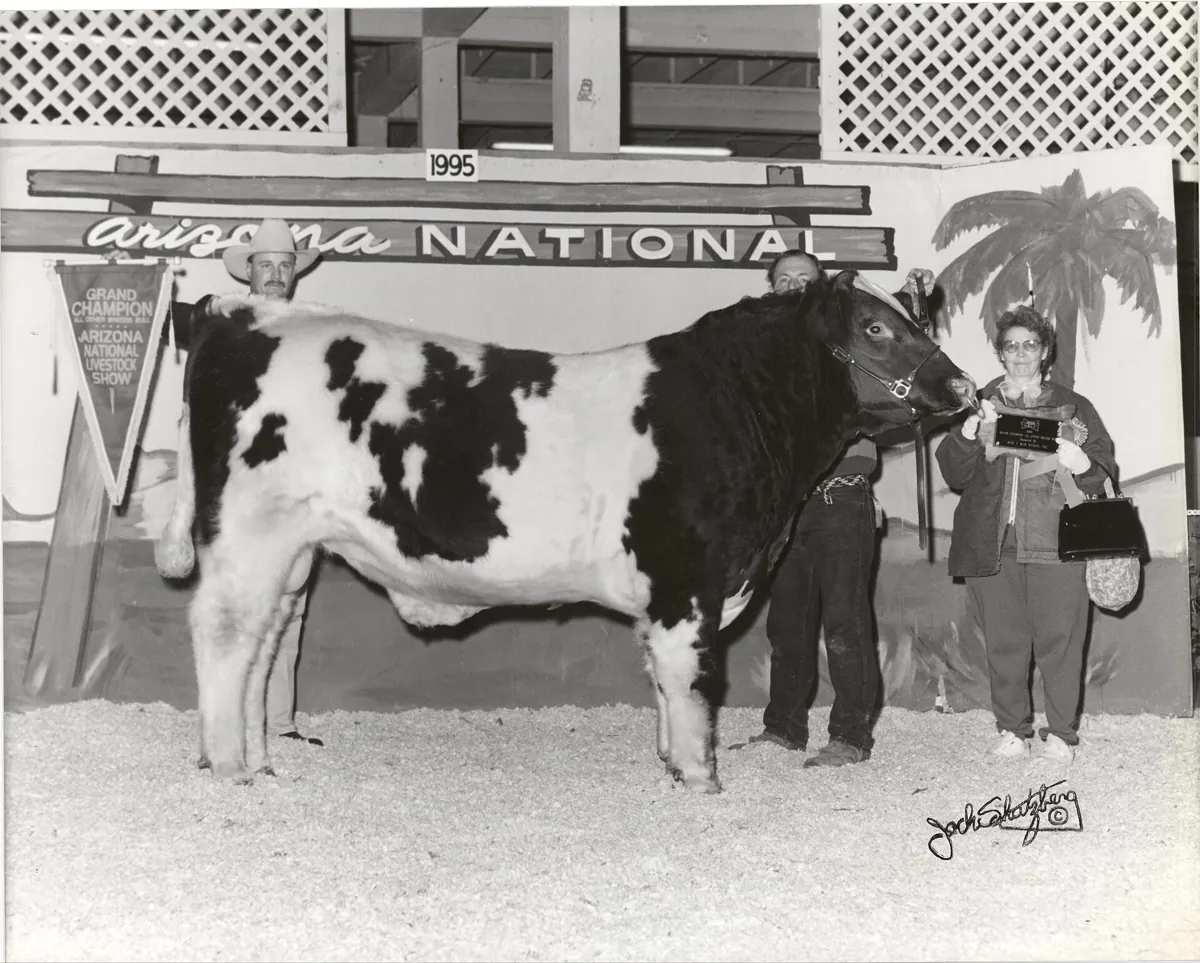
Jackson County was established in 1858 and named for Andrew Jackson, with McKee as its seat. Like most rural Kentucky counties, it built its fair tradition out of the agricultural societies and livestock exhibitions that spread through the region in the late nineteenth and early twentieth centuries — gatherings designed to compare crops, trade breeding stock, and give farm families a reason to leave the hollow for a day.
In the decades that followed, the fair became the county’s calendar anchor: the week when school was out, the garden was coming in, and families from every corner of those 347 square miles made the trip. Wooden barns, exhibit halls, and eventually a midway replaced the earliest open-air displays, but the shape of the day stayed familiar.
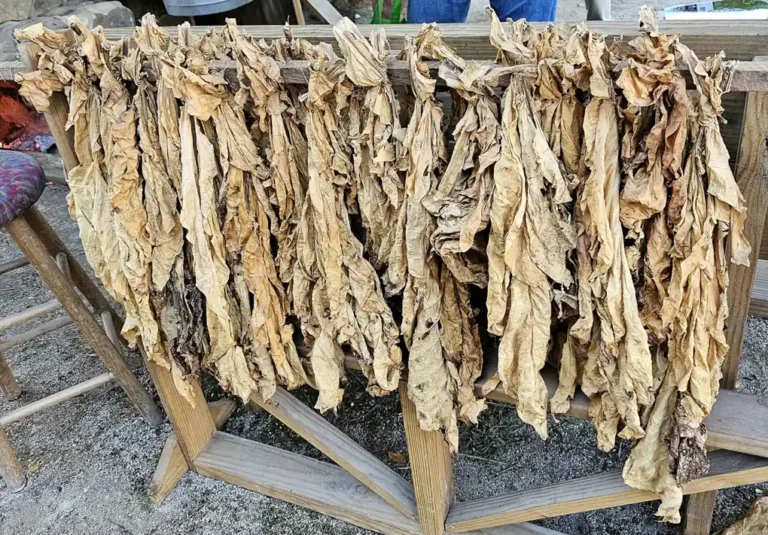
The modern fair keeps that older skeleton. Livestock shows still anchor the schedule, while the midway, the music, and the food have taken on more weight as the county’s economy has shifted away from tobacco and small farms. What hasn’t changed is the fair’s function. Once a year, Jackson County takes stock of itself in public — who grew what, who raised what, who married whom, and whose grandchildren are old enough to ride alone.
A Day on the Grounds: Food, Music, and Family Corners at the Jackson County Fair
The Baxters’ day follows a rhythm that most fair families would recognize: barns early, food at noon, shade in the afternoon, midway after dark.
Fair Food That Sets the Family Budget
Food is where the money goes. Funnel cakes, corn dogs, hand-cut fries, lemon shake-ups, barbecue sandwiches, and sweet tea show up alongside church-group booths selling chili and baked goods. The Baxter rule is one sweet, one savory, then reassess — a policy that collapses around the second funnel cake every year. Bring cash for the smaller stands, and expect peak lines in the hour after the evening crowd arrives.
Music, Grandstand Events, and Evening Crowds
Entertainment leans local and regional, with country, bluegrass, and gospel acts sharing stages with the kind of show that pulls people off the midway benches. Evenings are the loudest, busiest stretch of the fair. Seating is often grass, bleachers, or whatever you carried in, so a folding chair in the truck bed pays off. Many families plan their whole visit around whichever night has the act they want to hear.
Rides, Barns, and Kid-Friendly Corners
The midway handles the thrill seekers, with kiddie rides and gentler options for the smaller ones, plus the usual games that separate parents from dollar bills. The livestock barns are the quiet counterweight: kids lean over the pens, pet whatever is willing, and ask questions of the exhibitors, many of whom are teenagers themselves. Exhibit halls hold the vegetables, canned goods, flowers, and crafts that give the fair its roots. It’s dusty, stroller-friendly in most spots, and loud in all the right ways.
Planning Your Trip to the Jackson County Fair
Getting to McKee and the Fairgrounds
McKee sits in the heart of Jackson County, and nearly everyone arrives by car on two-lane state routes that curve through the hills. From surrounding counties, allow more time than the mileage suggests. Cell service can fade in the deeper hollows, so load your directions before you leave town rather than trusting a signal at the last turn.
Where to Stay in the Jackson County Area
Lodging inside the county is limited, and many fair families stay with relatives or make the drive in from nearby towns. If you’re coming from out of the region, look for rooms in the surrounding area and book early — fair weekends fill what’s available. Campers and RV owners often plan their own arrangements well ahead of the season.
Parking on Fair Grounds
Expect field and lot parking with volunteers waving you into place. Carpooling makes everyone’s evening easier, and arriving before the evening rush buys you a shorter walk. Take a mental note of a landmark near your spot — after dark, one grassy field looks a great deal like another.
Admission and What a Fair Day Costs
Entry is typically free, which makes the fair an easy outing for families on a budget. The spending happens inside: ride tickets, games, food, and certain grandstand events. Cash remains the most reliable currency at smaller stands, and ATMs are scarce in a rural setting. Set a per-child number before you walk through the gate and you’ll leave happier.
Summer Weather and What to Wear
Kentucky summers are hot and humid, with afternoon thunderstorms that roll through fast and leave the grounds steamy. Comfortable shoes, a hat, sunscreen, and a refillable water bottle are the basics. Add a light rain jacket or poncho, and keep an eye on the sky if you’re parked in a field.
A Sample Fair Weekend With the Baxters
Friday evening. They arrive in the late afternoon while the heat is breaking, walk the barns before the crowds thicken, and eat dinner from the vendors while the first band warms up. The kids ride until the lights come on full, and the family heads out before closing to beat the parking-lot crawl.
Saturday. This is the long day. Morning goes to the exhibit halls and livestock shows, with lunch from whichever stand has the shortest line. The afternoon is for shade, lemonade, and a slow loop past the games. After dark they’re back on the midway, and the parents finally sit down with a chair and a paper cone of something fried.
Sunday morning. A shorter visit — one last pass through the barns, a treat for the road, and a promise to come back next year. The truck smells like funnel cake all the way home.
How the Jackson County Fair Compares With Nearby Options
Families in this part of Kentucky have choices within a reasonable drive. The college town of Berea, in neighboring Madison County, offers an arts-and-crafts district and a walkable downtown rather than a midway. London, in Laurel County to the south, is a larger retail and events hub with more restaurants and hotel rooms. Larger regional fairs elsewhere in the state bring bigger names and bigger crowds.
The Jackson County Fair’s advantage is scale. It’s small enough to walk end to end in an afternoon, admission is typically free, parking is simple, and the livestock shows and exhibit halls are the main event rather than a side attraction. If you want a stadium act and a sprawling midway, look elsewhere. If you want to see a county of 12,955 people turn out in one place, this is the one.
Fair-Day Checklist for a Jackson County Visit
Cash in small bills, a refillable water bottle, sunscreen, hats, comfortable closed-toe shoes, folding chairs, wet wipes, a phone charger, and a tote bag for ribbons, crafts, and leftovers. Add a light jacket for the walk back to the truck after dark.
Before you leave the house: check the day’s schedule, fill the gas tank, download your directions, and tell someone where you’re headed if you’re taking back roads after dark. Agree on a meeting spot with older kids in case the midway swallows them for an hour.
Beyond the Fairgrounds: McKee and the Rest of Jackson County
McKee is a small county seat, and that’s part of the appeal. A short walk through town takes you past the courthouse and a handful of local businesses where the fair conversation is already underway. Out in the county, those 347 square miles open into ridge views, farm stands, and back roads that reward a slow drive with no particular destination.
If you’re making a weekend of it, pair the fair with a day trip to London or Berea, or spend an afternoon simply driving the county’s two-lane routes and stopping wherever something looks interesting. Jackson County has been here since 1858; it doesn’t rush, and it doesn’t expect you to either.
What the Fair Means to 12,955 Jackson County Residents
In a county with 12,955 people, the fair is one of the few institutions that touches nearly every household. 4-H members exhibit. Volunteer fire departments and churches run booths. Local vendors earn a week’s worth of income in a few nights. Money spent at the fair tends to stay in the county, cycling back through the same families who put the event on.
It’s also a homecoming. People who grew up in McKee and moved away for work or school tend to plan visits around fair week, and the grounds fill with reunions that happen nowhere else. That’s the real product of a county fair — not the rides, but the fact that everyone knows where to find everyone else.
Where the Fair Sits in the Jackson County Area
The Jackson County Fair takes place in the Jackson County area around McKee, the county seat of Jackson County, Kentucky.
Jackson County Fair Questions From First-Time Visitors
When is the Jackson County Fair held?
The fair is a summer event in most years, with the schedule set by local organizers well ahead of the season. Because the exact dates shift from year to year, confirm them through local listings, community bulletin boards, or the county’s own announcements before you plan a trip around it.
Is admission free?
Entry is typically free, which is one of the reasons the fair draws such a broad cross-section of the county. You’ll pay for rides, games, food, and some grandstand events, so budget for the inside rather than the gate. Cash is the safest bet for smaller vendors.
Is it a good outing for young children?
Yes. The livestock barns and kiddie rides are the traditional first stops for families with small kids, and the grounds are walkable with a stroller. Early evening is the easiest window — cooler, quieter, and well before the midway hits full volume. Bring wipes, water, and a plan for the inevitable meltdown around bedtime.
What should I know about driving to McKee?
Most routes into Jackson County are two-lane roads that wind through hills, so allow extra time and drive them in daylight if you can. Cell coverage can be spotty in the hollows. Fuel up before you get close, download your directions in advance, and expect to park in a field once you arrive.
What’s Ahead for the Jackson County Fair
County fairs everywhere are working through the same question: how to hold onto tradition while staying relevant to families whose summers look nothing like their grandparents’. The Jackson County Fair’s answer has been gradual — keep the barns and the exhibit halls central, keep entry free, and let the entertainment evolve with the crowd.
Its future rests on the same things it always has: volunteers willing to run a booth, exhibitors willing to enter a quilt or a heifer, and families willing to block out an evening and drive into McKee. As long as those three keep showing up, the fair will keep finding a way to put itself on. Visitors planning ahead should watch for the season’s schedule to firm up in the warmer months and build a flexible weekend around it.
Last updated: October 2026
Somewhere in Jackson County right now, a truck bed is being cleared out for folding chairs, and a kid is asking whether it’s fair week yet. It will be soon enough — and when it is, the lights will come on over the midway, the barns will smell like sawdust and livestock, and 12,955 people will have somewhere to be.