Iroquois County Illinois Harvest Daze Festival
Watseka is the seat of Iroquois County, a county founded in 1833 in the northeast corner of Illinois. Around the town spreads 1,119 square miles of prairie and farmland — a grid of township roads, grain elevators, and small communities that all look toward Watseka for the courthouse, the newspaper, and the business of county life. In autumn that landscape does what it has always done: it turns gold, fills the elevators, and gives everyone in the county a reason to be outside.
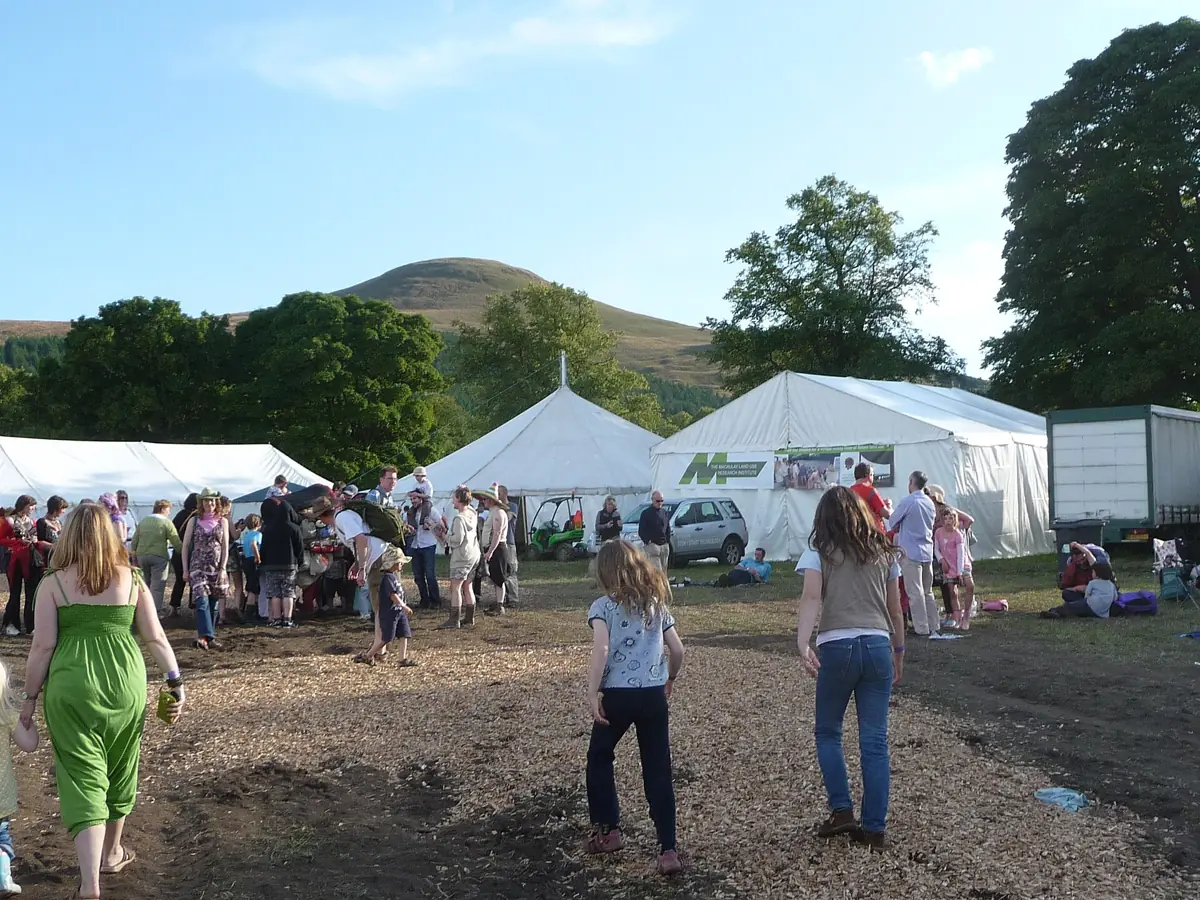
Harvest Daze belongs to that season. The festival is rooted in the Iroquois County area rather than at a single address, and it pulls together families from Watseka and the farm towns around it for a weekend of food, live music, and the kind of catching up that only happens when the work finally slows down. It is a harvest celebration in the plainest sense: a community marking the end of the growing season together.
Harvest Daze: The Iroquois County Basics
The short version, for anyone sketching a trip before reading the rest.
| Festival | Harvest Daze |
| Where | The Iroquois County area, northeast Illinois |
| County | Iroquois County |
| County seat | Watseka |
| Population | Small-town and rural; Watseka is the county’s civic hub |
| County roots | Founded 1833; 1,119 square miles of prairie and farmland |
| Typical timing | A weekend during the autumn harvest season |
| Admission | Typically free to attend |
| Setting and features | Farmland and small-town streets; food, music, family activities, local vendors |
| Organizer | Local volunteers and community organizations |
What Harvest Daze Brings to the Iroquois County Area
Harvest Daze is less a ticketed attraction than a county-wide homecoming dressed up as a festival. It leans on what Iroquois County already does well: food cooked outdoors, local musicians, kids running between vendor tents, and neighbors comparing notes on how the season went. Because the event serves the area rather than a tourist corridor, it keeps a deliberately unpolished feel — the point is the gathering, not the production.
Visitors from outside the county tend to arrive curious about rural Illinois and leave with a fuller picture of it. Watseka gives them a county seat to walk, the surrounding towns give them a sense of scale, and the farmland in between does most of the storytelling. Harvest Daze simply provides the occasion to stop the car and join in.
For another look at how a community turns its own traditions into a gathering, see the Henry County Illinois Kewanee Hog Days Festival for a useful comparison.
Harvest Daze and the Long Harvest Tradition of Iroquois County
Iroquois County was organized in 1833, when this part of Illinois was still being broken out of prairie grass. For the first generations of farmers here, harvest was not a festival at all — it was a deadline. Neighbors traded labor, crews moved from farm to farm, and the work had to be finished before the weather turned. That habit of shared effort sits underneath nearly every harvest celebration in the Midwest, and this county is no exception.
As farms mechanized and towns grew, the communal harvest shrank into a family operation, but the instinct to mark the season never disappeared. County fairs, church suppers, and school events filled part of the gap, and Harvest Daze belongs to that later tradition: a modern festival that borrows the old calendar, puts the community in one place for a weekend, and gives the harvest a social life again.
On the Ground During Harvest Daze Weekend
Expect a relaxed, walkable festival with a rural accent. The scale is human — you can see most of it in an afternoon and still find reasons to come back the next day.
Food and Drink: What’s Cooking in Iroquois County
Food is the center of gravity. Expect the small-town Illinois lineup: grilled sandwiches and brats, fried fare, chili, and baked goods from church and civic groups, with pie doing a lot of the heavy lifting. Portions are generous and prices are modest. Vendors usually take cash, and while cards are increasingly common, a few bills in your pocket is the simplest way to avoid a line-side scramble. If you have dietary restrictions, eat before you arrive or ask vendors directly — smaller festivals rarely label everything.
Music and Entertainment Around the Grounds
Live music anchors the weekend, typically local and regional acts playing country, classic rock, and the occasional bluegrass set. Between sets, the entertainment is whatever the crowd makes it: a car show, a tractor display, a contest, a raffle. Lineups change from year to year, so treat any schedule you find as a starting point rather than a promise. Evenings tend to be the loudest stretch, with daytime hours better for browsing.
Family Activities for Kids and Grandparents Alike
This is a festival built for mixed-age groups. Expect activities aimed at younger children — games, crafts, inflatables, and enough open space to burn off an afternoon — alongside seating where older visitors can sit, talk, and watch. Strollers handle the terrain fine in dry weather; after rain, some grass lots get soft. Bring sunscreen, water, and patience for porta-potty lines at peak times.
Planning a Harvest Daze Trip from Anywhere in Illinois
Iroquois County is rural, which is part of the appeal and also the main logistical fact to plan around. Distances between towns are short, but services thin out quickly.
Getting to the Iroquois County Area
Most visitors arrive by car. Northeast Illinois is served by a web of state and US highways linking the region to larger cities to the west and south, and once you are inside Iroquois County the township grid makes navigation simple. Watseka, as the county seat, is the natural landmark to aim for. Fuel up before you get deep into the countryside; stations exist in the towns, but they are spaced farther apart than drivers from suburban areas expect.
Where to Stay Near Watseka and Iroquois County
Lodging in the immediate area is limited and skews toward small independent motels, guest cabins, and a handful of rentals. Many visitors base themselves in larger neighboring cities and drive in for the day, which is entirely workable given the road network. Book early for festival weekend — autumn is also wedding season and harvest season, and rural room counts are small.
Parking and Getting Around
Expect field and lot parking on the edges of the action, with volunteers directing traffic. Arrive before midday for the easiest spot, and wear shoes you do not mind getting dusty. The festival area is generally compact enough to cover on foot once you have parked, so leave the car where it is. If you are staying in town, walking in is often the smartest move of the day.
Admission, Costs, and Cash
Admission to Harvest Daze is typically free, with money changing hands for food, drinks, merchandise, and some activities rather than at a gate. That model keeps the festival accessible and means your total spend is up to you. Set a rough budget for food and kids’ activities, and keep some cash on hand for smaller vendors and fundraisers.
Autumn Weather in Northeast Illinois
Late-season weather in this part of Illinois swings hard. Days can be warm and bright, evenings cool enough for a jacket, and rain is always possible. Dress in layers, bring a light rain shell, and check the forecast the morning you head out. If the ground has been wet, footwear matters more than anything else on your list.
A Sample Harvest Daze Weekend in Iroquois County
Start Friday evening by settling in — check into your lodging, drive the county roads while the light is good, and eat dinner in one of the small towns rather than at a chain on the highway. Saturday is the full festival day: arrive mid-morning, walk the vendor rows before the crowds build, eat lunch on the grounds, and catch the afternoon entertainment. Stay into the evening for music, then find a late supper nearby.
Sunday morning, take a slower lap. Visit the county seat, grab coffee, and revisit anything you skipped — a tractor display, a craft tent, a second slice of pie. Head home in the early afternoon, or extend the trip by driving a loop through the surrounding farmland before you point the car back toward the highway.
How Harvest Daze Compares with Neighboring Iroquois County Towns
Watseka gives Harvest Daze its civic center: as the county seat, it is where the region’s institutions, businesses, and largest crowds concentrate, which makes it the most natural base for a festival weekend. Gilman and Onarga, both smaller communities in the same county, offer a quieter version of the same small-town rhythm — good for a morning stop, a meal, or a look at main streets that were never rebuilt around tourism.
Compared with larger regional festivals in bigger Illinois cities, Harvest Daze trades scale for ease. There is no crush of traffic, no parking deck, no need to reserve a table weeks ahead. What it offers instead is proximity to working farmland and a crowd that mostly knows each other.
Harvest Daze Prep List for a Smooth Weekend
Cash for small vendors; a jacket for the evening; comfortable, dust-tolerant shoes; sunscreen and a hat for the afternoon; water bottles; a phone charger for a long day out; a folding chair if you plan to sit through the music; a downloaded map, since cell coverage can be patchy in open country; and a cooler in the trunk if you plan to buy anything from local producers.
Also worth doing before you go: confirm the current season’s dates through local sources, check the weather the morning of, and let your lodging know if you will arrive late. None of it is complicated — it just removes the small frictions that add up on a rural weekend.
Beyond Harvest Daze: More of Iroquois County to See
Once the festival is behind you, the county rewards a slow drive. The farmland itself is the main attraction: flat, enormous, and best seen in the low light of early morning or late afternoon. Small towns along the way offer diners, antique shops, and grain elevators that double as landmarks. Watseka, as the county seat, is the logical place to start and finish any loop.
Autumn is also prime season for produce stands and farm markets, which appear along rural roads as the harvest comes in. Pair a festival visit with a few miles of wandering and you get a fuller picture of Iroquois County than any single event can provide.
What Harvest Daze Means to Iroquois County’s Small Towns
In a county this size, with 1,119 square miles and a population spread thin across farm towns, community does not happen by accident. It has to be scheduled. Harvest Daze is one of those scheduled moments — a weekend when people who moved away come back, when neighbors who usually only wave from tractors actually talk, and when the county’s small towns pool their effort into something bigger than any one of them.
That is the real function of the festival. It marks the end of the growing season, honors the work that defines the region, and gives a rural county a reason to gather in one place. For visitors, that is also the appeal: you are not watching a performance of community life, you are standing in the middle of it.
Where in Iroquois County Harvest Daze Happens
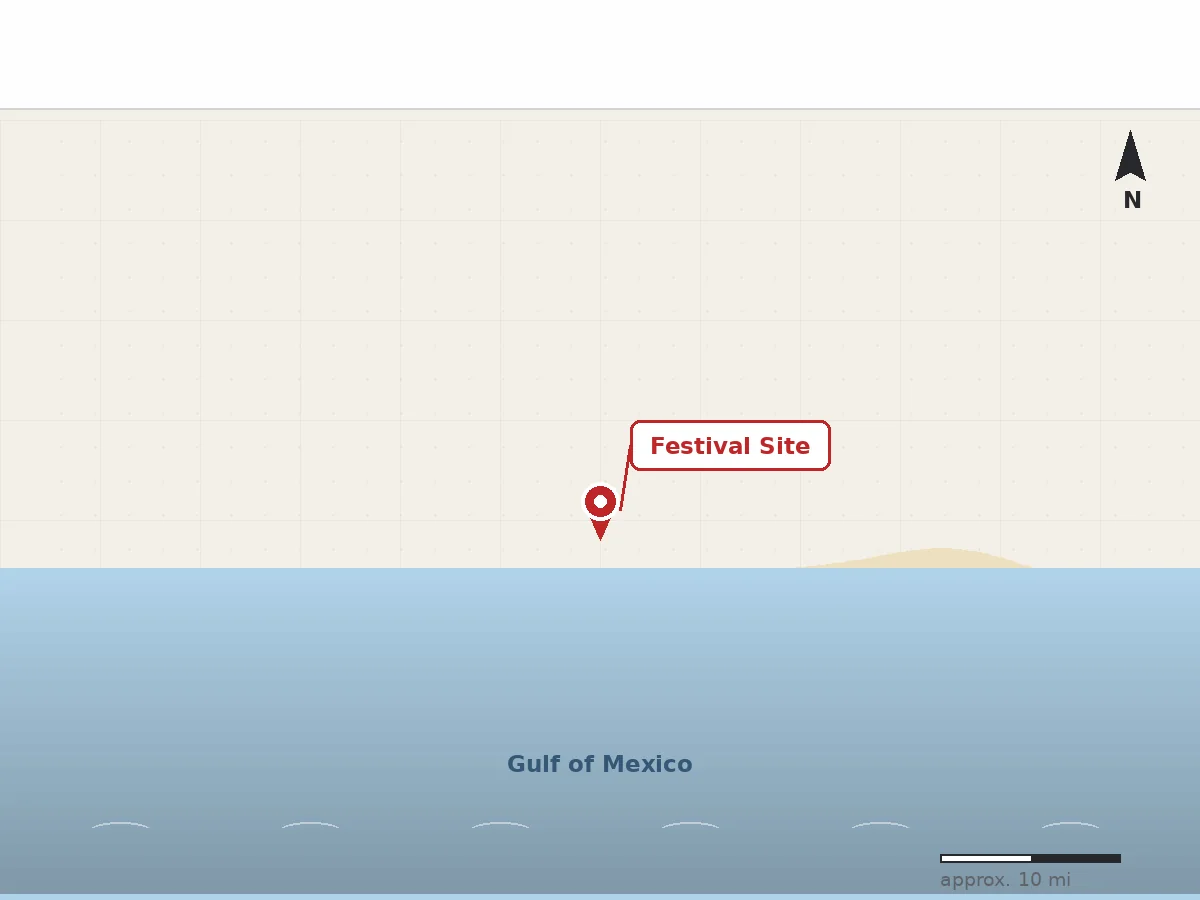
Harvest Daze takes place in the Iroquois County area of northeast Illinois, with Watseka — the county seat — serving as the main landmark for visitors arriving from out of town.
Practical Answers for First-Time Harvest Daze Visitors
Is Harvest Daze free to attend?
Admission is typically free, with costs limited to food, drinks, merchandise, and optional activities. There is no gate price to plan around, but also no single ticket that covers everything. Bring a modest amount of cash and decide as you go.
What time of year does Harvest Daze usually happen?
The festival is tied to the autumn harvest, so it falls on a weekend during the fall season in most years. Because it follows the crop rather than a fixed holiday, the exact weekend can shift. Confirm the current year’s timing through local community sources before you make firm travel plans.
Is the festival a good fit for children and older visitors?
Yes. The pace is unhurried, the grounds are walkable, and programming typically includes activities for kids alongside seating for anyone who needs a break. Families with strollers and visitors with limited mobility generally do fine, though grass lots and unpaved areas can be uneven after rain.
How do I find the schedule and vendor lineup?
Local sources are the most reliable: county newspapers, town and chamber pages, and community calendars posted in the weeks before the event. Schedules often firm up close to the weekend, so check again a few days out rather than relying on something you saw months earlier.
Looking Ahead to the Next Iroquois County Harvest
Harvest Daze rests on something permanent: a county that farms, a county seat that anchors it, and a season that arrives every year without fail. As long as Iroquois County keeps harvesting, there will be a reason to gather, and the festival’s future depends less on spectacle than on the willingness of local volunteers and organizations to keep showing up.
For travelers, that means planning loosely. Watch for the season’s announcements, keep a weekend open in the fall, and let the harvest set the date. The county will do the rest.
Last updated: October 2026
Harvest Daze is not trying to be the biggest festival in Illinois, and that is precisely what makes it worth the drive. It is a county seat doing what county seats have always done — pulling the surrounding towns together for a weekend — and a farm region taking one evening off to enjoy what it spent the year growing.
One Comment