Caldwell County Kentucky Black Patch Heritage Festival
Princeton, the county seat of Caldwell County, gives one September weekend each year to a celebration of the region’s tobacco past, and the result fills its downtown streets with a parade, a pancake breakfast, gospel singing and the small amusements of a community fair. The gathering is the Black Patch Heritage Festival in most of the coverage that documents it, and it is overseen by the Princeton Optimist Club, whose members are quoted throughout the local newspaper layers as the people who run both the festival and its parade. Its name reaches back to the Black Patch Tobacco Wars era, a chapter of western Kentucky history that the encyclopedia and social layers say the festival name commemorates. What follows keeps each layer separate, so a detail printed about one edition is never silently lent to another.
About
The published name forms are close cousins rather than a single settled title. Local newspaper layers print “Black Patch Heritage Festival”, sometimes in the possessive form “Caldwell County’s annual Black Patch Heritage Festival”, and a radio-station newsletter layer prints “Princeton Optimist Club Black Patch Heritage Festival” when it covers the parade. A state magazine layer and an encyclopedia layer shorten the name to “Black Patch Festival”. No layer prints the full title carried at the top of this article word for word, so the forms are left standing side by side here, exactly as each source printed them.
The host is the Princeton Optimist Club. A state magazine layer introduces the event as “Hosted by the Princeton Optimist Club”, and local newspaper layers quote club members speaking as organisers and state plainly that the club oversees the festival and the parade. No other organiser form appears anywhere in the record. The setting is downtown Princeton, in and around Main Street and Market Street, with individual pieces of the weekend placed in specific spots: the parade lines up at the Butler Building, the Kiwanis pancake breakfast is served at Ogden Memorial United Methodist Church, the gospel concert is held at First Baptist Church, and a petting zoo occupies the Princeton City Hall grounds.
Quick Facts
| Item | Details |
| Published names | “Black Patch Heritage Festival” and “Black Patch Festival” |
| Host town | Princeton, the county seat of Caldwell County |
| Organiser | Princeton Optimist Club |
| Setting | Downtown Princeton, around Main Street and Market Street |
| Timing | A September weekend, with pageants held earlier in late August |
| Editions documented in detail | Two thousand sixteen, two thousand twenty-five and two thousand twenty-six |
| Opening event | A Friday parade led by grand marshals |
| Musical centrepiece | The Black Patch Gospel Singing at First Baptist Church |
| Familiar features | Pancake breakfast, petting zoo, pedal tractor pull, cake walk, pageants |
| Gate admission | No layer read states a general gate price |
History
The festival’s roots, as one travel-blog layer tells them, run back to nineteen thirty-seven, when the celebration was a five-day tobacco festival; over the years since, that longer tobacco gathering has been compressed into the single weekend the modern layers describe. That nineteen thirty-seven date is recorded here exactly as the travel-blog layer prints it, and nothing in this article adopts it as a proven founding year. The billings point in a similar direction without settling anything: a state magazine layer bills the two thousand twenty-six edition as the “56th Annual Black Patch Festival”, and a local newspaper layer quotes an Optimist Club member saying the club has hosted the festival “for over fifty years”. Both statements stand as printed, and no founding year is worked out from either of them.
The name itself is a memorial. The encyclopedia layer and the social layers agree that “Black Patch” commemorates the Black Patch Tobacco Wars era, the turbulent period in the dark-fired tobacco country of western Kentucky known as the black patch. A heritage festival carrying that name is therefore doing deliberate work: it ties a weekend of parades and pancakes to the crop that shaped the region and to the years when that crop stood at the centre of conflict.
For a useful comparison, see the Butler County Kentucky Hands and Heritage Festival for another county festival.
What to Expect
The weekend opens on Friday with the parade, and the layers agree on its place at the head of the programme while differing on its details. In two thousand sixteen the parade was led by co-grand marshals. In two thousand twenty-five the radio-station newsletter layer documents the lineup at four in the afternoon at the Butler school parking lot, with the grand marshals named in that layer. In two thousand twenty-six the parade stepped off on Friday at five in the evening. Saturday is the main festival day, billed by the state magazine layer in two thousand twenty-six as running from eight in the morning to nine in the evening.
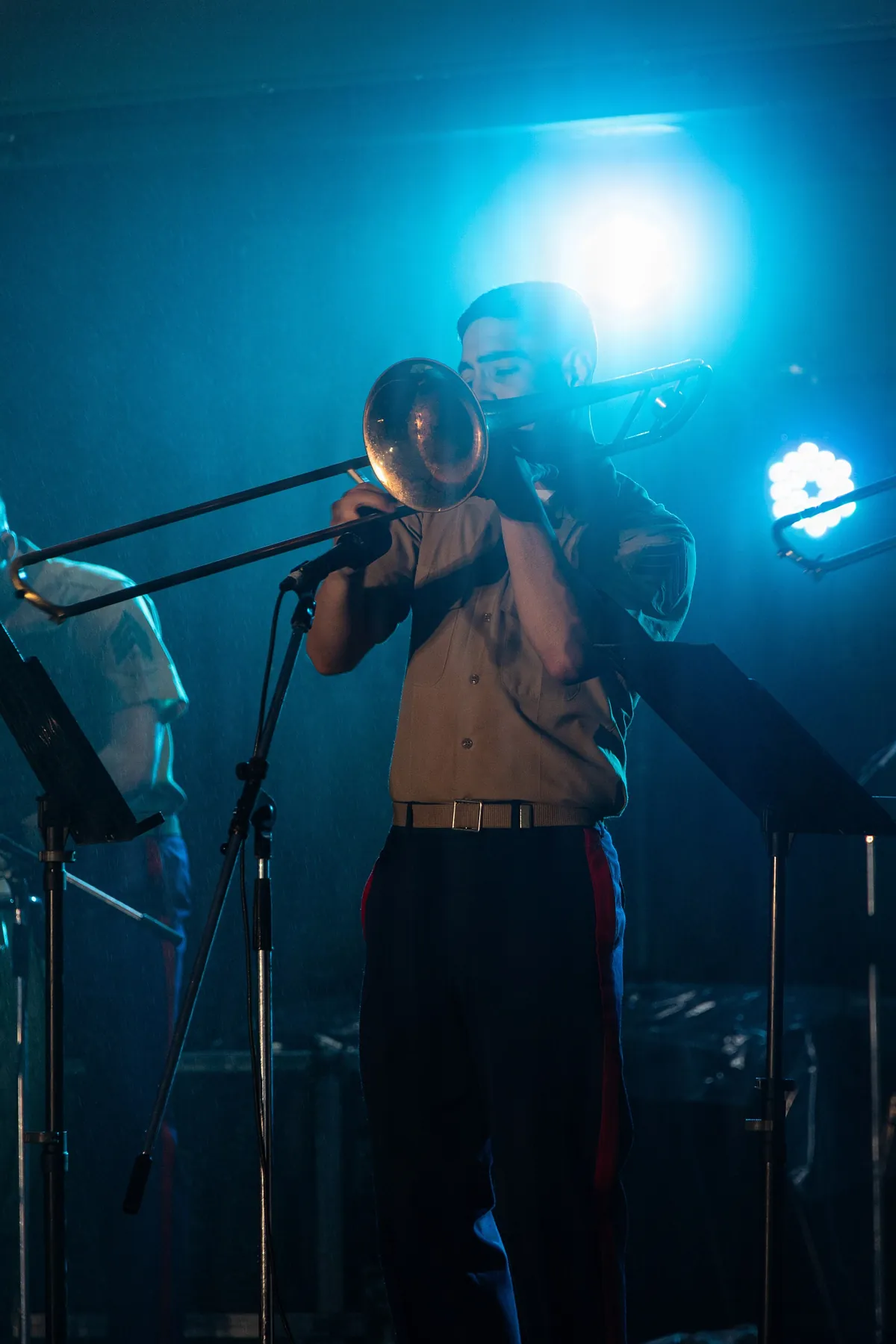
Saturday mixes food, animals, games and music. There is a Kiwanis pancake breakfast, a petting zoo on the City Hall grounds, a pedal tractor pull, a pet show and a dog show, a pickleball tournament, crafts and food vendors, free children’s games and inflatables, and a library used-book sale. One edition adds an Art in the Park event running from ten in the morning to four in the afternoon, and another adds a Special Olympics cake walk in the middle of the afternoon. Live bands play during the day; the two thousand twenty-six layers name Jonathan Lynn’s band in the morning and the Country Twang Band giving line-dancing instruction. The day closes at First Baptist Church with the gospel singing: the 12th annual Black Patch Gospel Singing in two thousand sixteen, featuring Jeff and Sheri Easter; the free 21st Annual Black Patch Gospel Singing in two thousand twenty-five; and a Black Patch gospel concert in two thousand twenty-six featuring the Tribute Quartet, each at six in the evening. The pageants belong to the run-up rather than the weekend itself, falling in late August in the two thousand sixteen record.
Planning Your Visit
Aim to arrive by Friday evening, because the documented pattern gives Friday to the parade and Saturday to the festival proper. The pageants sit earlier still, in late August, so anyone interested in them should treat them as a separate trip rather than part of the main two days. The exact September weekend shifts from year to year in the record — the ninth and tenth in two thousand sixteen, the fifth and sixth in two thousand twenty-five, the eleventh and twelfth in two thousand twenty-six — so the current year’s dates need confirming before travel.
The festival is spread across downtown rather than gathered behind a single gate. Pieces of it sit on Main Street and Market Street, in two churches, and on the City Hall grounds, so comfortable shoes matter more than a single parking decision. Money questions reward a close look at the exact wording. No layer states a general gate admission price, and no layer describes the festival as a whole as free. What is documented is narrower: the two thousand twenty-five radio-station newsletter bills the gospel singing and the inflatables as free, and a two thousand fifteen local newspaper layer states there is no cost and no pre-registration to enter the parade — a term about entering the parade, not a gate price for spectators. The newspaper layers also print a telephone number for a festival organiser and a school email address for pageant registration; both exist in the record and neither is reproduced here.
A Sample Festival Weekend
Friday belongs to the parade. Come into downtown Princeton in the late afternoon, find a place along the route, and watch the parade that the Optimist Club oversees, led by its grand marshals, roll through to open the weekend.
Saturday begins with the Kiwanis pancake breakfast at Ogden Memorial United Methodist Church. From there the day opens out: the morning band in the two thousand twenty-six pattern played from ten in the morning to one in the afternoon, and the middle of the day suits the petting zoo on the City Hall grounds, the pedal tractor pull, the craft and food vendors and the used-book sale. Mid-afternoon brought the cake walk in two thousand twenty-six, at three in the afternoon. Save the evening for First Baptist Church, where the gospel singing or concert begins at six and gives the festival its musical close.
Three Editions Side by Side
Setting the three fully documented editions next to each other shows what changes and what holds. The gospel centrepiece grows its numbering across the record, from the 12th annual singing in two thousand sixteen to the 21st Annual in two thousand twenty-five, while the festival around it is billed as the 56th Annual by the state magazine layer in two thousand twenty-six — three separate numberings, each belonging to its own layer, none of them converted here into a founding date. The parade keeps its Friday place but moves its hour: led by co-grand marshals in two thousand sixteen, lining up at four in the afternoon in two thousand twenty-five, stepping off at five in the evening in two thousand twenty-six. New elements surface over time — the pedal tractor pull and free inflatables are documented by two thousand twenty-five, the cake walk and line-dancing instruction by two thousand twenty-six — while the pancake breakfast, the petting zoo, the downtown setting and the Optimist Club’s stewardship run through all three.
A Visitor’s Checklist
- Confirm the current year’s September dates before making travel plans
- Arrive on Friday in time for the parade rather than waiting for Saturday
- Start Saturday with the Kiwanis pancake breakfast at the Methodist church
- Carry small money for food vendors and the library used-book sale
- Leave the middle of Saturday loose for the petting zoo, tractor pull and vendors
- Note which elements are billed as free in the current year’s coverage
- Plan to end Saturday at First Baptist Church for the six o’clock gospel programme
- Treat the late-August pageants as a separate outing if you want to see them
Beyond the Festival
Princeton rewards a slower look once the parade has passed. It is a county seat town, and the festival’s geography is the town’s own geography: the courthouse streets around Main Street and Market Street, the City Hall grounds, and the churches that lend their halls to breakfasts and concerts. The tobacco story reaches beyond the weekend as well, since the name on the banners points back to the Black Patch Tobacco Wars era and to the dark-fired tobacco culture that built this part of Kentucky.
Why the Festival Matters
The festival matters first as an act of stewardship. A local newspaper layer quotes a club member saying the Optimist Club has hosted it for over fifty years, and the documented editions show that stewardship in practice: a parade marshalled year after year and a gospel singing whose own numbering passes its 21st Annual edition. It also matters as memory. Many towns let their defining industry fade into a plaque; Princeton instead attaches its tobacco past — including the conflict of the Tobacco Wars era — to a living weekend of breakfasts, animals, games and song. The heritage in the title is not decoration. It is the reason the gathering exists, renewed each September by the volunteers who keep it going.
Frequently Asked Questions
Why does the festival carry the Black Patch name?
The encyclopedia layer and the social layers agree that the name commemorates the Black Patch Tobacco Wars era, the period of conflict in western Kentucky’s dark-fired tobacco country, which was known as the black patch. A travel-blog layer adds that the celebration began as a tobacco festival, tying the modern weekend to that crop.
Who organises the weekend, and who leads the parade?
The Princeton Optimist Club does. A state magazine layer introduces the event as hosted by the club, and local newspaper layers quote club members as organisers and state that the club oversees both the festival and the parade. The parade itself is led by grand marshals — co-grand marshals in the two thousand sixteen account, and marshals named in the two thousand twenty-five newsletter layer.
Are any parts of the weekend billed as free?
Some are, and the distinction matters. The two thousand twenty-five radio-station newsletter bills the gospel singing and the inflatables as free, and a two thousand fifteen newspaper layer says entering the parade carries no cost and needs no pre-registration. No layer, however, states a general gate admission price, and none describes the festival as a whole as free, so this article claims neither.
When do the pageants take place?
Ahead of the main weekend, in late August. The two thousand sixteen local newspaper layer places them on the twenty-seventh and twenty-eighth of August, before the parade and festival day in September. The newspaper layers print a school email address for pageant registration, noted here by existence only.
What to Expect From the Next Caldwell County Kentucky Black Patch Heritage Festival
How often is Caldwell County Kentucky Black Patch Heritage Festival held?
The documented editions each occupy a single September weekend, one per year across the record: the ninth and tenth of September in two thousand sixteen, the fifth and sixth in two thousand twenty-five, and the eleventh and twelfth in two thousand twenty-six. The pageants attached to the festival fall a little earlier, in late August, but the festival weekend itself comes once in each documented year.
When is the next Caldwell County Kentucky Black Patch Heritage Festival?
The most recent edition the layers document is the two thousand twenty-six weekend, on the eleventh and twelfth of September. A next edition would be expected on a September weekend after that, following the established pattern, but no layer gathered here prints a date beyond two thousand twenty-six.
Will the dates change?
They already move. Within September, the documented weekends sit on the fifth and sixth, the ninth and tenth, and the eleventh and twelfth in different years, and the parade’s Friday hour has shifted between editions as well. The month and the Friday-to-Saturday shape look settled in the record; the particular weekend does not, so each year’s dates are worth checking afresh.
Closing Thoughts
A parade on Friday, pancakes on Saturday, gospel singing at dusk, and a name that refuses to forget the tobacco wars: the Black Patch Heritage Festival is Princeton’s way of keeping its hardest history in the middle of its happiest weekend. Its record is unusually full, showing a festival held together by a club, two churches and a downtown that still recognises itself in the story the name tells.