Henry County Iowa Henry County Fair Festival
There is a particular smell that reaches you before you ever get to the gate at the Henry County Fair — fried batter, diesel from the tractor pull, and livestock bedding all mixing in the warm summer air. For anyone who grew up around Mount Pleasant, that combination is less a smell than a calendar. It means the fair is back, the county has turned out, and the next few days belong to 4-H kids, grandparents in folding chairs, and teenagers circling the midway for the fourth time.
This is an insider’s view, written for the people who already know the layout and for the first-timers who want to walk in like they do. Henry County sits in southeast Iowa, a 437-square-mile patch of rolling farmland and small towns anchored by Mount Pleasant, and its fair is one of the rituals that holds that geography together. What follows is how the fair works, when to go, what to eat, and how to build a weekend around it without wasting an hour.
The Henry County Fair Facts Returning Visitors Keep Handy
| Town / area | The Henry County area, anchored by Mount Pleasant |
| County | Henry County, Iowa |
| County seat | Mount Pleasant |
| Population | 20,482 (2020 Census) |
| Region | Southeast Iowa |
| Typical timing | Summer, in most years during July |
| Admission | Generally free to enter the grounds; food, rides, and some grandstand events are paid for separately |
| Setting | A traditional county fairground with grandstand, livestock barns, exhibit halls, and midway space |
| Signature features | Livestock shows, 4-H and FFA exhibits, a midway, grandstand entertainment, and a long food row |
| Who runs it | A volunteer fair board backed by the county’s agricultural community |
A County Fair Built Around Livestock, Grandstands, and Neighbors
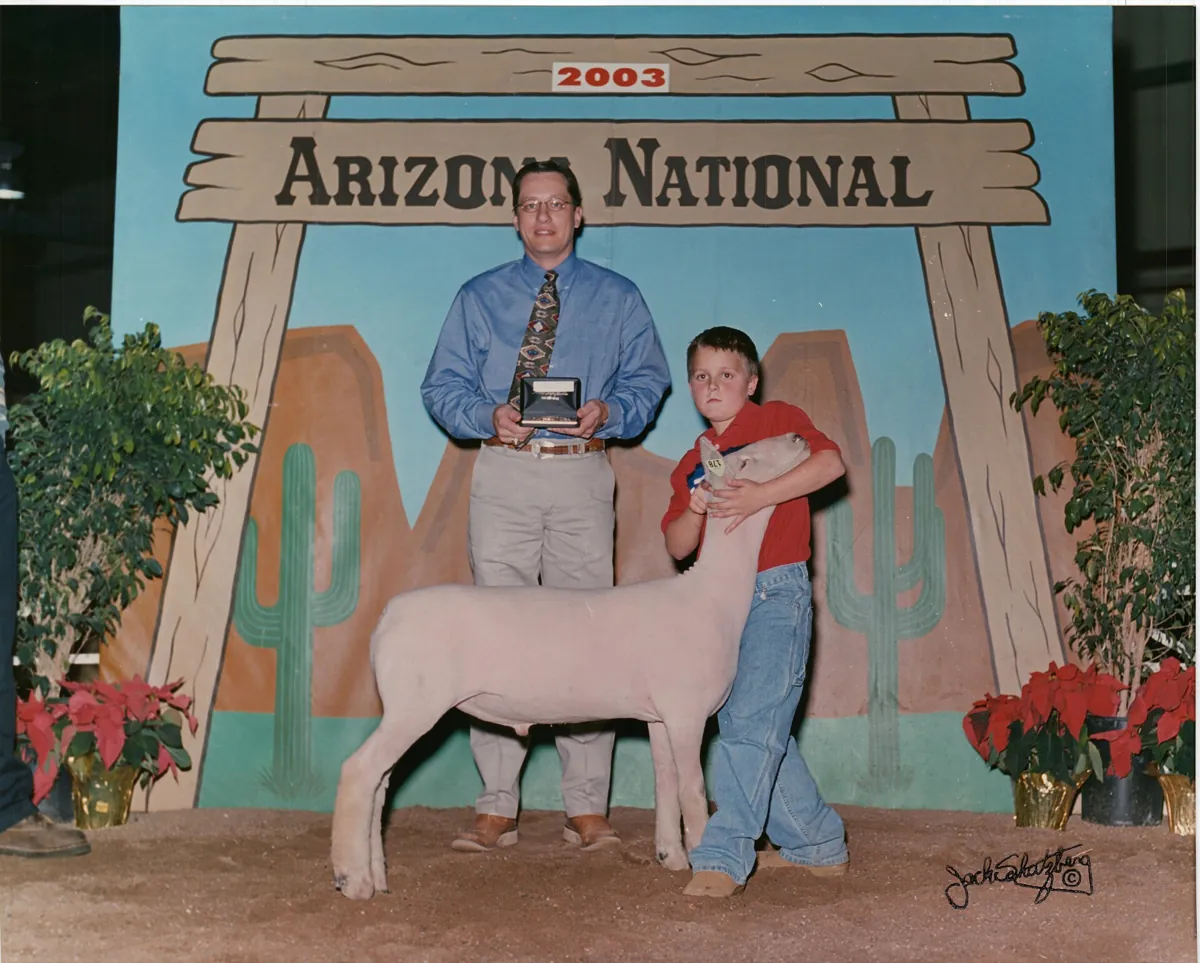
Strip away the marketing language and the Henry County Fair is exactly what a county fair is supposed to be: an agricultural showcase with a carnival attached. The center of gravity is the barns and the show rings, where 4-H and FFA members from across the county bring cattle, swine, sheep, goats, poultry, and rabbits to be judged. Walk through those barns early in the week and you will see the part that never makes it into promotional photos — kids washing animals before sunrise, parents holding halters, clipboards, and coffee, and the quiet tension of a showmanship class about to start.
Around that core, the grounds fill in with exhibit halls full of baking, canning, photography, flowers, and quilting entries; a midway that lights up after dusk; a grandstand that hosts something loud most nights; and a food row that is, for plenty of families, the real reason they came. The fair runs on volunteer labor and small sponsorships, which is why it feels less like a ticketed attraction and more like a county-wide reunion with a schedule. Henry County has a population of 20,482, and for one stretch each summer a remarkable share of that number passes through the same gate.
From an 1836 County Charter to a Summer Institution
Henry County was founded on December 7, 1836, and named for General Henry Dodge, with Mount Pleasant established as the county seat. That timing matters to anyone trying to understand the fair, because fairs in this part of Iowa grew directly out of the era when newly organized counties were proving themselves — clearing prairie, breaking ground, and building the agricultural economy that southeast Iowa still depends on.
For another look at how a community turns its own traditions into a gathering, see the Henry County Indiana New Castle-Henry County Renaissance Festival for a useful comparison.
The fair itself has been a fixture across generations, though like nearly every county fair in the region it has been reshaped repeatedly over the decades. The broad arc looks familiar: an early emphasis on livestock and crop exhibits, the addition of youth programs as 4-H and FFA took hold, the arrival of a carnival midway and grandstand shows in the mid-twentieth century, and a later push to keep the grounds maintained, insured, and useful year-round. Each generation inherits the same problem — how do you keep a volunteer-driven fair relevant when farms are bigger, families are busier, and entertainment comes from a phone? The answer, in Henry County, has been to lean harder into what a screen cannot replicate: animals, neighbors, and a shared evening under the grandstand lights.
How a Day at the Henry County Fair Unfolds
The fair day has a shape, and once you learn it you can plan around the heat and the crowds instead of fighting both.
Fair Food Worth Standing in Line For
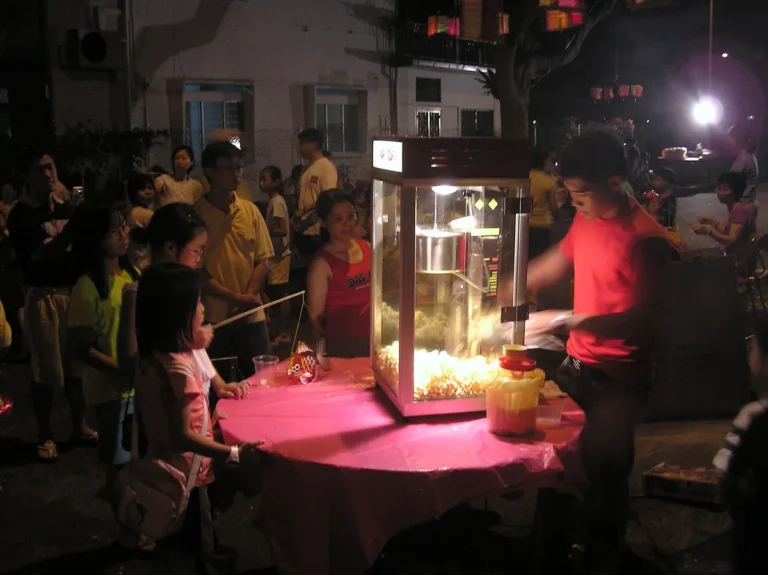
The food row is the fair’s social center. Expect the classics done well — pork burgers from local producers, funnel cakes, corn dogs, lemonade shake-ups, tenderloins, and whatever the church and civic groups are running out of their trailers. The lines move fastest in the late afternoon and slowest right at suppertime, so eat early or eat late. Bring cash for the small vendors, and remember that the booth raising money for a local cause is usually worth the extra few minutes in line.
Grandstand Nights and Local Entertainment
Evenings belong to the grandstand. The schedule shifts from year to year, but the pattern is dependable: motorsports, pulls, derbies, and live music, with some events ticketed and others included with grounds admission. Get there before the first green flag or the first downbeat if you want a good seat on the bleachers, and bring a cushion. On nights with a big draw, the parking lot fills well before start time, so arrive with a margin.
Kid-Friendly Corners and Family Traditions
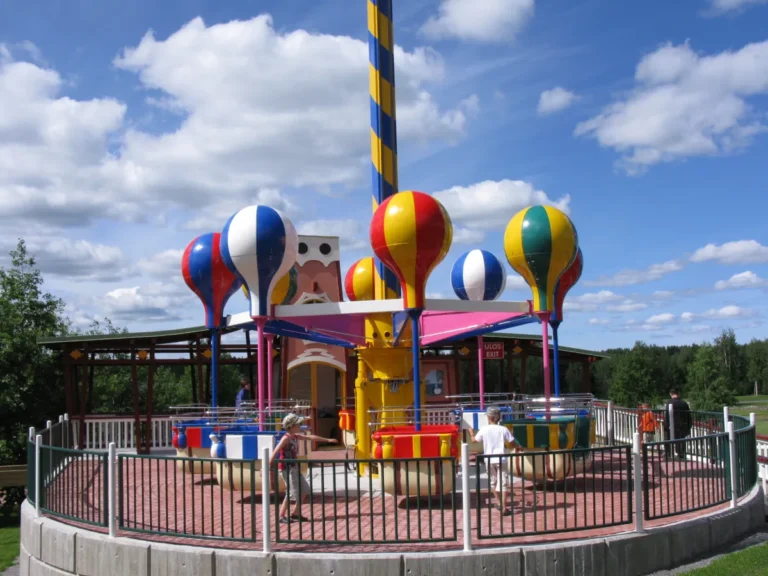
Families tend to orbit the barns, the small-animal building, and the midway. The petting areas and the rabbit and poultry barns are where younger kids spend the longest, and the exhibit halls give everyone a cool, shaded break in the middle of the afternoon. If you have a stroller, the gravel between buildings is manageable but dusty, so plan for a slower walk than you would expect. Many Henry County families have a fixed route they have walked for decades — barns first, food second, midway at dusk.
Planning a Henry County Fair Weekend
Getting to Mount Pleasant and the Fairgrounds
Mount Pleasant is the county seat and the practical hub for fair week, reached by highway from every direction across southeast Iowa. Most visitors drive in from within the county or from neighboring counties, so the trip is short and the navigation simple. If you are coming from further out, treat Mount Pleasant as your base and plan your arrival before the evening rush rather than during it.
Where to Stay in and Around Henry County
Lodging in the area is limited, and fair week is one of the busiest stretches of the summer, so book early if you need a room in or near Mount Pleasant. Campers often prefer to stay at nearby campgrounds and state park areas within a short drive, which also solves the parking question. Visitors from Des Moines, Iowa City, or the Quad Cities frequently make it a day trip instead, which is entirely reasonable given the distances involved.
Parking Without the Headache
Fairground parking is generally on-site and on grass, with volunteers directing traffic. Come early for grandstand nights and expect to walk a few hundred yards regardless. Follow the direction of the parking crew rather than hunting for a closer spot — they know which rows will be blocked by the time the event ends. If it has rained recently, wear shoes you do not mind getting muddy.
What a Day at the Fair Costs
Grounds admission at the Henry County Fair is typically free, which is a big part of why local families come back multiple nights in a row. Your spending happens inside: food, midway rides and games, raffle tickets, and any ticketed grandstand events. Set a rough budget per person before you walk in, keep small bills handy, and you will leave with fewer surprises than most first-timers.
Iowa Summer Weather and How to Dress
July in southeast Iowa means heat, humidity, and the real possibility of an afternoon thunderstorm. Dress light, wear a hat, and carry water. Sunscreen matters more than you think when you are standing on gravel in the middle of the day. Evenings cool off enough that a light layer is welcome on the bleachers, and a poncho takes up almost no room in a bag.
A Sample Saturday and Sunday at the Henry County Fair
Start Saturday morning at the barns, when the animals are being worked and the crowds are still thin. Drift into the exhibit halls before the heat builds, then grab an early lunch from the food row while the lines are short. Spend the hottest part of the afternoon in the shade or back at your hotel or camper, and return around four o’clock as the light softens and the midway wakes up. Eat dinner on the grounds, catch the grandstand event in the evening, and finish with a walk through the lights before you leave.
Sunday is slower and better for browsing. Come for the morning livestock shows and the youth exhibits, which are the heart of the whole event. Take a second pass through the exhibit halls to see what won ribbons, buy something from a vendor you skipped the day before, and let the kids ride whatever they have been talking about since Saturday. Leave mid-afternoon, before the evening crowd arrives, and you will beat the exit traffic entirely.
How the Henry County Fair Compares to Nearby Towns and Celebrations
Compared with the larger festivals in the region, the Henry County Fair is smaller, cheaper, and considerably more agricultural. Mount Pleasant itself hosts other heritage-focused events during the year that draw a regional crowd, and those tend to feel more like destination attractions with ticketed programming. The fair is the opposite: free to walk into, built around youth exhibitors, and shaped by people who live within a few miles of the grounds.
Look east toward Burlington and the Mississippi River towns in Des Moines County and you find bigger waterfront events with broader entertainment lineups. Look north toward Iowa City and Johnson County and you get a college-town festival culture that runs on a different calendar and a different crowd. What Henry County offers instead is intimacy — a fair where you will run into your dentist, your kid’s teacher, and three neighbors in the space of an hour. For a county of 20,482 people spread across 437 square miles, that familiarity is the point.
A Practical Checklist for Fair Week in Henry County
Check the fair schedule online before you go, since grandstand events and show times shift from year to year. Bring cash for food vendors, games, and raffles. Wear closed-toe shoes you can get dirty. Pack water, sunscreen, and a light rain layer. Charge your phone but expect to use it less than you think. If you are showing an animal, confirm your entry paperwork and arrival time well in advance. Park where the volunteers point you. And if you are meeting people, agree on a specific building as a meeting point — cell service on a crowded fairground is not something to bet on.
Beyond the Fairgrounds: Henry County Between Events
Fair week is a good excuse to see more of the county. Mount Pleasant has a compact, walkable downtown with local shops and restaurants, and it rewards an hour of wandering before or after your fair visit. The surrounding countryside is classic southeast Iowa — corn and soybean fields, farm stands, and small towns spaced a few minutes apart. If you are staying overnight, build in time for a slow drive on the back roads; it is the same landscape the fair exists to celebrate.
What the Fair Means to a 20,000-Person County
In a county this size, the fair is one of the few events that pulls every corner of the map into one place. It is where farm families and town families share a bleacher, where kids learn to speak in front of judges, and where the money raised by a food stand goes straight back into a local organization. The fair also functions as an economic and social anchor for the agricultural community, keeping skills and standards alive that would otherwise fade between generations. Its value is not measured in attendance figures but in the fact that a county founded on December 7, 1836 still gathers every summer to do the same thing its earliest residents did: show what it grew, and eat together afterward.
Where the Henry County Fair Sits in Southeast Iowa
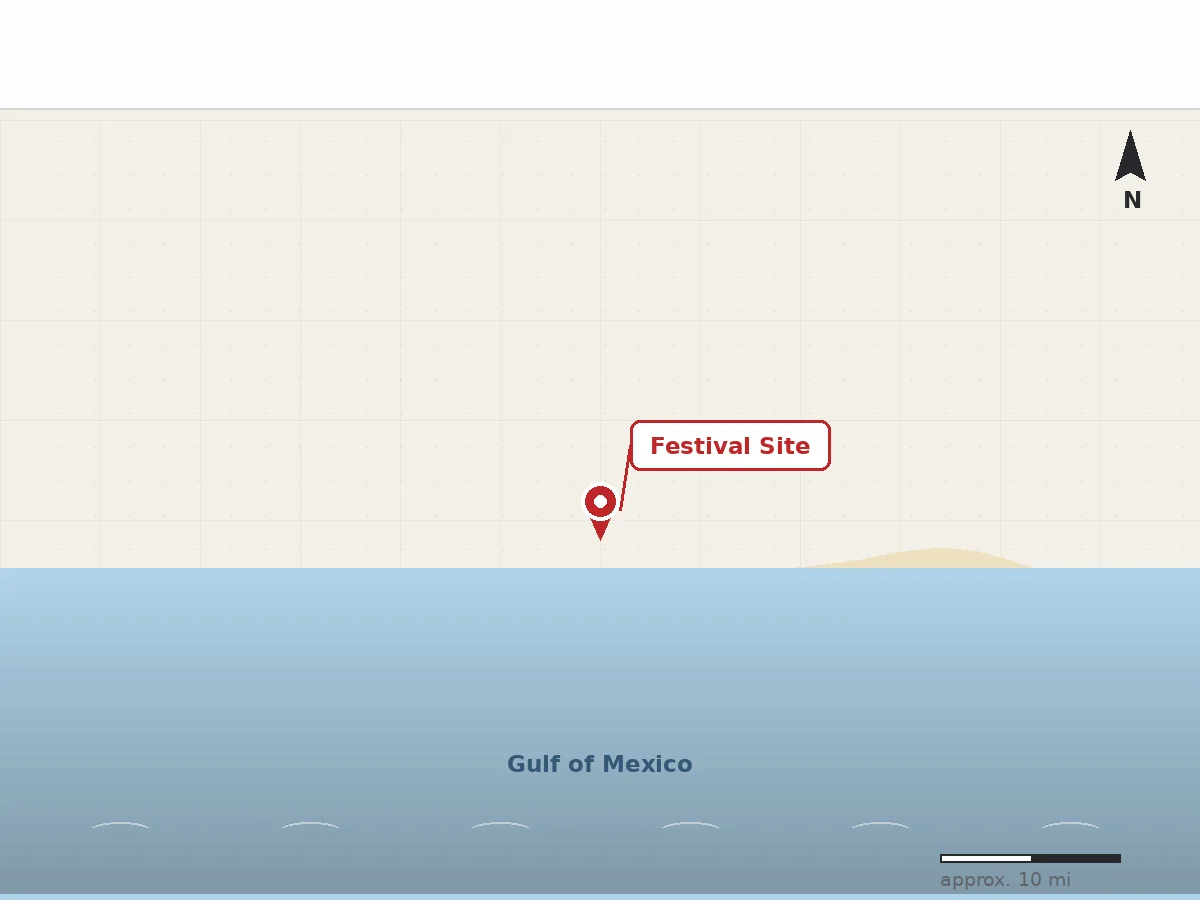
The Henry County Fair takes place on the fairgrounds in the Henry County area of southeast Iowa, with Mount Pleasant serving as the county seat and the closest hub for food, fuel, and lodging.
Henry County Fair Questions I Get Asked Every Year
When is the Henry County Fair usually held?
In most years it lands in July, which is standard for county fairs across Iowa. Because the schedule can shift, confirm the current dates through the fair’s own channels before you make travel plans. If you are local, plan on a hot, humid stretch of summer and build your day around the cooler hours.
Do you need to buy a ticket to get in?
Grounds admission is typically free, so you can walk in, watch the shows, and browse the barns without paying at the gate. You will spend money on food, midway rides, and any ticketed grandstand events. Bring small bills and set a loose budget before you arrive.
Is the fair good for young kids and older visitors?
Yes, and it is arguably built for them. The barns, small-animal exhibits, and exhibit halls give families a relaxed pace, while shaded seating and short walking distances make it manageable for grandparents. Bring a stroller or a wagon if you have toddlers, and plan your midway time for after dusk when it is cooler.
How far is it from the larger cities in the region?
Mount Pleasant and the fairgrounds sit within easy day-trip range of several regional hubs in southeast Iowa, which is why so many visitors come for an evening and drive home the same night. If you are coming from further out, staying overnight near Mount Pleasant turns the fair into a comfortable weekend rather than a rushed round trip.
Looking Ahead to Future Henry County Fairs
The fair’s future depends on the same things it always has: volunteers, youth participation, and local sponsors. Keeping the grounds in good repair, keeping grandstand nights fresh, and making the fair easy for a young family to attend are the priorities that will determine how the next decade looks. If you have never been, this is a good year to change that — and if you have been going for forty years, you already know the route by heart.
Last updated: October 2026
The Henry County Fair is not trying to be a destination festival, and that is exactly why it works. It is a summer evening in southeast Iowa, a county of 20,482 people showing up for its own kids, its own farmers, and its own food, and a grandstand full of neighbors watching the lights come on together. Go once and you will understand the smell at the gate; go twice and it becomes your calendar too.

One Comment