Henry County Indiana Mooreland Free Fair Festival
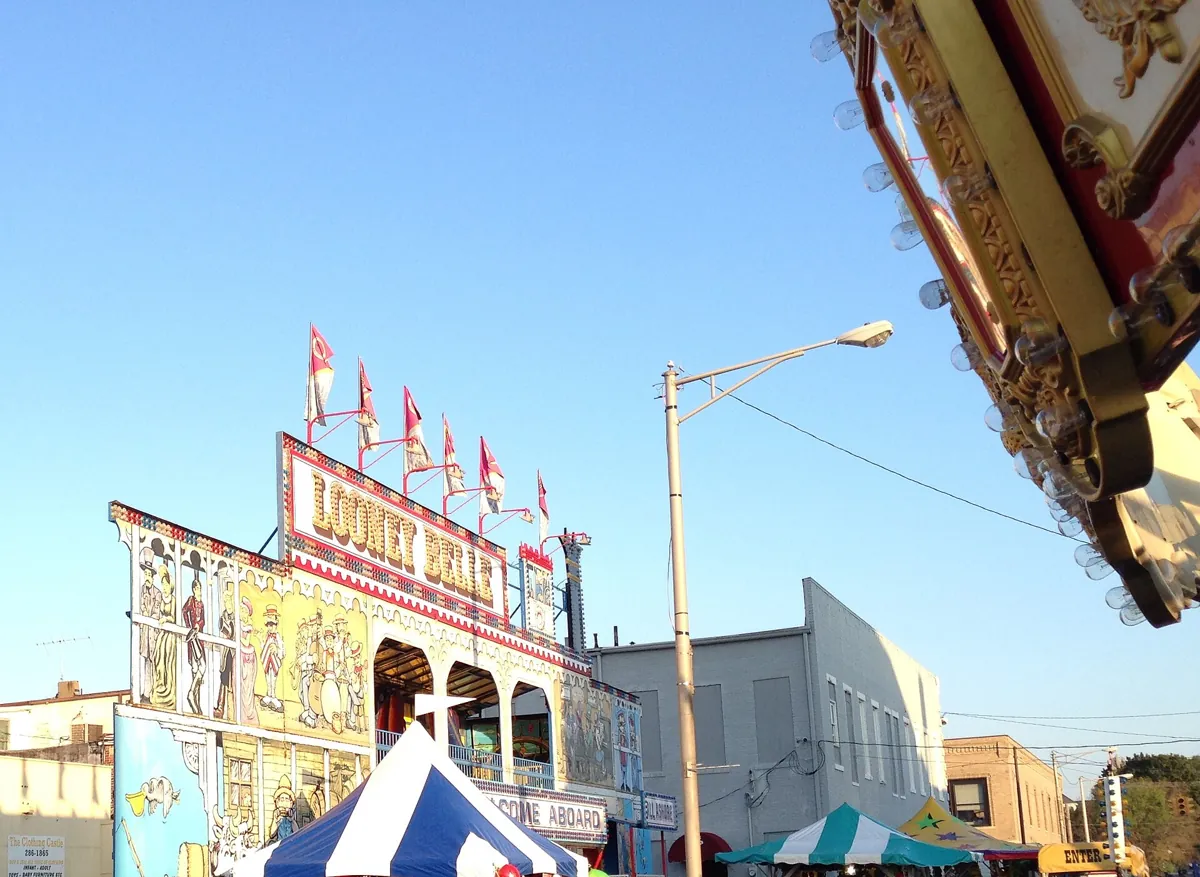
If you have never been to the Mooreland Free Fair, start with the detail that surprises most first-timers: nobody takes your money at the gate. This is a genuine Henry County summer fair — several consecutive days of food stands, exhibits, rides, and evening entertainment — and it runs on the old-fashioned premise that the surrounding community should simply be able to walk in and join the party.
That one fact reshapes how you plan a visit. There are no advance tickets to buy, no gate queue to beat, and no reason to schedule months ahead. What helps instead is a loose plan: when to arrive, where to park, which food stand to hit first, and how to stretch an evening into a full weekend without wearing out the kids or yourself.
Orienting Yourself: What the Mooreland Free Fair Actually Is
The Mooreland Free Fair is a small-town fair held in the Mooreland area of Henry County, Indiana, each summer across several consecutive days. Henry County sits in east-central Indiana, with New Castle as its county seat, and this fair is one of the county’s most recognizable warm-weather traditions — the kind of event where local families staff the food booths, teenagers work the game trailers, and grandparents claim the same folding chairs in the same spot year after year.
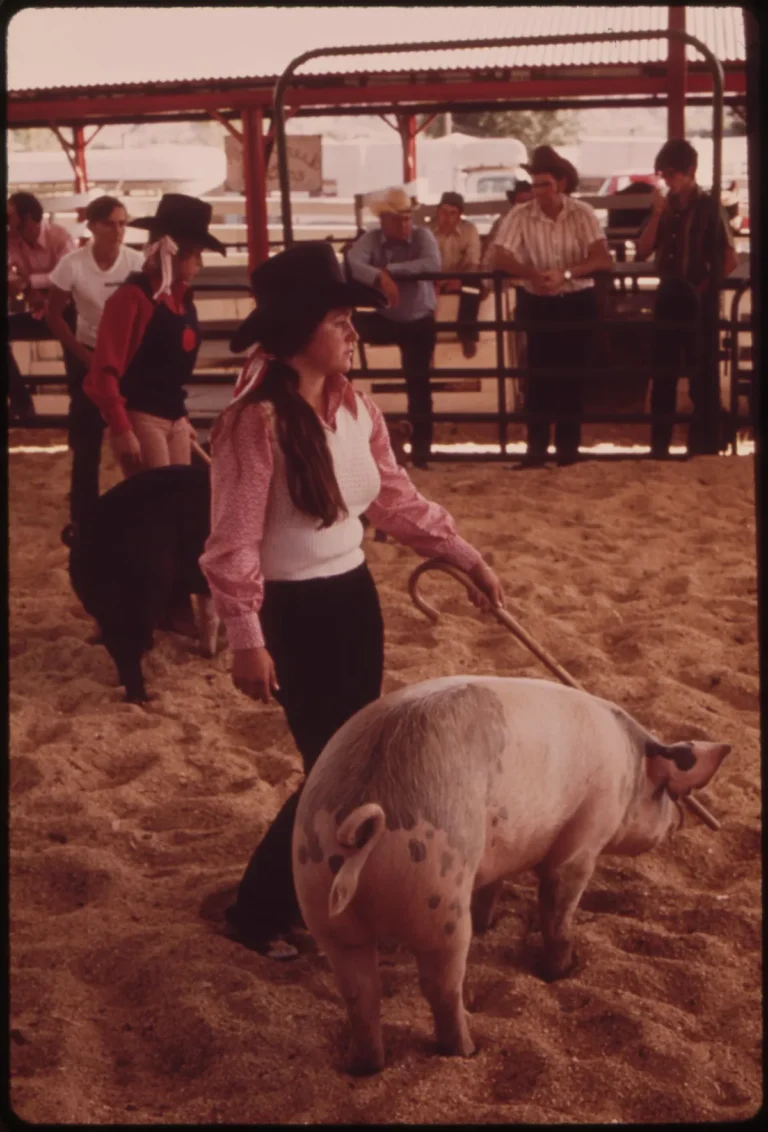
Structurally, it follows the shape of a classic Indiana fair. Picture a fairground with open space, buildings for exhibits and judging, a midway area with rides and games, and a grandstand or stage that anchors the evening. Exhibits usually include 4-H and open-class entries — livestock, vegetables, baked goods, crafts, and flowers — and the judging of those entries is often the quiet heart of the whole event, even if the midway gets the loudest attention.
The grounds are rural, flat, and walkable. You park, you walk in, and within a few minutes you can be eating a pork burger while watching whatever is happening in the arena that evening. Because admission is typically free, the crowd is unusually mixed: toddlers, teenagers moving in packs, retired farmers, and couples on a cheap date, all sharing the same gravel path.
For another look at how a community turns its own traditions into a gathering, see the Hendricks County Indiana Heartland Apple Festival for a useful comparison.
The most important thing to understand is the pace. Nothing here is built to be rushed. People arrive early to see the animals and the exhibit halls while the light is good, eat around dusk, and settle in for the evening’s program. Try to “do” the fair in ninety minutes and you will miss the entire point of it.
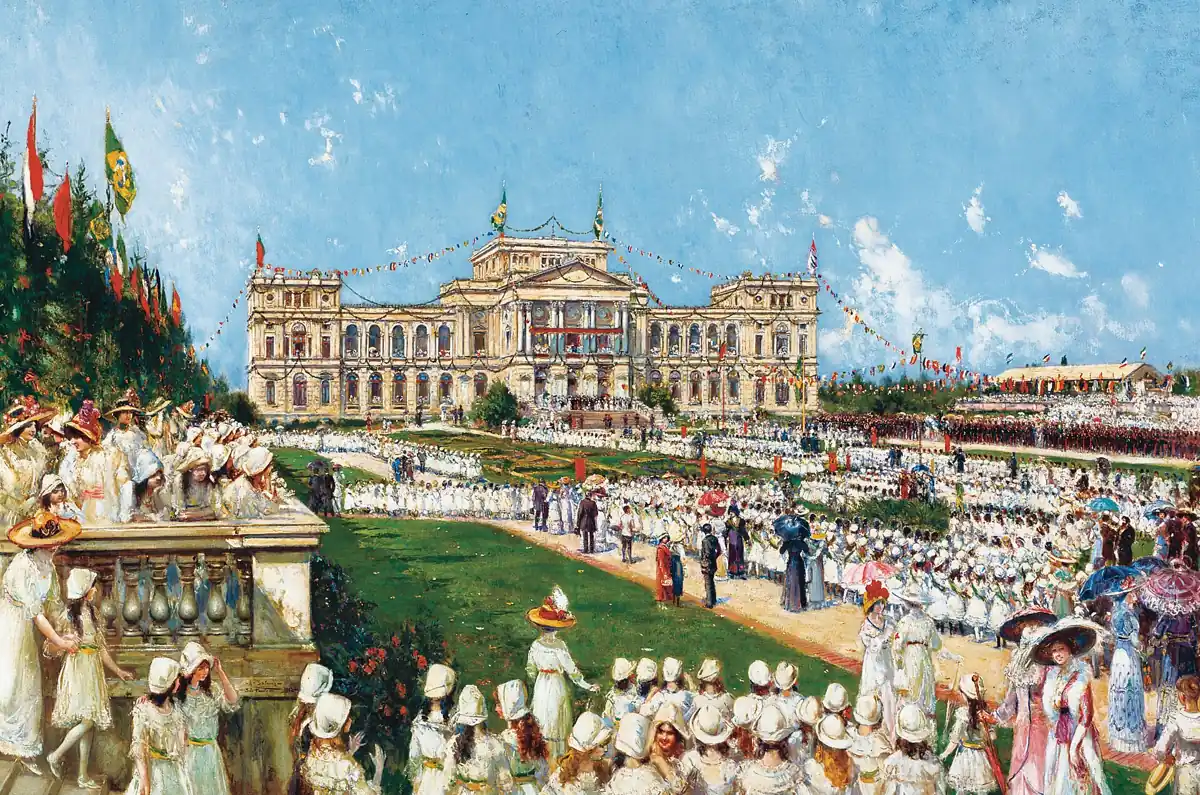
Mooreland Free Fair Facts Worth Knowing Before You Arrive
| Town / area | Mooreland, Henry County, Indiana |
| County | Henry County |
| County seat | New Castle |
| County population | 48,914 |
| County land area | 394.83 square miles |
| County founded | 1822 |
| Region | East-central Indiana |
| Typical timing | Summer, across several consecutive days |
| Admission | Typically free at the gate |
| Setting and features | Rural fairground with exhibit buildings, midway rides, food stands, and grandstand entertainment |
From Farm Fields to Fairgrounds: How Henry County Built a Fair Tradition
Henry County was founded in 1822, with New Castle established as the county seat, and its economy grew up around farmland — corn, soybeans, livestock, and the small towns that served them. Fairs like Mooreland’s belong to that world. Across Indiana, agricultural societies and township groups staged exhibitions of livestock, produce, and homemade goods, added a speaker’s stand and a handful of amusements, and gradually turned one-day shows into multi-day community institutions.
The Mooreland Free Fair carries that DNA, and its name advertises its philosophy. Where many fairs came to depend on admission revenue, this one held to the idea that the fair belongs to everyone in the neighborhood — and that visitors will spend inside the grounds on food, rides, and games instead of at the gate.
Over the decades the trappings changed. Electricity reached the grounds, rides grew larger, and entertainment shifted from brass bands to whatever the region happened to be listening to. The shape of the event barely moved: exhibits and animals in the afternoon, food and socializing in the evening, a grandstand show to close the night. When you pass a booth staffed by three generations of one family, or notice the same judge back for another season, you are watching a continuity far older than anyone on the grounds.
Fair Day Rhythms in Mooreland: Food, Evening Shows, and Family Time
A fair day here has a predictable arc, and knowing it lets you time your visit around the parts you care about most.
Eating Your Way Through the Mooreland Fairgrounds
Food is the main event for a lot of visitors, and the stands are typically run by churches, civic groups, and local clubs rather than outside vendors. Expect the Indiana fair canon: breaded tenderloins, corn dogs, burgers, fries, lemon shake-ups, elephant ears, and homemade pies and cakes sold by the slice. Church stands tend to be the sleeper hits — the lines are shorter early, the portions are generous, and the money goes back into the community. Eat before full dark if you want to avoid the longest queues, and bring some cash, since smaller stands appreciate it and card readers can be slow when a crowd arrives at once.
Grandstand Nights: Music, Contests, and Evening Crowds
Evening programming varies from year to year, but the pattern holds: live music, contests, and a grandstand event that draws the biggest crowd of the night. Seating fills quickly once the sun drops, so claim a spot before you settle in for dinner. Because the lineup changes annually, check local listings or ask at the fair office when you arrive rather than assuming a particular act or competition. Many first-timers end up enjoying the grandstand more than they expected — it is where the whole county sits down together.
Family Activities, Kids’ Contests, and Stroller-Friendly Corners
Families with young children tend to work the fair in a loop: animal barns first, then the exhibit hall, then rides, then food. Kids’ activities and contests are usually scheduled earlier in the evening, which suits bedtimes. The grounds are grass and gravel, so a stroller with larger wheels will serve you better than a compact one, and closed-toe shoes are the right call for everyone. Shade is limited in the middle of the day, so late afternoon arrival is easier on small children. Restrooms are typically available on-site, and the fairground layout is compact enough that you are never far from where you parked.
Planning a First Visit to Mooreland and Henry County
Getting There from New Castle and Across Henry County
Henry County covers 394.83 square miles of east-central Indiana, which means almost everywhere in the county is a short drive from the fairgrounds. New Castle, the county seat, is the most natural starting point for out-of-town visitors, and the roads in this part of the state are straightforward county highways and state routes rather than anything complicated. If you are coming from further afield, plan your route around a larger town and then follow local roads in — GPS will handle the last few miles fine, but expect the final approach to be rural.
Where to Sleep Around Henry County
Lodging in the immediate Mooreland area is limited, so most visitors who need a bed look toward New Castle or the surrounding region. Small-town motels, chain properties in nearby communities, and a handful of inns and rentals make up the realistic options. Book early during fair week, since the county’s summer calendar fills up, and consider staying a town or two away — the drive is short and the rates are often easier to find.
Parking at the Fairgrounds Without the Headache
Fair parking is typically on grass or gravel near the grounds, directed by volunteers, and free or by donation. The system works well until about an hour before the evening’s main event, when the closest rows fill and latecomers walk farther. Arriving before the dinner rush is the single best parking strategy. Follow the volunteer directions rather than inventing your own spot, and note where you came in — fairground rows look identical after dark.
Admission, Ride Tickets, and What a Night Out Costs
Admission to the Mooreland Free Fair is typically free, which is the whole idea behind the name. Your spending happens inside: food, games, rides, and any raffles or fundraisers run by local groups. Ride pricing generally comes as individual tickets or an armband-style option, and those details shift year to year, so confirm on arrival. A family can keep costs low by eating at the church stands, skipping the games, and treating the exhibits and grandstand as the free entertainment they are.
Summer Heat, Storms, and What to Wear
Indiana summers mean heat, humidity, and the occasional fast-moving evening storm. Dress for a farm field: light clothing, a hat, sunscreen, and shoes you do not mind getting dusty. Bring a light layer for after sunset, when the temperature drops quickly once the sun is down. If storms roll in, fairground activities may pause or shift, so have a flexible plan and a vehicle nearby rather than a strict schedule.
A First-Timer’s Weekend Itinerary for the Mooreland Free Fair
Day one, late afternoon: Arrive a couple of hours before dusk, park while the rows are still open, and walk the grounds once without buying anything. Get oriented — exhibit buildings, animal barns, midway, grandstand — then eat dinner at a church stand before the lines build.
Day one, evening: Stake out a grandstand seat early, spend the middle of the evening on rides or games with the kids, and finish with dessert and a slow walk past the exhibits after dark, when the fairground lights come on and the crowd thins.
Day two, morning into afternoon: Return earlier in the day if the schedule allows. Mornings are the best time for livestock barns and judging, when exhibitors are still on hand and happy to talk about their animals. This is also when you can actually see the exhibit hall entries instead of peering over shoulders.
Day two, evening: Use the second night for the things you skipped — a second food stand, the contests, a longer stay at the grandstand — and leave before the final rush out of the parking area. Two shorter visits beat one marathon day, especially with children.
Mooreland in Context: Nearby Towns and Other Henry County Gatherings
It helps to know where this fair sits in the local landscape. New Castle, the county seat, is the county’s largest community and the place to look for a wider choice of restaurants, grocery stops, and lodging — useful if you want to combine a fair visit with errands or a meal out. Smaller Henry County towns such as Knightstown, Middletown, Spiceland, and Sulphur Springs each have their own community calendars, and their summer events tend to be shorter and even more informal than Mooreland’s.
Compared with a big-city festival, the Mooreland Free Fair is quieter, cheaper, and far more locally rooted. Compared with a large county fair elsewhere in Indiana, it is smaller and easier to navigate in an afternoon. That middle ground is exactly its appeal: enough going on to fill a weekend, small enough that you will recognize faces by the second night.
Pack This, Know This: Mooreland Fairground Basics
| Cash in small bills | Smaller stands and games move faster with cash. |
| Sunscreen and a hat | Shade is limited across the grounds during the day. |
| Closed-toe shoes | Gravel, grass, and animal barns are hard on sandals. |
| A light layer for after dark | Temperatures drop quickly once the sun sets. |
| A tote bag | For exhibit purchases, baked goods, and kids’ prizes. |
| Patience at peak parking | Arriving before the dinner rush solves most of it. |
Beyond the Fairgrounds: Henry County Between Fair Days
If you are making the trip from outside the county, build in a little extra time. New Castle, the county seat, is the obvious anchor for a wider look at the area, with its own downtown and community events. The rest of Henry County is farm country — quiet roads, small town squares, and the kind of scenery that rewards a slow drive rather than a hurried one. A morning spent wandering county roads before an afternoon at the fair makes a full day of the trip, and it explains the agricultural roots that shaped the fair in the first place.
Why the Free Gate Still Matters to Henry County
In a county of 48,914 people spread across 394.83 square miles, gathering everyone in one place is not automatic. The fair does that work. It is where 4-H members learn to present their projects, where volunteer groups raise a year’s worth of funds in a few nights, and where neighbors who only wave from their trucks actually stop and talk. The free gate is not a marketing gimmick; it is a statement that the fair belongs to the whole county, not just the households that can afford a ticket. That is why the event has outlasted so many others like it.
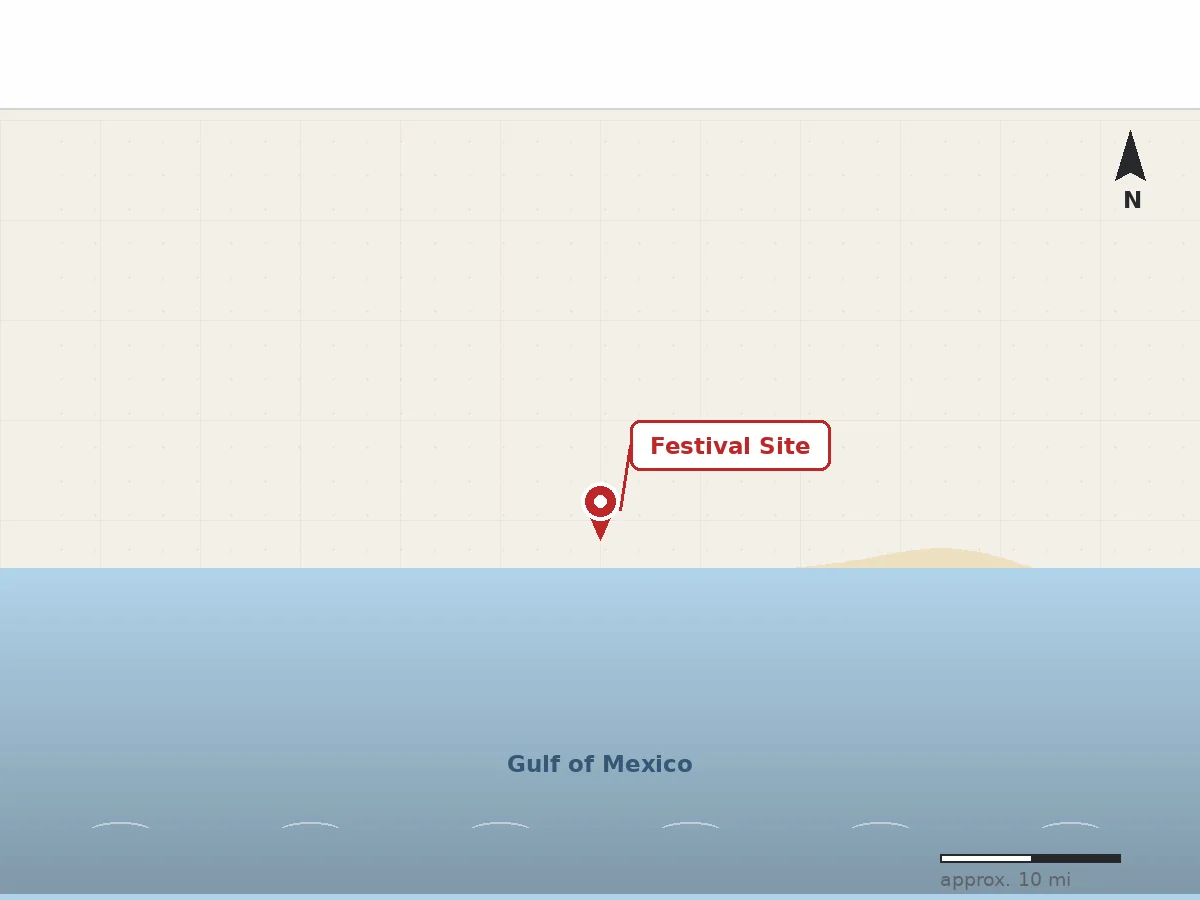
Where the Mooreland Free Fair Sits on the Map
The fair takes place in the Mooreland area of Henry County, Indiana, in the east-central part of the state, a short drive from the county seat at New Castle.
Mooreland Free Fair Questions From First-Timers
Is the Mooreland Free Fair really free to enter?
Yes — admission is typically free at the gate, which is the tradition the name refers to. You will still spend money if you want food, rides, games, or raffle tickets, and those purchases are what keep the fair running. Think of it as free entry with pay-as-you-go fun inside.
How long should a first visit last?
Two to three hours covers the exhibits, a meal, and a pass through the midway. If you want the grandstand show and a relaxed dinner, plan on a full evening. First-timers often return the next day, because the fair rewards a slower second look.
Is the fair suitable for young children and older visitors?
It is a good fit for both. The grounds are compact and mostly level, and the pace is gentle. Families with strollers should expect grass and gravel paths, and anyone with mobility concerns will find the layout manageable, though the terrain is unpaved in places.
Do I need to bring cash?
It is a smart idea. Larger stands may accept cards, but smaller church and club booths, game trailers, and raffles are usually easier with cash, and small bills keep lines moving. Bring more than you think you need for food, then stop when you hit your limit.
Looking Ahead at the Mooreland Free Fair
Community fairs survive on volunteers, and this one is no exception. As long as local families keep staffing the stands and exhibitors keep entering projects, the Mooreland Free Fair will keep filling its summer week in Henry County. For visitors, that means the essentials are unlikely to change: a free gate, a rural fairground, and an evening that ends with the whole county in one place.
Last updated: October 2026
If this is your first year, treat the Mooreland Free Fair the way locals do — arrive early, eat well, sit down for the evening show, and leave a little room to come back tomorrow. It is a small fair in a small county, and that is precisely what makes it worth the drive.

One Comment