Henderson County Kentucky Bluegrass in the Park Folklife Festival
Henderson gives its August riverfront over to two intertwined gatherings that share one name and one park. The Bluegrass in the Park Folklife Festival pairs a full weekend of stage bluegrass with a working display of older Kentucky folkways, and it does both in Audubon Mill Park in downtown Henderson, within sight of the Ohio River. The organiser’s own website, a city tourist commission layer, local newspaper layers and the official state visitor’s guide all print the full name, and a college library resource-guide layer carries a shorter variant, Bluegrass in the Park Festival. Newspaper coverage follows the event year by year through four consecutive recent editions, which makes this one of the more completely documented festivals in this part of the state.
About
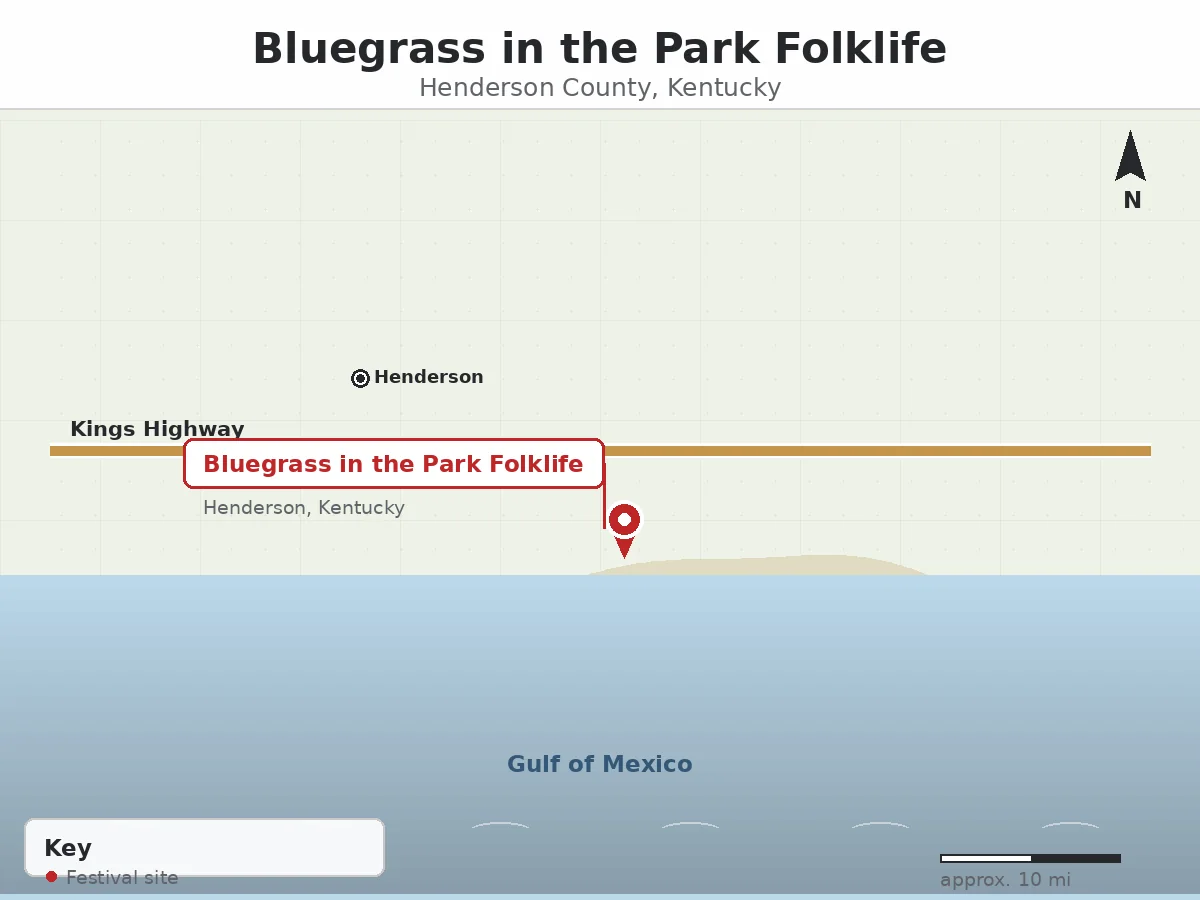
Henderson is the county seat of Henderson County, a status an encyclopedia layer on the city confirms, and the festival belongs to the town’s downtown rather than to a fairground on its edge. Audubon Mill Park sits in the downtown district overlooking the Ohio River, and every layer read places the event there. The name travels in several printed forms that are recorded here without being merged: the full Bluegrass in the Park Folklife Festival, the short form Bluegrass in the Park, a two thousand two newspaper styling of Bluegrass in the Park & Folklife Festival, and the resource-guide layer’s Bluegrass in the Park Festival.
The layers read stop short of printing any incorporated organiser name. Local newspaper layers instead describe the people who run it: a festival chair and a board-member organiser, a couple who were approaching their tenth festival in those roles by two thousand twenty-six, and they are referred to here by role only. The same newspaper layers credit Ken Christopher as the founder. The organiser’s own website prints telephone numbers and an email address for its chairs, together with a street address for the festival office; those details exist, but none of them is reproduced in this article. That approach of a tenth festival in the same two roles, reported for two thousand twenty-six, gives the event an unusual continuity of management for a gathering of its size, and the newspaper layers treat that continuity as part of the story rather than as background.
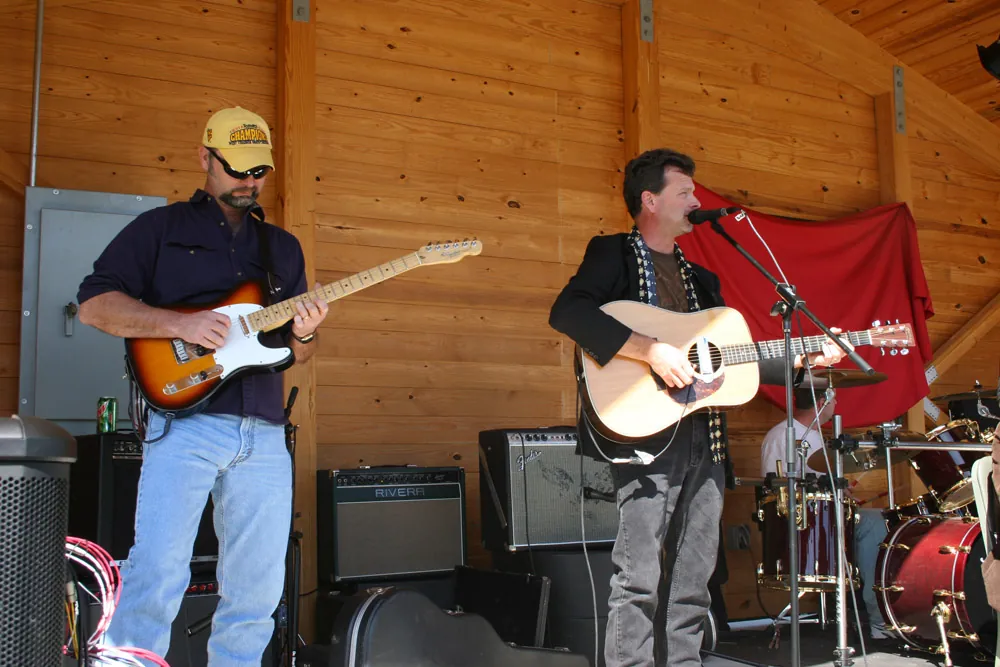
Two halves make the whole. One half is music: bluegrass bands on stage across both days of the weekend. The other half is folklife: exhibits, artisan demonstrations, narrative and folkways sessions, and activities built for children. A local newspaper layer explains that the folklife component was first organised with the help of the first manager of the Downtown Henderson Project, and the two halves have shared the park ever since.
Quick Facts
| Item | Detail |
| Published name | Bluegrass in the Park Folklife Festival |
| Host town | Henderson, Kentucky |
| County seat | Henderson is the seat of Henderson County |
| Venue | Audubon Mill Park, downtown Henderson |
| Setting | A riverfront park overlooking the Ohio River |
| Founder | Ken Christopher, per local newspaper layers |
| First started | Nineteen eighty-six, per a local newspaper account |
| Present home since | Nineteen ninety-eight, when the event moved to Audubon Mill Park |
| Admission | Free, with no tickets necessary, per the organiser’s own website |
| Recent documented editions | Two thousand twenty-three through two thousand twenty-six |
History
The founding story survives through a local newspaper layer, and it is a clear one. Ken Christopher started the festival in nineteen eighty-six. The following year he renamed it Bluegrass in the Park and booked its first big-name act, The Doug Dillard Band. A folklife festival was added alongside the music at some point in that early growth, bringing demonstrators and storytellers into a weekend that had begun as a concert gathering. In nineteen ninety-eight the festival moved to Audubon Mill Park, the downtown riverfront ground it still occupies.
For a useful comparison, see the Henderson County Kentucky Tri-Fest Festival for another county festival.
Later newspaper billings give the event a steady numbering, and those numbers are carried here strictly as billings. A local newspaper layer billed the two thousand twenty-four edition the thirty-eighth festival, the two thousand twenty-five edition the thirty-ninth, and the two thousand twenty-six edition the fortieth. A local magazine layer, writing about two thousand twenty-three, described that year as the thirty-seventh year of free admission. The numbers line up in sequence, but each belongs to the layer that printed it, and this account does not build anything further on them.
Read together, the billings and the founding account describe an event that began small, as one man’s renamed concert gathering, and grew a second identity when the folklife festival was added alongside the music; the layers do not date that addition, and this account leaves it exactly where the newspaper layer leaves it.
The oldest detailed programme in the record comes from two thousand two, when a local newspaper printed a full schedule of music and folkways sessions. That same schedule contains the one ticketed element anywhere in the record: an evening concert at a fine arts center, run as a separate fundraiser. It stands apart from the park event, where admission has stayed free, and it is not treated here as any kind of gate charge.
Henderson also holds a Handy Blues & Barbecue Festival in mid-June, according to an encyclopedia layer. That gathering is a different festival on a different weekend, and nothing about it is imported into this one.
What to Expect
Bluegrass fills the stage across both days, in the pattern the recent editions establish. The two thousand twenty-four weekend, billed as the thirty-eighth festival, featured the house band Kings Highway and The Little Roy and Lizzy Show, as a local newspaper layer reports. For two thousand twenty-five the same coverage published a music schedule in advance and named Wyatt Ellis among the performers. A visitor arriving for either day of a recent edition could count on a running stage programme rather than a single headline set.
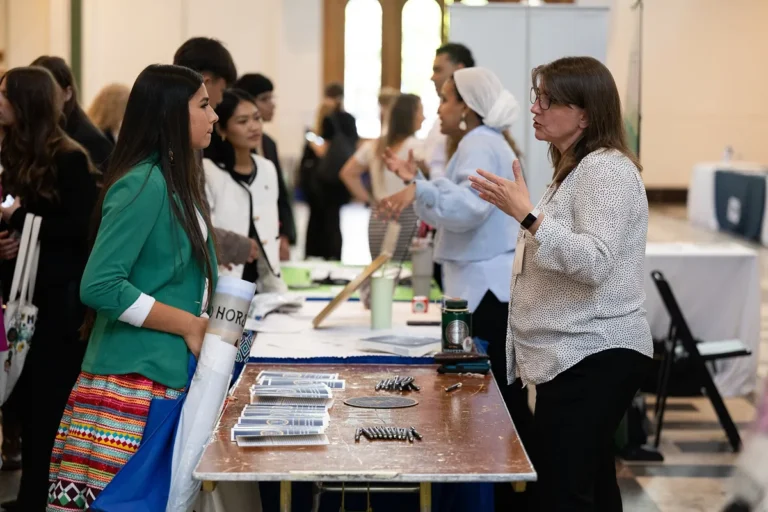
The folklife side works at a slower pace and rewards wandering. Exhibits and artisan demonstrations spread through the park, narrative and folkways sessions give speakers room to talk through regional traditions, and children get activities of their own rather than a corner of the adult programme. In two thousand twenty-six the Saturday folklife hours ran from ten in the morning to four in the afternoon, with artists, vendors, children’s interactive painting and rag doll making all listed by a local newspaper layer.
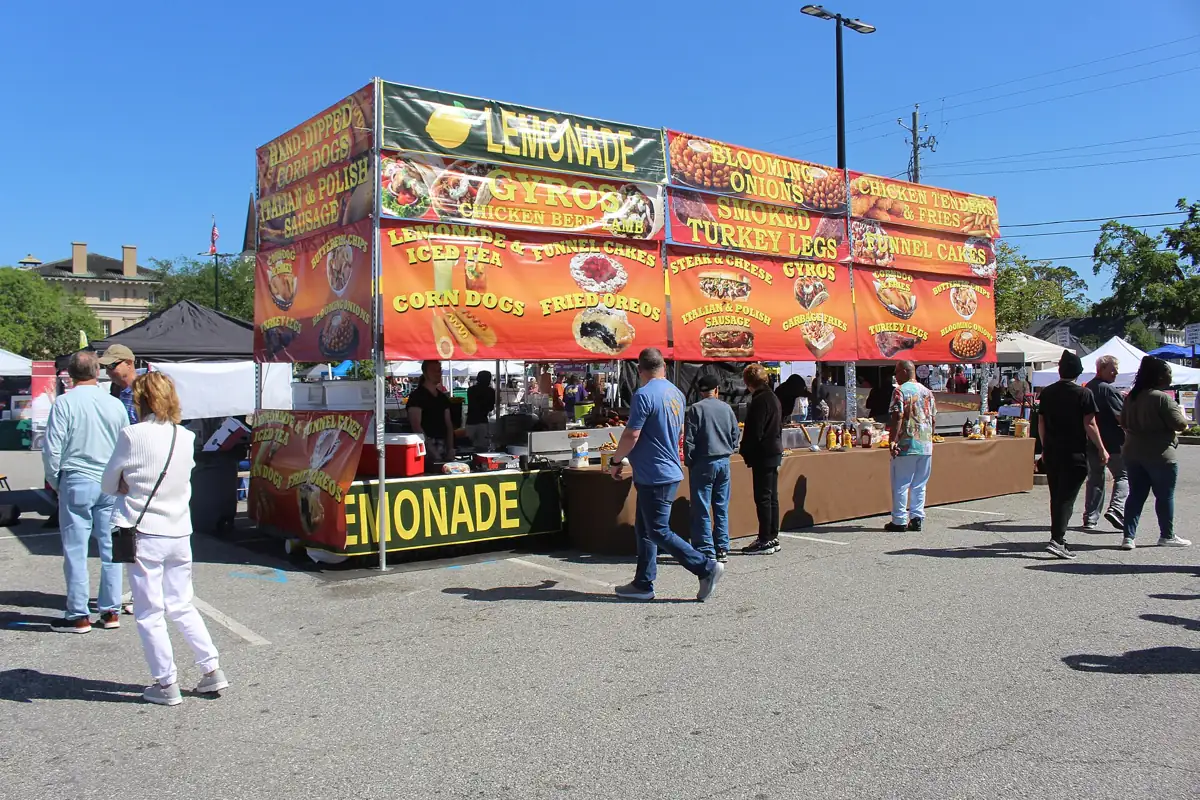
Food booths operate in the park during the weekend, a fixture mentioned in the two thousand twenty-four coverage alongside the children’s activities and folklife exhibits. The two thousand twenty-six edition also added a preliminary note of its own: an open jam session on the Thursday evening before the festival, held across from the park, where musicians could sit in ahead of the formal stage days.
The narrative sessions deserve a mention of their own. Folkways talks and storytelling sit inside the same ground as the demonstrations, so a visitor can move from a craft exhibit to a seated session without leaving the park, and the detailed two thousand two schedule shows that mixture was already established within a few years of the move to Audubon Mill Park.
Planning Your Visit
The documented editions all land on a Friday and Saturday in the first half of August, so the shape of the trip is simple. The eleventh and twelfth of August in two thousand twenty-three, the ninth and tenth in two thousand twenty-four, the eighth and ninth in two thousand twenty-five, and the seventh and eighth in two thousand twenty-six mark the recent run. Anyone planning around work should note that the main days are Friday and Saturday, not the full weekend, and the two thousand twenty-six jam session pulled the start back to Thursday evening for those who wanted it.
Money is the easiest part of the planning. The organiser’s own website states that all music and folklife events at Audubon Mill Park are free and that no tickets are necessary, and local newspaper and magazine layers bill the gathering the same way, counting it among the oldest free bluegrass festivals in the country. A visitor’s spending goes to food booths and vendors rather than to a gate.
Because the folklife activities in two thousand twenty-six were published with set Saturday hours, families may want to anchor the trip on that day and treat Friday as the music-heavy day. The park overlooks the Ohio River, so the setting itself is part of the visit, and downtown Henderson surrounds the ground for anyone arriving early or staying after the last set.
A Sample Itinerary
Arrive on Friday in time for the opening stage sets, settle onto the grass at Audubon Mill Park, and let the house band and guest acts carry the afternoon. Break for the food booths between sets, then stay into the evening while the river light fades behind the stage. If the edition repeats the two thousand twenty-six pattern and you arrive a day early, the Thursday-evening open jam across from the park offers a loose, informal first taste of the weekend’s music.
Give Saturday to the folklife ground. Work through the exhibits and artisan demonstrations during the published activity hours, sit in on a narrative session, and put children into the interactive painting or rag doll making while the stage programme continues nearby. Close the day with a final round of music before leaving downtown.
How It Compares
Most festivals in this catalogue rest on a single layer or a pair of listings; this one is followed by local newspaper coverage across four consecutive editions, with the organiser’s own website, a tourist commission layer and the state visitor’s guide behind it. Few events here combine a named stage tradition with a separately organised folklife programme that has its own documented origin. The free-admission standing also sets it apart: the organiser states it outright, the newspaper and magazine layers repeat it, and one magazine layer was already counting free admission in decades by two thousand twenty-three. Against that, the record holds no incorporated organiser name at all, and the running of the event is described through people and roles rather than through a company or a society.
Visitor Checklist
- Pick the Friday and Saturday of the documented August weekend and clear both days.
- Plan to arrive with no ticket in hand; the organiser’s site says none is needed.
- Bring cash or a card for food booths and folklife vendors.
- Aim children at the Saturday folklife hours for painting and rag doll making.
- Check whether the edition repeats the Thursday-evening open jam session.
- Leave time to walk the riverfront side of Audubon Mill Park between sets.
- Keep mid-June free of confusion: the Handy Blues & Barbecue Festival is a separate Henderson event.
Beyond the Park
Downtown Henderson is the natural extension of the visit, since the park sits inside it rather than outside the town. The Ohio River frontage gives the trip a second focus once the stage goes quiet, and the county seat’s streets hold the ordinary pleasures of a river town for anyone stretching the weekend. Travellers already crossing this corner of Kentucky for other August events can treat Henderson as a base, but the documented record here supports the festival itself as the reason for the journey, with the town as its frame.
Why It Matters
A free bluegrass festival that has run since the nineteen eighties, kept alive by named local organisers rather than a presenting company, is a piece of civic infrastructure as much as an entertainment listing. The folklife half gives the weekend a second purpose: it puts regional crafts, stories and hand skills in front of the same crowd that came for the music, and it has done so long enough for newspaper layers to treat both halves as one institution. The move to Audubon Mill Park in nineteen ninety-eight fixed that institution to the riverfront, and the fortieth billing in two thousand twenty-six shows it still holding its place on the town’s calendar. For folklife itself, the weekend offers something rarer than a stage: a recurring public slot where demonstrations and narrative sessions are billed as half the attraction, not as decoration around the music.
Frequently Asked Questions
Who founded the Henderson festival, and how did it begin?
Local newspaper layers credit Ken Christopher, who started the event in nineteen eighty-six, renamed it Bluegrass in the Park the following year and booked The Doug Dillard Band as its first big-name act.
What can children actually do during the folklife programme?
The two thousand twenty-six newspaper coverage lists children’s interactive painting and rag doll making among the Saturday activities, and earlier editions included children’s activities alongside the exhibits and food booths.
Does the Handy Blues & Barbecue Festival share this weekend?
No. An encyclopedia layer places that Henderson festival in mid-June, weeks away from this August event, and the two gatherings are entirely separate.
What happened at the gathering across from the park in two thousand twenty-six?
A local newspaper layer describes an open jam session held on the Thursday evening before the fortieth festival, across from Audubon Mill Park, as a preliminary to the two stage days.
What to Expect From the Next Henderson County Kentucky Bluegrass in the Park Folklife Festival
How often is Henderson County Kentucky Bluegrass in the Park Folklife Festival held?
The documented record shows an unbroken recent rhythm: editions in two thousand twenty-three, two thousand twenty-four, two thousand twenty-five and two thousand twenty-six, each billed in sequence by local newspaper layers, all falling in August.
When is the next Henderson County Kentucky Bluegrass in the Park Folklife Festival?
The layers read for this record run through the edition of the seventh and eighth of August two thousand twenty-six, billed as the fortieth, and they carry no date for a following gathering, so the next date would come from the organiser’s own announcements rather than from anything documented here.
Will the dates change?
They already drift gently. The recent editions moved from the eleventh and twelfth of August to the ninth and tenth, then the eighth and ninth, then the seventh and eighth, so a shift of a day or two within early August would match the pattern the record shows, even though the Friday and Saturday shape has held steady.
Closing
Henderson’s bluegrass weekend earns its place in the county catalogue on the strength of a long memory and a simple promise: two days of stage music and folkways in a riverfront park, free to walk into. With a founder the newspapers name, a chair and a board-member organiser approaching a tenth festival in their roles, and four consecutive editions documented in detail, the Bluegrass in the Park Folklife Festival stands as one of the best-attested events in this part of Kentucky.