Reno County Kansas Reno County Fair Festival
In south-central Kansas, Reno County stretches across 1,272 square miles of wheat ground, cattle pasture, and small towns, with Hutchinson as its county seat and roughly 61,898 people living here. Once a year, much of that agricultural world funnels into a fairground: barns full of livestock, exhibit halls lined with pies and preserves, and a midway where the smell of frying batter and smoked beef hangs over the crowd. The Reno County Fair is a Kansas county fair in the classic mold — and it is unmistakably a food event.
For visitors, the fair is a chance to eat the way the county eats, from local beef and sweet corn to homemade pie sold by the slice, while watching the young exhibitors who raised much of what ends up on the plate. What follows covers the food, the daily rhythms, and the practical details for planning a Reno County summer weekend.
Reno County Fair Essentials: Hutchinson, Kansas in Brief
| Town / area | Reno County, Kansas, centered on the Hutchinson area |
| County | Reno County, Kansas |
| County seat | Hutchinson |
| Population | 61,898 (2020 census) |
| Region | South-central Kansas |
| Typical timing | Summer; in most years a stretch of days in July or August |
| Admission | Gate admission is typically free; food, rides, and grandstand events are priced separately |
| Setting | Open-air fairgrounds with barns, exhibit halls, a midway, and grandstand seating |
| Features | Livestock shows, youth exhibits, carnival rides, food stands, grandstand entertainment |
| Organizer | Volunteer fair board and local community groups |
How the Reno County Fair Fills Hutchinson’s Summer Calendar
The Reno County Fair is the county’s annual gathering, held each summer — in most years during the July and August stretch when Kansas county fairs take over fairgrounds from the Missouri River to the high plains. Gate admission is typically free, which makes the fair an easy stop for families; the money tends to go toward food, rides, and grandstand events instead. Expect open-air barns, an exhibit hall, a midway, and grandstand seating, all within easy walking distance of one another.
The fair is also a working showcase of what Reno County grows and cooks. This is wheat and cattle country, and the food reflects it: beef from area herds, produce from garden plots, baked goods from kitchens that have refined the same recipes for generations. Youth exhibits and open-class entries put those skills on public display, so the food here is not an afterthought but the thread running from the barn to the concession stand.
Reno County’s Fair Tradition, Rooted in an 1867 County
Reno County was founded on February 26, 1867, and named for Jesse Reno. Hutchinson grew into the county seat and the commercial center for a sprawling 1,272-square-mile county, and as farms multiplied, so did the need for a public place where growers, breeders, and cooks could compare notes.
For another look at how a community turns its own traditions into a gathering, see the Rawlins County Kansas Rawlins County Fair Festival for a useful comparison.
Kansas county fairs grew out of that same post-Civil War settlement wave. They began as agricultural exchanges — a way to test seed varieties, show off bloodlines, and settle friendly arguments about whose tomatoes were better — then gradually became the social calendar’s centerpiece as bandstands, carnival rides, and grandstands were added.
The Reno County Fair carries that lineage. Its food competitions and concession stands amount to a living record of the county’s table: the pies, preserves, casseroles, and smoked meats families have carried from farm kitchens into town. Even the midway sits downstream of the same agricultural economy that built the county.
Tasting Your Way Through the Reno County Fair
A fair day here has a rhythm. Mornings belong to livestock and coffee. Afternoons are for exhibit halls, rides, and shade. Evenings bring the grandstand crowd and the longest food lines. Plan around your appetite.
Fair Food: Funnel Cakes, Kansas Beef, and Prize Pies
The concession row is where most visitors start. Expect the fair classics — corn dogs, funnel cakes, kettle corn, lemonade, smoked sausage, pulled pork, brisket sandwiches, hand-cut fries, and soft-serve. Civic and church groups typically run the heartier stands, serving plate dinners, chili, walking tacos, homemade ice cream, and pie by the slice. Inside the exhibit hall, the real show is the food competition: quick breads, layer cakes, cookies, jams, pickles, and decorated cupcakes displayed in glass cases, often with judges’ comments pinned alongside. Some years, baked goods go to auction after judging.
Music, Grandstand Nights, and Local Entertainment
Evening grandstand programming usually leans into what plays well in a rural county — tractor pulls, demolition-style events, rodeos, and live sets from regional bands. Elsewhere on the grounds you may find talent shows, karaoke, pageants, and bingo. Schedules shift from year to year, so pick up a fair program at the gate and plan your evening around it.
Family Activities from Barn Tours to the Midway
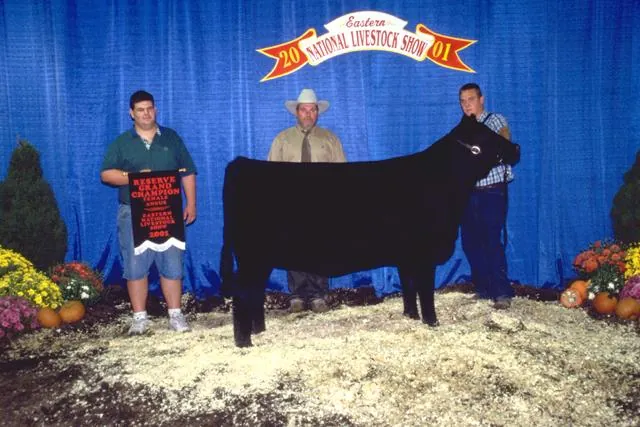
Livestock barns are generally open to walk through, and watching sheep, goats, cattle, and swine get washed and fitted is half the entertainment. Add petting areas, pedal tractor pulls, craft exhibits, and carnival rides sized for small children, and a family can fill an entire day. Afternoons are calmer and easier for strollers; evenings are loud, crowded, and fun.
Planning a Reno County Fair Trip Around Hutchinson
Hutchinson anchors the county, and most fair logistics run through it.
Getting to Hutchinson and the Fairgrounds
Hutchinson sits in south-central Kansas, roughly an hour’s drive northwest of Wichita along the region’s main highway corridor. Wichita’s airport is the nearest major commercial airport. Once you are in town, fairground signage and local traffic patterns lead the way, and a navigation app helps first-timers find the right gate.
Where to Stay in and Around Reno County
Hutchinson holds the county’s largest concentration of hotels and motels, from national chains to independent properties. Campers often base at area lakes and campgrounds, including those around Cheney Reservoir, then drive in for the evening. Book early during fair week, when rooms tighten up quickly.
Parking and Getting Around the Fair
Fairground parking is generally in open lots with attendants directing traffic, so arriving before the dinner rush saves time. Lots can be grass, so after summer rain, wear shoes you don’t mind getting muddy. Once inside the gates, everything is walkable.
Admission, Costs, and What to Budget
Gate admission is typically free, which keeps the fair accessible for families. Budget instead for food, carnival rides, games, and grandstand tickets, which are priced separately. Bring some cash, since smaller stands may not take cards, and expect midway prices to run higher than town prices.
Reno County Weather and What to Bring
Kansas summers are hot, humid, and occasionally stormy. Daytime highs in the 90s are common, with cooler evenings. Bring water, sunscreen, hats, and a light rain layer. If a thunderstorm rolls through, barns and exhibit halls become the shelter of choice, and the fair adjusts as conditions require.
A Sample Fair Weekend in Reno County, Meal by Meal
Day one — arrival evening. Roll into Hutchinson in the late afternoon, walk the exhibit hall before dinner, then eat your way down the concession row: smoked sausage or a brisket sandwich, sweet corn, and a lemonade. Catch the grandstand event, then finish with pie and coffee before the grounds close.
Day two — the full fair day. Breakfast in town, then head to the livestock barns mid-morning while they are still quiet. Lunch comes from a civic-group stand. Spend the afternoon on rides, exhibits, and ice cream, then join whichever dinner line is longest — it is usually barbecue for a reason. Live music and carnival lights carry you to a bag of kettle corn for the walk back.
Day three — slow finish. Sleep in, then return for open-class exhibits and any livestock sale. Your last fair meal should be something you have not tried yet: a funnel cake, a slice of the pie that won a ribbon, or one more plate from the stand you skipped.
How the Reno County Fair Compares With Nearby Kansas Options
Hutchinson also hosts the Kansas State Fair in September, a much larger event with big-name concerts, national vendors, and crowds that dwarf a county fair. The Reno County Fair is the smaller, more local counterpart — same agricultural DNA, shorter lines, and a food scene rooted in church stands and youth kitchens rather than national concessionaires.
Elsewhere in the region, Harvey County and its seat at Newton run their own summer fair traditions, while Wichita offers year-round food festivals and public markets. Smaller Reno County communities such as Buhler, Haven, Nickerson, and South Hutchinson hold local celebrations at various points in the year. Together they form a summer circuit for anyone who plans trips around fair food.
Beyond the Fair: Hutchinson and Reno County’s Wider Table
Hutchinson rewards a longer stay. The city’s salt-mining history, its space museum, and its underground salt attraction draw visitors year-round, and Cheney Reservoir offers water, camping, and fishing west of town. For a food-forward trip, add a stop at a local bakery, butcher shop, or small diner between fair visits.
Reno County’s food identity is agricultural at the root: wheat, grain sorghum, cattle, and garden produce. Farmers markets and small-town cafés around the county tell that same story in a quieter setting — a good counterpoint to the noise of the midway.
What the Fair Means to Reno County’s 61,898 Residents
With a 2020 census population of 61,898 spread across 1,272 square miles, Reno County is large enough to support a real fair and small enough that the fair still feels like a reunion. Volunteers staff the gates, judge the pies, and run the stands. For exhibitors, a ribbon is public validation of a year’s work; for everyone else, it is a chance to see neighbors.
The fair also keeps a rural-urban connection alive in a county anchored by Hutchinson. Town families meet the animals and the people who raise them; farm families get an audience. Food is the shared language between them.
A Reno County Fair Day Checklist
Pack a refillable water bottle, sunscreen, hats, and comfortable shoes. Bring cash for smaller stands and tip jars. Check the fair program or local listings for the day’s grandstand schedule before you go. Arrive before the dinner rush if you want easy parking. Plan a meeting point in case your group splits between the midway and the livestock barns. Charge your phone, but expect to spend more time looking at barns than at a screen — and leave room for at least one thing you did not plan to eat.
Where the Reno County Fair Sits in South-Central Kansas
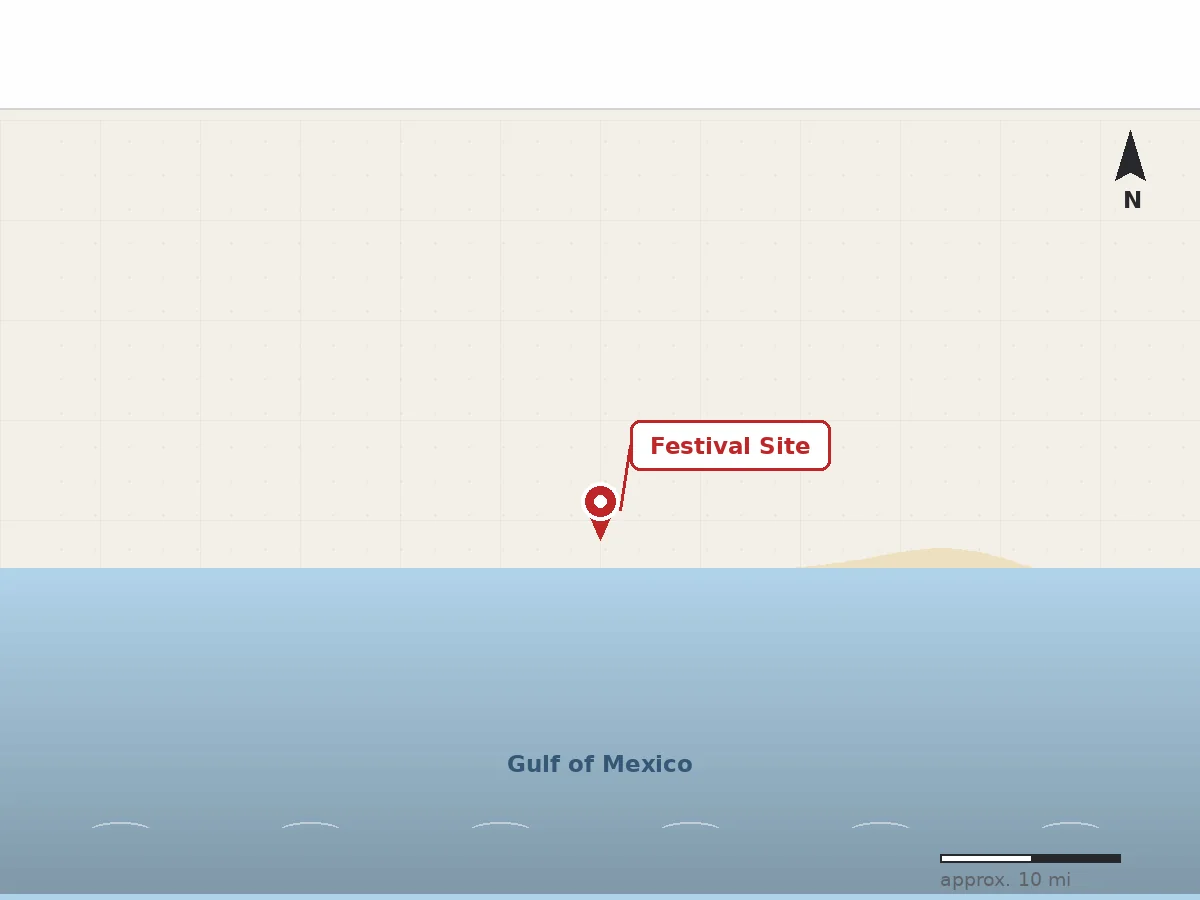
The Reno County Fair takes place in the Hutchinson area of Reno County, Kansas, in the south-central part of the state, roughly an hour northwest of Wichita.
Reno County Fair Questions, Answered
Is admission to the Reno County Fair free?
Gate admission is typically free, so you can walk the grounds without buying a ticket. Food, carnival rides, games, and grandstand events are priced separately, and that is where most of a fair budget goes.
When is the Reno County Fair held?
It is a summer fair, held in most years during the July and August window when Kansas county fairs take place. Exact dates shift from year to year, so confirm with local listings before you travel.
What fair food should I not miss?
Start with whatever the civic groups are serving — pie by the slice, homemade ice cream, chili, or a full plate dinner. From the concession row, the usual stars are smoked sausage, brisket, funnel cake, kettle corn, and lemonade.
Is the fair a good outing for young children?
Yes. Livestock barns, petting areas, and kiddie rides make it family-friendly, and afternoons are calmer than evenings. Bring water and sun protection, and keep an eye on the sky during storm season.
The Next Chapter for the Reno County Fair
County fairs everywhere are adapting — to changing farm numbers, rising costs, and competition for a family’s weekend. Reno County’s advantage is its agricultural base and the volunteer culture that keeps the fair running. Expect the fundamentals to hold: livestock, exhibits, a midway, grandstand nights, and food that tastes like the county. As long as there are pies to judge and cattle to show, the fair will have a reason to open the gates.
Last updated: October 2026
Go hungry, walk the barns before the crowds arrive, and let the longest line tell you where to eat. The Reno County Fair is at its best when you treat it as both a county reunion and a long, slow meal.
One Comment