Hancock County Illinois Taste of Hancock County Festival
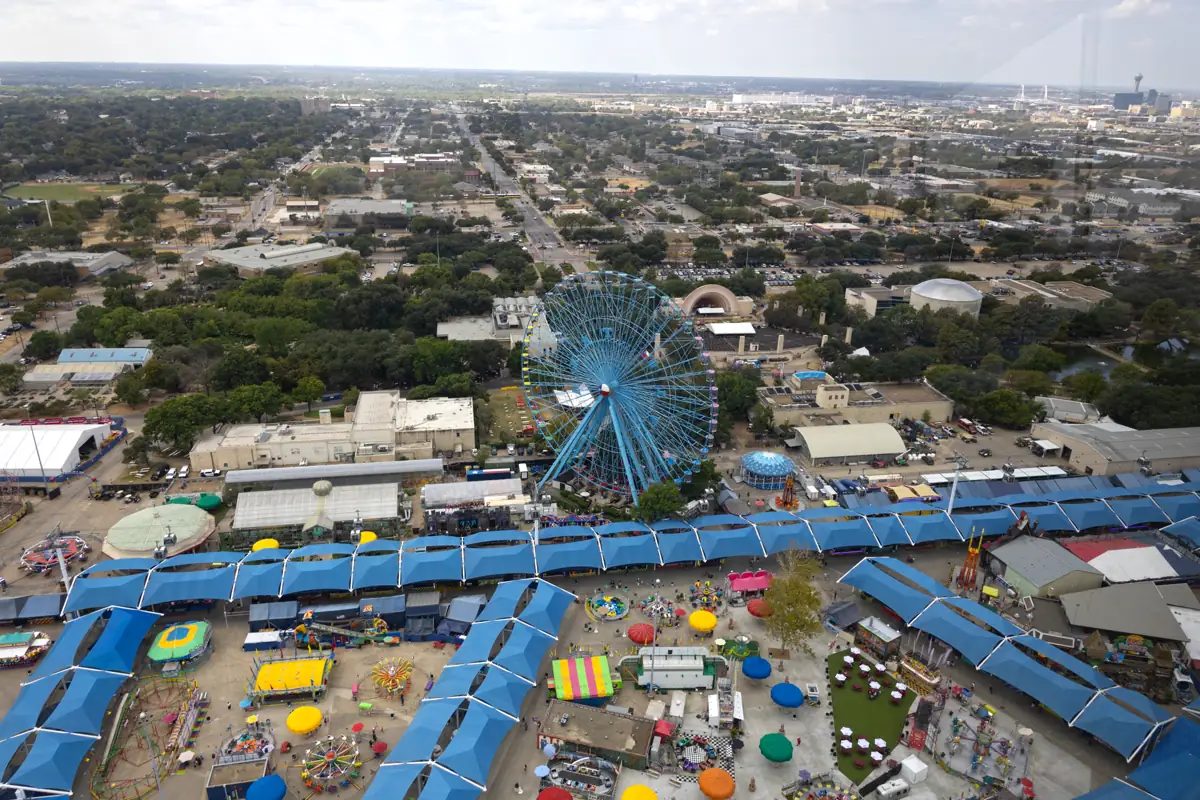
Taste of Hancock County is the kind of festival that only makes full sense once you have driven the two-lane roads that stitch western Illinois together. Hancock County spreads across 814 square miles of farmland, river bluffs, and small towns, with Carthage serving as county seat since the county was founded in 1825. For one weekend, the Taste pulls that whole spread into a single walkable gathering of food, music, and neighbors.
This guide is written for the first-time visitor. It covers what the festival is, how a day there tends to unfold, where to sleep, what to bring, and how to turn the trip into a full weekend across the county.
Taste of Hancock County Essentials for First-Time Visitors
| Town / area | Hancock County area, western Illinois |
| County | Hancock County, Illinois — founded 1825, 814 square miles |
| County seat | Carthage |
| Population | Rural and small-town; residents cluster in Carthage and the county’s smaller communities |
| Region | West-central Illinois, near the Mississippi River |
| Typical timing | Usually a weekend in late summer or early autumn |
| Admission | Typically free to enter; food and drinks sold by vendors |
| Setting | Open-air, small-town streets and park space |
| Features | Local food vendors, live music, family activities, community groups |
| Organizer | Coordinated by community and civic groups from across Hancock County |
What the Taste of Hancock County Actually Is
Strip away the promotional language and the Taste is a community food festival: a collection of tents, tables, and grills set up by people who all live within a short drive of one another. Expect church groups, farm families, local restaurants, service clubs, and school organizations cooking what they are known for locally — smoked meats, casseroles, pies, sweet corn in season, and the sort of desserts that win ribbons at county fairs.
The layout is open-air and easy to walk. Vendors ring a central area with picnic seating, and a small stage carries live music through the afternoon and into the evening. Because Hancock County is rural, the crowd mixes year-round residents, families visiting from nearby towns, and travelers moving along the Mississippi River corridor.
Scale matters here. This is not a mega-festival with endless queues and wristbands for everything. Most visitors can walk the entire grounds in an afternoon, eat well, and still have time for a drive to Carthage or down to the river. Admission is typically free, with food and drinks sold individually.
For another look at how a community turns its own traditions into a gathering, see the Hancock County Illinois Hancock County Fair Festival for a useful comparison.
From an 1825 County Seat to a Shared Local Table
Hancock County was organized in 1825, and Carthage became its county seat — a role it still holds. The county’s 814 square miles run from Mississippi River bottomland on the west to some of the most productive corn and soybean ground in Illinois. Food has long been the county’s common language: harvest dinners, church suppers, and county fair stands.
The Taste grew out of that habit rather than from any single grand plan. Communities across the county had hosted their own dinners and food-focused fundraisers for generations, and a countywide tasting event was a natural next step — one place where cooks from Carthage, the river towns, and surrounding townships could set up side by side.
That history shows in what gets served. Recipes tend to be family ones, scaled up for a crowd, with ingredients sourced as locally as the season allows. The event also works as a reunion, since in a county this size most vendors recognize a good share of the people walking past their tables.
What a Day at the Taste of Hancock County Feels Like
A festival day has a rhythm: a quiet late morning as vendors set up, a busy lunch rush, a relaxed mid-afternoon lull, and a second surge in the evening when the music picks up. Plan around that rhythm and you will avoid the longest lines.
Food: What Hancock County Cooks Best
Pulled pork, smoked beef, brats, and fried favorites anchor most menus, alongside seasonal sweet corn, garden salads, and casseroles that taste like a church basement in the best way. Pie slices, cobblers, and homemade ice cream are the usual finish. Vendors often include at least one lighter or meatless option, and portion sizes range from snack-sized to full plate. Some stands accept cards, but cash moves faster.
Music and Entertainment on the Stage
Entertainment leans local: country and bluegrass combos, acoustic sets, classic rock covers, and school or community groups taking the stage earlier in the day. The evening slot usually draws the biggest crowd, so claim a spot early if you want to sit. Seating is limited, and many regulars bring their own lawn chairs. Raffles and announcements fill the gaps between sets.
Family Activities for Kids and Grandparents
Family programming is deliberately simple: games, face painting, craft tables, and farm equipment displays that kids can climb on under supervision. 4-H and school groups often run demonstrations. The grounds are stroller-friendly, shade is usually available, and restrooms are set up on site. Grandparents will find plenty of benches and familiar faces.
Planning Your Trip to the Hancock County Area
Getting There: Routes Into the County
U.S. 136 crosses Hancock County east to west through Carthage, making it the simplest reference point for out-of-town drivers. River towns along the Mississippi are reached by state routes that follow the bluff line. Larger regional approaches come from Quincy to the southwest and Macomb to the east. Fill your tank before you leave the bigger towns; services thin out fast on county roads.
Where to Stay Near the Festival
Lodging inside the county is limited to small motels, inns, and a handful of bed-and-breakfast or cabin options, so book well ahead for festival weekends. The larger hotel inventories sit in Quincy to the south and in Iowa river towns to the north, both of which make easy day-trip bases. Campers should look at area parks and recreation sites and confirm availability directly.
Parking and Getting Around the Grounds
Street parking and nearby lots usually absorb the crowd, with volunteers directing traffic at peak times. Arrive before the lunch rush if you want a short walk. Carpooling helps, and once you park, everything is walkable. Rideshare coverage in rural Illinois is thin, so plan to drive yourself or travel with someone who is.
Admission, Food Costs, and Money
Entry is typically free, which means your budget is really a food budget. Expect modest prices set by local vendors, with smaller portions priced for sampling so you can eat across several stands. Bring cash as a backup, since not every booth has a card reader and small-town ATMs can be scarce on a busy Saturday.
Weather and What to Wear
Late summer and early autumn in west-central Illinois means warm afternoons, cooler evenings, and a real chance of rain. Dress in layers, bring a light rain jacket, and pack sunscreen, a hat, and a refillable water bottle. A folding chair and a blanket make the evening music far more comfortable. Check the forecast the morning you go.
A Sample Weekend Built Around the Taste
Arrive Saturday late morning, park once, and walk the grounds before the lunch crowd thickens. Eat your way through two or three stands, then spend the early afternoon driving into Carthage for the courthouse square and a look at the town’s historic buildings. Come back for the evening music with a lawn chair and a dessert you saved room for.
Sunday is for the wider county. Head toward the Mississippi for river views and the historic river towns, then loop back through farmland on the county roads. Stop at a farm stand or bakery on the way. If the festival runs a second day, return for a late lunch before you drive home.
How the Taste Compares With Nearby Celebrations
Nauvoo, also in Hancock County, draws visitors with heritage and harvest-themed events tied to its restored historic district — a more tourism-driven experience with a heavier out-of-state crowd. Quincy, a short drive southwest, offers larger city festivals with bigger entertainment lineups and more nightlife around them. Traditional county fairs in the region bring carnival rides and livestock shows.
The Taste sits between those poles. It is smaller and food-first, free to enter, easy to park at, and rooted in the county rather than built for visitors. If you want a big production, go to Quincy. If you want to understand how Hancock County actually eats, come here.
Your Pre-Trip Checklist for the Taste of Hancock County
Pack cash and a card; bring a folding chair or blanket; wear layers and comfortable shoes; carry sunscreen, a hat, and water; charge your phone and download an offline map, since rural signal varies; fill the gas tank before leaving the larger towns; bring a cooler if you plan to buy baked goods or produce; and confirm the weekend’s schedule locally before you drive, because small festivals adjust details year to year.
Beyond the Festival: Carthage, Nauvoo, and the River Road
Carthage rewards a slow walk, with a courthouse square, historic architecture, and small shops that are easy to miss at highway speed. Nauvoo, on the river, offers a restored historic district and waterfront views that make a natural half-day trip. The Mississippi River road through the county delivers bluff overlooks and quiet backwaters.
Between those anchors, Hancock County is farmland and small towns: antique stores, diners, farm stands, and recreation areas where you can fish, hike, or simply sit still. Give yourself an extra half-day and the county will fill it without much planning.
What the Taste Means to Hancock County
In a county with no major city and a population spread thin across 814 square miles, a shared event does real work. The Taste gives small food vendors a market, raises money for churches and civic groups, and puts farmers and town residents in the same field for an afternoon. It is also a homecoming date — the weekend people who moved away plan a visit around.
Where the Taste of Hancock County Happens
The festival takes place in the Hancock County area of western Illinois, with Carthage, the county seat, as the main reference point for travelers arriving on U.S. 136.
Taste of Hancock County: Visitor Questions
Is there an admission fee?
Admission is typically free. You pay only for what you eat and drink, plus any raffle tickets or craft purchases you choose. That structure keeps the event accessible for families and means you can stop in for an hour without committing to a full day.
When is the festival usually held?
It generally falls on a weekend in late summer or early autumn, which lines up with the local harvest and with comfortable outdoor weather. Because the date can shift from year to year, check current local listings before you plan travel.
Is it a good outing for young children?
Yes. The grounds are walkable, the activities are geared toward families, and there is space to move around without crowds pressing in. Bring a stroller if you have a toddler, and expect the usual small-town pace rather than a packed midway.
Do I need to bring cash?
Bring some. Many vendors handle cards now, but cash is quicker and always accepted, and it saves you a hunt for an ATM in a county where machines are not on every corner. Small bills make sampling across several stands much easier.
Looking Ahead for the Taste of Hancock County
The festival’s future rests on the same things that built it: local cooks, volunteer organizers, and a county willing to show up. Growth is likely to stay modest and deliberate, with room for more vendors, more local music, and better family programming rather than a push toward big-ticket entertainment. For visitors, that means the experience should remain what it is now — affordable, walkable, and genuinely local.
Last updated: October 2026
If you are planning a trip through western Illinois, put the Taste of Hancock County on the calendar and give yourself an extra day. Come hungry, bring a chair, and leave time for the back roads between Carthage and the river — that combination is the real reason people return.
One Comment