Hall County Nebraska Nebraska State Fair Festival
Most county titles point to a fair that belongs to one county. This one points to a fair that belongs to a whole state. The Nebraska State Fair is the event named here, and its home is Fonner Park in Grand Island, the Hall County seat — a state occasion of eleven days, run by the Nebraska State Fair Board, filling the county’s best-known grounds from late August through Labor Day. The fair is Nebraska’s; the ground it stands on is Hall County’s.
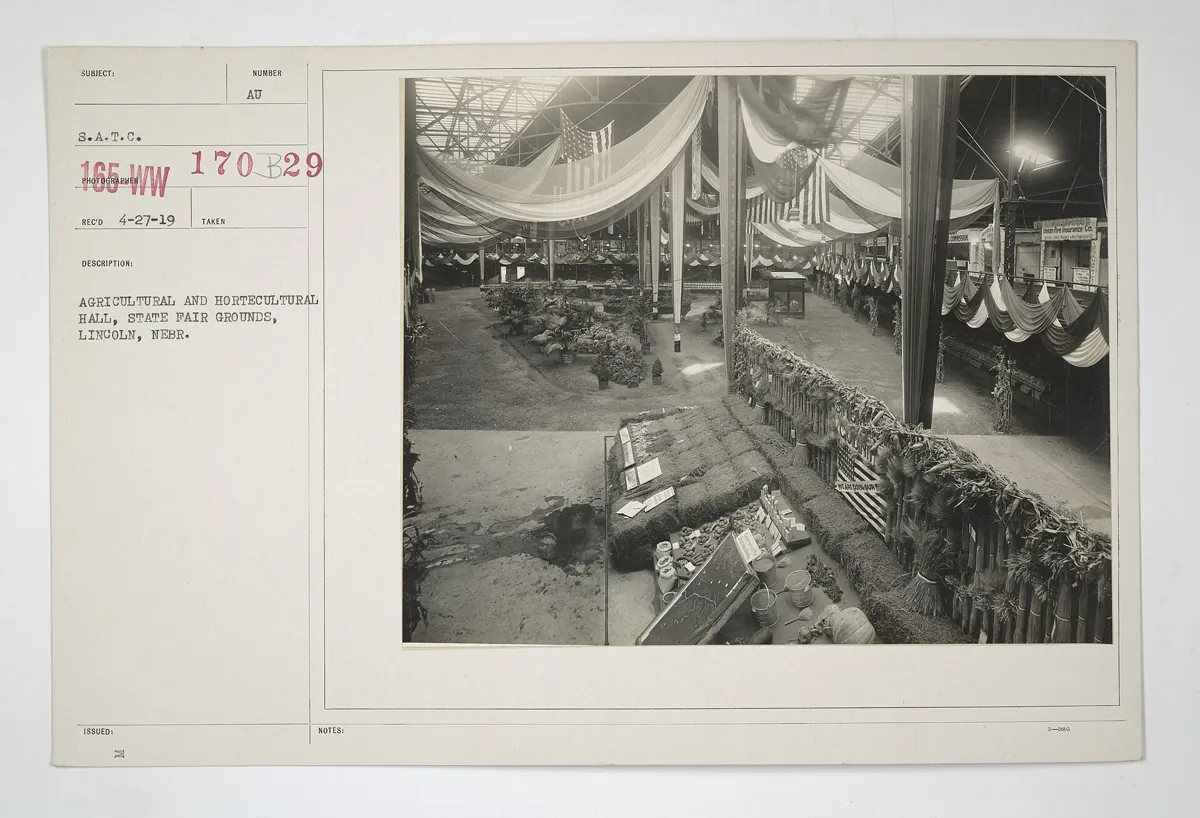
That double identity shapes a visit. The scale is a state fair’s — open-class departments by the dozen, 4-H and FFA exhibits from across Nebraska, a separately priced carnival, free grounds entertainment and grandstand concerts on their own tickets. The setting is a county seat’s: a park on the edge of a working city, with two published entrances, free parking on the grounds, and a fair office whose address is not an entrance.
A smaller county fair also uses Fonner Park, earlier in the summer, under its own organisers and arrangements. That event is not this one: the two share an address and nothing else, and nothing from either record belongs in the other’s article.
About the State Fair That Calls Grand Island Home
The Nebraska State Fair is organised by the Nebraska State Fair Board, whose administrative offices sit in Grand Island. The board publishes the fair’s paper trail in the open: board minutes, exhibitor entry books and forms for each edition, a pricing page, and history pages telling the fair’s own account of itself. Almost every practical visitor question has a published answer in that record.
The fair’s office stands at 501 East Fonner Park Road, Suite 200, in Grand Island — an address for correspondence and business. Visitors arrive through the grounds’ entrances instead: the west entrance at 700 East Stolley Park Road and the east entrance at 1203 South Stuhr Road. Keeping those apart is the first piece of local knowledge the fair teaches.
For a useful comparison, see the Greeley County Nebraska Fair Festival for another county festival.
The season is fixed in shape even when its dates move: the fair’s own history page states that the event is always eleven days and ends on Labor Day. The documented 2026 edition ran from Friday, August 28 to Monday, September 7, carried throughout this article strictly as that edition’s arrangement. In any year the shape is the reliance — eleven days, opening in late August, closing on the holiday.
The 2026 entry book billed that edition the one hundred fifty-seventh Nebraska State Fair. The number appears here only as the fair’s own billing. No founding year is calculated from it: a billing tells you how a fair counts itself, not when it began, and the history pages tell the modern story — the move to Grand Island — in dates of their own.
Quick Facts
| Item | Detail |
| Event | Nebraska State Fair |
| Fair town | Grand Island, the Hall County seat |
| Grounds | Fonner Park — the Nebraska State Fairgrounds |
| Entrances | West entrance, 700 East Stolley Park Road; east entrance, 1203 South Stuhr Road |
| Organiser | Nebraska State Fair Board |
| Season | Eleven days from late August, always ending on Labor Day |
| Documented 2026 span | August 28 to September 7, 2026 |
| Gate (2026) | Twelve dollars ages 13 to 59; six dollars ages 60 and over; six dollars ages 6 to 12; ages 5 and under free |
| Parking | Free on the fairgrounds |
| Camping | No fair-week camping terms published in the fair’s record |
A State Fair That Moved House
The Grand Island chapter is younger than most visitors assume, and the fair tells it precisely. Nebraska’s Legislature approved the enabling measure, LB1116, in 2008, after the University of Nebraska identified the old Lincoln fairgrounds as the site for its Innovation Campus. In the fair’s own words, the fair officially moved to Grand Island on December 31, 2009 — a date repeated here exactly as published.
Before that move the fair’s home was Lincoln, and its long earlier history belongs to that city. The Grand Island record starts with the relocation: a state institution re-establishing itself at Fonner Park, where it has run every year since in its eleven-day shape. The grounds were already the county’s fairgrounds; from 2010 they carried a second, much larger tenant.
The fair’s pricing history is part of its told story. Its history page records that adult admission rose from ten dollars to twelve in 2016 and has not increased since, and that youth and senior rates rose from five to six dollars in 2024. Those older figures are history, not alternatives.
What the record does not give is a founding year, and this article does not manufacture one. The honest history, as the fair’s own pages tell it, is a long Lincoln past summarised in a billing number and a Grand Island present dated to a single documented day at the end of 2009.
What to Expect at Fonner Park
Exhibits From Every Corner of Nebraska
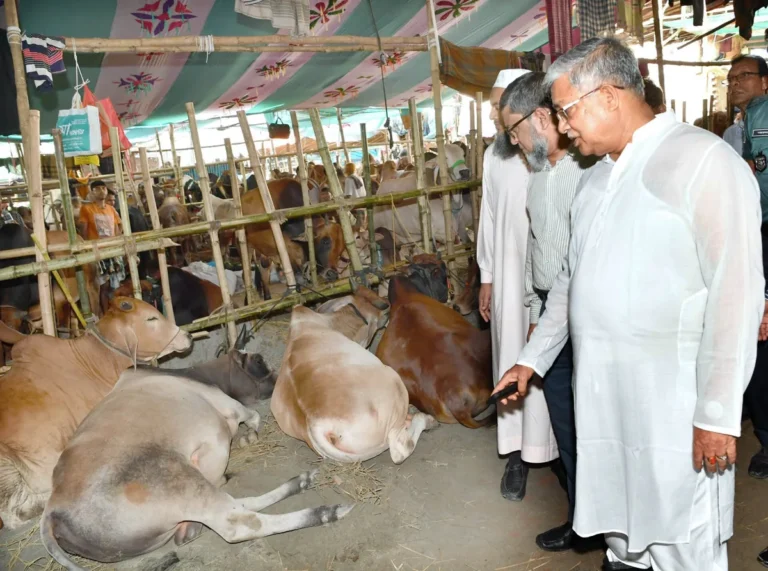
The competitive core is statewide. The fair’s hours list 4-H and FFA static exhibits open from 9 in the morning to 8 in the evening, closing earlier on the final day, and its entry books cover open-class departments from textile arts to horticulture, each with entry deadlines in August. Livestock showing sits alongside the static halls. The exhibitor side has its own arrangements — including a small exhibitor-only gate ticket, sold only to exhibiting households under a per-household limit — which are exhibitor machinery, not public prices, and never a visitor’s gate.
Free Entertainment Across the Grounds
Beyond the exhibit halls, the fair fills its grounds with entertainment carrying no extra ticket. Local coverage of the 2026 edition described circus acts, animal shows, live music and family activities across the park, with fireworks and a 300-drone show lighting the Friday and Saturday nights. That colour is 2026’s arrangement, not a standing promise, but the pattern is the state fair’s: much of what fills a day costs nothing beyond the gate.
A Carnival Priced Apart From the Gate
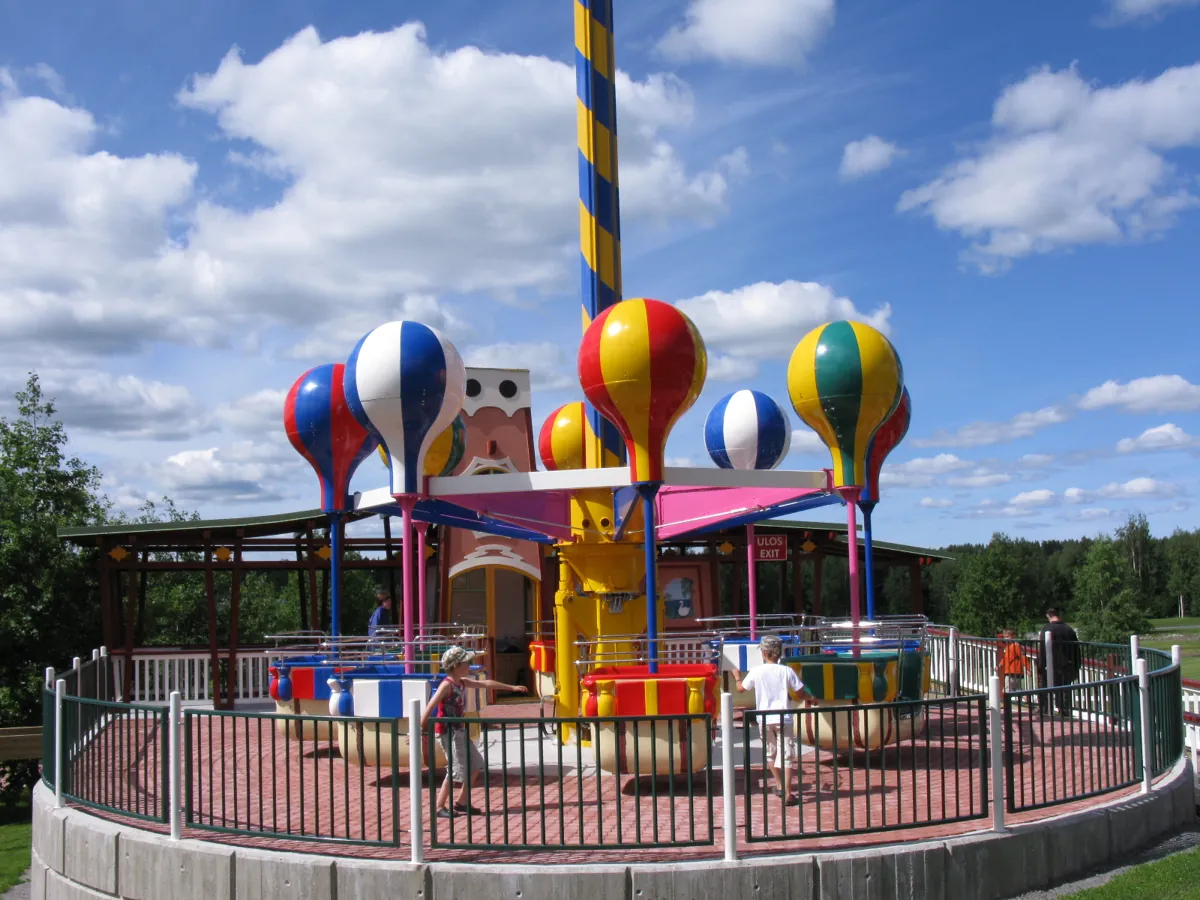
The midway runs on its own money. In 2026 the fair published carnival wristbands at thirty-seven dollars Monday through Thursday and forty-two dollars Friday through Sunday. A wristband is a separate purchase from gate admission, never blended with it here: the gate buys entry and everything free on the grounds, the wristband buys rides. Price the two decisions separately, because a cheap gate day and an expensive ride day can be the same day.
Grandstand Concerts on Their Own Tickets
The grandstand’s headline concerts are ticketed in their own right. The 2026 bill closed the fair with HARDY, supported by McCoy Moore, on Sunday, September 6, priced at seventy-eight dollars general admission, eighty-seven for the pit and one hundred seven for the VIP tier, with advance concert tickets including gate admission and sales handled through the fair’s exclusive ticketing channel. Those are concert prices for one night of one edition — never the gate, never a guide to another year, and no standing line-up exists to promise.
Planning Your Visit
Arriving Through the Right Gate
Navigate to an entrance, not to the office. The west entrance stands at 700 East Stolley Park Road and the east entrance at 1203 South Stuhr Road; the Suite 200 office address on East Fonner Park Road is where the fair’s business is done. Parking on the fairgrounds is free — the fair’s 2026 arrangements, as reported locally, included a newly paved north main lot — and a shuttle ran from the Sam’s Club in Grand Island during that edition. Free grounds parking is a genuine part of this fair’s published economics.
Working the Published Discount Days
The 2026 gate ladder rewards planning. The regular gate stood at twelve dollars for ages 13 to 59, six dollars for ages 60 and over, six dollars for ages 6 to 12, and free for children 5 and under, with advance admission at ten dollars. Layered over it, the fair published dated discounts for 2026 only: free entry before noon on August 28, two dollars fifty for ages 6 and older on September 1, five dollars after 4 in the afternoon on September 2 and 3, and free admission for military visitors with government identification on September 7. Each offer belongs to its printed date in that edition; a future edition will publish its own, so read the pricing page before choosing a day.
Eleven Days Is Longer Than a Visit
No visitor sees this fair in a day. Eleven days means the grounds run several fairs in sequence — exhibit judging early, livestock through the middle, concerts toward the close — and a single trip samples one layer. Pick the layer first: the carnival and grounds entertainment, the barns and halls, or the final weekend’s music. Camping, plainly, is not part of the published offer: no fair-week camping terms appear in the fair’s record, so a stay is planned around ordinary Grand Island lodging.
One Long Day at the State Fair
Arrive through the west entrance before the halls fill, and give the first hour to the static exhibits while the aisles are walkable. Walk the livestock barns late in the morning, then take lunch on the grounds and let the afternoon belong to the free entertainment — a circus act, an animal show, whatever the edition’s schedule offers. Buy a wristband only if the afternoon is truly a ride afternoon; priced apart from the gate, it deserves its own decision. Toward evening, drift toward the grandstand end of the park, and on a fireworks night finish where the whole grounds can see the sky.
The County Fair Is a Different Fair
The most useful comparison sits inside the same grounds. Five weeks before the state fair opens, a county fair runs at Fonner Park: smaller, locally organised, built around the county’s own exhibitors, and entirely separate in its dates, committee and programme. Coverage of this title routinely collapses the two into one event, quoting July arrangements for an August fair. Resist that in both directions: the state’s fair means late August, and the county’s fair has its own record, left to it here.
Against other states’ fairs, the honest comparison is structural: a state fair a county hosts, priced like a county fair — an adult gate unchanged since 2016, free parking — at a scale no county event attempts.
Your State Fair Checklist
- Confirm the edition’s dates against the eleven-day, Labor Day-ending shape before booking anything
- Navigate to 700 East Stolley Park Road or 1203 South Stuhr Road — never to the fair’s office address
- Budget the regular gate for your age band, then check the edition’s pricing page for dated discount days
- Decide the carnival wristband separately from admission; the two prices never combine
- Treat grandstand concerts as separate tickets for separate nights, bought through the fair’s own channel
- Do not mistake the exhibitor-only ticket in the entry forms for a public price
- Plan lodging in Grand Island; no fair-week camping is published
- Keep the county fair’s July arrangements out of your state fair planning entirely
Beyond the Fairgrounds
Grand Island is a working county seat that the fair briefly turns into the state’s front room. Its landmarks reward an extra half-day: the Stuhr Museum of the Prairie Pioneer interprets the plains settlement story a short drive from the grounds, and Railroad Town, its recreated nineteenth-century village, gives the fair’s agricultural present a documented past to stand beside. The Platte River valley runs south of the city; its crane country is famous well beyond Nebraska, though the great migration belongs to spring. Downtown’s older commercial streets make the natural evening walk after a day at the park.
Why the State Fair Matters to Hall County
For eleven days each year, Hall County hosts the one event every other county in Nebraska exhibits at. That inversion — the county as landlord to the state — is the fair’s real significance here. The barns fill with other counties’ livestock, the halls with other counties’ quilts and gardens, and Grand Island supplies the ground, the gates and the welcome. The documented move at the end of 2009 settled that role: pushed out of the capital by a university’s growth, Nebraska’s fair chose a county seat, which has organised its late summer around the tenancy ever since. A gate held at twelve dollars for a decade reads, in that light, as a host’s terms.
Frequently Asked Questions
Is this the Hall County Fair under another name?
No. The state fair and the county fair are separate events sharing Fonner Park. The county fair runs earlier in the summer under its own organisers; neither event’s dates, prices or programme should ever be quoted for the other.
What does the gate cost?
The published 2026 ladder was twelve dollars for ages 13 to 59, six dollars for ages 60 and over, six dollars for ages 6 to 12, and free for children 5 and under, with advance admission at ten dollars and dated discount days layered over it. Earlier ladders are history — adult admission last rose in 2016, youth and senior rates in 2024 — so check the current pricing page.
Where do I actually enter the grounds?
Through the west entrance at 700 East Stolley Park Road or the east entrance at 1203 South Stuhr Road. The East Fonner Park Road address is the administrative office. Parking is free.
Are rides and concerts included in admission?
Neither is simply included. The carnival runs on separately priced wristbands — thirty-seven dollars on weekdays and forty-two on weekends in 2026 — and grandstand concerts are separately ticketed nights, though advance concert tickets in 2026 included gate admission. The gate covers the grounds, the exhibits and the free entertainment spread across them.
What to Expect From the Next Hall County Nebraska Nebraska State Fair Festival
How often is the Hall County Nebraska Nebraska State Fair Festival held?
Once a year. The Nebraska State Fair runs one eleven-day edition annually, opening in late August and always ending on Labor Day, at Fonner Park in Grand Island.
When is the next Hall County Nebraska Nebraska State Fair Festival?
The next edition follows the same shape: eleven days from late August through Labor Day, at the same grounds. The fair publishes each edition’s exact dates, pricing page and entry books in its own record; those announcements, not any earlier calendar, fix the next fair’s days.
Will the dates change?
The shape will not: eleven days ending on Labor Day is the fair’s own stated rule. The calendar dates move with Labor Day itself, so the opening Friday shifts from year to year while the season — late August into the holiday — stays constant.
A state fair that moved house on the last day of 2009 and has held its adult gate steady since 2016 is a model of predictability: same grounds, same eleven days, same six-dollar concession to the young and the old. What changes is the filling — concert bill, discount days, grounds entertainment — while Hall County’s part never changes. Grand Island opens Fonner Park, Nebraska arrives to exhibit, and for eleven days the county seat becomes the state.


One Comment