Guthrie County Iowa Guthrie County Fair Festival

Before seven on a late-July Saturday, dew still hangs on the grass at the Guthrie County fairgrounds, and the Hoyt family’s pickup is already backed up to the livestock barn. Dana Hoyt has two sons in 4-H, a daughter who showed a bucket calf last summer, and a cooler of sandwiches packed the night before. Her husband, Ray, is filling feed pans while the boys argue — politely — about whose heifer has the better topline. For a lot of families here, the fair does not begin at a ticket gate. It begins with chores.
By midmorning, the grounds in Guthrie Center will be loud with everything a county of 10,623 people can put on display: pens of sheep, a row of pie entries under plastic wrap, a midway that smells like fryer oil and powdered sugar, and grandparents who have been walking this same patch of grass since they were kids. Following the Hoyts through one full day is as good a way as any to understand what the Guthrie County Fair is, and why it keeps returning to the calendar year after year.
Guthrie County Fair Basics for a First Visit
If you have never been to a county fair in west-central Iowa, the essentials are simple. The rest is best learned on foot.
| Town / area | Guthrie County area, centered on Guthrie Center |
| County | Guthrie County, Iowa |
| County seat | Guthrie Center |
| Population | 10,623 (2020 census) |
| Region | West-central Iowa |
| Typical timing | Late July into early August, usually across several consecutive days |
| Admission | Typically free to the grounds; some grandstand events sold separately |
| Setting | A fairgrounds in Guthrie Center, ringed by the county’s 593 square miles of farmland |
| Features | Livestock shows, 4-H and FFA exhibits, carnival rides, grandstand entertainment, food stands |
| Organizer | A volunteer local fair board |
What the Guthrie County Fair Actually Is
This is a working county fair, and that phrase matters. The center of gravity is the barns and the exhibit halls, not the midway. Walk in on a weekday morning and you will pass more people carrying buckets and clipboards than people carrying cotton candy.
4-H and FFA members from across Guthrie County bring cattle, swine, sheep, goats, poultry, and rabbits. They also bring photography, baking, garden produce, welding projects, and sewing. Judging happens in public, which means anyone can stand at the rail and learn how a market hog is scored or why one jar of preserves beat another. Around that core, the fair layers on everything that makes it a social event: a carnival, grandstand shows, commercial booths, and food stands run by churches, service clubs, and local nonprofits. The result feels less like a production and more like a reunion with livestock.
For another look at how a community turns its own traditions into a gathering, see the Grundy County Iowa Grundy County Fair Festival for a useful comparison.
A Fair Tradition Rooted in a County Founded in 1851
Guthrie County was founded in 1851 and named for Captain Edwin B. Guthrie. Its county seat has been Guthrie Center, the town that still anchors civic life across a county that covers 593 square miles of rolling farmland and river valley. County fairs across Iowa grew out of the nineteenth-century agricultural society movement, when farmers needed a shared place to compare seed, stock, and machinery, and Guthrie County’s fair belongs to that lineage. What began as an agricultural exhibition became a permanent late-summer meeting point for families scattered across the countryside.
The rhythms established back then still shape the schedule today. Livestock work fills the morning. Judging and exhibits carry the afternoon. The grandstand takes over after dark, with the midway glowing behind it. Through the twentieth century the fair changed shape as farming changed — draft animal classes faded, tractor pulls and demolition events arrived, carnival rides got brighter and louder — but the ownership never really shifted. Local families, local clubs, and local volunteers have kept it running for generations.
What a Day on the Guthrie County Fairgrounds Feels Like
A fair day runs on its own clock, and it is not the clock on your phone. Here is what the Hoyts move through between sunrise and the last light over the grandstand.
Fair Food, Church Stands, and the Pie Table
Food is where a county fair shows its personality. Expect the classics: breaded pork tenderloins, corn dogs, funnel cakes, walking tacos, lemonade shake-ups, and soft-serve. Beyond the midway, look for the stands run by church groups and civic organizations, which often serve the best and cheapest meals on the grounds — breakfast burritos early, loose-meat sandwiches at noon, and pie by the slice in the afternoon. The 4-H food stand is usually a reliable stop, staffed by members and their parents. Bring some cash; smaller stands may not take cards, and a line forms fast right after a livestock show lets out.
Grandstand Nights and Local Talent
Evenings at the grandstand are the fair’s biggest draw. In most years the schedule leans on the events Iowa crowds genuinely turn out for: tractor pulls, a demolition derby, motocross or truck events, and live country or rock music from regional bands. Some nights are ticketed separately from general gate admission, so it pays to check the board early in the day. Before the headliners, there is usually a fair royalty coronation, a talent showcase, or a kids’ event on a smaller stage. The carnival runs alongside all of it, which means the noise level rises steadily until the lights go down.
Barns, Rides, and Small-Kid Wins
Families with young children tend to build their day around the barns. A walk through the livestock buildings is free, shaded in places, and endlessly interesting to a four-year-old. Many fairs add a petting area, a pedal tractor pull, a bubble or water station, and carnival wristband hours that make rides affordable for an afternoon. The static exhibit hall is a quiet break from the heat and a good place to let kids see what other children their age built, baked, or grew. Plan the midway for late afternoon or evening, when the sun is lower and the lights are on.
Planning a Guthrie County Fair Trip From Outside the County
Most visitors come from within an hour, which keeps the logistics manageable. A little planning still helps.
Getting to Guthrie Center
Guthrie Center sits in west-central Iowa, roughly an hour’s drive west of the Des Moines metro by car, with state highways connecting it to Carroll, Atlantic, Adel, and the surrounding county towns. There is no commercial airport in the county, so nearly everyone arrives by vehicle. If you are coming from out of state, the Des Moines airport is the most practical arrival point, followed by a straightforward drive northwest.
Where to Stay Near Guthrie County
Lodging inside Guthrie Center is limited, so book early if you are staying overnight. The Lake Panorama area near Panora offers rental homes and cabins, and larger motel clusters are available in nearby towns such as Adel and Stuart. Camping is a tradition at county fairs, and many families bring a camper or a tent and stay on or near the grounds for the run of the fair. If camping spots fill, nearby state park campgrounds in the county make a comfortable backup.
Parking Around the Fairgrounds
Parking is generally handled in grass lots and field areas around the grounds, with volunteers directing traffic. It is usually free or very inexpensive, but it can mean a short walk on uneven ground, so wear shoes you do not mind getting dusty. Arrive well before grandstand events on weekend nights, when the lots fill quickly and the line at the gate gets long.
Admission, Wristbands, and Where Cash Still Wins
Gate admission to the fairgrounds is typically free, which makes it easy to stop in for an hour or come back three times in one weekend. Costs show up elsewhere: carnival rides, grandstand events that are ticketed separately, food, and any purchases at the livestock auction or exhibit sale. Ride wristbands, when offered, are the cheapest way to let kids loose on the midway. Keep small bills on hand for parking, raffles, and food stands run by volunteer groups.
Late-Summer Weather and What to Wear
Late July and early August in west-central Iowa mean heat, humidity, and the real possibility of an afternoon thunderstorm. Mornings are cool and comfortable, midday is brutal in the open, and evenings can cool off quickly once the sun drops. Bring sunscreen, a refillable water bottle, a hat, and a light layer for after dark. Barns and exhibit halls offer shade and shelter, which is one more reason to plan the hottest hours indoors.
A Sample Guthrie County Fair Weekend, Family-Style
Friday evening. Arrive after work, park in the field lot, and walk the grounds while the light is golden. Grab dinner from a church stand, let the kids ride two or three carnival rides, and watch whatever is happening at the grandstand. This is the night to get oriented and check the schedule boards for the weekend.
Saturday morning. Come early for livestock shows and the exhibit hall before the heat builds. Watch a judging class, visit the barns, and let younger kids do the petting area and any pedal pull. Eat an early lunch from the 4-H stand.
Saturday afternoon. Retreat to shade or an air-conditioned building during the hottest stretch. Check out commercial booths, buy a wristband, and let the kids loose on the rides while you find a bench. Refill water bottles.
Saturday night. Grandstand event, then the midway after dark. This is the fair at its loudest and best. Expect a slow walk back to the car.
Sunday morning. Return for the quieter hours: coffee, a last pass through the barns, and the livestock auction or premium sale if one is scheduled. Leave before noon, dusty and tired, already talking about next year.
How Guthrie County’s Fair Stacks Up Against Nearby Ones
Guthrie County’s fair sits in the middle of a dense cluster of county fairs across west-central Iowa. Dallas County’s fair, east near Adel, draws on a larger and faster-growing population and tends to feel busier. Audubon and Carroll county fairs to the west and northwest share Guthrie County’s agricultural character but serve smaller populations. Adair County’s fair, south near Greenfield, has a similar small-town feel.
What distinguishes Guthrie County is scale. With 10,623 residents spread across 593 square miles, this fair is small enough that you will run into people you know and large enough to fill a grandstand on a Saturday night. Nearby towns like Panora, Stuart, and Guthrie Center each contribute families, volunteers, and exhibitors, which gives the grounds a county-wide rather than single-town identity.
The Guthrie County Fairgoer’s Packing and Prep List
| Sunscreen and a hat | Most of the grounds are open sky and full sun |
| Refillable water bottles | Cheaper than buying drinks all day, and easier in the heat |
| Cash in small bills | Parking, raffles, and volunteer-run food stands |
| Closed-toe shoes | Gravel, grass, and livestock areas |
| A light layer | Evenings cool off quickly after sunset |
| Lawn chairs or a blanket | Grandstand and grassy seating areas |
| Hand sanitizer and wipes | Barn visits and carnival rides |
Beyond the Fairgrounds: The Rest of Guthrie County
If you are making a weekend of it, the county rewards a little wandering. Lake Panorama, near Panora, is the area’s biggest recreational draw, with water access and rental homes that book up around fair time. Springbrook State Park, north of Guthrie Center, offers trails, timber, and a campground that makes a peaceful counterpoint to the midway. The Raccoon River Valley Trail runs through this part of Iowa and is popular with cyclists. In Guthrie Center itself, the downtown square and local diners give you a quiet breakfast before the gates open.
What the Fair Means to a County of 10,623 People
For a county this size, the fair is not entertainment so much as infrastructure. It is where the year’s work gets judged, where teenagers learn to speak to adults about a project they built or raised, and where scholarships and premium money quietly change what a graduating senior can afford. It is also where local businesses, churches, and clubs stay visible to their neighbors. When the barns empty on the last night, the fairgrounds go quiet for another year, and the county goes back to being 593 square miles of farmland with a small seat of government in the middle. The fair is what briefly pulls all of that into one place.
Where the Guthrie County Fairgrounds Sit
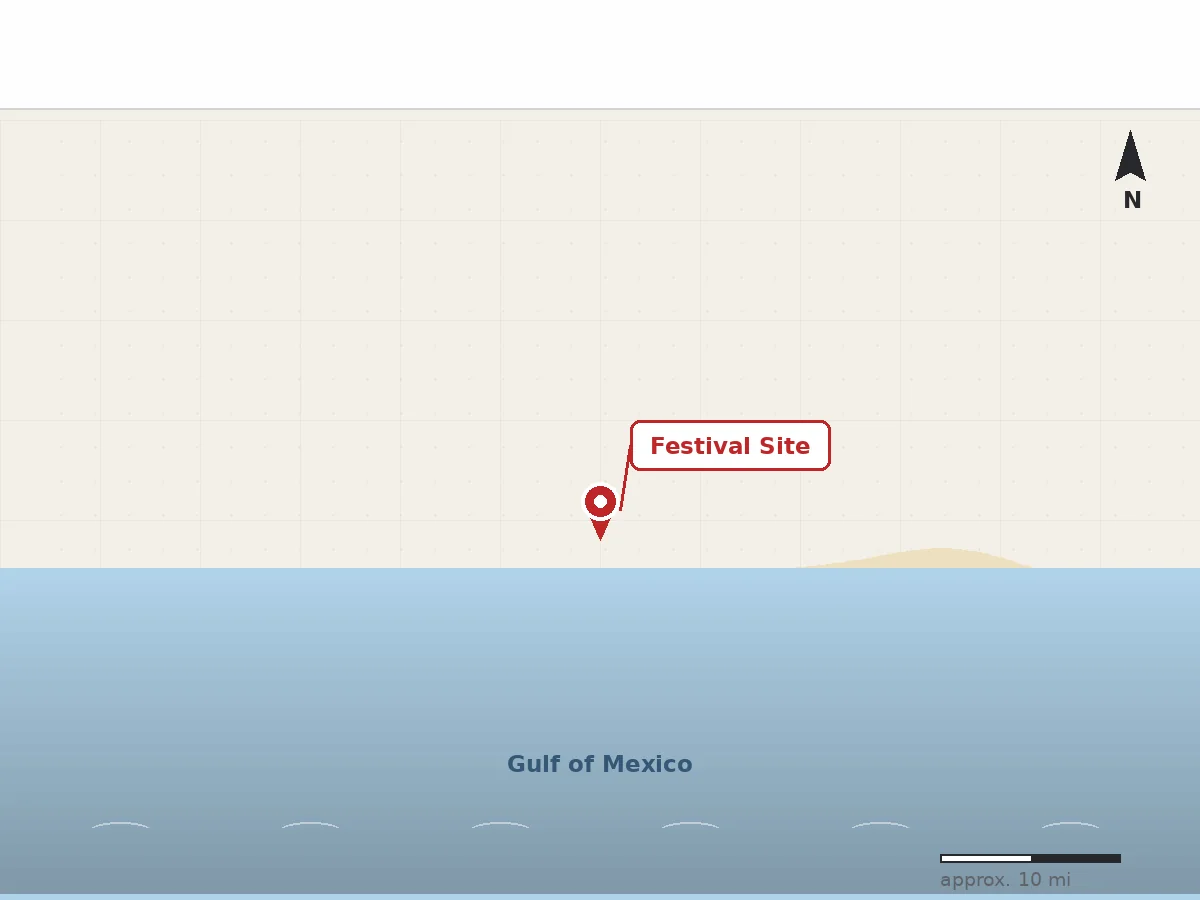
The Guthrie County Fairgrounds are located in Guthrie Center, the county seat of Guthrie County in west-central Iowa, drawing visitors from across the county’s 593 square miles.
Guthrie County Fair Questions, Answered
Is the Guthrie County Fair free to attend?
Gate admission to the fairgrounds is typically free, so you can come and go as you like. The costs come from carnival rides, separately ticketed grandstand events, food, and anything you buy at the exhibit sale or auction. Ride wristbands, when offered, usually give the best value for families.
When is the Guthrie County Fair held?
It is held each year in late summer, generally spanning several consecutive days from late July into early August, which is the traditional window for Iowa county fairs. Confirm the current year’s schedule before you travel, since the exact days shift annually.
Can I camp at or near the fairgrounds?
Camping is part of the county fair tradition, and many families bring campers or tents for the run of the fair. If space on the grounds is full, Springbrook State Park and other campgrounds in Guthrie County offer nearby alternatives, and rental homes around Lake Panorama near Panora are popular for longer stays.
What is the best day for families with young children?
Weekday mornings and early afternoons are the calmest, with smaller crowds, cooler temperatures, and easier access to the barns and petting areas. Save the midway for late afternoon or evening, when the heat breaks and the lights come on.
Looking Ahead for the Guthrie County Fair
County fairs everywhere are navigating the same questions: how to keep young families involved, how to fund aging buildings and grandstands, and how to stay relevant to a county whose population is small but spread across a wide landscape. Guthrie County’s fair has an advantage in that its core purpose has not changed. Livestock, exhibits, and community judging still give the event a reason to exist that has nothing to do with ticket sales. Expect the fair to keep evolving around that center — more family-friendly scheduling, more attention to shade and accessibility, and continued reliance on volunteers from Guthrie Center, Panora, and the surrounding townships.
Last updated: October 2026
By the time the Hoyts pull out of the field lot on Sunday, the truck smells like livestock feed and the kids are asleep before the first stop sign. Dana has a ribbon folded in the glovebox, Ray has a sunburn on his neck, and someone has already asked whether they are showing again next summer. That is the Guthrie County Fair in full: a few days of noise and dust in Guthrie Center that a county of 10,623 people builds out of a year’s worth of ordinary work, and then does all over again.