Hawaii County Hawaii Taste of Hawaiian Range Festival
Some festivals celebrate a harvest; this one was built to create a market. In its documented form, the Taste of the Hawaiian Range paired the people who raise cattle and grow food on Hawai’i Island with the chefs who might cook their produce: each chef worked a station built around an assigned cut of locally raised meat while farmers staffed booths a short walk away. The gathering moved between Waimea, the upcountry town where it began and where its most recent documented edition was held, and the Hilton Waikoloa Village resort on the Kohala Coast, its home for most of the run. That run, on the evidence gathered here, ends on Saturday, September 7, 2019; no organiser, news, destination or listing layer found for this article documents any later edition, so it is described throughout as an event of record, never as a fixture a traveller can still plan around.
About the Festival
The name itself arrives in several shapes, kept separate here rather than merged. Organiser and college layers, including a 2009 schedule and a media itinerary, print the long forms “Mealani: A Taste of the Hawaiian Range” and “Mealani’s A Taste of the Hawaiian Range and Agriculture Festival.” A cattle-industry news layer from 2009 shortened the name to “A Taste of the Hawaiian Range,” while a magazine layer and several blog layers used the plainest form of all, “Taste of the Hawaiian Range.”
A college layer from 2010 describes the event as a University of Hawai’i at Mānoa College of Tropical Agriculture and Human Resources undertaking run from the Mealani Research Station, in partnership with the Hawai’i Cattlemen’s Association and the Hawai’i Cattlemen’s Council, Big Island farmers and community volunteers. A media itinerary from the 2019 era adds a “Presented by” credit naming the American Culinary Federation (ACF) Kona Kohala Chefs Association and local ranchers, but that credit attaches to programme elements within that layer and is kept out of the organiser credit here.
Neither host community governs the county: both lie inside Hawai’i County, yet the county seat is Hilo.
Quick Facts
| Topic | What the record shows |
| Published name forms | Mealani: A Taste of the Hawaiian Range; A Taste of the Hawaiian Range; Taste of the Hawaiian Range |
| Host communities | Waimea and Waikoloa, Hawai’i Island |
| County seat | Hilo; neither host community holds the seat |
| Organiser | University of Hawai’i at Mānoa college of tropical agriculture, through the Mealani Research Station, with cattlemen’s bodies and volunteers |
| Earliest venues | Waimea town hall and the Hawai’i Preparatory Academy |
| Longest-held venue | Hilton Waikoloa Village, on the Kohala Coast |
| Claimed beginnings | 1995 in one itinerary layer; 1996 in news and blog layers; unresolved |
| Documented billings | Fourteenth annual in 2009; eighteenth annual in 2013 |
| Last documented edition | Saturday, September 7, 2019, in Waimea |
| Entry pattern | Daytime fair free; evening gala ticketed at prices set year by year |
History
Two beginnings are on record. A media itinerary prepared for the fourteenth annual edition in 2009 states that the event was founded in 1995 to jump start the Big Isle’s grass-finished beef industry, drawing its background from Milton Yamasaki, manager of the Mealani Research Station. News and blog layers tell it one year later: a cattle-industry news report from 2009 and a blog account from 2019 both say the Taste originated in 1996, as a companion event to the Cooperative Extension Service’s Mealani Forage Field Day. Neither year is adopted here: the itinerary speaks with an organiser’s proximity, the rest speak independently, and nothing gathered settles the disagreement, so the first year stands contested between 1995 and 1996.
For a useful comparison, see the Hawaii County Hawaii Ukulele and Slack Key Guitar Festival for another county festival.
The parent programme’s place, by contrast, is uncontested. The Mealani Forage Field Day belonged to the research station and its extension service, and the festival grew up beside it as the public, culinary counterpart; the Field Day was never itself an edition of the festival, and is not counted as one here.
The early festival stayed close to its station roots: a news layer looking back describes its beginnings in Waimea’s town hall and the Hawai’i Preparatory Academy. By 2009 the festival had settled at the Hilton Waikoloa Village, where an organiser schedule for Friday, September 18, 2009 lays out a noon seminar, an Agriculture Festival trade show from 1 to 3 p.m., and the Taste gala from 6:00 p.m., in rooms a 2013 magazine layer names as the Grand Ballroom, the Promenade, the Lagoon Lānai and the Kohala Ballroom. Later billings follow without being converted into any founding claim: a fifteenth annual in 2010, an eighteenth in October 2013, a 2015 blog layer’s “now looking forward to its twentieth year,” and a 2018 guide layer’s “for twenty-two years.”
The later editions keep the two-part shape: a blog layer counts more than thirty culinary stations at the Hilton Waikoloa Village in 2014, and a guide layer records a September 2018 edition. The final documented edition brought the festival home to Waimea on Saturday, September 7, 2019, a college news layer placing the free Agricultural Festival there that day and a blog layer recording the ticketed evening Taste gala after it. After that date, the gathered layers fall silent.
What to Expect
The documented design split the day into two distinct events sharing one purpose. By day, an agricultural trade show and Farm Fair put farmers and ranchers in front of the people who buy at scale — chefs, wholesale buyers and media — alongside the college layers’ educational talks and booths. In the evening came the gala, arranged as a row of culinary stations: each chef was assigned a cut of locally raised meat and cooked it for the crowd, grass-finished beef being the original focus before later editions extended the assignments to pork, lamb, goat and island produce. Cooking demonstrations ran through the programme, including a seminar and demonstration devoted to how to cook grass-fed beef.
Crowd figures in the record are thin and kept fenced here. A magazine layer on the eighteenth edition in 2013 speaks of hundreds of people, a characterisation rather than a count. A blog layer reports more than two thousand attendees sampling their way through the event in 2014 — one layer’s reported figure for one year, not a series of organiser counts, since no organiser-published counted figure exists in the material gathered. Neither number is stretched across other editions.
Planning Your Visit
Begin with the limit of the record: no edition after September 7, 2019 is documented anywhere in the material gathered, so no trip can responsibly be planned around one.
Entry was never a single price. The daytime Agricultural Festival and Farm Fair was free, as a college layer states for 2019. The evening Taste gala was ticketed, and its price moved by year: a blog layer reporting organiser prices for 2014 gives forty-five dollars in pre-sale and sixty dollars on the day, while a blog layer for 2019 gives fifty dollars in pre-sale and sixty dollars at the door. Those figures belong to their years and to the gala alone; quoting one as the festival’s admission would misstate both halves.
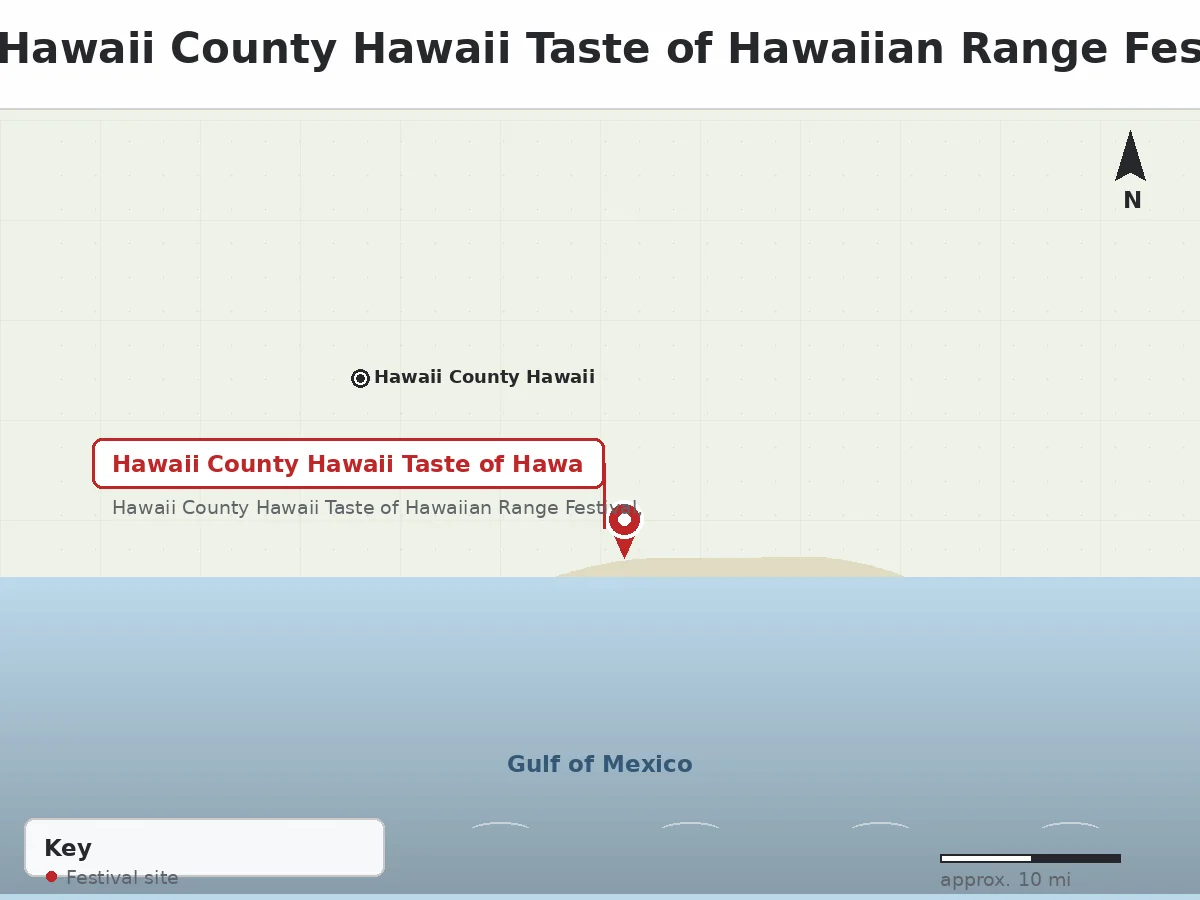
Place mattered as much as price: the long middle run sat at the Hilton Waikoloa Village, while the earliest years and the 2019 edition belonged to Waimea, and an old listing followed to the wrong town would miss the event entirely. The sources print no street address for any venue, so none is supplied here, and any current-looking listing should be treated as unverified against a record that closes in 2019.
A Sample Day Itinerary
This itinerary reconstructs the shape of the last documented day, Saturday, September 7, 2019, in Waimea — a portrait of that edition, not a timetable for anything scheduled now.
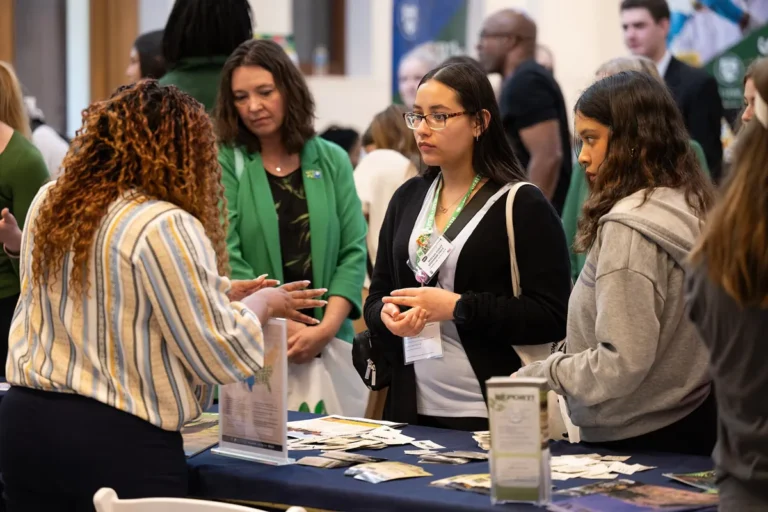
Daytime belongs to the Agricultural Festival and Farm Fair, the free half of the programme. Following the 2019 pattern, a visitor would spend the daylight hours among the booths, moving between farmers presenting their produce and the educational talks that framed the day, while chefs and wholesale buyers worked the same ground.
Toward evening the event changes register: the ticketed Taste gala takes over, its stations each built around a chef’s assigned cut of local meat. The natural way to work the room is slowly, station to station, tasting across the beef and the later additions of pork, lamb and goat, pausing for the cooking demonstrations rather than treating them as background.
How It Compares
Two confusions are worth clearing away. The first is with the Hawai’i Food & Wine Festival, a different and much larger multi-island production; the Taste neither belongs to it nor borrows its currency. The island’s other food festivals are likewise separate events. The second confusion sits closer to home: the Mealani Forage Field Day, the research station’s own extension gathering, is this festival’s parent programme and the setting of its origin story, not an early edition of it — the Taste was the public table set beside the field day’s work, and the field day itself remained the station’s.
Its distinctiveness lies in the assignment system. Where an ordinary food festival lets chefs cook whatever they choose, this one handed each chef a cut and a local producer’s work to honour, then built a trade fair into the same day so introductions could turn into orders.
A Visit Checklist
- Accept the documentary limit first: no later edition than September 7, 2019 is verified.
- Separate the two halves in your budget: the daytime fair was free, the evening gala was not.
- Use the right year’s price: the gala cost forty-five dollars ahead in 2014, fifty dollars ahead in 2019.
- Confirm the host town for the edition you are reading about: Waimea or Waikoloa.
- Expect the meat to lead; the stations were built around assigned cuts, beef first.
- Leave room for the demonstrations; the teaching was part of the programme.
- Remember the Field Day is the parent programme, not the festival itself.
Beyond the Festival
The Mealani Research Station’s work — forage research, extension advice and its field day — supplied the knowledge the festival put on plates, and the cattlemen’s associations that partnered in it represented the industry whose grass-finished beef the occasion existed to promote. Waimea’s side of the story is ranching country, where the festival began and to which it returned in 2019; Waikoloa’s side is the resort coast, where ballrooms gave it scale for most of its run. Read alongside the station and the cattle industry, the festival explains itself: a college ran a food event because the cooking was the outreach.
Why It Matters
The festival existed to change what happened after the cooking stopped. The 2009 itinerary says it was created to jump start the island’s grass-finished beef industry, and the structure served that aim directly: producers met buyers face to face by day, and the gala proved to a paying audience that local grass-finished beef, and later other island meats, could carry a fine plate. Few food festivals anywhere are documented as the public arm of a university research station, educational mandate included. That combination — research station, cattle industry, working chefs and an open fair — is its real significance in the record, standing whether or not the event is ever staged again.
Frequently Asked Questions
Is this festival still being staged?
Nothing gathered here documents an edition after Saturday, September 7, 2019: the organiser, news, destination and listing layers all stop there, with no announcement of a later edition among them. The festival is therefore an event of record; any revival would begin with an announcement that does not yet exist in this record.
Did the Taste begin in 1995 or in 1996?
The sources divide. An organiser-adjacent media itinerary states the event was founded in 1995 to jump start the island’s grass-finished beef industry. A cattle-industry news layer from 2009 and a blog layer from 2019 instead say it originated in 1996, as a companion to the Mealani Forage Field Day. The billings on record — a fourteenth annual in 2009, a fifteenth in 2010, an eighteenth in 2013 — are not used to break the tie, because converting a billing into a founding year is arithmetic, not evidence. Both years stand.
Why did one half of the day cost money and the other half not?
Because the two halves did different jobs. The daytime Agricultural Festival and Farm Fair, free in the college layer’s account of 2019, was the industry’s open door, built for farmers, ranchers, chefs, buyers and media to meet. The evening gala was the ticketed showcase, priced year by year: forty-five dollars in advance in 2014, fifty dollars in advance in 2019, sixty dollars at the door in both years. No single festival admission ever covered the pair.
Was the Mealani Forage Field Day an early edition of the festival?
No. The Field Day was the Cooperative Extension Service’s own gathering at the Mealani Research Station, and the news and blog layers describe the festival as its companion event, a separate public occasion created alongside it. The Field Day belongs in the festival’s origin story, but it is not counted as an edition of the Taste, and the billings are never run back through it.
What to Expect From the Next Hawaii County Hawaii Taste of Hawaiian Range Festival
How often is Hawaii County Hawaii Taste of Hawaiian Range Festival held?
Every billing in the record presents the festival as an annual event: a fourteenth annual in 2009, a fifteenth in 2010, an eighteenth in 2013, a 2018 guide layer describing one then running for twenty-two years. That rhythm is a fact about the documented past, though; no edition after 2019 appears in any layer gathered, so no continuing yearly cycle can be asserted now.
When is the next Hawaii County Hawaii Taste of Hawaiian Range Festival?
No next edition is announced in the material gathered, and none can honestly be dated; the last confirmed staging is the Waimea edition of Saturday, September 7, 2019. Any future festival would first have to be announced by its organisers, and no date or expectation should be borrowed from any other island food event.
Will the dates change?
The documented editions already moved within the autumn — Friday, September 18, in 2009, October in 2013, September again in 2018 and 2019 — and the venue shifted more fundamentally still, from Waikoloa back to Waimea for 2019. With town and timing alike unconfirmed for the future, nothing stable can be promised; if it returns, its date will be whatever its organisers newly decide.
What survives is a paper trail richer than most festivals leave: schedules, prices, billings and two rival birthdays, preserved in layers never trying to write its history. Taken on its own terms, it shows a working idea — a research station setting an entire local meat industry on a plate for the public to judge — carried from a town hall to a resort ballroom and home again. Whether the trail resumes is a question only its organisers can answer.
One Comment