Greeley County Kansas Greeley County Fair Festival
Summer in far western Kansas stretches wide and slow, and in Greeley County the season keeps its own calendar. Wheat fields bleach toward gold, afternoons run hot, and families scattered across 778 square miles of high plains start pointing their pickups toward Tribune, the county seat, for the Greeley County Fair.
This is a county of 1,284 people, in the 2020 census count, and that number shapes everything about the fair. It is less a spectator event than a family reunion with livestock pens. A neighbor’s grandchild shows a hog, another household runs the concession stand, and someone you have known for years is judging the pies. What results is a small, sincere celebration of the place people here call home.
Tribune, Kansas: Fair Essentials Worth Knowing
| Town / area | Greeley County area, centered on Tribune |
| County | Greeley County, Kansas |
| County seat | Tribune |
| Population | 1,284 (2020 census) |
| Region | Far western Kansas high plains |
| Typical timing | A summer weekend, in most years |
| Admission | Generally free to enter the grounds |
| Setting | Prairie fairgrounds under wide western Kansas skies |
| Signature features | Livestock shows, exhibit hall, carnival, grandstand evenings |
| Organized by | Local volunteers and county fair organizers |
A County Fair Shaped by the High Plains
The Greeley County Fair is the county’s annual homecoming in fairground form — a few days of livestock shows, exhibit halls, carnival rides, and grandstand evenings that gather the whole county in one place. It runs the way small fairs across this part of Kansas run: on volunteers, on school and 4-H families, and on people who have been setting up the same pens and booths for decades.
Expect the fair to feel agricultural at its core. Youth exhibitors bring cattle, sheep, swine, and goats. The exhibit hall fills with baking, canning, photography, quilting, and garden produce. The show ring becomes the evening’s main stage. Around those anchors, the grounds typically add a midway or carnival, food stands, a parade or community program, and a grandstand event or two.
Because the county is so small, the fair doubles as a reunion. Alumni come back, grandparents claim seats early, and parking-lot conversation is as much a part of the experience as anything under the grandstand. Arrive as an outsider and you will likely be greeted rather than ignored.
For another look at how a community turns its own traditions into a gathering, see the Gray County Kansas Gray County Fair Festival for a useful comparison.
From an 1873 County to a Fairground Tradition
Greeley County was founded on March 20, 1873, and named for Horace Greeley, the New York editor whose name became shorthand for westward migration. The county that took shape across 778 square miles of western Kansas was never densely settled, and it remains one of the least populated counties in the state, with 1,284 residents counted in 2020.
Tribune became — and remains — the county seat, the small town where government, school, and commerce concentrate. In a place this size, the county fair grew into one of the few annual events capable of pulling every corner of the county to a single spot.
The fair’s history follows the arc of high plains agriculture. Early gatherings centered on crops, livestock, and the practical business of comparing notes between neighbors. Through the twentieth century, youth programs added structure, exhibit halls added categories, and the fair became a showcase for the next generation of farm and ranch families. Mechanization changed how many hands worked the land. It did not change the fair’s role as the county’s annual measuring stick.
Today the fair continues in that tradition, adapted to modern tastes — more carnival rides, more food trucks, the same blue ribbons.
What a Fair Weekend in Tribune Feels Like
Days at the Greeley County Fair move in a predictable, pleasant rhythm: animals early, exhibits through the afternoon, food all day, and the loudest hours after sunset. Here is how the main pieces usually come together.
Food, Concessions, and Church-Stand Pie
Fair food here runs on the classics: burgers and brats off the grill, funnel cakes, snow cones, popcorn, and the strong coffee that keeps exhibitors upright during early livestock check-ins. Local groups often run stands of their own, which means the pie and cinnamon roll situation can be genuinely excellent. Bring cash for the smaller booths, and do not skip whatever the church or youth groups are selling — those stands are usually where the fair’s best cooking hides.
Music, Grandstand Nights, and Evening Entertainment
Evenings carry the entertainment load. Grandstand programming at small Kansas county fairs typically includes a demolition derby, a tractor pull, a rodeo night, or a live band, and Greeley County’s schedule rotates through events of that kind. Local and regional musicians often play on a smaller stage, and midway lights come on as the temperature drops. Check the current year’s fair schedule before planning an evening around one particular event.
Family Activities, Youth Exhibits, and the Show Ring
Families get the run of the place. Livestock shows for youth exhibitors fill the mornings, the exhibit hall opens for browsing and judging, and carnival rides and games keep younger kids busy between events. A parade, a petting area, a kids’ pedal pull, and community meals are the sort of additions that appear most years. The show ring is the heart of it: watch a first-time exhibitor lead an animal for the first time and you understand what the fair is actually for.
Planning a Fair Trip to Greeley County
Greeley County sits in far western Kansas, close to the Colorado line, and planning is mostly about distance, heat, and timing.
Getting to Tribune
Most visitors drive, and the approach is long stretches of two-lane highway across open country. Fuel up before you get close; services thin out across the high plains, and the nearest larger towns with full amenities are a considerable drive in any direction. If you are coming from eastern Colorado, the trip is shorter but just as empty.
Where to Stay
Lodging in a county of 1,284 people is limited. Tribune has a small number of local options, and many fairgoers stay with family, park an RV, or camp. If you prefer more choice, plan on driving in from a larger regional town and treating the fair as a day trip. Book early — fair weekends fill whatever rooms exist.
Parking Around the Fairgrounds
Parking at small county fairs is usually informal and free: grass lots, side streets, and the space around the grounds. Arrive early for grandstand events, follow the volunteers directing traffic, and expect a short walk on foot. Leave room for livestock trailers, which have priority near the barns.
Admission and What Things Cost
Admission to the fairgrounds is typically free, with costs concentrated in carnival rides, food, and grandstand events. Some fairs sell a wristband for unlimited rides on certain nights, and some charge a small entry fee for specific shows. Carry cash; card readers are not guaranteed at every booth.
Weather on the Western Kansas Prairie
Summer on the high plains means hot, dry afternoons, strong sun, and quick shifts after dark. Daytime temperatures can push well into the nineties, and evenings cool enough that a light jacket feels good. Wind is constant, dust is a given, and thunderstorms can build fast in the late afternoon. Pack water, sunscreen, and a hat, and keep an eye on the sky.
A Sample Fair Weekend in Tribune
Every year’s schedule differs, but a typical fair weekend in Greeley County tends to follow this shape.
Friday afternoon and evening. Arrive as the grounds open and the barns fill. Walk the livestock area while animals are being groomed, browse the exhibit hall before the ribbons go up, and eat dinner from a concession stand. Stay for the first grandstand event of the weekend, then linger in the parking lot, where half the county is still talking.
Saturday morning. Come early for the youth livestock shows. This is the fair at its most serious and most charming — kids in starched shirts, parents holding gate ropes, judges taking notes. Grab coffee and breakfast from a stand, then take a slow pass through the exhibits.
Saturday afternoon. Heat peaks, so move indoors or into shade. The exhibit hall, community booths, and carnival games fill the middle hours. A café in town is a good escape if you need air conditioning.
Saturday evening. The biggest crowd of the weekend. Grandstand event, midway lights, food lines, and a good chance of live music. Claim seats early.
Sunday. A quieter day — often a community meal, a parade or program, and the last of the exhibits before cleanup. It is the best time to actually talk to people.
How the Greeley County Fair Compares Nearby
Western Kansas has a deep county fair tradition, and Greeley County’s version sits at the small, intimate end of the scale. Neighboring Wichita County, based in Leoti, and Hamilton County, based in Syracuse, hold their own fair weekends, while Sherman County’s fair in Goodland draws on a somewhat larger population base. Each has its own character, but the pattern is shared: livestock, exhibits, a midway, and a grandstand.
What sets Tribune apart is scale. With 1,284 residents countywide, the Greeley County Fair cannot compete on sheer size, and it does not try. It competes on accessibility: shorter lines, cheaper evenings, and a real chance to meet the people showing the animals. Travelers who love large state fairs may find it modest. Travelers who love county fairs for the community will find it hard to beat.
Fair-Day Checklist for Greeley County Visitors
| Water and a refillable bottle | Heat and dry air on the high plains |
| Sunscreen, hat, sunglasses | Shade is scarce at most fairgrounds |
| Cash in small bills | Concession stands and vendor booths |
| Folding chairs or a blanket | Grandstand and lawn seating |
| A light jacket | Evenings cool quickly after sunset |
| Camera or phone | Ribbon moments and reunion photos |
Beyond the Fairgrounds in Greeley County
The fair is the anchor, but the county rewards a slower look. Tribune is the seat and the only real population center, with a Main Street scale that makes a walk feel like a step back. The surrounding 778 square miles are open prairie and farm ground, where the horizon does most of the talking.
Out here, the attraction is the landscape itself: long views, big skies, and roads that run straight to the horizon. Sunset on the high plains is worth planning an evening around, and the stars after dark are the reason many visitors end up standing in a parking lot looking up instead of going inside.
Pair a fair visit with a drive through neighboring counties, a stop at a small-town café, and a look at the region’s agricultural rhythm — wheat, cattle, and the equipment that works both.
What the Fair Means to a 1,284-Person County
In a county with 1,284 residents, institutions carry more weight than they do elsewhere. The fair is one of the few events that gathers the entire county at once, and it works as a reunion, a report card, and a celebration in the same weekend.
For young exhibitors, it is a first taste of responsibility and public performance. For families, it is a deadline and a tradition. For the county as a whole, it is proof that a place this small can still put on something worth driving to. Greeley County has been organized since March 20, 1873, and the fair carries that continuity forward in blue ribbons and barbecue smoke.
It also plays an economic role, modest but real: a few days when local businesses, vendors, and volunteer groups all see traffic at once.
Where the Greeley County Fair Sits
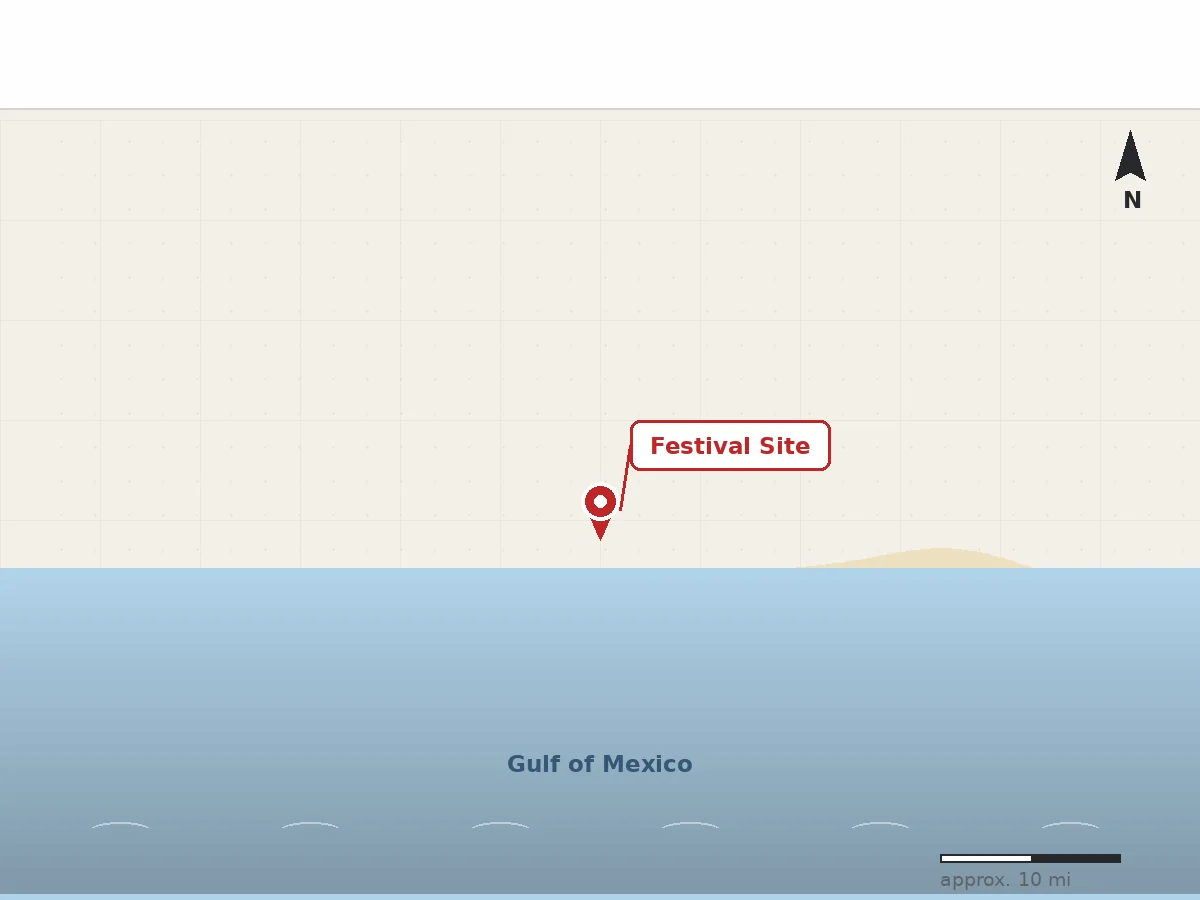
The Greeley County Fair takes place in the Greeley County area around Tribune, the county seat, in far western Kansas.
Common Questions About the Greeley County Fair
When is the Greeley County Fair held?
The fair is held in summer, on a weekend in most years. Exact dates shift from year to year, so check the current county fair schedule before you make plans.
Is there an admission fee?
Entry to the fairgrounds is generally free. Expect to pay for carnival rides, food, and some grandstand events, and bring cash for smaller booths.
Is the fair good for young children?
Yes. County fairs of this size are family-oriented, with carnival rides, animals, games, and plenty of space to move around. Bring sun protection and plan around the hottest part of the afternoon.
How far is Tribune from a major city?
Tribune sits in far western Kansas near the Colorado state line, so any trip involves a long drive across the high plains. Plan for fuel stops and limited services between towns.
Looking Ahead to Future Greeley County Fairs
Small county fairs survive on volunteers, and Greeley County’s is no exception. The challenges are familiar across rural Kansas: fewer hands, rising costs, and stiff competition for a summer weekend. The strengths are just as familiar: deep local loyalty, youth programs that keep families involved, and a county that treats the fair as a fixed point in the year.
Expect the fair to keep evolving — more food trucks, more digital scheduling, the same show ring. As long as exhibitors keep walking animals into that ring, the tradition holds.
Last updated: October 2026
If you find yourself in far western Kansas on a summer weekend, point the car toward Tribune. The Greeley County Fair will not be the biggest event you attend this year, but it may be the one you remember.