Ford County Kansas Ford County Fair Festival
Late summer on the Kansas high plains has its own texture. Wheat harvest is finished, the fields have gone stubble-gold, and the heat loosens its grip just enough after sunset to make an evening outdoors feel like a reward. That is the season the Ford County Fair arrives around Dodge City — a stretch of days given over to livestock barns, carnival lights, funnel cakes, and neighbors catching up with neighbors they have not seen since the school year ended.
The fair is a countywide affair in the truest sense. Ford County spreads across 1,099 square miles of southwest Kansas, a mix of irrigated cropland, rangeland, and small towns anchored by Dodge City, the county seat. The county was founded on February 26, 1867, and the 2020 census counted 34,287 residents — a population thin enough that fair week becomes one of the few times the whole county converges on the same patch of ground.
This guide covers what the Ford County Fair feels like in season, how it fits the region’s agricultural calendar, how to plan a visit around Dodge City, and where to go in the surrounding county once the midway lights go dark.
Ford County Fair Essentials: Dodge City, Timing, and Setting
| Town / place | Ford County area, Kansas |
| County | Ford County, Kansas — founded February 26, 1867 |
| County seat | Dodge City |
| Population | 34,287 (2020 census) |
| Land area | 1,099 square miles |
| Region | Southwest Kansas, high plains |
| Typical timing | Late summer, generally July or August |
| Admission | Typically free; some events ticketed separately |
| Setting and features | Fairgrounds with barns, exhibit halls, grandstand, midway, fair food |
| Organizer | Volunteer fair board and local community groups |
Inside the Ford County Fair: A Late-Summer Gathering on the High Plains
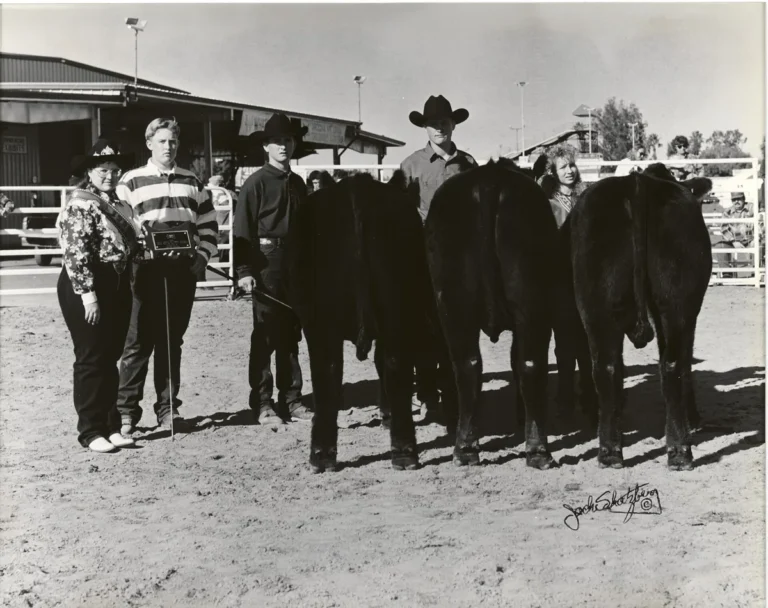
Every county fair has a personality, and Ford County’s is shaped by agriculture. This is a working fair before it is a carnival: show rings, weigh-ins, showmanship classes, and an exhibit hall full of quilts, canned goods, photography, and woodworking judged by local volunteers. The midway and the grandstand come later in the day, once the animals are fed and the judges have hung their ribbons.
The setting does a lot of the work. Fairgrounds on the high plains are open and mostly unshaded, with long barns, gravel walkways, and a horizon that stays visible from nearly everywhere on the grounds. Late-summer light lingers well into the evening, which is why so many families time their arrival for the cooler hours.
For another look at how a community turns its own traditions into a gathering, see the Ford County Kansas Dodge City Days Festival for a useful comparison.
Gate admission is typically free, with carnival rides and certain grandstand events priced separately. Expect a mix of farm families, Dodge City residents, former residents back for a visit, and kids showing an animal for the first time.
How Ford County’s Fair Tradition Grew From 1867 Prairie Roots
Ford County was founded on February 26, 1867, in the years when southwest Kansas was being organized into counties and settled by ranchers, railroad crews, and farmers. Dodge City became the county seat, and the town’s early identity — shaped by the cattle trade and the railroad — gradually gave way to an economy built on wheat, sorghum, cattle, and irrigation.
Kansas county fairs grew out of that same era. Agricultural societies organized exhibitions so farmers could compare crops, livestock, and machinery, and so communities could gather at the close of a growing season. Ford County’s fair followed that pattern, becoming a yearly fixture tied to the rhythm of harvest rather than to a fixed point on the calendar.
Through the twentieth century the event expanded. Youth programs and extension work pushed 4-H exhibits and livestock projects into the center of the fair. Grandstands went up, carnival midways became part of the draw, and the fair settled into the multi-day format visitors recognize today — part agricultural showcase, part reunion, part small-town carnival.
What has not changed is the timing. The fair remains a late-summer event, sitting in the gap between the end of wheat harvest and the start of a new school year, when the county has both the time and the reason to celebrate.
The Rhythm of a Ford County Fair Day
Fair Food and the Midway at the Ford County Fair
Food is half the reason people come. Expect the classic fair lineup — funnel cakes, corn dogs, hand-cut fries, smoked brisket and pulled pork, lemonade shake-ups, homemade pie, cinnamon rolls, and tacos or nachos from local stands. Church groups and civic organizations often run their own booths, which is where some of the best cooking on the grounds can be found. The midway runs alongside it all, with gentler rides for young children and taller, faster ones for teenagers, sold by wristband or individual tickets.
Grandstand Music and Evening Entertainment
Evenings bring the biggest crowds. Grandstand lineups shift from year to year and often lean on country and rock acts, motor sports, tractor pulls, and demolition derbies, with local and regional bands playing smaller stages around the grounds. There is a particular sound to a fair at dusk: the announcer’s voice carrying across the track, the midway generator humming, and the barns mixing with fried dough on the breeze.
Family Activities, Livestock Shows, and Exhibits
Daytime belongs to families and exhibitors. Livestock shows run through the morning and into the afternoon, with rabbits, poultry, goats, sheep, swine, and cattle all getting their turn in the ring. Between shows there are petting areas, pedal tractor pulls, face painting, and hands-on demonstrations. The exhibit hall offers a quieter retreat in the heat of the day, and it is usually where grandparents settle in to look for familiar names on the entry cards.
Planning Your Trip to the Ford County Fair and Dodge City
Getting to the Ford County Area
Dodge City sits in southwest Kansas where the region’s main highways converge, and most fairgoers arrive by car. The city has a small regional airport with limited commercial service, but driving is the practical choice for anyone coming from Wichita, Garden City, Liberal, or the surrounding counties. Once in Dodge City, the fairgrounds are a short drive from the main commercial strips.
Where to Stay Around Dodge City
Dodge City holds the largest concentration of hotel and motel rooms in Ford County, mostly along the main travel corridors, with RV parks and campgrounds for those bringing their own rig. Fair week is one of the busier stretches of the summer, so booking well ahead is wise. The county’s smaller communities have limited lodging, which makes Dodge City the natural base.
Parking and Getting Around the Fairgrounds
Fairground parking is generally on-site, on gravel or grass, and often free. Grandstand nights draw the heaviest traffic, so arriving early or carpooling saves a lot of circling. Expect to walk between the barns, the exhibit hall, and the midway, and make a mental note of your parking row before the lights come on.
Admission, Tickets, and Fairground Costs
Gate admission is typically free or low cost, with carnival rides sold by wristband or ticket and grandstand events priced separately. Food, games, and vendor booths are the main variable expense, so a set cash budget per person keeps things simple. Many vendors accept cards, but small bills still move faster at the busiest stands.
Late-Summer Weather in Southwest Kansas
Late summer here means strong sun, hot afternoons, and a real chance of thunderstorms rolling in off the plains. Evenings cool off noticeably once the sun drops. Sunscreen, hats, and refillable water bottles are essential, and a light layer helps after dark. Lightning can pause outdoor events, so keep an eye on the sky and on any announcements from the fair office.
A Sample Ford County Fair Weekend Itinerary
Friday evening: Arrive before sunset, walk the barns while they are still busy, eat dinner from the midway, and finish at the grandstand. Saturday morning: Livestock shows and a slow pass through the exhibit hall. Saturday afternoon: Retreat indoors or into shade during the hottest hours, then catch a demonstration or a smaller stage act. Saturday evening: Carnival rides, the headline grandstand event, and whatever fireworks or closing ceremony the fair has planned. Sunday: A final walk through the grounds, awards and auction activity, and one last funnel cake before the drive home.
Ford County Fair vs. Nearby Kansas Fairs and Celebrations
The most obvious comparison is the Kansas State Fair in Hutchinson, a much larger statewide event held in early autumn with a broader commercial footprint. Ford County’s fair is smaller, more agricultural, and far more local in feel. To the west, Finney County’s fair in Garden City runs a similar playbook at a comparable scale, while Seward County’s fair in Liberal serves the far southwest corner of the state. Smaller county celebrations across the region fill out the summer calendar.
What sets Ford County apart is Dodge City itself. Few county fairs in Kansas sit beside a town with this much tourism infrastructure, which means visitors can pair a fair evening with a museum visit or a historic downtown stroll the next morning. It is a rare combination of rural fair and travel destination.
Ford County Fair Packing Checklist for Families
| Sunscreen and hats | Almost no shade on the grounds during the day |
| Refillable water bottles | Heat and walking add up quickly |
| Cash and small bills | Faster service at food and game stands |
| Lawn chairs or a blanket | Comfort for grandstand and evening events |
| Closed-toe shoes | Gravel, grass, and barn aisles |
| Light jacket | Evenings cool off fast on the plains |
| Reusable tote | For exhibit hall purchases and fair food |
Beyond the Fairgrounds: Dodge City and the Rest of Ford County
Dodge City rewards a second day. The Boot Hill Museum and its Front Street recreation anchor the town’s western history, and the surrounding area holds Santa Fe Trail markers and prairie landscapes that look much as they did when the county was founded in 1867. Downtown Dodge City has its own restaurants and shops worth an afternoon.
Beyond the city, Ford County opens up. Small communities like Bucklin, Ford, Spearville, and Wright each have their own grain elevators, ball fields, and church suppers, and driving between them is the best way to understand how a county of 1,099 square miles actually works. Irrigated circles, cattle pens, and wheat fields define the view in every direction.
What the Ford County Fair Means to This Kansas County
With 34,287 people spread across a county larger than Rhode Island, Ford County does not have many occasions when everyone shows up in the same place. The fair is one of them. It is where 4-H members learn to present an animal and speak to a judge, where volunteers spend months organizing entries and running booths, and where families who have moved away find a reason to come back.
It also keeps a working connection between the county’s urban center and its farm economy. Dodge City residents who never set foot on a farm during the year spend an evening in a barn aisle. That exchange, repeated every late summer, is the quiet purpose of a county fair.
Locating the Ford County Fair in Southwest Kansas
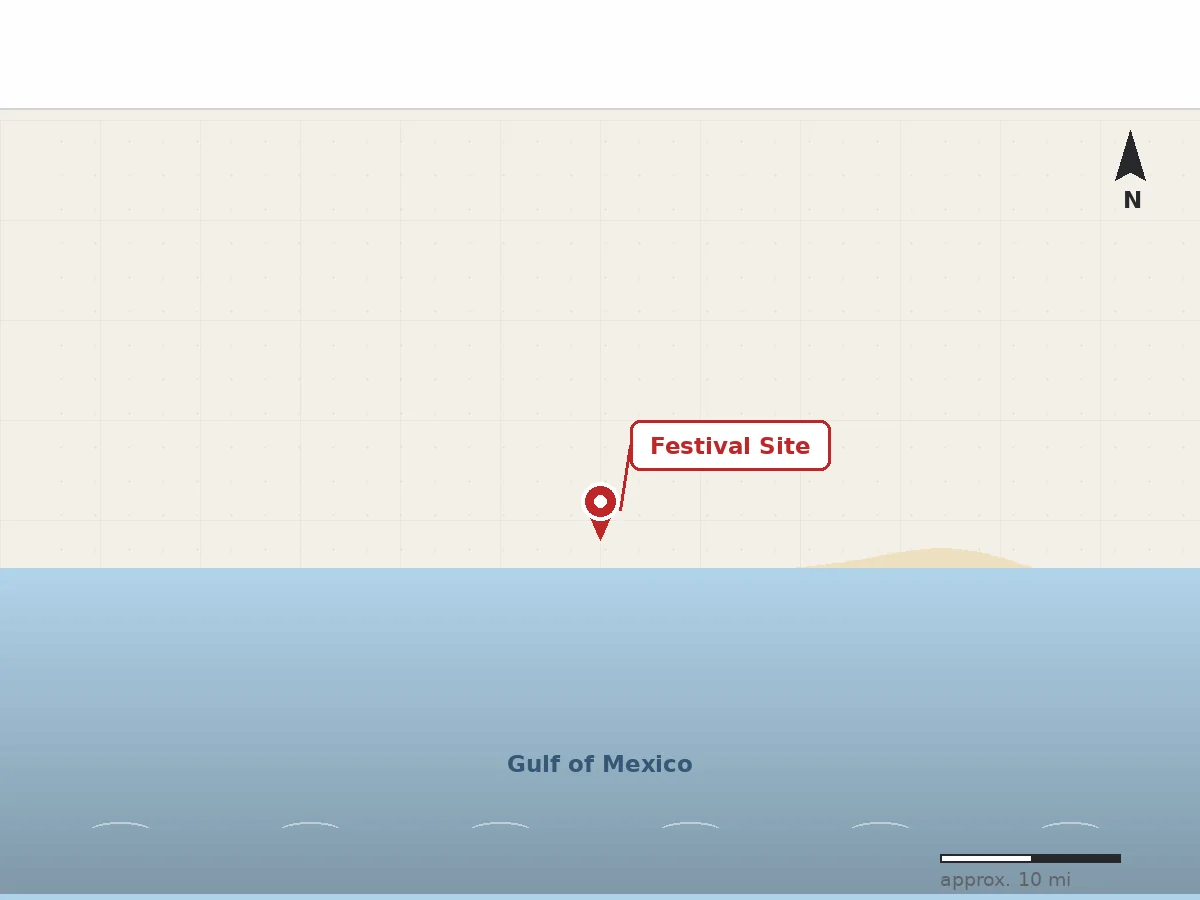
The Ford County Fair is held on fairgrounds in the Ford County area of southwest Kansas, in and around Dodge City, the county seat.
Ford County Fair Questions From First-Time Visitors
Is the Ford County Fair free to attend?
Gate admission is typically free or very low cost. Carnival rides are sold separately by wristband or ticket, and grandstand events such as concerts or motor sports usually require their own ticket. Budget for food and games, which are the main expenses once you are inside.
When is the best time to arrive?
For livestock shows and exhibit halls, mornings are best — cooler, quieter, and easier for parking. For the carnival, food row, and grandstand, arrive in the late afternoon or early evening. Grandstand nights fill up fastest, so plan to be on the grounds well before the event starts.
Is the fair good for young children and older visitors?
Yes, with a little planning. Mornings suit young children and anyone who struggles with heat, and the exhibit hall offers air-conditioned or shaded seating. The midway has rides sized for small children, and the grounds are flat and walkable, though distances between barns and the midway add up.
What happens if it rains during the fair?
Late-summer storms in southwest Kansas can be brief but intense. Outdoor events may pause for lightning, and some activities shift indoors to barns or exhibit buildings. Check the forecast before you go, keep a rain layer handy, and expect the schedule to flex if the weather turns.
Looking Ahead to Future Ford County Fair Seasons
County fairs survive by adapting, and Ford County’s will keep adjusting to the realities of rural Kansas: fewer farm families, more young exhibitors from town, and an audience that expects both tradition and a good show. The constants are likely to hold — livestock in the barns, entries in the exhibit hall, a midway at dusk, and a grandstand full on a Saturday night.
For visitors, that means the fair remains a dependable late-summer anchor in southwest Kansas, a few days each year when Dodge City and the surrounding communities measure the season together. Last updated: October 2026
If you plan a trip around the Ford County Fair, build in time for the county beyond the gates. The fairgrounds give you the gathering; the roads between Bucklin, Spearville, Ford, and Wright give you the place itself — flat, wide, and unmistakably western Kansas in the last warm weeks before autumn.
One Comment