Finney County Kansas Beef Empire Days Festival
Garden City’s late spring belongs to cattle. For roughly ten days at the turn of May into June, the county seat of Finney County fills its fairgrounds arena, its parade route and a scatter of venues around town with cattle shows, rodeo action, a chuckwagon feed and a closing crawl, all gathered under one published name: Beef Empire Days. The sheet behind this article calls it the Finney County Kansas Beef Empire Days Festival, but honesty requires an early note. No credible layer read for this piece adds the word Festival to the name, and none prints a county prefix either. The organiser’s own site, a chamber layer, agricultural press coverage and a state magazine all keep it short — Beef Empire Days — and this article follows the record rather than the sheet.
About
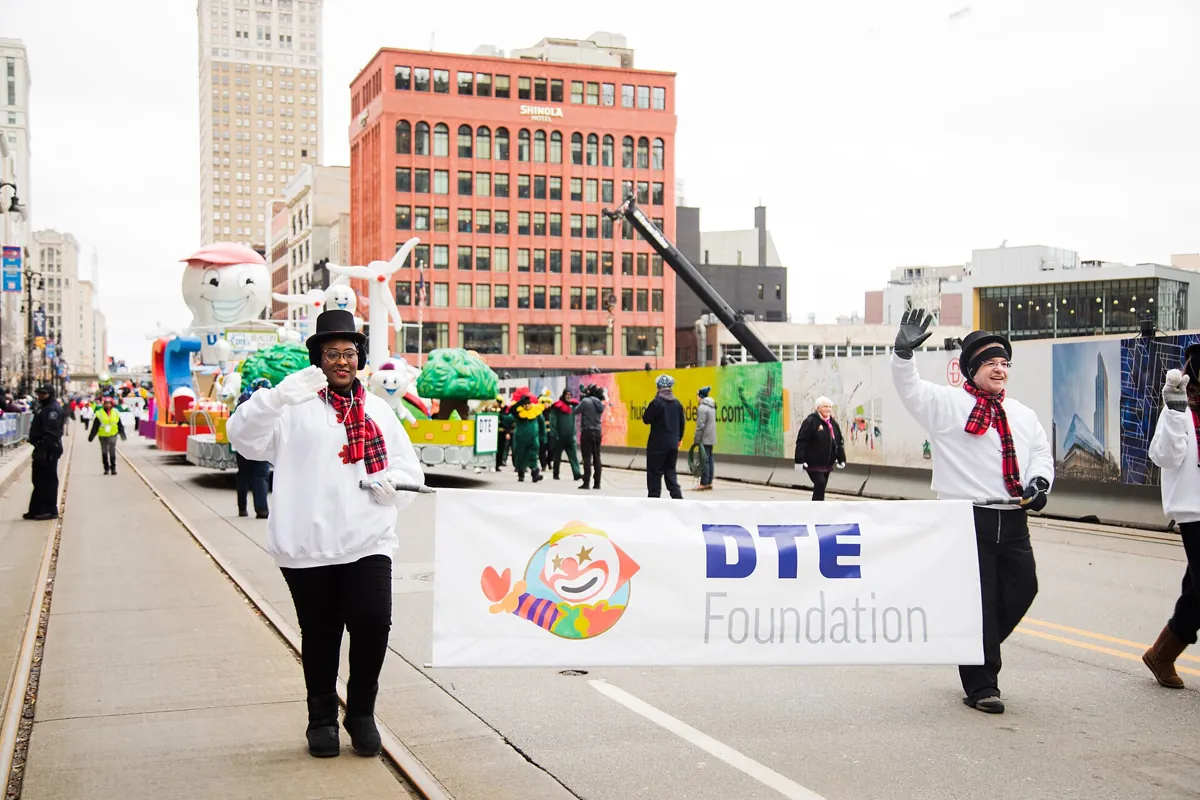
Beef Empire Days is a multi-day celebration of the beef industry held in Garden City, in Finney County, Kansas, and Garden City is the county seat, as the state historical society’s county layer confirms. The Finney County Fairgrounds serves as the event’s anchor ground, with the fed cattle show and the rodeo placed there in the documented editions, while other elements spread across venues in and around the city. The parade runs through Garden City itself, beginning at ten in the morning, and the organiser bills that parade as the largest in Garden City — a billing recorded here as the organiser’s own claim, in the organiser’s own words.
Two organiser forms appear in the record and are left unmerged, because the layers themselves never merge them. The organiser’s own site presents an incorporated body, Beef Empire Days Inc., as the organisation behind the event. An agricultural press layer, describing the two thousand twenty-five edition, instead speaks of the Beef Empire Days committee. Whether the incorporated body and the committee are one operation under two descriptions is a question the sources do not answer, so both forms stand exactly as printed, each with its own layer.
Component names also stay as printed. The rodeo travels under the name Beef Empire Days Rodeo, and the cattle judging centrepiece appears in two printed forms, the Merck Animal Health Live Show and the Beef Empire Days Live Show, recorded side by side without reconciliation. Around those anchors the programme layers list live and carcass cattle shows, a fed cattle show, a ranch rodeo alongside a KPRA rodeo, the parade, a chuckwagon feed, the Cattle Crawl, and a week-long family carnival. The organiser states that it hosts more than a dozen events each year.
Quick Facts
| Item | Detail |
| Published name | Beef Empire Days, with no layer adding the word Festival |
| Host town | Garden City, the county seat of Finney County |
| Main venue | Finney County Fairgrounds, with further venues in and around Garden City |
| Organiser forms | Beef Empire Days Inc. on the organiser’s own site; a committee in an agricultural press layer |
| Season | Late May into June, across a run of about ten days |
| Documented editions | Two thousand nineteen, two thousand twenty-three, two thousand twenty-four, two thousand twenty-five and two thousand twenty-six |
| Signature elements | Live and carcass cattle shows, a fed cattle show, ranch and KPRA rodeo action, a parade, a chuckwagon feed and the Cattle Crawl |
| Parade billing | Billed by the organiser as the largest in Garden City, beginning at ten in the morning |
| Admission record | No single gate price printed in any layer; a chamber layer directs readers to the organiser’s own site for ticket information |
| Next edition | Announced only, for four to thirteen June two thousand twenty-seven, on the organiser’s own site |
History
The deepest root the record offers comes from a state livestock association layer, which states plainly that the event started in nineteen sixty-seven. In that layer’s account, the first live and carcass shows were organised by two men from inside the trade: John Dohogne, a packing company plant manager, and Earl Brookover, a cattle feeder. The shows were not founded by a chamber or a fair board looking for a gate attraction; they began, on this telling, with two insiders deciding that finished cattle deserved judging in both of the forms the industry uses, on the hoof and on the rail.
For a useful comparison, see the Ellsworth County Kansas Roots and Blues Festival for another county festival.
Everything after that root arrives as billings, and the billings are quoted exactly as printed rather than converted or reconciled. The two thousand nineteen edition was billed the fifty-first. The two thousand twenty-three edition was billed the fifty-fifth annual. The two thousand twenty-five agricultural press coverage described the committee as celebrating beef for fifty-seven years, a phrasing rather than a numbered billing. The two thousand twenty-six edition was billed the fifty-eighth. Those numbers sit close to a simple count from nineteen sixty-seven, but this article does not perform that arithmetic on the record’s behalf; editions may have been skipped, and the layers never say. What they do establish is a run of more than five decades in which Garden City cattle people kept returning to the same late spring appointment.
What to Expect
A Beef Empire Days run is built like a small season rather than a single fair day. The two thousand nineteen edition, billed the fifty-first, ran from thirty-one May to nine June and carried thirty different events on the organiser’s accounting. Inside that span the fed cattle show took place on four June at nine in the morning at the Finney County Fairgrounds, one fixed point among dozens of moving parts. The two thousand twenty-three edition, billed the fifty-fifth annual, ran from two to eleven June. A ranch rodeo opened the run on two June at the fairgrounds arena, the parade and a chuckwagon feed shared ten June, and the Cattle Crawl closed the whole thing on eleven June.
The pattern holds in the more recent layers. Agricultural press results coverage places the fifty-sixth Beef Empire Days Live Show on four June two thousand twenty-four in Garden City, keeping the live show anchored to the first week of June even in a year whose full schedule the record does not reproduce. The two thousand twenty-five edition ran from thirty May to eight June, with more than a dozen events spread over a ten-day run in and around Garden City. For two thousand twenty-six, a chamber and community layer publishes the day-by-day schedule from Friday twenty-nine May through Sunday seven June, and a rodeo listing layer dates the Beef Empire Days Rodeo to Saturday thirty May at the fairgrounds. Across the years, a visitor can count on cattle judging at the centre, rodeo dirt at the arena, a parade morning through town, chuckwagon food, a family carnival running through the week, and a named closing event rather than a quiet fade.
Planning Your Visit
The shape of the run rewards anyone who treats it as several visits instead of one. Rodeo and cattle show days belong to the fairgrounds, parade morning belongs to the streets of Garden City, and the closing Cattle Crawl belongs to the final day, so a traveller who picks a single date should first decide which of those three flavours matters most. The documented editions cluster between the last days of May and the middle of June, and the exact span has shifted from year to year, which makes the organiser’s own site the one reference worth checking before booking anything around the trip.
On cost, the record is unusually plain about its own limits. A chamber layer directs readers to the organiser’s site for more information about events, including ticket information, and that direction is the whole of the admission record. No single gate price is printed in any layer read for this article, and no layer states a free entry policy either. Some elements may be ticketed while others stand open, but the sources do not divide them. Anyone budgeting should confirm prices element by element through the organiser, and should not arrive assuming either a free festival or a single wristband covering everything.
A Sample Itinerary
An opening-weekend visit could begin with the ranch rodeo at the fairgrounds arena, the slot that opened the two thousand twenty-three run, followed by an evening among the carnival lights. A mid-run day suits the cattle core: the fed cattle show in the morning at the fairgrounds, the live show programme around it, and a slow pass through the grounds to watch classes being placed. Parade day calls for an early start in town, since the parade begins at ten in the morning, and the two thousand twenty-three schedule pairs parade day with the chuckwagon feed, making lunch part of the programme rather than a break from it. A closing-day visit ends with the Cattle Crawl and sends the traveller home on the day the event itself winds down.
How It Compares
The nearest comparison is also the easiest to confuse. The Finney County Fair is a separate event on the same fairgrounds, and nothing in the record merges it with Beef Empire Days; the cattle celebration is an industry gathering built around judging and rodeo, not the county’s general fair. A second comparison travels further. Social posts about a Bulls, Broncs and Rodeo appearance at the KPRA finals in Dodge City in September two thousand twenty-six concern a component’s away appearance, not an edition of this festival. The festival itself stays in Garden City in late spring; the September Dodge City date belongs to the rodeo calendar, and the two should never be read as one event with two homes.
Checklist
- Choose which anchor matters most before picking dates: rodeo, cattle shows, parade or the closing Cattle Crawl
- Check the organiser’s own site for the current year’s day-by-day schedule, since the span shifts between late May and mid June
- Follow the chamber layer’s direction and confirm ticket information through the organiser for each element
- Plan parade morning in town rather than at the fairgrounds, with the start at ten in the morning
- Keep the Finney County Fair and the September Dodge City rodeo appearance separate in your planning, as both are different dates from this event
Beyond the Festival Grounds
Garden City rewards the hours around the programme. It is the county seat and the largest centre of its county, set in a landscape the cattle trade shaped at every level — the landscape in which the festival’s own founding figures, a plant manager and a cattle feeder, did their work. The rest of the local calendar runs on its own tracks as well, with the county fair standing apart from the late spring celebration and the rodeo component travelling to Dodge City in September under finals billing.
Why It Matters
Beef Empire Days matters because it records an industry judging itself in public. The live and carcass format, present from the first shows in nineteen sixty-seven, asks two different questions of the same cattle: how the animal stands and moves, and how the beef it becomes is graded once the hide is off. Keeping both questions inside one Garden City run for more than five decades turned a trade exercise into a piece of civic identity. The parade billed as the town’s largest, the chuckwagon feed and the closing crawl are the community wrapped around that core, and the layers suggest neither half has ever replaced the other.
Frequently Asked Questions
Why does the published name leave out the word Festival entirely?
Every layer read for this article, from the organiser’s own site to agricultural press coverage, prints the name as Beef Empire Days and stops there. The longer title on this page comes from the sheet that commissioned it, and the body keeps the published form so readers searching for the event find the name the sources actually use.
Who organised the first shows, according to the record?
A state livestock association layer names John Dohogne, a packing company plant manager, and Earl Brookover, a cattle feeder, as the organisers of the first live and carcass shows in nineteen sixty-seven. No layer offers a rival founding account, so the article carries theirs as the record’s own statement.
Which parts of the run sit at the fairgrounds, and which move into town?
The fed cattle show and the rodeo sit at the Finney County Fairgrounds in the documented editions, while the parade runs through Garden City beginning at ten in the morning. Other elements spread across venues in and around the city, which is why the day-by-day schedule matters more here than a single site plan.
Where should a reader look for prices before travelling?
The chamber layer sends readers to the organiser’s own site for ticket information, and no layer prints a single gate price or states a free entry policy. Prices therefore have to be confirmed element by element with the organiser rather than assumed.
What to Expect From the Next Finney County Kansas Beef Empire Days Festival
How often is Finney County Kansas Beef Empire Days Festival held?
The documented editions land once in each year the record covers, always in the late May and June window, with billings running from the fifty-first in two thousand nineteen to the fifty-eighth in two thousand twenty-six. The organiser also states that it hosts more than a dozen events within each year’s run, so the annual appointment carries a full season’s worth of programming inside it.
When is the next Finney County Kansas Beef Empire Days Festival?
The organiser’s own site bills the next edition for four to thirteen June two thousand twenty-seven. That is an announcement rather than a held edition, and it keeps the event inside its familiar late spring span while pushing a few days deeper into June than the two thousand twenty-six run.
Will the dates change?
They already have, repeatedly, within a narrow band. The documented spans open on thirty-one May in two thousand nineteen, two June in two thousand twenty-three, thirty May in two thousand twenty-five and twenty-nine May in two thousand twenty-six, so the start of the run drifts by several days from year to year while the season stays fixed. The announced two thousand twenty-seven span, opening on four June, continues that drift.
Closing
Beef Empire Days endures in the record as Garden City’s own argument that cattle country can celebrate itself with rigour: live shows and carcass shows, a ranch rodeo and a KPRA rodeo, a parade the organiser calls the town’s largest, and a chuckwagon feed in the middle of it. The name stays short in every source, the organiser appears under two forms this article refuses to merge, and the prices stay where the chamber layer leaves them, with the organiser. What remains certain is the appointment itself — late spring, the Finney County Fairgrounds, and a town turning out for the industry that built it.