Ellsworth County Kansas Fort Harker Days Festival
Every July, the small Ellsworth County town of Kanopolis hands its city park over to a two-day hometown celebration built around a parade, foot races, turtle races and a hamburger feed served inside a frontier officer’s quarters. The weekend is published everywhere under a shorter name, Fort Harker Days, borrowed from the old army post whose surviving buildings still anchor the community’s sense of itself. Local news previews and recaps, city council minutes and a fort-history layer document recent runnings in two thousand nineteen, two thousand twenty-one and two thousand twenty-four, and those editions share a recognisable shape: a Friday evening given to sand volleyball and food, then a Saturday that opens before sunrise with runners registering in the park and closes after dark with the naming of a Volunteer of the Year.
About
The published name is Fort Harker Days. That is the form carried by local news coverage, by city minutes and by a fort-history layer, and no layer read adds a trailing festival word to the standing name. One local news recap does write Fort Harker Festival a single time in passing, but a passing phrase in a recap is not a name the event answers to, and it is treated here as exactly that and nothing more. The longer county-first heading at the top of this page appears in no source consulted; it is the filing title for this article, not a name in print.
Kanopolis sits in Ellsworth County, in the middle of Kansas, and it is not the county seat. Reference layers give that role to Ellsworth, the larger city elsewhere in the county, so the celebration belongs to a small town that hosts its county’s best-known summer weekend without holding its courthouse. The grounds are Kanopolis City Park, where the volleyball nets, the run start and the vendor rows all gather. One fixture sits apart from the park: the Ellsworth County Historical Society’s hamburger feed is held at the Fort Harker Commanding Officer’s Quarters, tying the evening meal directly to the fort buildings the weekend is named for. The parade, meanwhile, runs through town rather than around the park.
Responsibility rests with a volunteer body whose name the layers print in two forms, the Fort Harker Days planning committee and the Fort Harker Days Committee, and this article keeps both forms rather than merging them into one. Local news reports name committee members individually, and the membership reaches into town government: the mayor of Kanopolis is among those named. The city’s practical support shows up in its own paperwork, since council minutes record the city covering the event’s insurance in two thousand twenty-four.
Quick Facts
| Item | Detail |
| Published name | Fort Harker Days |
| Host town | Kanopolis, Kansas |
| County | Ellsworth County |
| County seat | Ellsworth; Kanopolis does not hold the seat |
| Grounds | Kanopolis City Park; the hamburger feed is held at the Fort Harker Commanding Officer’s Quarters |
| Organiser | Fort Harker Days planning committee, also printed as the Fort Harker Days Committee |
| Standing slot | The second weekend in July |
| Documented editions | Two thousand nineteen, two thousand twenty-one and two thousand twenty-four; the two thousand twenty edition was cancelled |
| Admission | No general admission charge is stated in any layer read |
| Signature elements | Parade, turtle races, covered wagon races, sand volleyball, a four-mile run and two-mile walk, hamburger feed |
History
The celebration’s beginning survives in a single local news origins account, and it deserves to be read as one community’s telling of its own past rather than as a stack of corroborated documents. In that account, the event began in nineteen seventy-six, the Bicentennial year, when four donated hogs were barbecued for a hog feed in the city park. Tickets were sold to that first feed, a street dance followed, and the town decided the gathering was worth keeping. Under the name July Fest it carried on after the Bicentennial edition, and in its third year, nineteen seventy-eight, it had grown enough to add a carnival and a tug-of-war. Later, the account says, the name changed to Fort Harker Days, a deliberate turn toward the community’s fort history and toward the stone buildings that still stand in town.
For a useful comparison, see the Ellis County Kansas Herzogfest Festival for another county festival.
That renaming matters because the fort is the reason the quarters hosting the hamburger feed exist at all. The Commanding Officer’s Quarters and the Guardhouse Museum are year-round presences in Kanopolis, open to visitors in every season, while the festival is the one weekend when the town’s frontier inheritance stops being a museum subject and becomes the theme of a party. The modern record shows a celebration durable enough to survive interruption: the two thousand twenty edition was cancelled, a fact the fort-history layer notes plainly, yet the weekend returned in two thousand twenty-one with its programme intact. By that year the Saturday morning run and walk carried their own history, billed in the recap of the two thousand twenty-one edition as reaching their twentieth year.
What to Expect
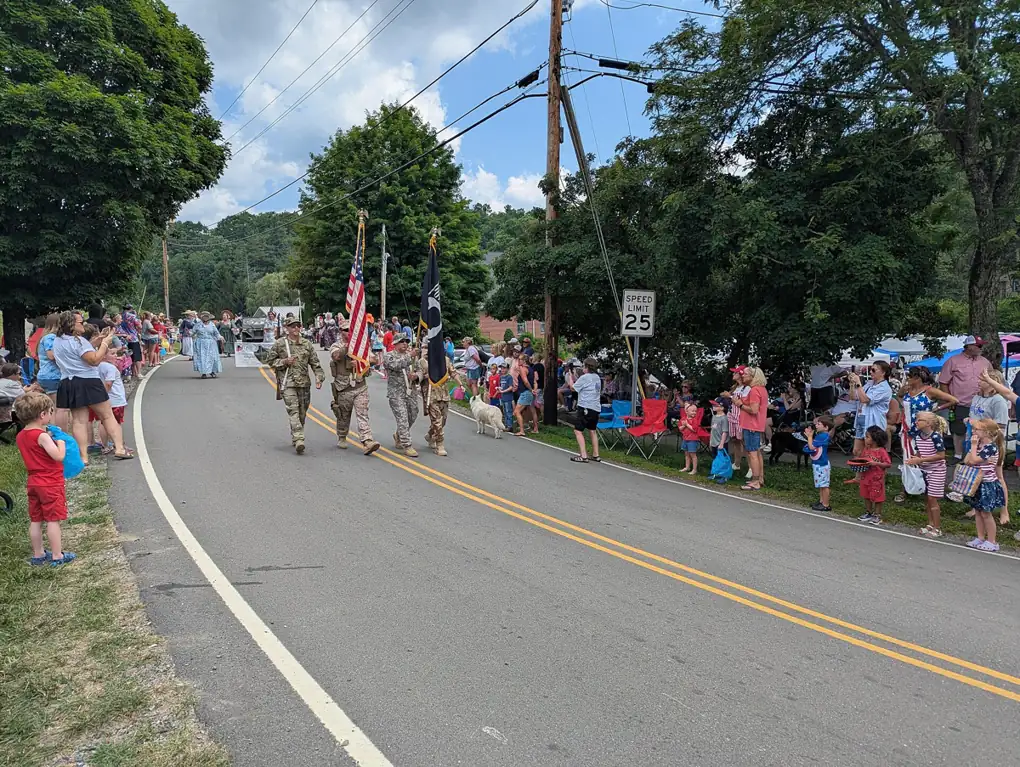
Friday belongs to the park and the feed. In two thousand nineteen the Friday programme opened with a sand volleyball tournament at five in the evening, running alongside a hamburger feed served from five to seven at the Commanding Officer’s Quarters, and the two thousand twenty-four preview kept the same Friday pairing of volleyball and the historical society feed. Saturday starts early and outdoors: run registration opened at half past six in the morning in two thousand nineteen, with a four-mile run and a two-mile walk setting off at half past seven. The parade lineup formed at nine, and the parade itself stepped off at ten, that year marching under the theme Come to the Movies with the Kanopolis Drive-In Theater riding as grand marshal.
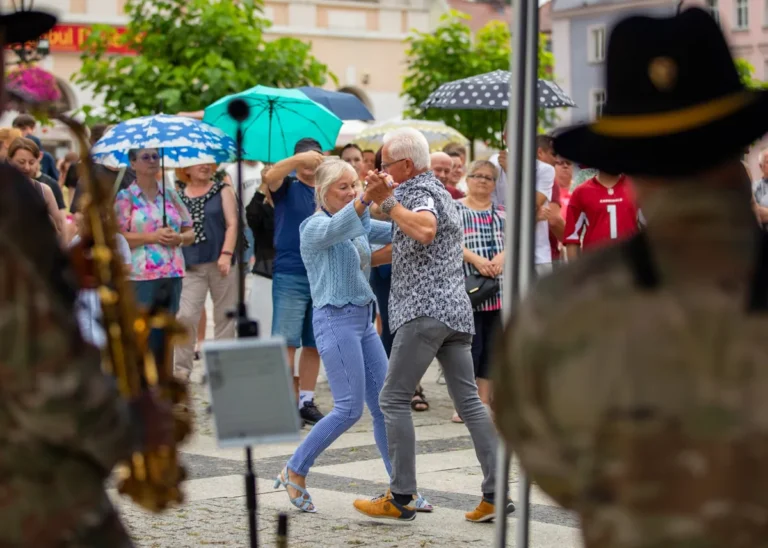
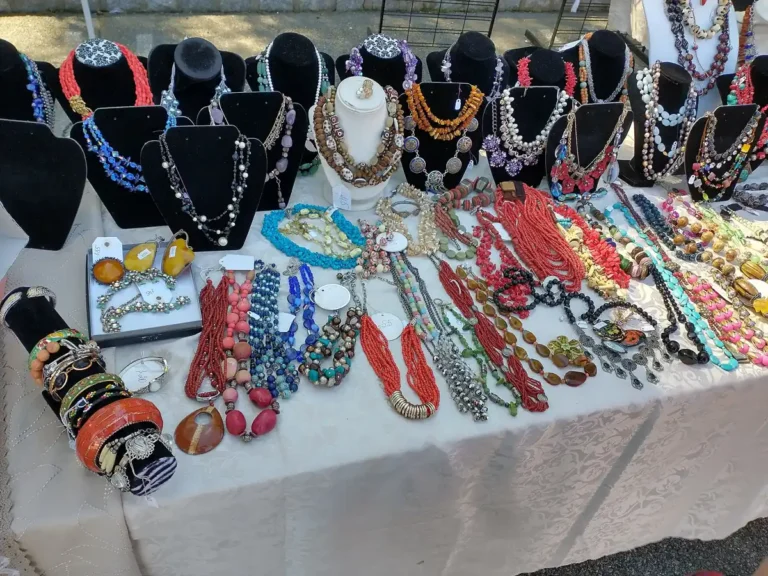
Around those fixed points the programme layers pile up small-town contests. Turtle races appear in both the two thousand twenty-one recap and the two thousand twenty-four preview. Wagon racing shows up in two related forms, chuck wagon races in the two thousand twenty-one account and covered wagon races in two thousand twenty-four. The two thousand twenty-one fort-history listing adds a washer board tournament, a beer garden, food vendors, dancing and karaoke to the mix, while two thousand nineteen was the year a dodge-ball tournament and yard games were introduced as new. Bouncy houses round out the children’s side of the grounds. Vendor numbers give the weekend its scale: the two thousand twenty-four preview counted around seventy-five or seventy-six arts, crafts and other vendors, printed as that approximate pair in the source. Saturday night ends on a civic note, with the Kanopolis Volunteer of the Year named to close the celebration, a presentation the two thousand twenty-one recap also records.
Planning Your Visit
Anchor the trip to the second weekend in July, the slot the fort-history layer gives as the celebration’s standing placement, and let the documented rhythm of past editions shape the days. Friday rewards an early arrival: the volleyball tournament and the hamburger feed both begin at five in the evening, and the feed’s two-hour window at the Commanding Officer’s Quarters is the one part of the weekend with a firm closing time in print. Anyone entering the run or walk should plan on the park by half past six on Saturday morning for registration, well before the parade crowds gather for the nine o’clock lineup and the ten o’clock start.
Money questions have a short answer in the record: no layer read states a general admission charge for the weekend. Two money details do appear, and both belong to single elements rather than to any gate. The origins account remembers tickets sold for the nineteen seventy-six hog feed, which is a detail of that first year and not a price for today’s event, and the two thousand twenty-one recap mentions registrations for the run and walk, which is an entrant’s arrangement and not a spectator’s fee. Programmes are best confirmed through local news previews as the weekend approaches, since the fine detail has shifted a little from edition to edition.
A Sample Itinerary
A traveller could spend Friday afternoon settling into town, reach the park for the five o’clock volleyball, and then cross to the Commanding Officer’s Quarters for the hamburger feed before seven. Saturday would begin at the registration table at half past six, continue on foot over the four-mile run or the two-mile walk at half past seven, and slow down in time to watch the parade form up at nine and roll through town at ten. The middle of Saturday belongs to the vendor rows, the turtle races and the wagon races, and the evening ends where the celebration itself ends, with the Volunteer of the Year presentation on Saturday night.
How It Compares
Confusion is possible with Cowtown Days, so the boundary is worth drawing clearly: that celebration belongs to the city of Ellsworth, the county seat, and not to Kanopolis. An older community page once carried an Ellsworth-Kanopolis Cowtown Festival listing, but that blended name is a different label entirely, and it is not used anywhere in this article as evidence for Fort Harker Days. The sharper contrast is internal. For most of the year, Fort Harker is a place of quiet stone buildings, a guardhouse museum and an officer’s quarters that visitors walk through at museum pace. For one July weekend, the same ground fills with volleyball nets, parade floats and race turtles, and the difference between the site’s everyday stillness and its festival noise is the whole character of the event.
Checklist
- Circle the second weekend in July and confirm the year’s dates in local news previews
- Reach the park by five on Friday for the volleyball tournament
- Eat at the hamburger feed between five and seven at the Commanding Officer’s Quarters
- Register for the run or walk at half past six on Saturday morning
- Find a parade spot before the ten o’clock start on Saturday
- Leave time for the turtle races and wagon races between parade and evening
- Browse the vendor rows for the arts and crafts sellers
- Stay through Saturday night for the Volunteer of the Year presentation
- Walk the fort grounds and the Guardhouse Museum outside festival hours
Beyond the Festival
The fort does not close when the weekend ends. The Guardhouse Museum and the fort site itself welcome visitors through the year, and a traveller who meets them first during the festival can return in a quieter month to read the buildings at a slower pace. The Commanding Officer’s Quarters, familiar from the Friday feed, rewards a second look in daylight as a piece of frontier domestic architecture rather than a serving line. The Kanopolis Drive-In Theater, which the town honoured as its parade grand marshal in two thousand nineteen, is another standing institution, and it gives an evening in town a second act. Ellsworth, the county seat, makes the natural companion stop for anyone wanting to see the other half of the county’s story.
Why It Matters
A celebration that begins as a Bicentennial hog feed and is still filling the park nearly five decades later is a record of a small town repeatedly choosing to gather. The committee form of organisation, with neighbours and the mayor serving side by side, keeps the weekend locally owned. The closing honour captures the ethos best: a festival that ends by naming a Volunteer of the Year is a festival that knows its own labour force is the point. In borrowing the fort’s name, Kanopolis also keeps its earliest chapter in circulation, so that each July the parade and the races carry a history lesson inside them whether or not anyone stops to call it that.
Frequently Asked Questions
Why does the celebration carry the Fort Harker name?
A local news origins account explains that the weekend began under other footing, first as a Bicentennial hog feed and then as July Fest, and was renamed Fort Harker Days later because of the community’s fort history. The Commanding Officer’s Quarters and the Guardhouse Museum give that history a physical address in town.
Which honours close the celebration on Saturday night?
Both the two thousand twenty-one recap and the two thousand twenty-four preview place the Volunteer of the Year presentation at the end of Saturday, with the two thousand twenty-four edition naming the Kanopolis Volunteer of the Year Award as the closing act of the whole weekend.
What became of the two thousand twenty edition?
It did not happen. The fort-history layer records that the two thousand twenty edition was cancelled, and the celebration resumed the following year, when the two thousand twenty-one edition ran on the ninth and tenth of July with the run and walk reaching their twentieth year.
Who actually puts the weekend together?
A volunteer committee does, printed in the layers as the Fort Harker Days planning committee and as the Fort Harker Days Committee. Local news names its members, the mayor of Kanopolis among them, and city minutes show the city supporting the effort by covering the event’s insurance in two thousand twenty-four.
What to Expect From the Next Ellsworth County Kansas Fort Harker Days Festival
How often is Ellsworth County Kansas Fort Harker Days Festival held?
The fort-history layer bills Fort Harker Days as a fixture of the second weekend in July, and the documented runnings in two thousand nineteen, two thousand twenty-one and two thousand twenty-four all landed on that weekend. The cancelled two thousand twenty edition is the exception that shows the fixture can be lost in a given year.
When is the next Ellsworth County Kansas Fort Harker Days Festival?
The layers gathered here stop with the two thousand twenty-four edition, which ran on the twelfth and thirteenth of July, so the honest guide is the standing placement: watch for the second weekend in July and for the local news previews that carry each year’s programme as it is set.
Will the dates change?
Every documented edition sits on the second weekend in July, from the ninth and tenth in two thousand twenty-one to the twelfth and thirteenth in two thousand nineteen and two thousand twenty-four, so the weekend itself looks firmly settled. The two thousand twenty cancellation is the standing reminder that circumstances, rather than the calendar, are what can move.
Closing
Fort Harker Days is a modest weekend with deep roots: a hog feed that refused to end, a fort that lent its name, and a park that fills each July with runners, turtles, vendors and neighbours. Travellers who time a visit to the second weekend will find Kanopolis telling its own story at full volume; those who come at another time will find the quarters and the guardhouse waiting, holding the same history at a quieter pitch.