Faribault County Minnesota Fair Festival
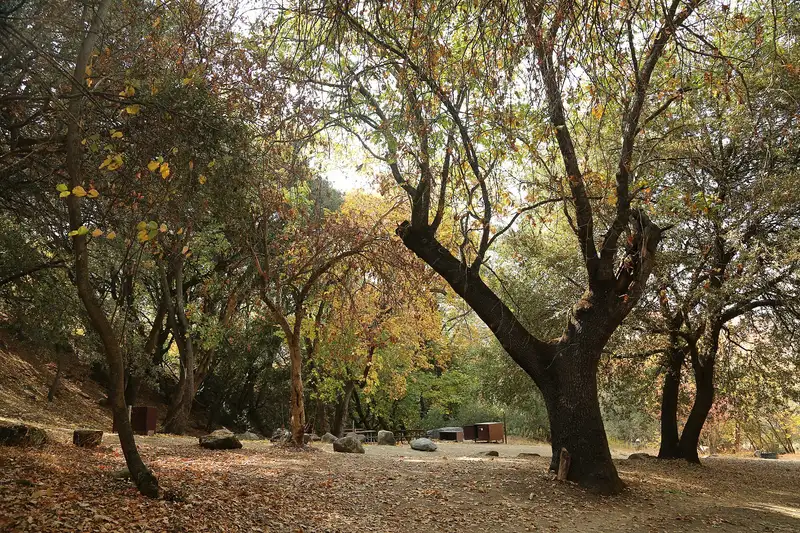
Every county fair needs a way to describe itself, and Faribault County’s chose shade. The fair in Blue Earth calls itself “The Giant Gathering Under the Oaks,” after the mature oaks that canopy its fairgrounds, and for four days in the fourth week of July the name earns its keep. Beneath those trees, in one of Minnesota’s most southerly farming counties, a fair organised by a society founded before the Civil War stages tractor pulls, a rodeo and a free closing concert at almost no cost to walk in.
The money works differently here. Instead of a gate price per person, admission in recent seasons has been organised around the car: a season parking pass at $10 per car, day parking at $5, or a walk-in season pass at $10, with children aged twelve and under admitted free. A carload of neighbours can attend all four days for less than one daily ticket costs at many Minnesota fairs.
The grandstand runs a proper four-night ladder. The week opens with an NTPA United Pullers tractor pull, continues with a rodeo and then an autocross night, and closes on Saturday with a concert that costs nothing beyond a free-will offering. In recent seasons the ticketed grandstand shows have been priced at about $15 each, which makes the free finale feel less like a promotion and more like the fair’s philosophy stated out loud.
One warning belongs at the top of any guide to this fair: Minnesota contains three similarly named traps. This is the Faribault County Fair, held in the city of Blue Earth. It is not the fair in the city of Faribault, which belongs to Rice County, nor the Blue Earth County Fair, which takes place in Garden City. Untangle those names first and the rest of the trip is straightforward.
Faribault County Fair at a Glance
| Event | Faribault County Fair |
| County | Faribault County |
| State | Minnesota |
| Fair Town | Blue Earth (county seat) |
| Organiser | Faribault County Fair and Agricultural Society |
| Season | Fourth week of July, Wednesday to Saturday |
| Grounds | 235 Midway Road, Blue Earth, shaded by mature oaks |
| Admission | Season parking $10 per car or $5 per day; walk-in season pass $10; children 12 and under free |
| Grandstand | Shows around $15 in recent seasons; Saturday-night concert free |
| Known for | “The Giant Gathering Under the Oaks” and a society organised in 1859 |
Because this fair holds the late-July slot, it works well as the opening leg of a longer Minnesota fair tour. Visitors building a summer circuit often follow it a few weeks later with the Douglas County Minnesota Fair Festival in Alexandria, where a single ticket covers four August days beside a working speedway. The nearer comparison, though, is the fair one county away in Garden City, covered further down this page.
Which Fair Is This? Untangling Three Similar Names
The Faribault County Fair takes place in Blue Earth, the county seat, on grounds at 235 Midway Road. The town sits on the Blue Earth River, deep in the farmland along Minnesota’s southern border, and the county is named for Jean-Baptiste Faribault, a French-Canadian fur trader who worked this region long before it was farmed. The fairgrounds’ defining feature is overhead: mature oaks shading much of the site, giving the fair its slogan and its character.
The first decoy is the city of Faribault, well to the north in Rice County, which hosts a county fair of its own under a nearly identical name. The second is closer: neighbouring Blue Earth County, whose seat is Mankato, holds its fair in the small town of Garden City. Three fairs, three counties, three towns, and a tangle of shared words. Aim at the city of Blue Earth, in Faribault County; treat any other combination as a wrong turn.
Organised in 1859: A Society From Minnesota’s First Years
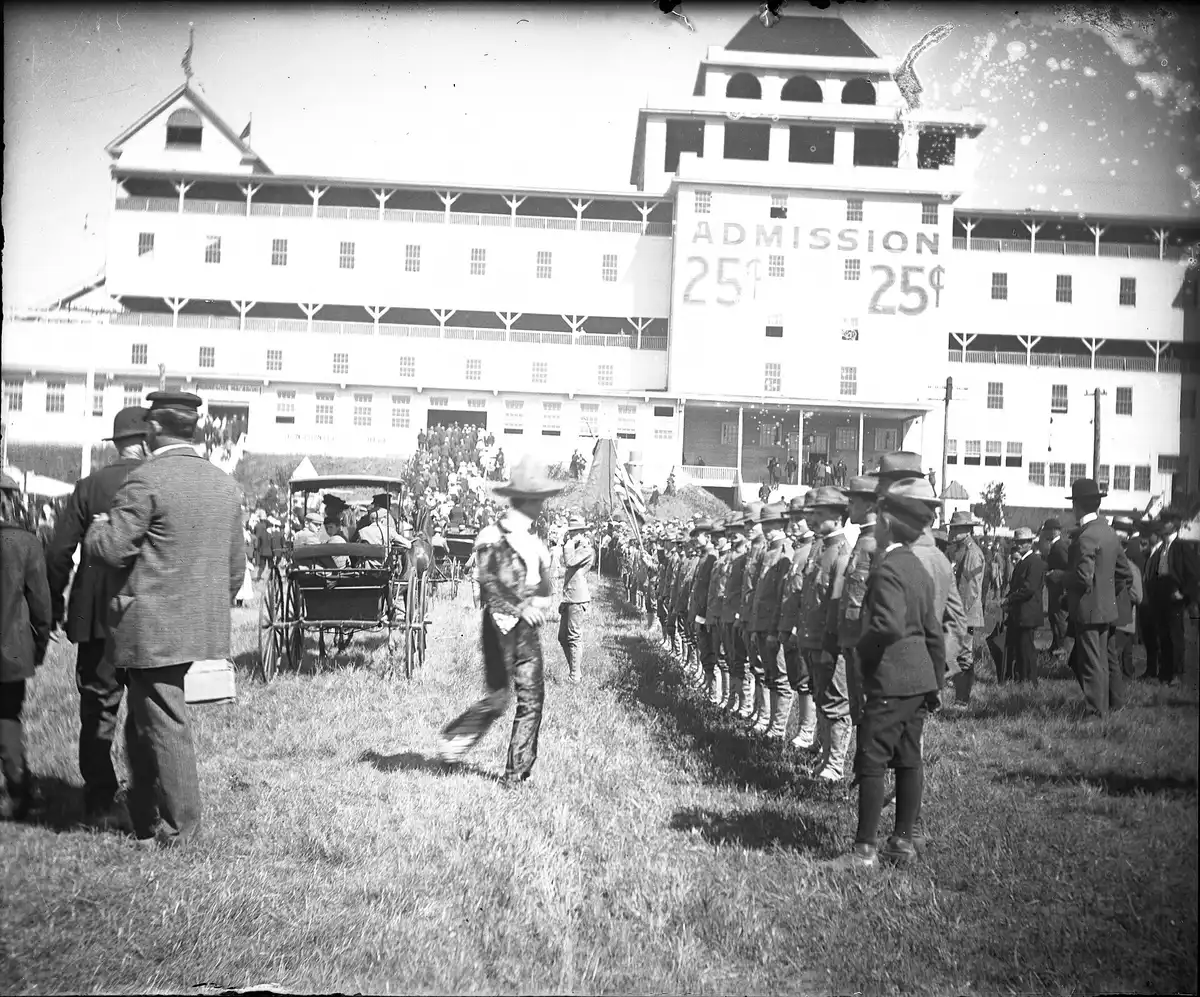
The Faribault County Agricultural Society was organised at Winnebago City, now the town of Winnebago, in 1859, when Minnesota had been a state for barely a year. Agricultural societies were among the first institutions settlers built, because a fair was how a new farming county measured itself: whose wheat, whose cattle, whose needlework set the standard. That this society formed so early, in a county still being broken to the plough, says much about its founders.
A Faribault County fair was already being held by 1868, and the fair’s own edition counting, which reached a 161st fair in 2022 and a 163rd in 2024, points to a first fair around 1862. The event later settled in Blue Earth, where it has remained. Paper reorganisations aside, the through-line is genuine: the gathering under the oaks descends from a society organised before the Civil War, one of Minnesota’s oldest continuous fair traditions.
Four Days Under the Oaks
A Faribault County fair week divides into daylight hours and grandstand nights. The days belong to the barns, the exhibit buildings and a heavy programme of free entertainment; the evenings belong to the grandstand, climbing a four-night ladder from machinery to horsemanship to speed to music.
Wednesday Opens With the NTPA Pull
The week’s first grandstand night is its loudest. The NTPA United Pullers bring sanctioned tractor pulling to Blue Earth on Wednesday: purpose-built tractors dragging a weighted sled down the track in clouds of diesel smoke. It is a serious circuit stop rather than a local novelty, setting the tone for a grandstand programme that takes itself seriously even though the gate outside barely charges.
Thursday’s Rodeo and Friday’s Autocross
Thursday swaps mechanical horsepower for the original sort, with a rodeo in the grandstand arena. Friday turns the track over to autocross, where everyday cars race a tight course against the clock, close enough to the crowd that every mistake is visible. The sequence is deliberate, and each night pulls a somewhat different crowd, while the season parking pass quietly encourages local families to collect all four.
A Free Concert to Close the Week
Saturday night breaks the pattern the other nights set. Where the pull, rodeo and autocross have each cost about $15 in recent seasons, the closing concert is free, supported by a free-will offering. It is the fair’s biggest communal moment: exhibitors, families and visitors in one stand, paying what they can for the music. Bring something for the offering; the model works because the crowd treats it honestly.
Lumberjacks, Magicians and Mutton Bustin’
Between the grandstand nights, the grounds run on free entertainment. Recent fairs have featured the All American Lumberjack Show, all sawdust and axes, alongside Magic by Chaz, a kids’ pedal pull and mutton bustin’ for the smallest would-be rodeo riders. A mule show and a horse show serve the animal-minded, and on the closing days the Flea Junktion flea market spreads through part of the grounds. Almost all of it is included with admission.
The Cheapest Week of Summer: Planning the Trip
What It Actually Costs
Work the arithmetic before you go. In the fair’s recent published pricing, a season parking pass costs $10 per car, day parking is $5, a walk-in season pass is $10, and children aged twelve and under enter free. Grandstand shows have run about $15 each, with the Saturday concert free. Two evenings can cost a couple as little as $10 in parking. Prices are set season by season, so confirm the current figures before travelling, but the structure is the promise: the county is invited, not upsold.
Getting to Midway Road and Staying Over
The fairgrounds sit at 235 Midway Road in Blue Earth, and because admission is organised around parking, arriving by car is the natural way to attend. Be parked well before grandstand time on pull and rodeo nights, when the evening crowd converges. Blue Earth, as the county seat, is the obvious base for staying over, and its rooms are most contested during the fair’s four days, so book ahead. The fair does not publish camping arrangements on its grounds, so would-be campers should ask the fair office directly.
Late-July Weather in the Far South of Minnesota
The fourth week of July is high summer in southern Minnesota: hot afternoons, long light evenings and the standing possibility of a thunderstorm rolling across the farmland. This is where the oaks stop being a slogan and become infrastructure, since much of the grounds sits in genuine shade. Dress for heat, carry water, and keep a light layer for the grandstand after dark.
One Saturday at the Giant Gathering
Start the morning in the barns and exhibit buildings, before the day heats up. By Saturday the ribbons are pinned and the animals settled, so it is the best morning to see what the county actually entered: livestock, crops, home arts. Walk the grounds end to end once while it is quiet.
Give the afternoon to the free programme. The lumberjack show and strolling entertainment run through the middle of the day, the pedal pull and mutton bustin’ reward families who time them well, and the Flea Junktion flea market is at its fullest on Saturday. Eat from the food stands, rest in the shade at the hottest hour, and treat the afternoon as the fair’s long, unhurried middle.
Spend the evening in the grandstand. Saturday’s concert costs nothing beyond a free-will offering, and the stand fills with the whole week’s cast: exhibitors done showing, families on their fourth night, visitors on their first. Arrive early, bring something for the offering, and stay to the end; walking out under the oaks in the dark is the fair’s signature exit.
Blue Earth or Garden City? Two Fairs in the Same Week
The natural comparison is the Blue Earth County Fair in Garden City, a short drive west, which also runs for four days in late July on a historic riverbank site beside the Watonwan River. Garden City’s fair is the smaller and quieter of the two: a compact, walkable ground built around open-class exhibits, demonstrations and a compact car demolition derby, and a fair that nearly left for a site nearer Mankato a decade ago before the move was called off. Faribault’s fair sits in its county seat and runs the bigger grandstand programme.
Choosing between them is a matter of appetite. Garden City rewards slow wandering and close looking at what a county makes and grows. Blue Earth rewards anyone who wants a full evening’s entertainment stacked across four nights, at a gate cost that barely registers. Since both fairs share the same late-July window and sit an easy drive apart, committed fairgoers can sample both in one week, and plenty of southern Minnesota families quietly do.
Before You Set Off for Blue Earth
- The current season’s parking, pass and grandstand prices, confirmed before you travel
- Cash in small notes for parking and for Saturday’s free-will offering
- An early arrival on Wednesday and Thursday, the biggest grandstand nights
- Your destination checked twice: the city of Blue Earth, not the city of Faribault
- Sun protection and water, despite the oak shade
- A light layer for the grandstand after dark
- Shoes that can handle grass, dust and a long day
- Time on the closing days for the Flea Junktion flea market
- Lodging booked ahead if staying over
Blue Earth Beyond the Fair Week
Blue Earth is a working county seat in serious farming country, and fair week is when it most fully becomes a gathering place. The town sits on the river of the same name, in a county named for a fur trader who knew the region when it was beaver country rather than corn country. Beyond the fair, the town makes a base for southern Minnesota’s slow pleasures: riverbanks, main streets, and farmland running to the horizon.
Why the Giant Gathering Still Matters
Plenty of fairs survive by becoming something else: a concert venue with exhibits attached. Faribault County’s fair has survived since the 1860s by staying close to its original bargain. The society organised in 1859 still runs it, the county’s animals and produce still sit at its centre, and the pricing still treats attendance as a civic habit to encourage rather than a revenue stream to maximise. A $10 car pass keeps the gate open to the whole county at once: the agricultural society’s founding idea, intact.
Finding Your Way Around the Midway Road Grounds
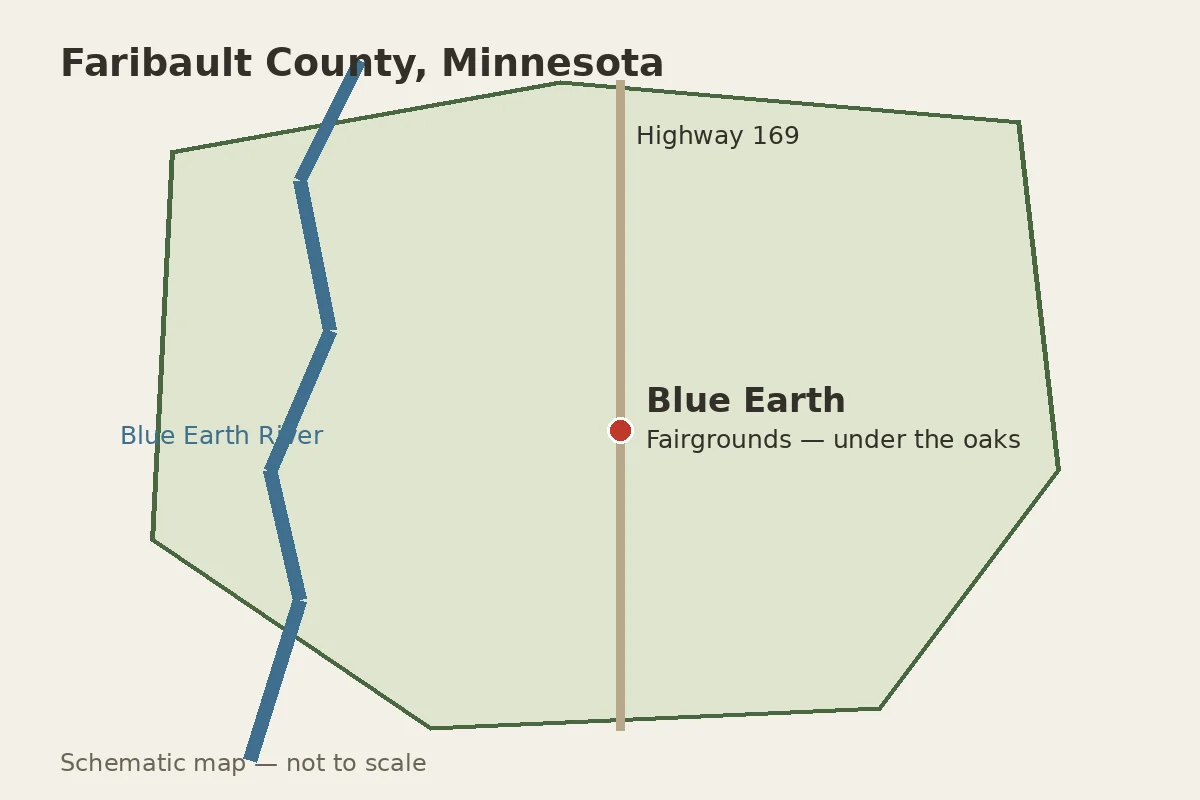
The grounds at 235 Midway Road are best read through their trees. The map below sketches the layout: the parking fields the admission model depends on, the barns and exhibit buildings under the oak canopy, the grandstand that anchors the evenings, and the open ground where the flea market spreads on the closing days. Learn the grandstand’s position first; every evening eventually flows toward it.
Frequently Asked Questions
Where is the Faribault County Fair actually held?
It is held in Blue Earth, the county seat of Faribault County, at fairgrounds on 235 Midway Road. It is not the fair in the city of Faribault, in Rice County, nor the Blue Earth County Fair, which takes place in Garden City.
How much does the Faribault County Fair cost?
Very little by modern standards. In recent published pricing, a season parking pass costs $10 per car, day parking is $5, a walk-in season pass is $10, and children aged twelve and under enter free. Grandstand shows have cost about $15 each; the Saturday-night concert is free with a free-will offering. Check the current season’s figures before you go.
What does “The Giant Gathering Under the Oaks” mean?
It is the fair’s long-standing slogan. The fairgrounds in Blue Earth are shaded by mature oak trees, and the phrase captures both the physical setting, a large crowd gathered under a canopy of oaks, and the fair’s role as the county’s biggest annual get-together.
What are the biggest nights at the Faribault County Fair?
Each grandstand night has its own draw. The NTPA United Pullers tractor pull opens the week on Wednesday, the rodeo follows on Thursday, autocross runs on Friday, and the fair closes Saturday night with a free concert supported by a free-will offering.
What to Expect From the Next Faribault County Minnesota Fair Festival
How often is the Faribault County Fair held?
The Faribault County Fair is held once a year, every summer. Its organising society dates to 1859, and its own numbering passed a 163rd edition in 2024, so the annual rhythm is one of Minnesota’s oldest.
When is the next Faribault County Fair?
The next fair is expected in the fourth week of July, running Wednesday to Saturday as in recent seasons, and the fair already promotes that same late-July slot for future editions. Confirmed programmes appear as the season approaches.
Will the dates change?
The fourth week of July has been the fair’s consistent home across recent seasons, so a significant move is unlikely. Small adjustments are always possible, so plan around the traditional week and confirm before booking travel.
There are richer fairs in Minnesota, and louder ones, and fairs with bigger names on the grandstand. Very few can seat a whole county under a canopy of oaks, run a sanctioned tractor pull and a free concert in the same week, and charge a carload of neighbours ten dollars to come back every night. That combination is no accident; it is a society keeping faith with an idea from 1859.
Last updated: October 2026