Blaine County Idaho Trailing of the Sheep Festival

Every October, a band of sheep walks down a paved main street in central Idaho while a few thousand people line the curb and watch. That is the simplest way to describe the Trailing of the Sheep Festival, and also the least complete, because the weekend built around that parade includes sheepdog trials, a wool market, Basque dancing, storytelling and long tables of lamb.
This is a working heritage celebration rather than a reenactment. Ranching families in the Wood River Valley still move animals between high summer range and lower winter ground each fall, and the festival exists to keep that old rhythm visible in a county now better known for skiing, second homes and singletrack. For visitors, it is also an unusually easy event to plan around: the towns are small, the drives are short, and most of what happens on the street costs nothing to watch.
Blaine County Festival Essentials: What to Know Before You Book
| Festival area | Ketchum, Hailey, Sun Valley and the wider Wood River Valley |
| County | Blaine County, Idaho |
| County seat | Hailey |
| County population | 24,272 |
| County size and founding | 2,661 square miles; founded March 5, 1895 |
| Region and setting | Central Idaho high-desert mountain valley beneath the Sawtooth range |
| Typical timing | Each autumn, usually over a long weekend in October |
| Admission | Most street events are free; some meals, workshops and performances are ticketed |
| Signature features | Sheep parade, sheepdog trials, wool market, Basque and Peruvian herding traditions |
| Organizer | A community-run event staged by local volunteers, ranchers and valley businesses |
What the Trailing of the Sheep Festival Is Really About
The Trailing of the Sheep Festival is a multi-day event spread across several Blaine County towns rather than a single fairground. Programming rotates through Ketchum, Hailey, Sun Valley and Bellevue, so visitors spend the weekend moving between historic main streets, parks, a resort village and the ranch country that surrounds all of it.
At its core, the festival honors the seasonal movement of sheep from mountain pastures down toward winter range. The parade along Ketchum’s Main Street is the centerpiece, but it sits inside a much larger program: sheepdog trials, a wool festival stocked with fleece and fiber vendors, cooking demonstrations, lamb dinners, Basque dance performances, and talks led by the herders and ranchers who still do the work.
It helps to know that this is a community production rather than a corporate one. Volunteers, ranch families and small businesses pull it together, and the tone stays deliberately unpretentious. You will find as many people in work boots as in hiking jackets, and nobody minds if you ask a herder a long question about dogs.
Sheep, Basque Herders and the Wood River Valley’s Ranching Story
The Wood River Valley was never only a mining or skiing valley. Blaine County was organized on March 5, 1895, in the middle of a boom that pulled prospectors, freighters and ranchers into central Idaho, and sheep suited the landscape almost immediately: high mountain meadows for summer grazing, sagebrush desert to the south for winter, and a long walk in between.
Many of the people who made that walk came from the Basque Country, with others arriving from Peru, Mexico, Scotland and Chile. Their camps, dogs and cooking shaped the working culture of the valley long after the mines faded and the ski lifts went up. For decades, the fall trailing was simply ranch business, timed to weather and grazing permits.
By the middle of the twentieth century, large sheep bands had thinned across the West, and the trailing that had once been purely economic became something families had to choose to keep doing. The festival grew out of that moment. It was a way to thank the industry, feed the town, and teach newcomers where the valley’s open space actually came from.
How a Festival Weekend Unfolds in Ketchum and Hailey
Expect a busy but manageable few days. Events run from morning into evening across several towns, and the biggest crowds gather for the parade and the sheepdog trials. Here is how the main strands break down.
Food and Drink: Lamb, Chorizo and Basque Tables
Lamb is the thread that ties the weekend together, appearing as grilled chops, slow-braised stew, chorizo, paella and sheep’s milk cheese. Ticketed dinners and cooking demonstrations tend to sell out first, so reserve early if a specific meal matters to you. Between events, street vendors, bakeries and valley breweries keep things easy, and you can eat well without ever sitting down to a formal dinner.
Music, Dance and Storytelling from Two Hemispheres
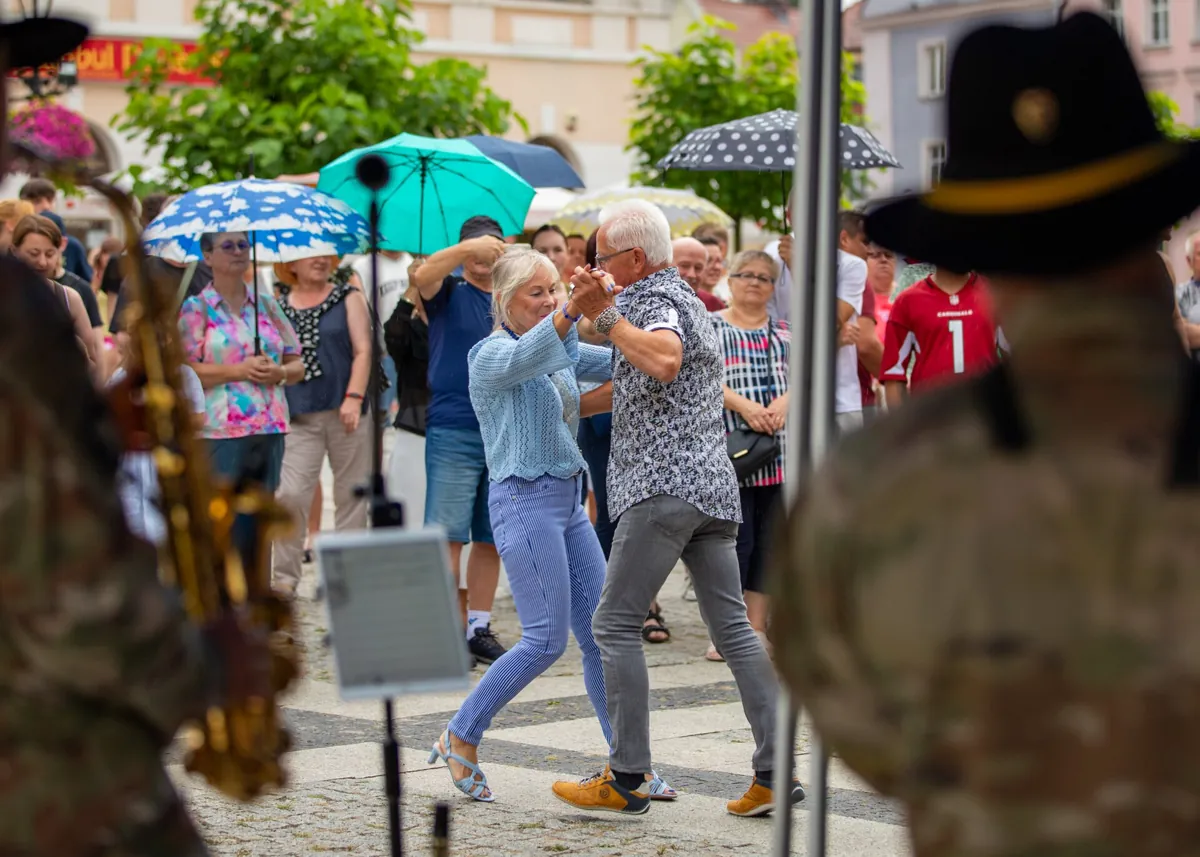
Basque dancers and musicians are a fixture, often performing in the same squares where fiber vendors set up their stalls. Alongside them you will find folk and acoustic acts, sheep camp storytelling, sheep shearing demonstrations and evening concerts in indoor venues. Much of the entertainment is free and outdoors; the ticketed shows are usually the ones with a fixed seat count.
Sheepdog Trials, Wool Crafts and Family Corners
The sheepdog trials are the quiet crowd-pleaser. Border collies work a field of sheep on whistles and hand signals, and children tend to go still watching it. Nearby, wool craft areas let younger visitors card, spin and felt, while the parade itself is short enough to hold a toddler’s attention. Strollers work fine, though the streets get crowded right before the flock arrives.
Planning a Blaine County Trip Around the Trailing
Blaine County is compact by Idaho standards, but October logistics still reward a little forethought.
Getting to the Wood River Valley
Most visitors drive in along Idaho 75, the two-lane highway that threads the valley from Bellevue through Hailey and Ketchum. Boise is the nearest major airport, and the valley has a small regional airport of its own with limited service. Once you are in, Ketchum, Hailey and Bellevue sit within a short drive of one another, which makes a car useful but not constantly necessary.
Where to Stay in Ketchum, Hailey and Bellevue
Ketchum and Sun Valley put you within walking distance of the parade and the resort amenities. Hailey, the county seat, and Bellevue generally cost less and are still only minutes away. Lodging in the valley is finite and October is a popular shoulder season, so book months ahead rather than weeks.
Parking and Moving Between Festival Sites
Street parking near the parade route disappears early. Use the designated lots and shuttles where they are offered, arrive before the morning rush, and expect temporary road closures on parade day. The simplest strategy is to park once, walk the rest of the day, and move your car only when you change towns.
Admission, Tickets and What Things Cost
Most street events are free to attend, including the parade and the outdoor entertainment. Ticketed items generally include lamb dinners, cooking classes, some concerts and hands-on workshops. Bring cash for vendors, raffles and small purchases, and check the official schedule for anything requiring advance reservations.
October Weather and What to Pack
Autumn in the mountains means crisp mornings, mild afternoons and the real possibility of wind or an early snowfall at higher elevations. Layers are essential, along with a hat, gloves, sunglasses and shoes you can stand in for hours. The sun at this altitude is stronger than it feels.
A Sample Weekend Itinerary in the Wood River Valley
Friday: arrive, check in and take an easy walk through Ketchum or Hailey before the crowds build. The weekend typically opens with an evening event — a film, a talk or a kickoff gathering — followed by dinner somewhere casual.
Saturday: head to the sheepdog trials in the morning, when the light is good and the fields are less packed. Spend midday at the wool market and fiber demonstrations, then take the afternoon off for a short hike or a drive up the valley. Saturday evening is the natural slot for a Basque dinner and live music.
Sunday: claim a parade spot early, watch the flock come down Main Street, then linger over brunch while the streets clear. If you have time before leaving, stop at a museum or ranch on the way out of the valley — it makes the history behind the parade land differently.
How the Trailing Compares to Other Idaho Mountain Events
Ketchum’s Wagon Days, held in late summer, is the closest cousin: another heritage parade with big crowds, but focused on mining-era freight wagons rather than livestock. Hailey’s summer rodeo and old west celebrations are smaller, cheaper and more purely local, with better lodging availability. And the Sun Valley area’s winter season is the valley at its busiest and most expensive, which makes October feel relaxed by comparison.
If your priority is agriculture and food culture, the Trailing is the clear pick. If you want a parade without the animal husbandry, Wagon Days works. If you want a low-key small-town weekend, Hailey in summer is hard to beat.
Packing and Prep Checklist for Sheep Country
Book lodging and any ticketed meals well in advance. Check the official schedule before you travel, since events move between towns. Pack layers, gloves, a hat and comfortable shoes. Carry cash for vendors. Plan to park once and walk. Leave pets at home — crowded streets and working dogs make it a poor outing for them. Bring a refillable water bottle, sunscreen and a camera with some zoom for the trials.
Beyond the Parade: The Rest of Blaine County
The festival is a good excuse to see more of the valley. North of Ketchum, the road climbs toward Galena Summit and the Sawtooth Mountains, with overlooks that justify the drive on their own. The Big Wood River runs the length of the valley and draws anglers all season. Mountain bikers and hikers have trails in nearly every direction, and the resort side of Sun Valley offers its own restaurants and shops.
In Hailey, the historic downtown rewards a slow afternoon, and Bellevue keeps a quieter, working-town feel. Add a soak in one of the region’s hot springs, a stop at a local gallery, or a day trip north toward Stanley, and a festival weekend easily stretches into four or five days.
Why the Trailing Still Matters to Blaine County
For a county of 24,272 people spread across 2,661 square miles, the festival does several jobs at once. It fills a shoulder-season weekend when lodging and restaurants would otherwise be quiet. It pays visible respect to the ranching families whose land keeps the valley from being fully paved. And it hands newer residents and visitors a piece of context that no trail map provides.
Just as importantly, it keeps a multicultural story in view. The herders who built this industry came from the Basque Country, Peru, Mexico and beyond, and their descendants still show up to dance, cook and tell stories each fall. That continuity is the reason the event feels like a hometown gathering rather than a themed attraction.
Where the Trailing of the Sheep Takes Place
The festival unfolds along the Wood River Valley in Blaine County, Idaho, with events centered in Ketchum and Hailey and additional programming in Sun Valley and Bellevue.
Trailing of the Sheep: Visitor Questions, Answered
When does the festival usually happen?
It is an autumn event, typically staged over a long weekend in October to match the real movement of sheep off the high country. Confirm current dates through the official festival schedule before booking travel, since specific days shift from year to year.
Do I need tickets to attend?
Most of the street-level programming is free, including the parade, the outdoor music and much of the wool market. Ticketed items are generally limited to sit-down meals, cooking demonstrations, some concerts and hands-on workshops.
Which town should I base myself in?
Ketchum and Sun Valley are best if you want to walk to the parade and the resort. Hailey and Bellevue suit travelers who prefer lower rates and don’t mind a short drive. In every case, book early — valley lodging is limited.
Can I bring my dog to the sheepdog trials?
Leave pets at home or at your lodging. The trials involve working dogs and livestock, the streets are crowded, and a strange dog in the crowd is a distraction nobody needs — including the border collies.
Looking Ahead to Future Trailing Weekends
The festival’s challenge is a familiar one for heritage events in desirable places: how to grow without losing the thing that made it worth attending. More visitors mean more pressure on lodging and parking, and rising land values make it harder for ranching families to stay in the valley at all. The most likely path forward is steady rather than explosive — more programming in Hailey and Bellevue, more ticketed capacity where demand is clear, and continued emphasis on the herders, dogs and fiber producers at the center of it.
Last updated: October 2026
If you go, go for the sheep first and treat everything else as a bonus. Watch the flock come down the street, listen to the whistles at the trials, eat something lamb-based, and take a minute to look up at the mountains the animals just walked out of. That combination is what makes the Trailing of the Sheep one of the most distinctive fall weekends in the American West.