Evangeline Parish Louisiana Louisiana Cotton Festival

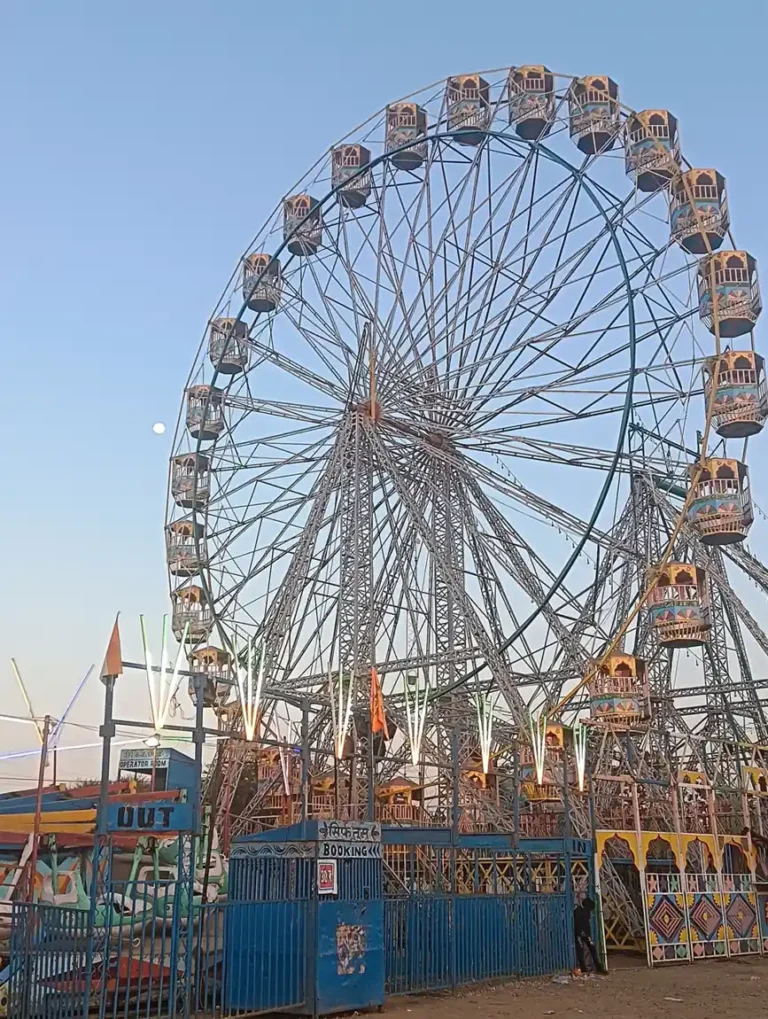
In Evangeline Parish, cotton is not a chapter in a history book. It is the crop that cleared the prairie, built the gin yards, and paid for the churches and schoolhouses that still anchor towns like Ville Platte. Each autumn, the Louisiana Cotton Festival gathers that story into a weekend of parades, food booths, carnival rides, live music and cotton exhibits, and much of the parish shows up for it.
The celebration is equal parts harvest festival and family reunion. Pickup trucks roll in off the backroads, grandparents claim shade under the same trees they have used for years, and anyone who grew up here but moved away seems to find a reason to come home. If you have never been, the short version is this: a small-town Louisiana festival with a big sense of occasion, built around a crop that shaped everything around it.
Evangeline Parish Cotton Festival Essentials
| Town / area | Ville Platte and communities across the Evangeline Parish area |
| Parish | Evangeline Parish, Louisiana — founded 1910, covering about 680 square miles |
| Parish seat | Ville Platte |
| Population | 32,350 (2020 census) |
| Region | South-central Louisiana prairie country, in the heart of Acadiana |
| Typical timing | Autumn, in most years during October |
| Admission | General admission to the festival grounds is typically free; food, rides and souvenirs are extra |
| Setting | Small-town streets and open farmland, with cotton fields still visible on the drive in |
| Features | Parades, cotton exhibits, live music, Cajun food, carnival rides, festival royalty |
| Organizer | Local volunteers and civic groups |
Evangeline Parish’s Cotton Festival, Explained
The Louisiana Cotton Festival takes place in and around Ville Platte, the parish seat of Evangeline Parish. The parish was founded in 1910 and is now home to 32,350 residents spread across roughly 680 square miles of prairie, farmland and small communities. For a few days each autumn, all of that distance collapses into one shared downtown gathering.
The theme is not decorative. Cotton displays, seed cotton, gin equipment and farming exhibits sit alongside the funnel cakes, and the people staffing those booths are often the same families who worked the land two and three generations back. It is a working agricultural tribute rather than a nostalgia act.
Around that core sits everything a good Louisiana festival needs: a parade through town, a festival court, live bands, a midway for the kids, and food booths run by churches, clubs and school groups. General admission to the grounds is typically free, which is part of why so many local families treat the weekend as a standing appointment rather than a splurge.

How Cotton Built Evangeline Parish, and Why the Festival Followed
By the time Evangeline Parish was carved out of the surrounding prairie in 1910, cotton was already the economic spine of the region. Ville Platte had grown into the place where farmers brought their crop to be weighed, ginned, graded and sold, and the town’s fortunes rose and fell with the price of lint.
The festival grew out of that rhythm. A harvest worth celebrating deserved more than a good meal, so the community built an annual event around it — first a modest gathering, then a parade, then a court of local young women representing the crop, then a midway and a full weekend of music. Each decade added a layer.
Mechanization changed the labor, and the number of family farms shrank the way it did across the rural South. The celebration adapted rather than faded. What had once been a straightforward harvest party became something closer to a heritage weekend, with exhibits and storytelling carrying forward knowledge that fewer residents now learn in the field.
That shift is why the festival still matters. It is no longer only about the crop in the ground. It is about the parish’s identity — the prairie, the French and Creole roots, the church halls, the Friday night football fields, and the stubborn local habit of showing up for each other.
What a Festival Weekend in Ville Platte Feels Like
Expect crowds that build slowly. Mornings belong to the parade route and the coffee crowd. Afternoons bring families with strollers and cooler bags. By evening, the music stage takes over and the smell of fried food hangs over everything.
Boudin, Gumbo and the Long Line for Fried Dough
The food is where this festival earns its reputation. Boudin, cracklins, gumbo, jambalaya, fried catfish and smoked sausage are standard, usually sold by local organizations rather than outside vendors. Expect sweet stands too — funnel cakes, beignets, candy apples — and expect the longest lines to form right after the parade ends. Bring cash in small bills; booths move faster that way.
Cajun, Zydeco and Country on the Festival Stage
Live music runs throughout the weekend, leaning on Cajun and zydeco with country mixed in. The best move is to claim a folding chair near the stage in the late afternoon, stay through the evening set, and let the crowd fill in around you. Dancing is common and newcomers are not left standing awkwardly for long.
Rides, Games and Cotton Displays for Kids
Children get a midway with rides and games, plus the chance to handle raw cotton and see how it moves from boll to bale. Parents appreciate that the grounds are compact enough to let older kids roam a little. Strollers are workable, though the grass and gravel sections can be uneven after rain.
Getting to Ville Platte and Planning Your Weekend
Ville Platte sits in the middle of Evangeline Parish, which makes it an easy day trip from much of south-central Louisiana and a comfortable weekend base for anyone exploring Acadiana.
Driving Into Evangeline Parish
Most visitors arrive by car along the region’s main north-south and east-west highways, with the final approach on two-lane roads through rice, soybean and cotton fields. Fuel up before you get close to town; stations near the grounds get busy during parade hours.
Where to Stay Around Ville Platte
Lodging in the immediate area is limited, so many festival-goers stay in the larger nearby cities and drive in for the day. Book well ahead for festival weekends, and consider a small-town bed-and-breakfast or a cabin near the state park if you want the prairie at your doorstep.
Parking Near the Festival Grounds
Parking is generally a mix of street spaces, church and business lots, and temporary fields opened for the event. Arrive early for the parade, follow the volunteers directing traffic, and be patient on the way out — everyone leaves at roughly the same time.
What the Weekend Costs
Admission to the festival grounds is typically free. Your spending will go to food, drinks, ride tickets, games and raffles, plus any craft or souvenir purchases. Set a cash budget, since not every booth takes cards.
Autumn Weather on the Prairie
October in south-central Louisiana is warm and humid more often than it is crisp. Afternoons can still climb into the high heat range, and short, heavy showers are always possible. Dress in layers, keep a rain jacket handy, and plan on sunscreen.
A Sample Cotton Festival Weekend
Friday evening: Arrive in Ville Platte, park once, and walk the grounds as the booths open. Grab boudin and a cold drink, catch the first band, and get a feel for the layout before the Saturday crowds arrive.
Saturday morning: Stake out a parade spot early with folding chairs, then spend the rest of the morning at the cotton exhibits and the food row while lines are short.
Saturday afternoon: Ride tickets and games for the kids, a slow pass through the craft booths, and a shaded break during the hottest hours. Refill water bottles.
Saturday evening: Settle in near the stage for the headline music, eat dinner from the booths, and stay for the dancing. This is the loudest, liveliest part of the weekend.
Sunday: Come back for a quieter morning, a last plate of jambalaya, and a drive through the surrounding farmland before heading home.
How the Cotton Festival Compares With Neighboring Celebrations
Mamou, also in Evangeline Parish, leans hard into its Cajun music heritage, with a festival calendar that celebrates the dance hall tradition. It is a smaller, more music-centered experience than the cotton weekend, and a good pairing if you are already in the parish.
Eunice, a short drive south in St. Landry Parish, is another Cajun music stronghold, known for its long-running live radio broadcast and its Courir de Mardi Gras traditions. Visitors who enjoy the cultural side of the cotton festival often build a full weekend around both towns.
Opelousas, the St. Landry Parish seat, offers a broader mix of Creole and zydeco heritage. Compared with all three, the Louisiana Cotton Festival is the most agricultural and the most locally rooted — less a tourism draw, more a parish-wide homecoming.
Cotton Festival Packing and Prep List
| Cash in small bills | Food booths, ride tickets and raffles move faster with cash |
| Folding lawn chairs | Parade-route and stage seating fills up quickly |
| Sun hat and sunscreen | Prairie shade is limited once the crowds arrive |
| Bug spray | Useful for evening hours near fields and park edges |
| Refillable water bottle | Autumn afternoons can still be hot and humid |
| Comfortable shoes | You will walk farther than expected between parking and the grounds |
| Light rain jacket | Showers pass through fast but thoroughly |
| A cooler in the car | Handy for boudin, produce and roadside finds on the way home |
Beyond the Festival: Chicot State Park and the Prairie Backroads
Evangeline Parish rewards a slow drive. Chicot State Park, north of Ville Platte, offers hiking, fishing and camping around a cypress-lined lake, and the arboretum there makes for a quiet counterpoint to a loud festival weekend. Backroads wind past cotton, soybean and rice fields, small cemeteries, and country churches that anchor communities too small for a stoplight.
If you have an extra day, head toward Mamou for a plate lunch and a look at the music heritage, or south to Eunice for its cultural sites. Both are close enough to fold into the same trip without rushing.
What the Cotton Festival Means to Evangeline Parish
For a parish of 32,350 people spread over 680 square miles, the festival is one of the few times the whole community occupies the same few blocks. Booths double as fundraisers for churches, schools and service clubs. The parade gives every organization a reason to build a float. The court gives families a milestone to remember.
It also carries memory. Older residents see fields they once worked; younger ones learn where the town’s money came from before oil, medicine and manufacturing diversified the local economy. That is the real function of the weekend: not nostalgia, but continuity.
Locating the Louisiana Cotton Festival in Evangeline Parish
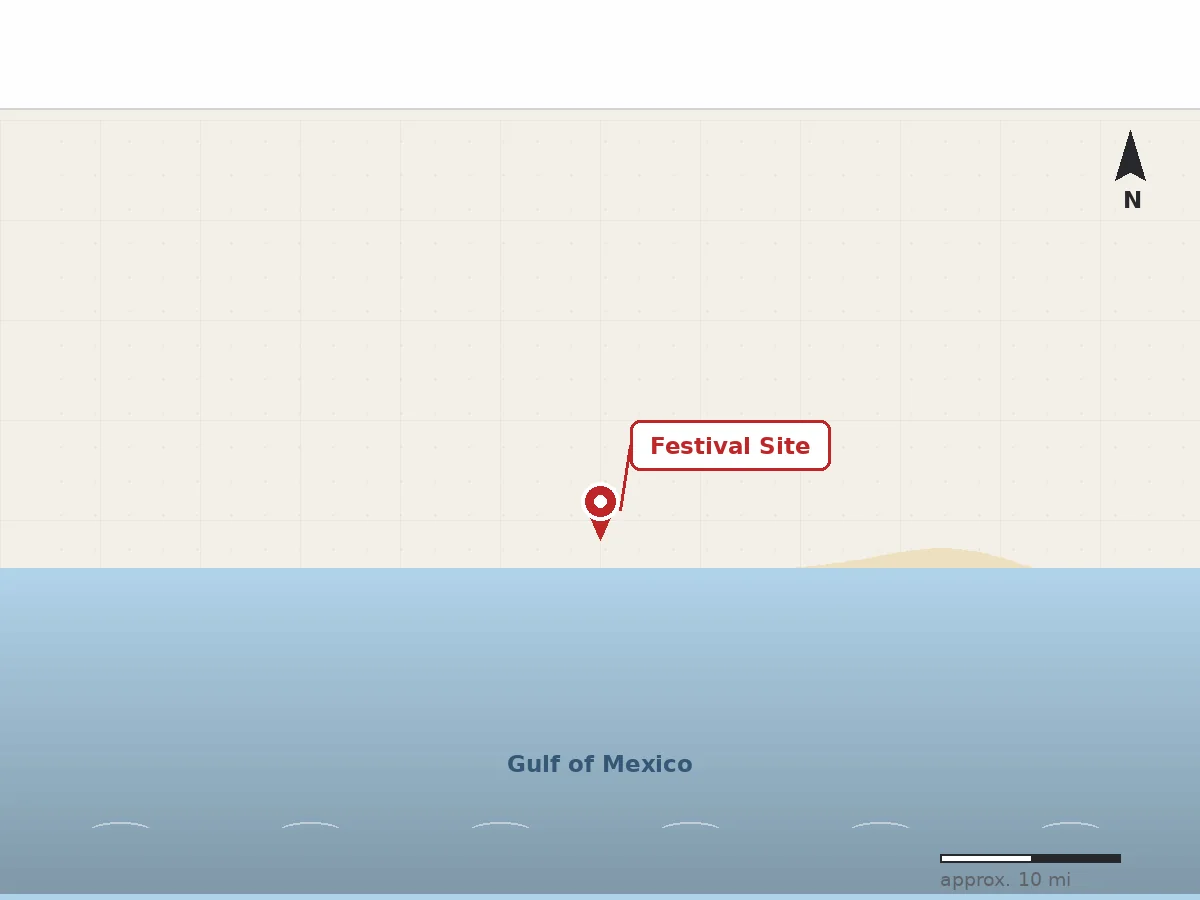
The Louisiana Cotton Festival is held in Ville Platte, the parish seat of Evangeline Parish in south-central Louisiana.
Cotton Festival Questions First-Timers Ask
Is the Louisiana Cotton Festival free to attend?
General admission to the festival grounds is typically free. You will pay for food, drinks, carnival rides, games and merchandise, so bring cash in small denominations. Any special events tied to the weekend may have their own arrangements.
When should I arrive to get a good spot?
Come early if the parade matters to you — chairs and coolers start lining the route well before the first float. For music, mid-afternoon arrival gives you time to claim space near the stage before the evening sets begin.
Is the festival a good fit for young kids and older visitors?
Yes. The grounds are compact, the midway is aimed at families, and the pace is unhurried. Bring water, plan a shaded break during the hottest part of the afternoon, and keep an eye on uneven ground if you use a walker or wheelchair.
What happens if it rains during the weekend?
Autumn showers in this part of Louisiana tend to arrive quickly and move on. Some activities pause or shift indoors, and organizers adjust as needed. Check local listings before you drive in, and pack a light rain jacket rather than canceling your plans.
Looking Ahead to Future Cotton Festival Seasons
The festival’s long-term health depends on the same thing as the parish’s: young families choosing to stay, volunteer groups willing to run booths, and local sponsors who see value in a weekend that brings the whole area together. Interest in regional food, Cajun music and agricultural heritage keeps drawing outside visitors, which helps.
Expect the essentials to remain — the parade, the court, the cotton exhibits, the music and the food — with gradual refinements rather than reinvention. For a celebration built on a crop that has outlasted every prediction of its decline, that kind of steadiness is exactly the point.
Last updated: October 2026
Whether you come for the boudin, the parade or the chance to watch a parish celebrate the ground it stands on, the Louisiana Cotton Festival in Ville Platte is the kind of weekend that explains a place better than any brochure. Bring a chair, bring cash, and plan to stay longer than you intended.