Edwards County Kansas Edwards County Fair Festival
Edwards County, Kansas is big country — 622 square miles of prairie, river bottom and small towns, with Kinsley as its county seat. Once a year, the Edwards County Fair pulls that scattered community into one place for livestock shows, 4-H exhibits, carnival rides and grandstand nights. If you have never been, this guide is for you: what the fair is, how to plan around it, and how to enjoy it the way locals do.
Edwards County Fair Basics for First-Time Visitors
| Town / area | Edwards County area, Kansas, around Kinsley |
| County | Edwards County, Kansas |
| County seat | Kinsley |
| Population | 2,907 (2020 census) |
| Region | South-central Kansas |
| Typical timing | Late summer, on a weekend |
| Admission | Grounds admission is generally free; some grandstand events may charge |
| Setting | Rural fairgrounds on the Kansas prairie |
| Features | Livestock shows, 4-H exhibits, carnival rides, food stands, grandstand entertainment |
| Organizer | County fair board and local volunteers |
What the Edwards County Fair Actually Is
The Edwards County Fair is the annual county fair for Edwards County, Kansas — a multi-day gathering built around agriculture, youth projects and neighborly competition. It happens in the Edwards County area, with Kinsley, the county seat, serving as the anchor town most visitors pass through on the way in.
If you have only ever been to a big state fair, adjust your expectations in a good way. Edwards County counted 2,907 residents in the 2020 census, spread across 622 square miles. A fair in a county that size is not a wall of commercial vendors and traffic jams; it is a place where the person selling you a funnel cake probably knows your cousin. The pace is slower, the lines are shorter, and the exhibitors are often the same families who have entered every year.
Expect the classic county fair framework: a barn full of livestock, a hall of open-class and 4-H entries, a midway with rides, food trailers, and a grandstand that fills after sunset. First-timers should treat it as a full evening out rather than a quick stop. The fair is best experienced slowly — a walk through the barns before the crowds arrive, a slow pass through the exhibit hall, and a seat for whatever is happening at the grandstand once the lights come on.
Prairie Beginnings: Edwards County and Its Fair Tradition
Edwards County was founded on March 18, 1874, in an era when Kansas counties were being organized across the prairie and towns were competing to become the seat of local government. Kinsley won that role and has held it since, which is why the county’s civic life — courthouse, newspaper, fair — has long radiated from that one town.
For another look at how a community turns its own traditions into a gathering, see the Douglas County Kansas Lawrence Summerfest Festival for a useful comparison.
County fairs arrived in this part of Kansas for practical reasons. Farming communities needed a place to compare notes: whose wheat yielded better, whose cattle finished heavier, whose tomatoes survived the summer. What began as an agricultural exhibition gradually became something broader. Youth programs turned the fair into a showcase for the next generation, while the midway, the food stands and the grandstand turned it into a fixture on the social calendar.
The fair has weathered the same forces that reshaped rural Kansas — drought, depopulation, the mechanization of farms — and it survives because it serves a purpose beyond entertainment. It is one of the few times each year when the whole county is in the same place at the same time. That continuity, more than any single attraction, is the fair’s real history.
Inside the Fairgrounds: Barns, Midway and Grandstand
A first visit goes more smoothly when you know how the grounds are laid out in spirit, even before you see them. Most Kansas county fairs divide into four zones: the barns, the exhibit hall, the midway and the grandstand. Each has its own rhythm and its own best hour.
Fair Food and the Kansas Summer Table
Fair food at a Kansas county fair follows a reliable script, and that is part of the comfort. Expect corn dogs, funnel cakes, hand-dipped ice cream, nachos, burgers and the kind of lemonade that only tastes right when it is 95 degrees outside. Local church groups and civic organizations often run stands of their own, which is where you will find the more regional cooking — pulled pork, chili, homemade pies and cinnamon rolls. Bring cash in small bills; small stands move faster that way. Portions tend to be generous, and county fair prices are usually gentler than state fair prices. Eat early in the evening if you want a shaded picnic table.
Grandstand Entertainment and Local Music
The grandstand is where the fair becomes a night out. Programming varies by year, but fairs in this part of Kansas typically lean on a mix of local and regional acts plus the crowd-pleasers that draw the biggest audiences: demolition derbies, tractor pulls, rodeos and motocross. Live music tends toward country, classic rock and gospel, often performed by bands from within a few hours’ drive. Seating is usually bleacher-style, so a cushion or a folded blanket helps. Arrive early for the marquee events — the grandstand fills quickly once the sun drops and the temperature with it.
Family Activities, Livestock and 4-H Exhibits
Families get the most out of the fair during daylight. The barns are the heart of it — cattle, swine, sheep, goats and poultry, groomed and shown by kids who have spent months preparing. Walk through slowly and ask questions; exhibitors are usually happy to talk. The exhibit hall holds 4-H and open-class entries: baking, canning, quilting, photography, vegetables and flowers, all judged and ribboned. The carnival midway runs through the afternoon and evening with rides aimed at younger children and teens. Add a petting area, some games and the occasional tractor display, and it is easy to fill four or five hours without spending much.
Planning Your Trip to Kinsley and the Fair
The logistics of a rural county fair are simple, but a little forethought keeps the day easy. Here is what first-timers should sort out before they leave home.
Getting There
Edwards County sits in south-central Kansas, and driving is the practical way in. Kinsley, the county seat, is the natural reference point — most visitors come through town and follow local signs to the fairgrounds. If you are coming from out of state, plan on a long drive across open country with wide gaps between services; fill the tank before you get close. Cell coverage is generally workable along main routes but can thin out on gravel. Download your map before you leave and give yourself daylight for the last stretch.
Where to Stay
Lodging in a county of 2,907 people is limited, and fair week is the busiest stretch of the year. Kinsley has the closest options, and a handful of small-town motels and guest cabins serve the surrounding area. Many families skip hotels entirely, staying with relatives or driving in from nearby towns. If you want a bed rather than a tent, book well ahead. Campers and RV travelers should ask locally about fairground or town camping, which many rural Kansas fairs accommodate.
Parking and Getting Around
Fairground parking is typically on grass or gravel, and it fills as the evening grandstand event approaches. Arrive an hour before the main event if you want an easy exit. Once you are inside, everything is walkable — barns, exhibit hall, midway and grandstand usually sit within a few minutes of each other. Wear shoes you do not mind getting dusty.
Admission and What Things Cost
County fair admission is typically free at the gate, with costs concentrated in the midway, food stands and ticketed grandstand events. That structure is good news for families: you can spend an afternoon at the barns and the exhibit hall for almost nothing. Bring cash. Small fairs still run on it, and while card readers are increasingly common, you do not want to be hunting for an ATM when the pie stand is closing.
Late-Summer Weather and What to Wear
Late summer in south-central Kansas means heat, humidity and the real possibility of a thunderstorm rolling in fast. Daytime temperatures often push into the nineties. Dress light, bring a hat and carry water — the grounds offer shade but not much air conditioning. Evenings cool off nicely and are the most comfortable hours to be outside. If a storm moves through, events may pause; the fair generally resumes once it passes.
A Sample Weekend at the Edwards County Fair
If you are coming for the whole run, a loose plan beats a rigid one. Start Friday afternoon by walking the barns while exhibitors are still settling in and the animals are calm. Grab an early dinner from a food stand before the evening crowd arrives, then take bleacher seats for the grandstand event. Friday night is the loudest, most social stretch of the fair.
Saturday morning belongs to livestock. Shows typically begin early, and the barn aisles fill with families, clipboards and show clothes. Watch a class or two even if you know nothing about cattle — it is the most authentic hour of the weekend. Midday, move to the exhibit hall for the baking, canning and photography entries, then take a slow lap through the midway while the afternoon heat peaks.
Saturday evening repeats the fair’s best ritual: food, a walk, and the grandstand. Sunday is quieter. Come for a late breakfast, catch any remaining exhibits, and let the kids have one last run at the rides before the grounds empty out. Leave time for a drive through Kinsley on the way home — the town is small, but it is the reason the fair exists where it does.
How the Edwards County Fair Compares Nearby
Dodge City, west in Ford County, leans heavily into Western heritage and tourism, with a larger commercial footprint and more out-of-town visitors. Great Bend, northeast in Barton County, anchors a bigger regional trade area and tends to draw a broader slate of vendors and entertainment. Pratt, southeast in Pratt County, sits closest in scale to Edwards County — a similar agricultural fair with the same unhurried rhythm.
That comparison matters when you are deciding where to spend a weekend. If you want spectacle and museums, Dodge City wins. If you want a big fair with a long midway, Great Bend is the draw. If you want the version where you can park easily, talk to the people showing animals, and still be home before midnight, Edwards County is the right call.
Fair Week Checklist for First-Time Visitors
| Book lodging early | Fair week is the busiest stretch of the year in a county of 2,907 people |
| Bring cash | Food stands and midway games still favor small bills |
| Wear sturdy shoes | Parking is on grass and gravel, and the grounds are dusty |
| Pack water and a hat | Late-summer afternoons regularly reach the nineties |
| Arrive early for grandstand events | Bleacher seating fills before dark |
| See the barns first | Livestock and exhibit halls are best in daylight |
| Check local listings for the year’s schedule | Grandstand programming changes annually |
| Watch the sky | Prairie thunderstorms build quickly in late summer |
Beyond the Fair: Edwards County and the Arkansas River Country
The fair is the reason to come, but it is not the only thing worth an hour. Kinsley itself is a classic small Kansas county seat, with a compact downtown and the kind of quiet main street that rewards a slow walk. The surrounding county is farm and ranch land, and the drives between towns are the real scenery — center-pivot irrigation, grain elevators, and horizons that do not quit.
Birders and photographers do well on the back roads, especially in early morning and late evening light. If you have a full day, use Kinsley as a base and make a loop through the neighboring communities, stopping for lunch at a small-town cafe where the special is whatever the cook decided that morning. For a longer trip, Dodge City’s Western history attractions make a natural add-on to the west.
The Fair as Edwards County’s Annual Meeting Place
In a county with 2,907 residents and 622 square miles of ground between them, gatherings matter more than they do in cities. The fair is where the school board member chats with the farmer, where grandparents watch a grandchild lead a goat into the ring for the first time, and where a graduating senior gets one more summer night with friends before leaving for college or a job.
That is the part first-timers notice without quite naming it. The rides are fun and the food is good, but the fair’s real product is proximity. It keeps a sparse county in contact with itself, once a year, on purpose.
Setting: Kinsley and the Edwards County Fairgrounds
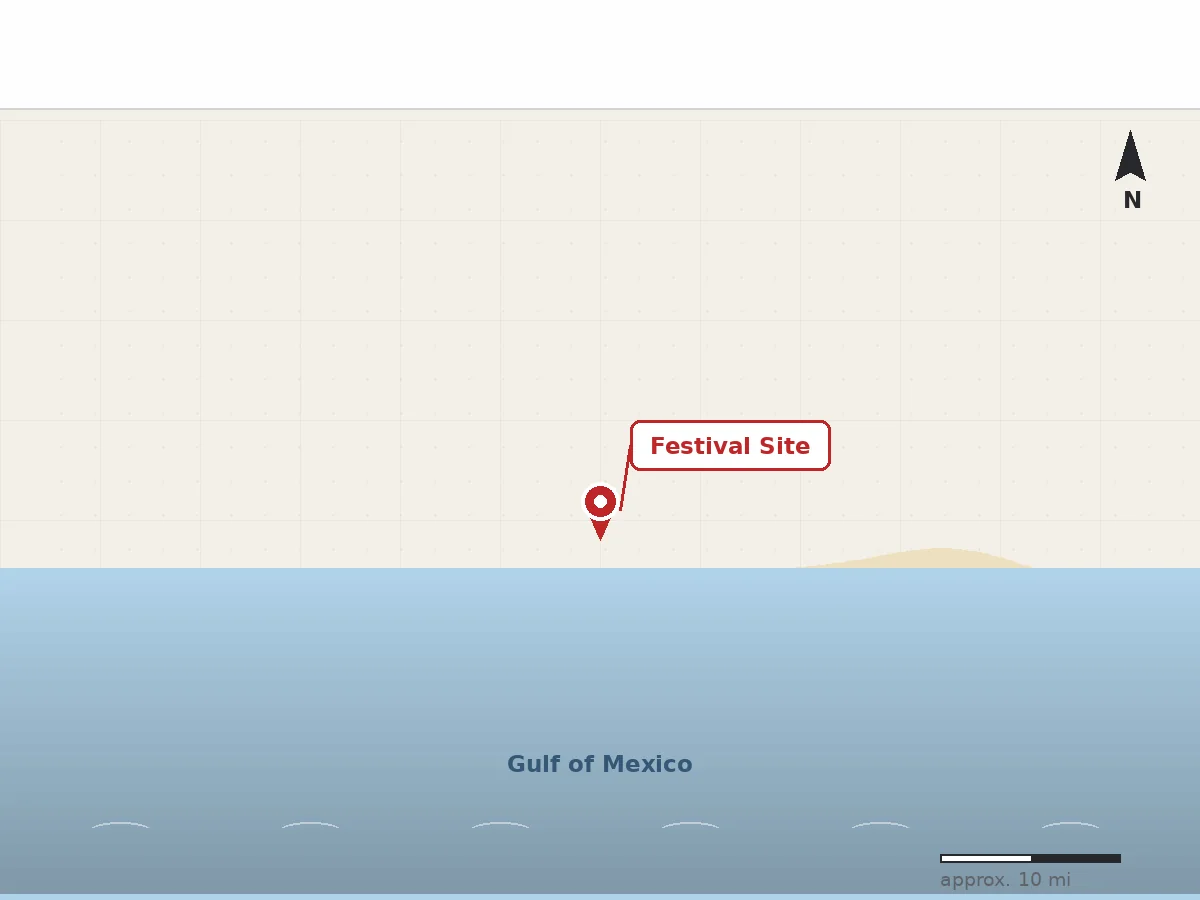
The Edwards County Fair takes place in the Edwards County area of south-central Kansas, with Kinsley, the county seat, as the anchor town for anyone traveling in.
Edwards County Fair: Common First-Timer Questions
When is the Edwards County Fair held?
It is held in late summer, usually across a weekend, in keeping with the county fair season across Kansas. Because the exact dates shift from year to year, check current local listings before you plan travel rather than relying on a date you saw in an older post.
Is admission free?
Grounds admission at county fairs like this one is typically free, with money changing hands at the midway, the food stands and any ticketed grandstand events. Plan on spending where you choose to, and bring cash for the small vendors who still prefer it.
Do I have to be a county resident to attend?
No. County fairs are open to anyone who shows up, and visitors from surrounding counties and out of state are common. Exhibitors are usually tied to local 4-H and open-class rules, but as a spectator you are welcome to walk the barns, browse the exhibit hall and take in the grandstand.
What should I bring on my first visit?
Cash, water, a hat, sunscreen and comfortable shoes. Add a cushion if you plan to sit in the grandstand, and a light jacket for the evening, when prairie temperatures drop faster than you might expect. A tote bag helps if you plan to buy anything from the exhibit hall or the food stands.
Looking Ahead to Future Edwards County Fairs
The fair’s future is tied to the county’s. As long as families keep raising animals, entering baked goods and quilts, and showing up on a summer weekend, the fair will have a reason to exist. Many rural fairs are finding new energy by leaning into what makes them distinct: hands-on livestock experiences, local food, and grandstand events that bring in people from several counties over.
For a first-timer, that is good news. You are not visiting a museum piece. You are visiting a working tradition that adjusts each year while keeping the parts that matter — the barns, the ribbons, the grandstand lights and the crowd that knows each other. Go once and you will understand why the same families keep coming back.
Last updated: October 2026
Plan your first Edwards County Fair around the barns and the evening grandstand, and you will leave with the same impression most visitors do: this is a small county doing a big thing well. Bring cash, arrive early, stay past sunset, and let the pace of Kinsley and the surrounding prairie set the rhythm of your weekend.

One Comment