Clark County Illinois Clark County Fair Festival
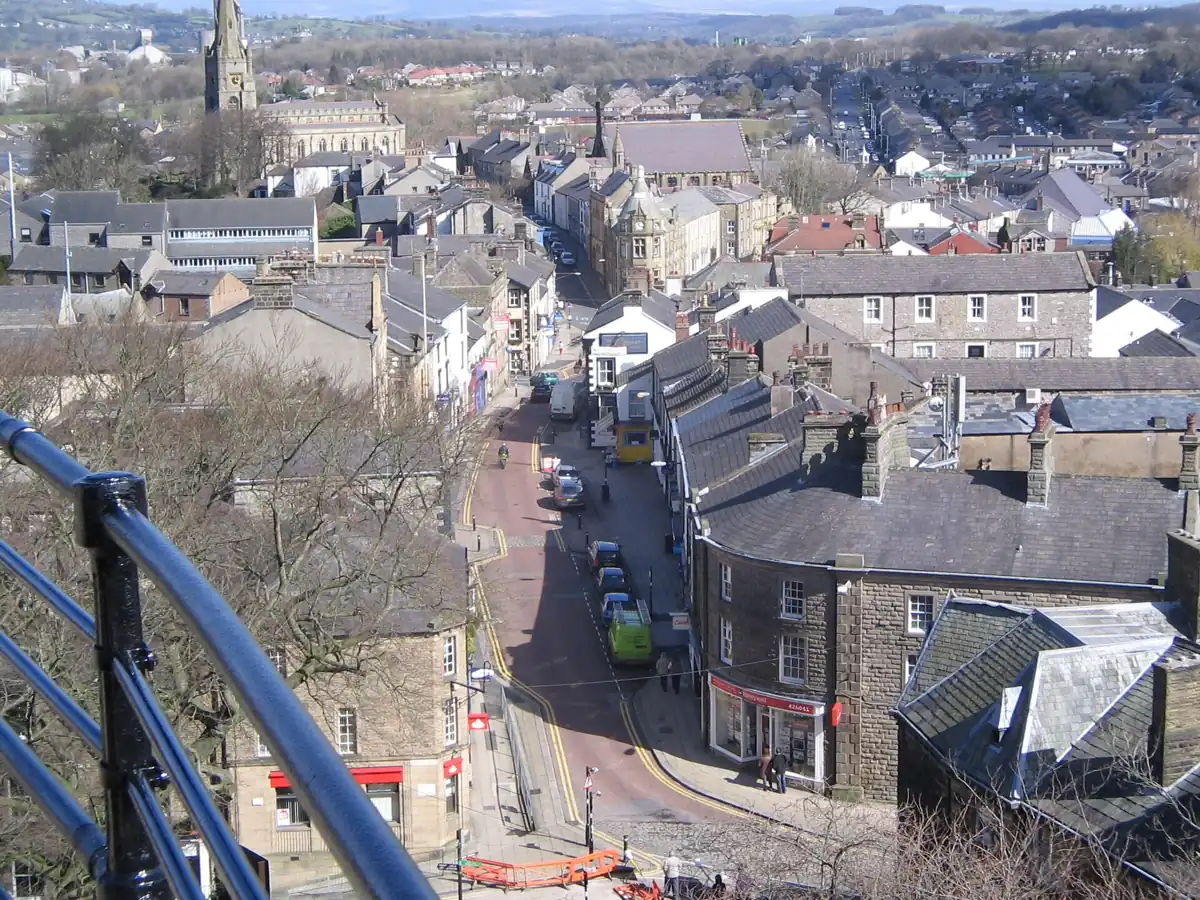
Marshall is a courthouse-square town at the center of Clark County, Illinois — the seat of a county organized in 1819 and named for George Rogers Clark. Around it spreads 505 square miles of southeastern Illinois farmland, home to 15,455 people at the 2020 census. Once a year, much of that geography funnels toward the Clark County Fair.
The fair is a county-sized event in the truest sense. It is not built for travelers passing through; it is built for the families who live along the roads running out from Marshall, for the kids who spent the spring raising a calf or finishing a sewing project, and for the neighbors who want to see how all of it turned out.
That gives the Clark County Fair a particular texture — part agricultural showcase, part family reunion, part small-town summer evening. What follows is a look at its roots, what a day on the grounds feels like, and how to shape a weekend around it.
The Clark County Fair File: Marshall, Illinois Basics
| Town / area | Marshall and the surrounding Clark County area |
| County | Clark County, Illinois |
| County seat | Marshall |
| Population | 15,455 (2020 census) |
| Region | Southeastern Illinois |
| County land area | 505 square miles |
| Typical timing | A summer weekend, most often in July |
| Admission | Generally free, with some individual attractions ticketed |
| Setting | Fairgrounds in the Clark County countryside, with Marshall as the hub |
| Features | Livestock and agricultural exhibits, youth projects, fair food, live entertainment, family activities |
| Organizer | Community volunteers from across Clark County |
What the Clark County Fair Actually Is
The Clark County Fair is the county’s annual agricultural and community gathering, held on a summer weekend at fairgrounds in the Clark County area. Its center of gravity is the exhibit program: livestock, poultry, produce, baked goods, flowers, photography, and the youth projects that local clubs spend months preparing.
Around that core sits everything else a fair needs to keep a family on the grounds for six or eight hours — food stands, entertainment, games, rides, and the informal socializing that happens in the bleachers while someone else’s animal is being judged.
For another look at how a community turns its own traditions into a gathering, see the Christian County Illinois Persimmon’s Festival for a useful comparison.
Because Clark County is small, the fair works less like a commercial attraction and more like a shared front porch. Exhibitors are neighbors. The person selling you a pork burger may also be the person who sold you your tractor. That intimacy is the whole point, and it is the reason families plan their summers around this weekend rather than squeezing it in.
From Courthouse Square to Fairgrounds: A Clark County Timeline
The fair’s history is inseparable from the county’s. Clark County was organized in 1819 and named for George Rogers Clark, and Marshall grew as its seat of government, with a courthouse square that still anchors the town. For most of the county’s existence its economy has been agricultural, and its social calendar has been organized around planting, harvest, and the fair that falls between them.
County fairs across Illinois took shape in the nineteenth century, as agricultural societies looked for ways to spread better farming practices and reward good work. The formula they settled on — competitive exhibits, livestock judging, a grandstand, a midway — proved durable enough to survive into the twenty-first century nearly intact. The Clark County Fair carries that inheritance.
What has changed is the balance. Where fairs once served an almost entirely farm-based population, they now serve a county where many residents work in town or commute out of it, and where the fair is as much about community as about crop yields. Youth programs keep the agricultural side alive: for many Clark County kids, the fair is the payoff for a year of animal care, baking, woodworking, or photography.
The constants are the calendar and the crowd. Summer arrives, the gates open, and the county shows up — much the way it has for generations.
Inside the Grounds: What a Clark County Fair Day Feels Like
A fair day here moves at whatever pace you choose. Some visitors spend the morning in the barns and the afternoon in the exhibit hall; others arrive at dusk for the food and the grandstand. Both are legitimate ways to do the Clark County Fair.
Fair Food and the Flavor of a Clark County Summer
The food lineup is classic Midwestern fairground fare: pork burgers and tenderloins, corn dogs, funnel cakes, lemonade shake-ups, kettle corn, cotton candy, and slices of pie from the baking department. Church groups, civic organizations, and independent vendors typically run the stands, which means a good share of what you spend circulates back into the county. Bring cash, expect the longest lines around suppertime, and pace yourself — portions are sized for people who have been walking all afternoon.
Live Music and Grandstand Evenings
Entertainment usually builds through the afternoon and peaks after dark, when the bleachers fill and the lights come on. Expect a mix of local and regional performers, youth contests, and grandstand events that give the evening its shape. Lineups rotate from year to year, so it is worth checking local listings and community calendars before you commit to a specific night.
Family Activities and Things for Kids to Do
Children tend to gravitate to the livestock barns first, where the animals are close enough to touch and the exhibitors are usually happy to answer questions. From there, the draw is rides, games, and the general freedom of a fairground on a warm evening. Strollers handle the grounds reasonably well, but the surface is often grass or gravel, so comfortable shoes matter more than anything else you pack.
Planning a Summer Weekend in Clark County, Illinois
Clark County is rural, and most of the planning comes down to logistics: how you get there, where you sleep, and what you carry in your pockets.
Getting to Marshall and the Fairgrounds
Almost everyone arrives by car. Marshall sits at the center of the county, and the fairgrounds are a short drive from town, reached by the county roads that connect the surrounding farms and small communities. Fuel up before you get close to the grounds, and plan your route so you are not turning around on a narrow road at dusk.
Where to Stay in the Clark County Area
Lodging in and around Clark County is limited and small-scale, so summer weekends fill quickly. Options tend to be independent motels, guest rentals, and campgrounds, with larger hotel clusters farther out in the region. Many local families simply stay with relatives, which is part of why the fair feels the way it does. Book early if you are coming from a distance.
Parking on Fair Days
Parking is usually on grass or gravel lots beside the grounds, with volunteers directing traffic. Arrive early on the busiest evenings, keep an eye out for marked entrances, and expect a short walk from the outer lots. If rain has moved through recently, low ground can get soft, so park where you can leave without help.
Admission and What a Day Costs
General admission to the Clark County Fair is typically free, while individual attractions — rides, games, raffles, and some grandstand events — carry their own charges. Budget for food, drinks, and a few dollars for the kids, and carry some cash even if vendors take cards. A family can spend an inexpensive evening here or a full day, depending on how many extras you say yes to.
Southeastern Illinois Summer Weather
July in this part of Illinois means heat, humidity, and the chance of an afternoon thunderstorm. Plan around the middle of the day, drink more water than you think you need, and keep a light rain jacket or poncho within reach. Evenings are usually the most comfortable hours on the grounds, which is convenient, since that is when the fair is at its liveliest.
A Sample Fair Weekend: Friday Through Sunday in Marshall
Friday afternoon. Arrive as the gates open and walk the barns before the crowds build. This is when exhibitors are still settling in, and it is the easiest time to talk with them.
Friday evening. Eat at the food stands, then find a seat for the grandstand program. Stay for the last of the daylight and the first of the lights.
Saturday morning. Come back for the exhibit halls and the judging. Baking, produce, photography, and youth projects are all worth a slow pass, and morning is when the buildings are coolest.
Saturday afternoon. Give the kids the rides and games while you hold the drinks and the prizes. Take a break in the shade before supper.
Saturday evening. The biggest night of the fair. Music, food, bleachers, and a full parking lot — arrive earlier than you think you need to.
Sunday. A slower morning, one final walk through the barns and exhibits, and a last pork burger before heading home. Many families treat Sunday as the day to visit with neighbors rather than chase the schedule.
Clark County Fair vs. Nearby Fairs and Bigger Illinois Events
Set against county fairs in larger neighboring counties, the Clark County Fair is smaller in scale — fewer grandstand headliners, a shorter run, and a midway that fits comfortably on the grounds. What it loses in size it gains in familiarity: you will run into people you know, and the exhibitors are the same families year after year.
Set against the Illinois State Fair in Springfield, the difference is even sharper. The state fair is a regional spectacle with crowds measured in the hundreds of thousands; the Clark County Fair is a county talking to itself. And compared with the smaller town celebrations scattered across Clark County — one-day events built around a parade or a homecoming — the fair is the fuller experience, with livestock, exhibits, and multiple evenings of programming.
What to Pack and Prepare for a Clark County Fair Weekend
Bring cash in small bills. Food stands, games, and raffles are easier with it, and you will not want to hunt for an ATM on a gravel lot.
Wear closed-toe shoes you do not mind getting dusty. Barns, gravel, and grass are hard on sandals and white sneakers alike.
Pack sunscreen, hats, and refillable water bottles. Add insect repellent for the evening hours and a light rain layer for the afternoon.
Charge your phone and bring a battery pack if you plan to take photos all day. Cell service in rural stretches of the county can be uneven, so download what you need in advance.
Check the schedule before you drive out, confirm lodging early, and leave a little slack in your plans. Fairs reward wandering more than they reward itineraries.
Beyond the Fairgrounds: Marshall and the Rest of Clark County
The fair is the reason many visitors come to Clark County, but it is not the only thing to do once you are here. Marshall’s courthouse square is the natural second stop — a compact downtown of county buildings and storefronts that shows how a nineteenth-century seat of government was laid out.
From there, the county itself is the attraction. With 505 square miles of farmland and small communities, the drive between towns is the point: flat fields, tree lines along the creeks, farm stands in season, and diners where the specials are written on a board. Give yourself an extra hour before or after the fair to take a county road you have never driven and see where it goes.
Why the Clark County Fair Still Matters to a County of 15,455
In a county with 15,455 residents, institutions that require hundreds of volunteer hours are fragile. The fair survives because it does something no app or streaming service can: it puts an entire county in the same place at the same time, on the same weekend, with something at stake.
For young exhibitors, the fair is the moment their work becomes public. For older residents, it is a measure of continuity — the same barns, the same categories, the same families, year after year. For everyone else, it is the annual reminder that Clark County is a community and not just a map outline. That is a lot of weight for a midway and a livestock barn to carry, and somehow it holds.
Where the Clark County Fair Sits in Southeastern Illinois
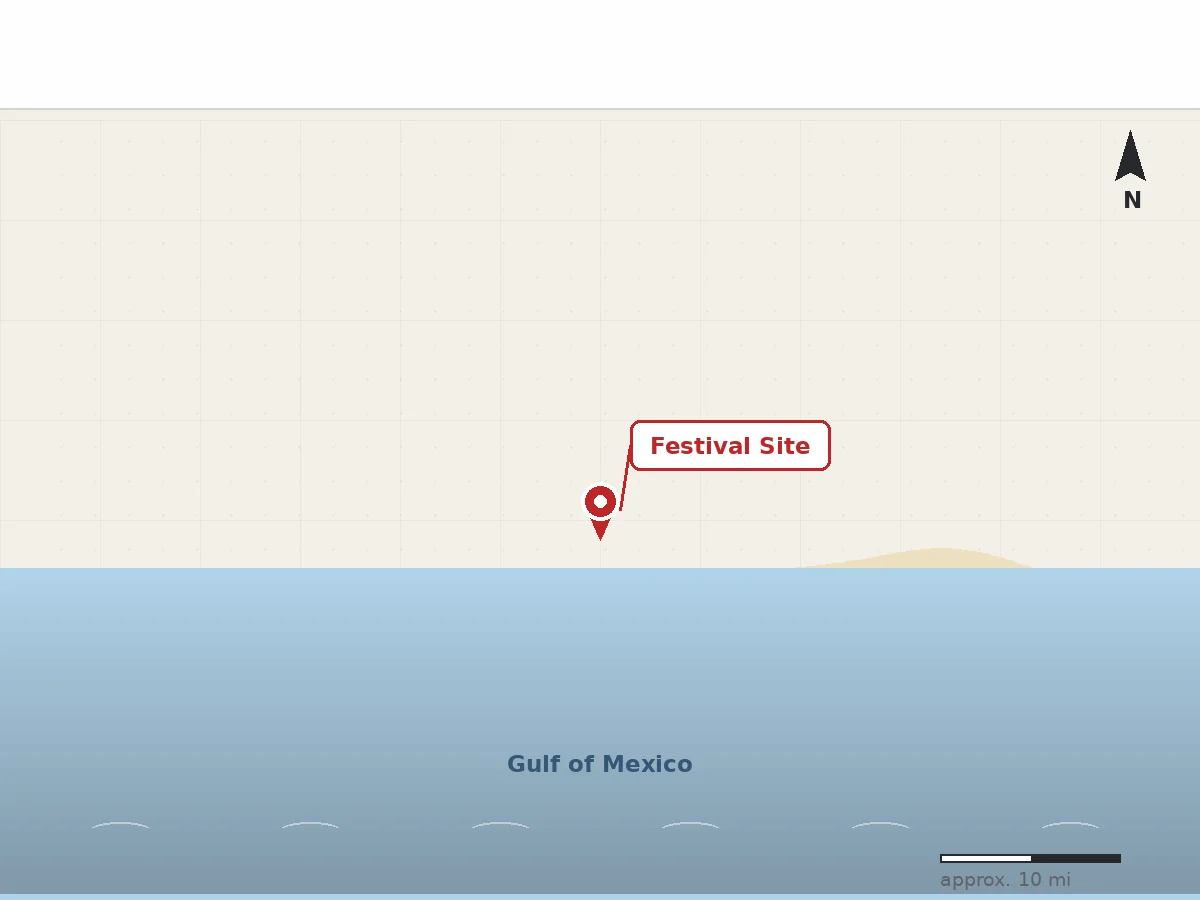
The Clark County Fair takes place in the Clark County area of southeastern Illinois, with Marshall — the county seat — serving as the natural base for visitors.
Clark County Fair Questions, Answered Briefly
When is the Clark County Fair held?
It is a summer event, typically falling on a weekend in July, which is when Illinois county fairs generally take place. Because the exact weekend shifts from year to year, check local listings or community calendars before you make travel plans.
Is there an admission fee?
General admission is typically free. Individual attractions such as rides, games, and certain grandstand events usually charge separately, so a family’s total cost depends on how many extras they choose. Carry some cash regardless.
Where should visitors park?
Parking is generally available in lots adjacent to the fairgrounds, often on grass or gravel, with volunteers guiding traffic. Arriving earlier in the day makes for an easier exit later, especially on the busiest evening of the fair.
Is the fair a good outing for young children?
Yes. The livestock barns, rides, games, and open space make it a natural fit for families, and the grounds are compact enough that you are never far from the car or the food stands. Bring a stroller if you need one, along with sun protection and water.
Looking Ahead to the Fair’s Next Season in Clark County
The future of the Clark County Fair depends on the same things it always has: volunteers willing to run a booth or judge a category, young exhibitors willing to spend a year on a project, and a community willing to show up in July heat. Agriculture in southeastern Illinois keeps changing, and the fair will keep changing with it, adding new categories and adjusting old ones while holding on to the parts that work.
What seems certain is the shape of the thing: a summer weekend, a full parking lot, the smell of fried food and livestock, and a county of 15,455 people acting like a single neighborhood for a few days. That is a durable formula, and there is no sign of it wearing out.
Last updated: October 2026
If you are planning a trip through southeastern Illinois this summer, put the Clark County Fair on the calendar and give yourself more time than you think you need. Come for the exhibits, stay for the evening, and take the long way home through the farmland that made the whole thing possible.
One Comment