East Baton Rouge Parish Louisiana Baton Rouge Blues Festival
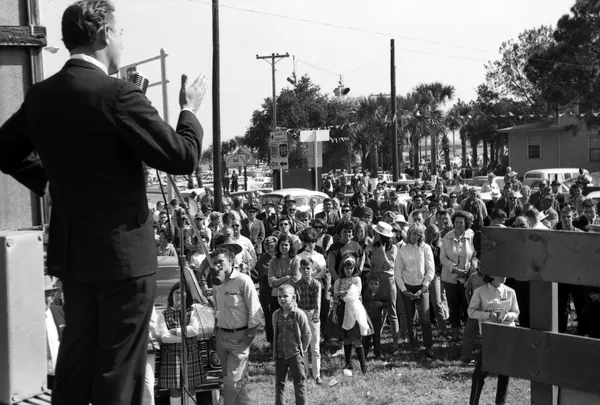
The folding chairs went into the trunk first, then the cooler, then the bag of sunscreen and juice boxes Dana Landry keeps packed all spring. It was a Saturday in April, warm by nine in the morning, and the Landry family — Dana and Terrence, their eleven-year-old son Amari, their six-year-old daughter Elise, and Miss Loretta, who has firm opinions about music and no patience for a bad seat — were driving downtown for the Baton Rouge Blues Festival.
They live in East Baton Rouge Parish, close enough that the drive to the stages takes under half an hour. Miss Loretta grew up hearing this music on the radio and in church parking lots, and she had spent the week telling her grandchildren that blues is not background noise. It is the parish’s autobiography, set to guitar.
By the time they parked and walked toward the first stage, a harmonica was already cutting through the morning. Amari wanted food. Elise wanted to know how long they were staying. Miss Loretta wanted a chair in the shade. All three got what they came for, which is roughly the point of the whole weekend.
Following one family through one day is the clearest way to explain what this event is: free, walkable, spread across downtown blocks, and built around a musical tradition that belongs to this stretch of Louisiana.
The Baton Rouge Blues Festival in Ten Lines
| Town / place | Downtown Baton Rouge, in the East Baton Rouge Parish area |
| Parish | East Baton Rouge Parish, Louisiana |
| Parish seat | Baton Rouge |
| Population | 456,781 (parish) |
| Region | South Louisiana, on the Mississippi River in the Baton Rouge metro |
| Typical timing | Each spring, most often on an April weekend |
| Admission | Typically free |
| Setting | Walkable downtown blocks with outdoor stages near the riverfront |
| Features | Multiple stages, swamp blues and roots acts, Louisiana food vendors, daytime family programming |
| Organizer | A Baton Rouge–based blues nonprofit supported by volunteers and community partners |
What the Baton Rouge Blues Festival Actually Is
At its core, this is a free, open-air blues weekend staged on the downtown blocks of Baton Rouge, the parish seat of East Baton Rouge Parish. It arrives each spring, most often on an April weekend, and it is deliberately compact: you can move between stages on foot in a few minutes and never lose the thread of the music.
Programming leans on the sound this part of Louisiana is known for — swamp blues, electric blues, soul, roots and R&B — with harmonica, slide guitar and horn sections showing up in equal measure. Local and regional acts share bills with touring names, and the character of the day shifts as the sun drops. Daytime sets are loose and family-friendly. Evening sets are louder, greasier and worth staying for.
East Baton Rouge Parish covers roughly 470 square miles and holds 456,781 people, and for one weekend the festival works like the parish’s shared front porch: neighbors, students, visitors from across the metro, and a good number of people who came for the food and stayed for the music.
From Juke Joints to Downtown Stages: How the Blues Grew Up in Baton Rouge
The music came long before the festival. Along the Mississippi River, in lumber camps, on small farms and in the neighborhoods that grew around them, guitar-and-harmonica blues took root in this stretch of Louisiana and refused to leave.
By the middle of the twentieth century, Baton Rouge and its neighbors had produced a distinct electric sound, usually called swamp blues, with a lazy, behind-the-beat groove and lyrics that mixed humor with hard luck. Artists from the area, among them Slim Harpo, Lightnin’ Slim and Raful Neal, cut records that traveled far past the parish line and are still covered and sampled today.
The clubs mattered as much as the records. For decades, small venues around the city — Tabby Thomas’s Blues Box on North Boulevard is the one people mention most — gave local players a place to work and listeners a place to learn. Musicians who came up through that circuit carried the tradition into later decades and into national audiences.
The festival itself grew out of local efforts to put that heritage on a public stage downtown. It began small, anchored by a single stage and a handful of vendors, and expanded over the years into a multi-stage weekend with a wider booking range. What has not changed is the price of admission and the premise behind it: this is music that belongs to the people who live here.
How a Festival Day Unfolds Along Downtown Baton Rouge’s Blocks
The rhythm is simple. Arrive mid-morning for quiet sets and short food lines. Settle in through the afternoon. Stay for the loudest part of the night, or take the kids home and come back tomorrow.
Plates and Cups: Louisiana Food Between Sets
Expect the standard-bearers of south Louisiana festival eating: gumbo, jambalaya, red beans, fried fish and shrimp, po’boys and boudin — plus boiled crawfish by the pound, since the festival lands in spring. Vendors cover the kid vote with snowballs, lemonade and sweets. Lines are shortest before noon and longest mid-afternoon, so the Landrys’ eat-early strategy is a good one. Bring a card and some small bills; both move quickly at a crowded booth.
From Swamp Blues to Brass: What You’ll Hear on the Stages
The bill typically runs from solo and duo sets in the early hours to full bands after dark. Expect harmonica, slide guitar, upright and electric bass, and horn sections that push a set toward soul and funk. Between stages you’ll hear a crowd that knows these songs — call-and-response, requests shouted toward the band, and a few people who have clearly been following certain players for decades. Set times are posted on site and drift slightly as the day goes on, so pick a good spot and let the schedule come to you.
Bringing the Kids: Family Corners and Easy Pacing
Daytime is the family window. The grounds are flat, walkable and stroller-friendly, and because admission is typically free you can leave and return without feeling like you burned a ticket. Bring hearing protection for small children, a hat and a refillable water bottle. Shade disappears in the middle of the day, so claim a spot under a tree or awning early. Bathrooms and hand-washing stations are set up on site, and the crowd is generally patient with kids who need to move.
Planning the Trip From Anywhere in East Baton Rouge Parish
Because the festival sits in the middle of the parish, logistics are less about distance than about timing. A few things are worth sorting out before the weekend.
Getting There: I-10, Airline Highway and the Downtown Grid
Downtown Baton Rouge is easy to reach from almost anywhere in the parish, with I-10, I-110 and Airline Highway all feeding the same grid. From outside the city, plan on 20 to 40 minutes of driving depending on where you start and how heavy traffic gets near the exits. Rideshare drop-offs work well if you’re willing to walk a few blocks in from the edge of the closure area.
Where to Stay: Downtown Rooms and Parish Neighbors
Downtown hotels put you within walking distance of the stages, which is the single biggest quality-of-life upgrade for a festival weekend — no parking search, no designated-driver debate. Rooms thin out fast as the weekend approaches, so book early. Staying farther out in the parish or in a neighboring community usually costs less and works fine if you’re comfortable driving in and parking once for the day.
Parking: Garages, Meters and the Walk-In Strategy
Downtown garages and surface lots are the simplest answer, and street meters can work on the edges of the district. The closest spots fill by mid-morning on the busiest day. Park once, several blocks out, and walk in — you’ll spend less time circling and more time listening.
Admission and Costs: What’s Free and What Isn’t
Admission is typically free, which is central to the festival’s identity and the reason a family of five can show up without doing math. Real spending means food, drinks, band merchandise and whatever the vendors talk you into. Bring a card and some cash, and set a rough budget with the kids before you get there.
Weather: Spring Heat, Humidity and the Shade Plan
April in south Louisiana can be mild and breezy or genuinely hot and humid, sometimes in the same weekend. Afternoon sun on open pavement is the thing to plan around: hats, sunscreen, water and a willingness to move between sets for shade. Spring showers are a real possibility too. Check the forecast the morning of and pack a light rain jacket rather than an umbrella you’ll hold all day.
Sample Itinerary: A Blues Weekend With the Landry Family
Friday evening — Arrive after work, park once, and walk the grounds to get your bearings. Eat something fried, catch one set, and go home early. You’re pacing for Saturday.
Saturday morning — Chairs down in the shade near a stage by ten. Amari goes straight for a po’boy. Elise negotiates hard for a snowball before lunch and loses.
Saturday afternoon — Two or three sets, a walk along the riverfront when the kids need to move, and a crawfish stop around two. Miss Loretta holds the chairs and holds court with whoever sits down nearby.
Saturday evening — The best part of the day: horns, full bands, and a crowd that has been waiting all year. Families with small children peel off around dinner. Everyone else stays.
Sunday — A slower version of the same thing. Late breakfast, an afternoon return for a couple of sets, an early dinner downtown, and the Landrys are asleep by nine.
Baton Rouge Blues and Three Nearby Festival Weekends
Lafayette’s Festival International de Louisiane is the closest comparison in spirit: free, downtown, walkable and built around music from French Louisiana and beyond. It leans more international and more francophone, while Baton Rouge leans harder into electric blues.
New Orleans hosts the biggest music weekends in the region, and scale is the difference. If you want a festival that swallows a city for a week, that’s the trip. If you want something you can genuinely cover in a day without a strategy, Baton Rouge is the easier weekend.
Smaller options like the Ponchatoula Strawberry Festival or the Gonzales Jambalaya Festival trade music depth for a tighter, food-first, small-town feel. Each is worth a Saturday. None of them sounds quite like a harmonica coming off a downtown block at dusk.
Packing and Prep Checklist for a Blues Weekend in the Parish
Seating and shade: folding chairs or a blanket, a hat, sunglasses and sunscreen. Shade is the first thing to go, so a small umbrella or canopy, where allowed, is worth the haul.
Kids: hearing protection, a refillable water bottle, snacks, wipes and a change of clothes if they’re young enough to need one.
Money: a card plus small bills for vendors, and a rough budget agreed on before you arrive.
Weather: a light rain jacket, a phone battery pack, and a plan for the hottest stretch of the afternoon.
Logistics: park once and walk, screenshot set times if you care about a specific act, and pick a meeting point in case your group splits up.
Beyond the Festival: East Baton Rouge Parish Between Sets
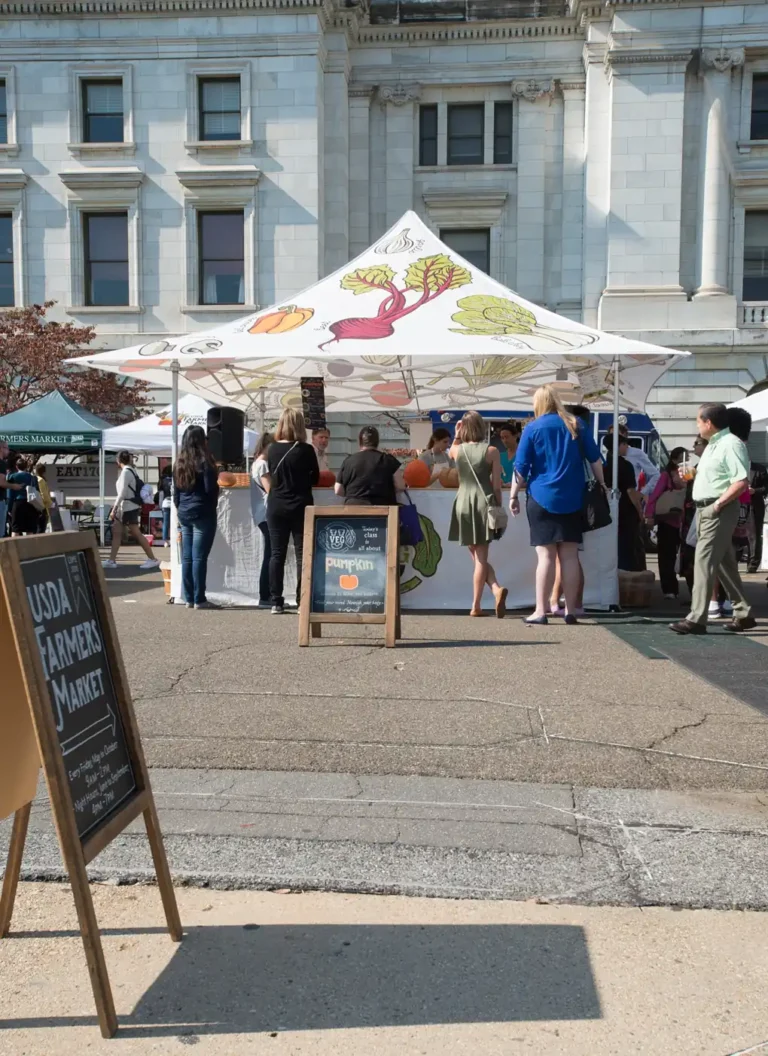
Because the festival is downtown, a lot sits within a short walk: the Mississippi River levee path, the Old State Capitol, the Louisiana Art & Science Museum and the USS Kidd, plus a downtown farmers market on weekend mornings.
A little farther out, the LSU campus and its live mascot are a standard stop for visitors, and BREC’s parish park system offers trails, lakes and playgrounds when the kids need a break from crowds. Historic sites around Baton Rouge fill in the parish’s older layers.
With a third day, drive out of the city for an hour or two — the parish sits within easy reach of swamp tours, plantation country and small-town Louisiana. Blues fans often make a full weekend of it, pairing the festival with a Saturday morning detour.
What the Blues Weekend Means to East Baton Rouge Parish
For a parish of 456,781 people, a free downtown music festival is a statement about access. Nobody has to buy a ticket to hear music that was made here, and that is not an accident — it’s the organizing principle.
The weekend also pays local musicians, feeds local vendors and gives downtown businesses one of their busiest stretches of the spring. Volunteers make much of it run, from stage crews to recycling.
There’s a longer argument too: a tradition survives when young people hear it live. Kids who wander past a harmonica player on a Saturday afternoon are the reason this music keeps getting played.
Where the Blues Sits on the Baton Rouge Map
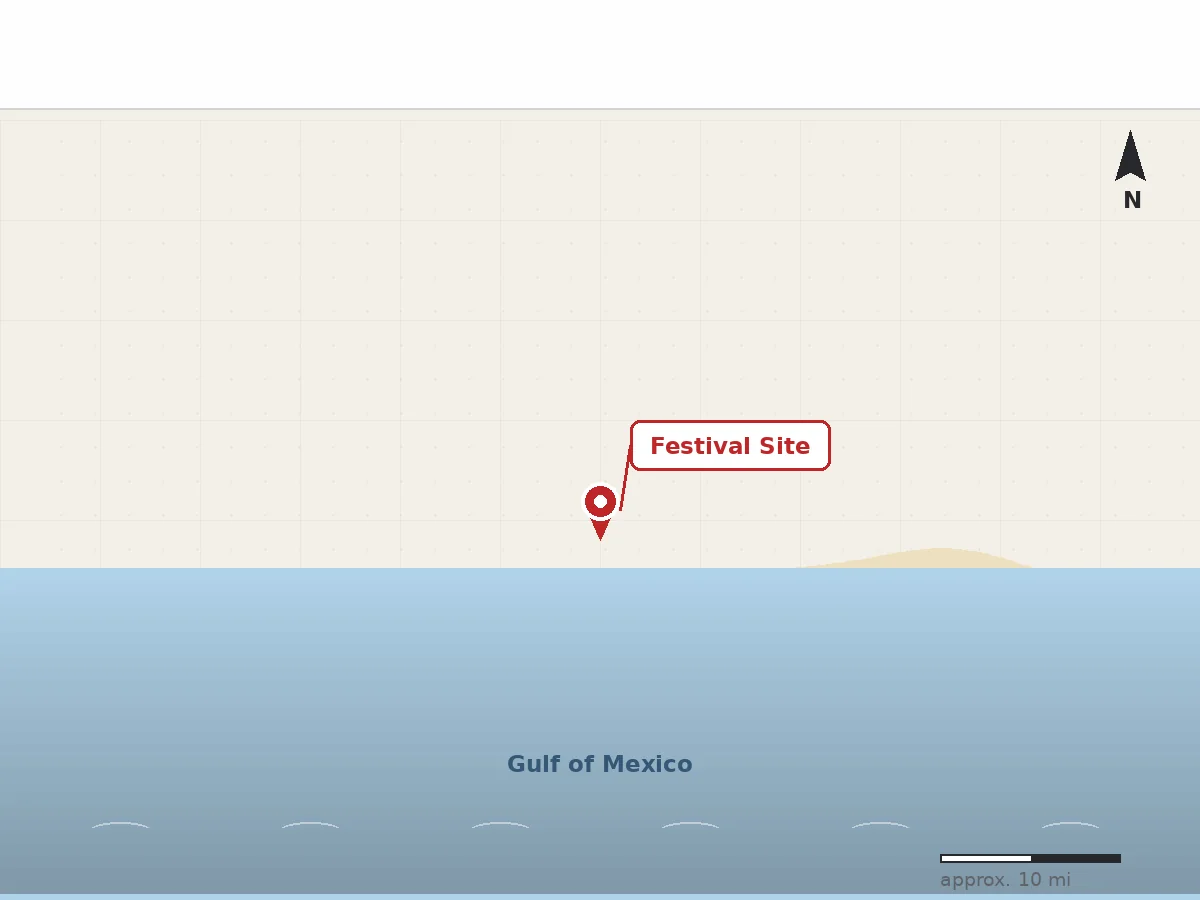
The festival takes place in downtown Baton Rouge, the parish seat of East Baton Rouge Parish, on the walkable blocks near the Mississippi River waterfront.
Baton Rouge Blues Festival Questions From First-Timers
Is the Baton Rouge Blues Festival free to attend?
In most years, yes — general admission is free, and that is a defining feature of the event rather than a marketing hook. You’ll still spend on food, drinks and merchandise, and any premium or ticketed area varies by year, so check the current program before you go.
Can I bring chairs, blankets and my own food?
Folding chairs and blankets are standard festival equipment here and part of how locals do the day. Outside food and drink policies can change from year to year, so check the posted rules. In practice, most people buy from vendors and bring water and snacks for the kids.
Is it a good festival for young children?
Daytime is very family-friendly: flat ground, open space, short walks between stages and plenty of food kids will actually eat. Evening sets are louder and the crowd is thicker, so many families with small children make it an afternoon visit and head home before dark.
What happens if it rains?
Spring showers are common in south Louisiana. Light rain usually means ponchos and a shorter set rather than a cancellation, while severe weather can pause or stop programming for safety. Check the festival’s channels on the morning of your visit for updates.
Looking Ahead to the Next Blues Weekends in Baton Rouge
The direction of travel seems clear: keep the festival free, keep it downtown, and keep widening the bill so swamp blues sits alongside soul, roots and younger local acts. As downtown Baton Rouge adds residents and venues, the walkable footprint only becomes more useful.
The open questions are the familiar ones for any growing free event — crowd capacity, spring heat, funding, and the cost of booking bigger names without putting up a gate. How those get balanced will shape the next several springs.
For the Landrys, none of that changes the plan. Chairs in the trunk, cooler in the back, downtown by ten.
Last updated: October 2026
If you’ve never been, treat it the way a local would: come early, park once, eat something you have to hold with two hands, and let the schedule surprise you. The blues have been in this parish far longer than the festival has, and for one spring weekend the whole thing is right there on the sidewalk, free to anyone who walks up.